3R (Reduce, Reuse and Recycle) Program for University Waste
Overview
Navoi State University has developed and implemented a comprehensive 3R Program — Reduce, Reuse and Recycle — for university waste as part of its institutional commitment to sustainable campus management, environmental responsibility, public health protection, and efficient resource use. The program is strengthened through the university’s official Waste Management Policy, approved for 2026, which provides a systematic framework for waste reduction, reuse, recycling, segregation, monitoring, treatment, and safe disposal across the university.
In Navoi State University Waste Management system is developed in accordance with the national legislation and strategic framework of the Republic of Uzbekistan. In particular, it is guided by the Law of the Republic of Uzbekistan “On Waste” No. 362-II of 5 April 2002 (https://lex.uz/ru/docs/-42423#) , which establishes prevention of harmful waste impact on human health and the environment, reduction of waste generation, and rational use of waste as key objectives. The policy is also based on the Law “On Nature Protection” No. 754-XII of 9 December 1992 (http://lex.uz//docs/-107115) , which defines the legal, economic, and organizational foundations for environmental protection and rational use of natural resources. In addition, the policy aligns with Presidential Resolution No. PQ-4291 of 17 April 2019, which approved the Strategy for Municipal Solid Waste Management in the Republic of Uzbekistan for 2019–2028 (https://lex.uz/en/docs/7570199?ONDATE=18.04.2019) and supports the development of a sustainable solid waste management system in the country.
Based on the national waste management legislation of Uzbekistan, NDU has developed its own waste management policies:
The main goal of the 3R Program is to reduce waste generation at the source, promote sustainable consumption, increase the reuse of materials, improve waste segregation, expand recycling practices, and cultivate a strong environmental culture among students, academic staff, administrative staff, technical personnel, and service providers. The program covers the entire university campus, including academic buildings, administrative offices, classrooms, laboratories, student dormitories, canteens, conference areas, green zones, outdoor areas, workshops, storage rooms, and maintenance units.
The program is coordinated with the participation of the university’s Sustainability Management Team (https://sdg.nsuni.uz/sustainable-team/ ), the Facilities and Maintenance Department, faculty-level responsible staff, technical personnel, and student eco-volunteers. Although waste management is treated as a shared responsibility of every member of the university community, the Facilities and Maintenance Department plays a key operational role in waste collection, bin placement, sanitation, temporary storage, and transfer of recyclable and special waste to relevant service providers.
The 3R Program addresses several types of university waste, including paper and cardboard, plastic, metal, electronic waste, organic waste from canteens and landscaping, laboratory-related waste, potentially hazardous waste, and general mixed waste. Waste management activities are supported by awareness campaigns, digitalization through HEMIS, reuse of paper and materials, reduction of single-use plastics, color-coded waste collection bins, composting, e-waste separation, and cooperation with specialized waste-receiving organizations where applicable.
REDUCE — MINIMIZING WASTE AT THE SOURCE
1. HEMIS-Based Digitalization for Waste Prevention and Responsible Resource Use
Navoi State University prioritizes waste prevention and reduction as the first step of its 3R Program. The university encourages academic, administrative, and service units to reduce unnecessary consumption, avoid excessive printing, minimize single-use plastics, and use digital alternatives wherever possible.
Digitalization of academic and administrative processes
NSU actively uses the HEMIS platform (https://hemis.nspi.uz) and other digital tools for academic and administrative management. The digital system is used for student records, attendance, grading, course materials, schedules, academic monitoring, internal reporting, and communication. As a result, many paper-based processes have gradually shifted to electronic formats.
Estimated result for reporting:
In 2025, the use of digital platforms is estimated to have reduced paper consumption by approximately 80-85% compared with previous paper-based practices. This figure will be updated based on university procurement and printing records.
2. Reduction of unnecessary printing
Departments are encouraged to use double-sided printing, avoid unnecessary photocopying, reuse one-sided paper for drafts, and circulate internal information electronically. Administrative offices are advised to use digital memos, electronic announcements, and online document-sharing methods instead of printed copies.
3. Reduction of single-use plastics
NSU promotes the gradual reduction of single-use plastic items in offices, classrooms, events, meetings, and canteen areas. The university encourages the use of reusable cups, refillable bottles, durable containers, and eco-friendly alternatives instead of disposable plastic cups and bottles.
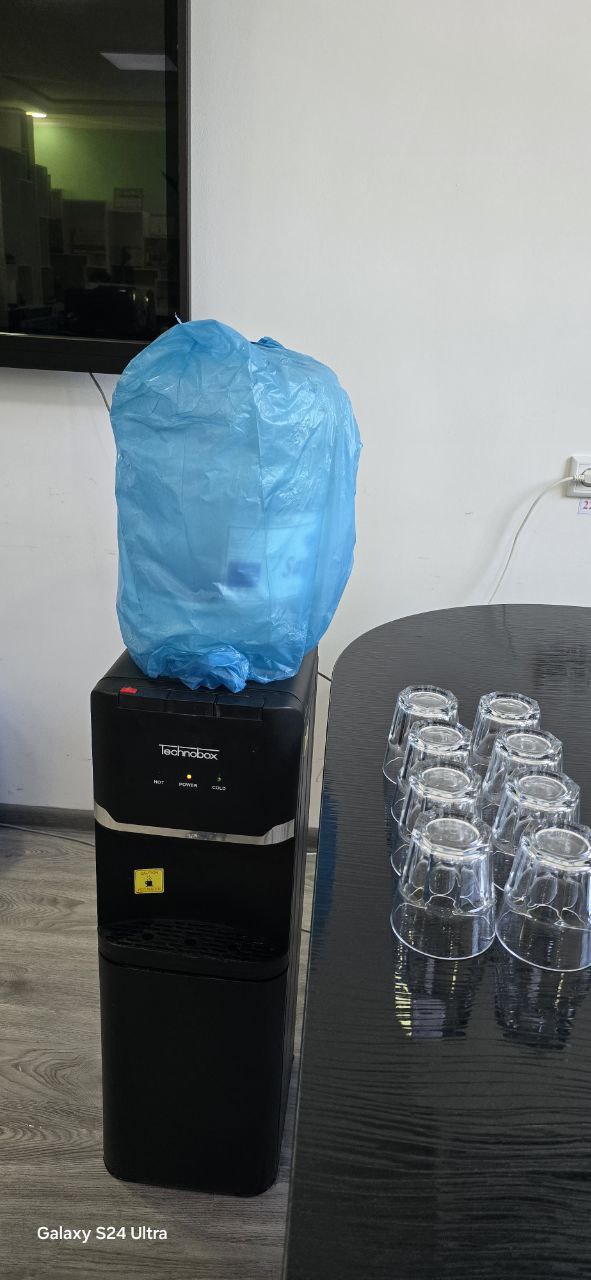
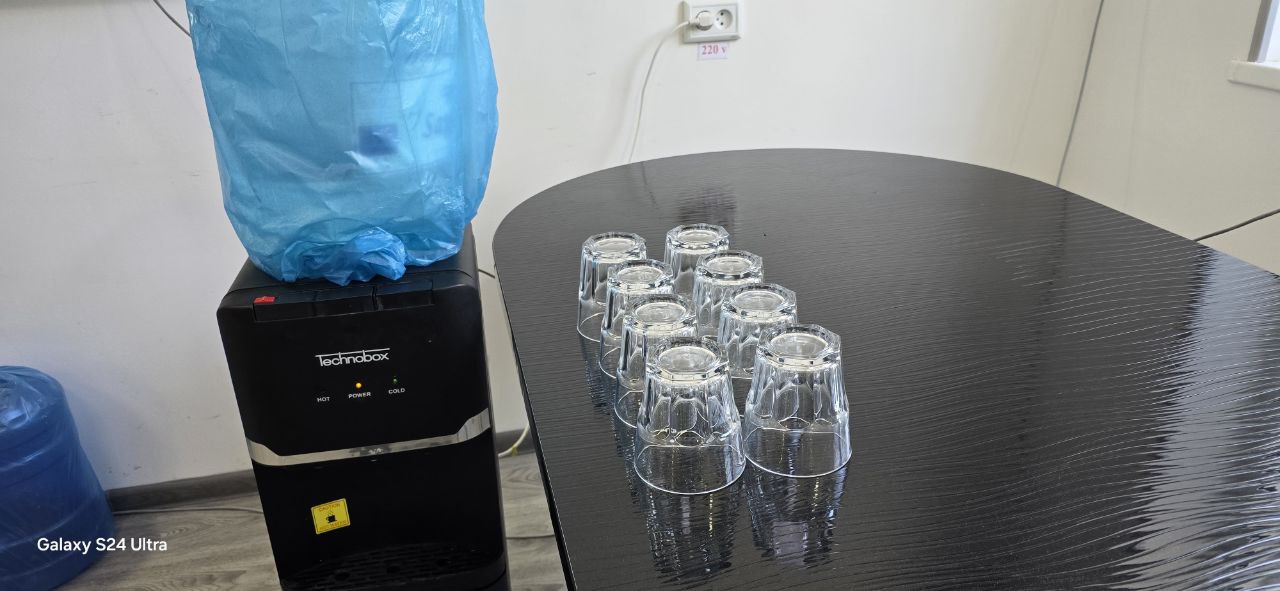
In university meetings and selected events, reusable cups and glasses are increasingly used instead of single-use plastic cups. This practice helps reduce disposable plastic waste and promotes responsible consumption habits among staff and students.
The replacement of single-use plastic cups with reusable cups and glasses is estimated to have reduced disposable cup consumption by approximately 80-85% in selected university offices and events.
4. Plastic bottle reduction and 3D printer innovation
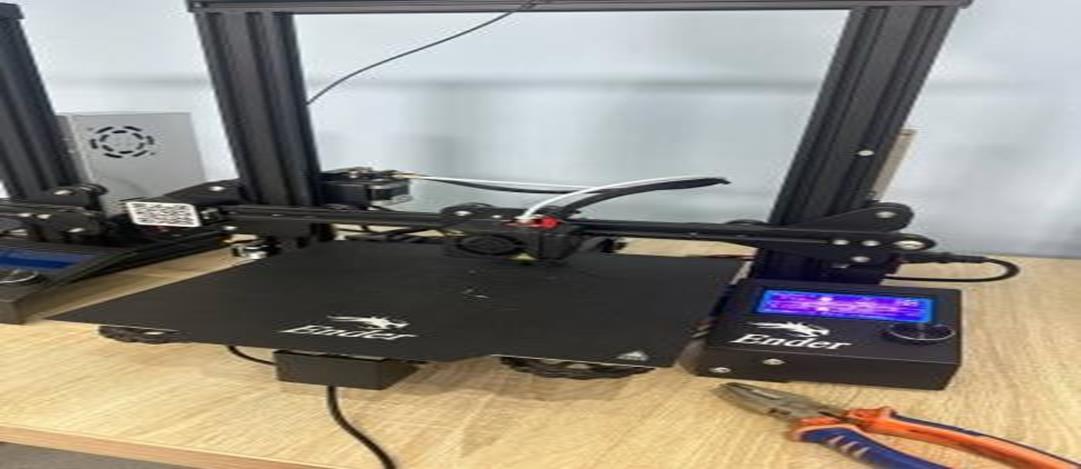
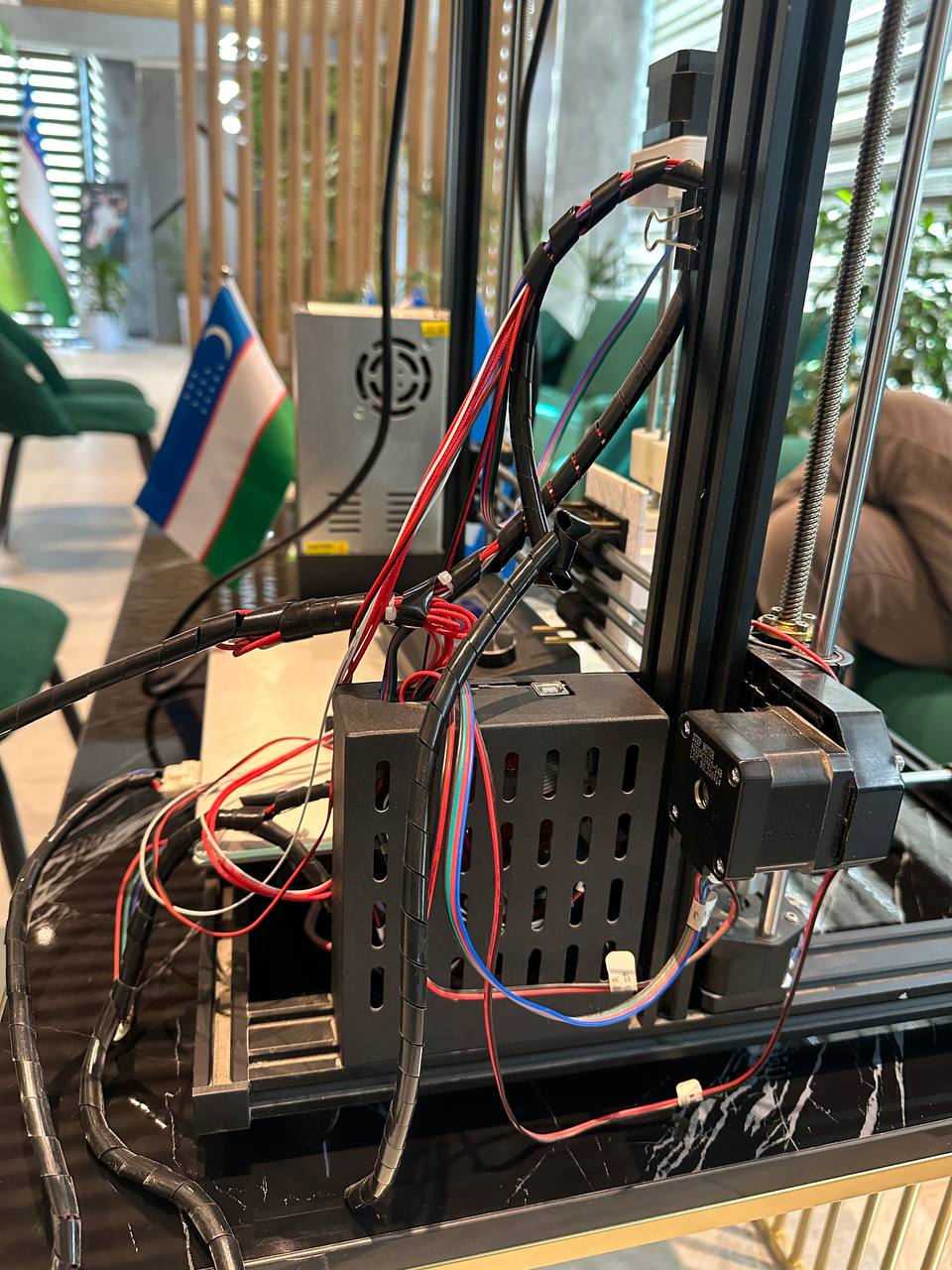
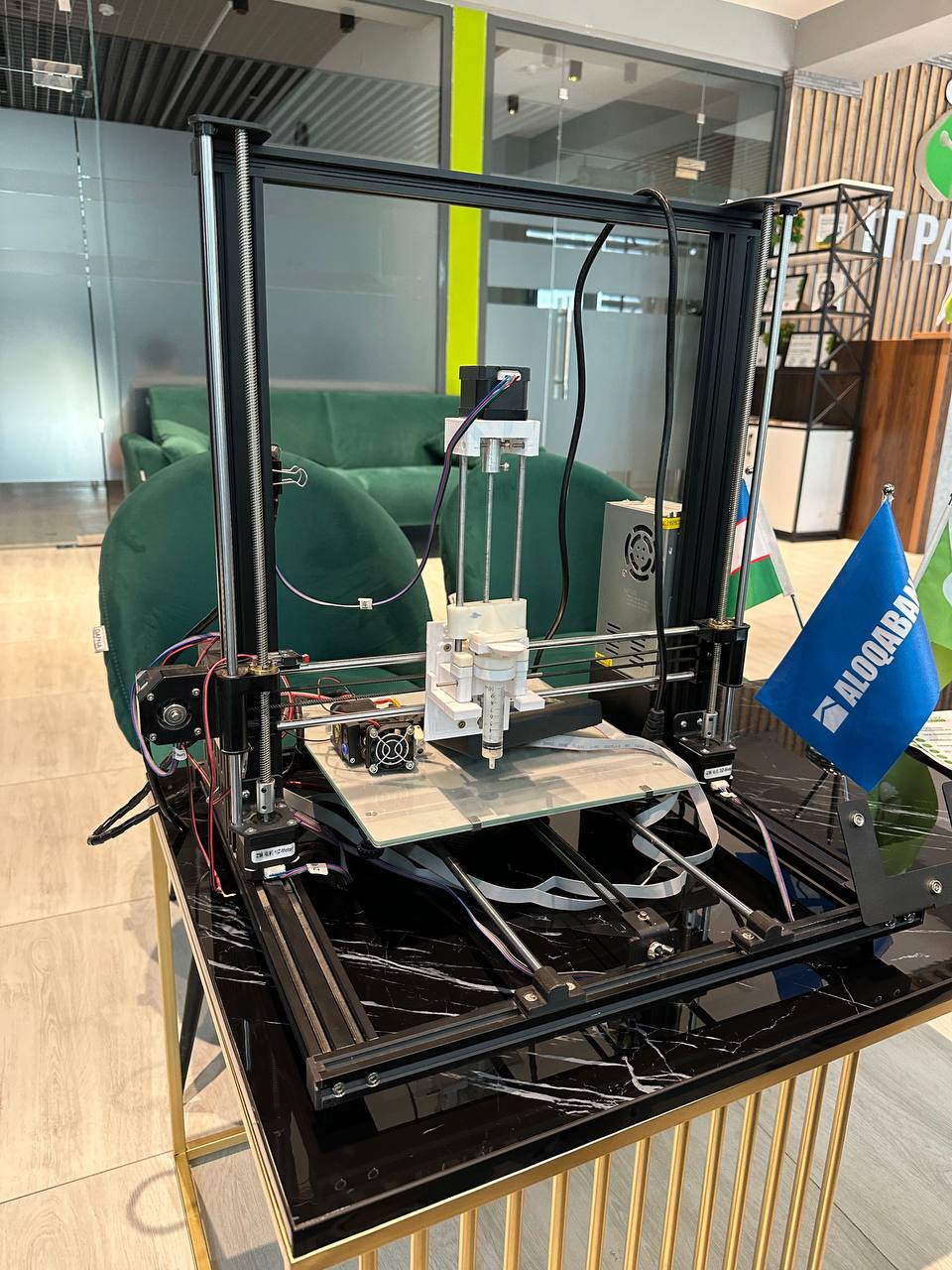
Navoi State University has introduced an innovative initiative that uses recycled plastic bottles as a resource for 3D printing filament production. Plastic bottles collected from the campus are cleaned, processed, and used as material for educational and technical 3D printing activities. This initiative connects waste reduction with innovation, digital manufacturing, and student practical learning.
This program demonstrates that plastic waste can be treated not only as waste, but also as a secondary resource for education, creativity, and technical experimentation.
5. Awareness Campaigns
To raise awareness about reducing waste, the Waste Management Team organizes seminars, workshops, and guest lectures for students and staff. These events focus on proper waste segregation, recycling, and the environmental impact of daily habits. To broaden their reach, the team also uses social media platforms like Instagram and Telegram to share eco-friendly tips, infographics, and videos. Through both in-person and digital efforts, the campaign encourages responsible behavior and helps create a cleaner, more sustainable campus environment. These ongoing efforts aim to make environmental consciousness a shared value within the university community.
6. Digital Alternatives
To reduce paper waste and promote sustainability, NSU actively encourages the use of digital alternatives across campus. Students and faculty are urged to submit assignments, reports, and academic documents electronically, minimizing the need for printing. The university utilizes the HEMIS platform for academic management, including grading, attendance, and course materials, ensuring a streamlined and eco-friendly approach to education. By integrating digital tools into daily academic activities, NSU not only enhances efficiency but also supports environmental responsibility. These efforts reflect the institution’s commitment to reducing its ecological footprint through smart and sustainable solutions.
7. Educational Signage
At NSU, educational signage plays a crucial role in the waste reduction program, effectively raising awareness and encouraging sustainable practices among the campus community. Eye-catching posters with messages like “No Plastic, Please!” serve as constant reminders to reduce single-use plastics and embrace eco-friendly alternatives. These informative displays not only highlight the environmental impact of plastic waste but also provide practical tips for making greener choices. By fostering a culture of sustainability through clear and engaging signage, NSU empowers students and staff to actively participate in reducing waste and protecting the environment.
8. THE “PAPERLESS DAY” ECO-ACTION WAS HELD AT NAVOI STATE UNIVERSITY
👍 At Navoi State University, the “Paperless Day” eco-action was held with the aim of increasing environmental responsibility, promoting the rational use of natural resources, and widely introducing a digital management system.
🔺 Within the framework of this initiative, the university administration, professors and teachers, students and young people, as well as staff actively participated in reducing paper consumption, making extensive use of electronic platforms in work processes, and organizing document exchange in digital form.
🔺 During the action, advocacy work was carried out aimed at the effective use of the capabilities of modern information technologies, prevention of excessive paper consumption, conservation of resources, and ensuring environmental sustainability.
❌ The “Paperless Day” eco-action serves as an important practical step towards protecting the environment, not remaining indifferent to environmental problems, and accelerating digitalization processes.
REUSE — EXTENDING PRODUCT LIFE AND VALUE
Reuse is an important part of NSU’s 3R Program. The university promotes the reuse of materials before disposal in order to extend product life, reduce unnecessary purchasing, and minimize the volume of waste sent to disposal sites.
2.1. Reuse of one-sided printed paper
One-sided printed paper generated in offices, departments, classrooms, and administrative units is reused for drafts, notes, internal communication, teaching preparation, and student activities. Although this practice is not yet fully centralized across all departments, it is already applied in several units and is being strengthened under the university’s Waste Management Policy.
Estimated result for reporting:
In 2025, approximately 250–350 kg of one-sided printed paper was reused for drafts, notes, internal documents, and educational purposes. This data should be updated after collecting records from faculties and administrative offices.
2.2. Eco Papers for Office Use
NSU promotes sustainability through its Eco Paper for Reuse Program, which encourages students and staff to reuse one-sided printed paper for note-taking, drafts, and internal communications. Collection boxes are placed in classrooms, offices, and libraries for gathering reusable paper. This initiative reduces paper consumption, lowers costs, and minimizes environmental impact. The collected paper is sorted and bound into notepads or used for educational materials. The program also raises awareness about responsible paper use and fosters a culture of conservation on campus. By extending the life of paper, NSU takes a meaningful step toward eco-friendly practices.
2.3. Reusable cups and glasses
NSU encourages the use of reusable cups and glasses in university offices, meetings, seminars, and selected events. This practice reduces dependence on disposable plastic and paper cups and supports a culture of sustainable daily behavior. The university aims to expand this practice to more departments, canteens, staff rooms, and event venues.
Estimated result for reporting:
Approximately 3,000–5,000 disposable cups were avoided in 2025 through the use of reusable cups and glasses in selected meetings, offices, and events.
2.4. Reuse of educational and creative materials
Students and staff participate in eco-creative activities where reusable materials are used for educational demonstrations, classroom activities, practical tasks, exhibitions, and awareness campaigns. Such activities help students understand waste as a reusable resource and strengthen environmental responsibility through practice.
Examples include student eco-workshops, creative reuse activities, posters, visual materials, teaching aids, and small upcycling projects.
RECYCLE — BUILDING A CIRCULAR WASTE ECOSYSTEM
Navoi State University is developing a recycling system based on separate waste collection, campus-wide awareness, recyclable material transfer, composting, and safe handling of special waste streams. The university’s recycling practices cover paper, plastic, metal, electronic waste, organic waste, and selected laboratory-related waste.
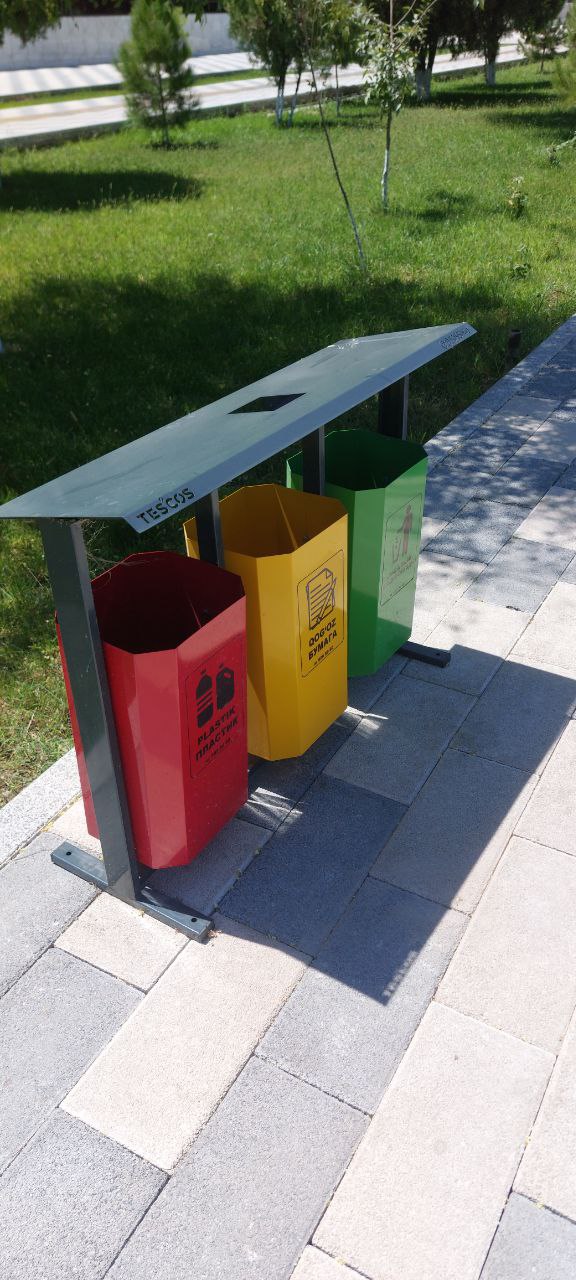
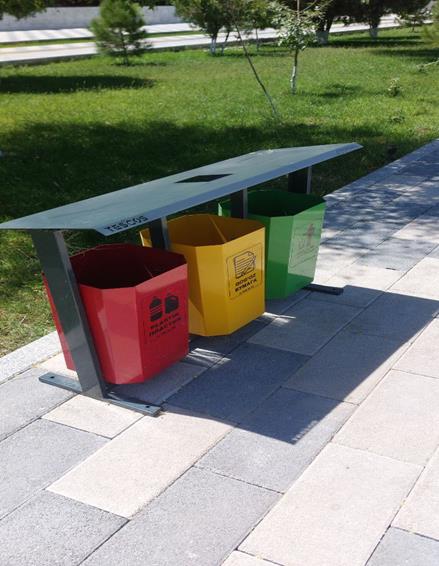
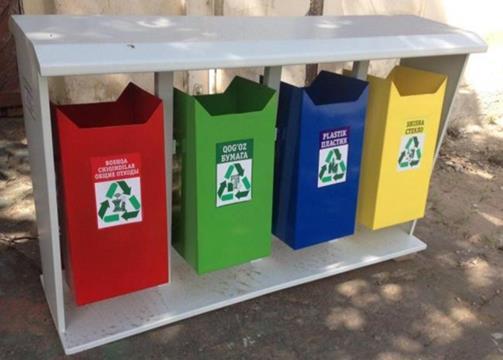
3. 1. Color-coded waste segregation bins
NSU has installed color-coded and labelled waste collection bins in key campus areas. These bins are used for the separate collection of:
paper;
plastic;
metal;
electronic waste;
general waste where applicable.
Currently, approximately 10–15 waste segregation stations are available in selected academic and administrative areas. The university plans to expand the number of waste segregation stations in order to achieve fuller campus-wide coverage
3.2. Recycling Institute Spin-Off Paper Program
The university has established a spin-off recycling initiative that focuses on processing paper waste generated across campus units. Collected paper waste is systematically sorted and recycled into eco-friendly paper products through collaboration with internal units and recycling partners. This program not only reduces paper waste but also promotes resource efficiency and supports sustainable production practices within the university.
3.3. Recycling of paper, plastic, and metal
Paper, plastic, and metal waste collected from university buildings are separated and transferred to specialized organizations that receive recyclable materials. This supports the diversion of recyclable waste from general disposal and helps develop a circular waste management approach on campus.
Although formal partnership documentation is still being strengthened, the university already practices the transfer of recyclable materials to relevant waste-receiving organizations.
3.4. Organic waste management and composting
Organic waste is managed separately where possible. Organic waste from canteens, landscaping activities, tree leaves, grass cutting, and campus green areas is collected separately and treated through composting or soil-based organic treatment practices.
This process is also culturally and socially important because food waste is treated responsibly and not mixed unnecessarily with general waste. Leaves and plant-based waste collected from the campus are also separated and buried or composted for natural decomposition. The resulting organic matter is used to support campus green zones, gardens, trees, and flowerbeds.