1. Solar and wind energy
Navoi State University is taking significant steps to support renewable energy through the use of both solar and wind power, as part of its broader commitment to innovative programs in energy and climate change. Solar panels have been installed on university buildings to generate clean electricity for campus needs, helping reduce reliance on fossil fuels and lowering carbon emissions. Additionally, the university is involved in regional efforts to harness wind energy, contributing to the promotion of sustainable development. These renewable energy sources are not only used for operational efficiency but also serve as practical learning tools for students studying environmental science and technology.
2. Bike sharing program
A bike-sharing program is a transportation system where bicycles are made available for shared use to individuals on a short-term basis, often free or for a small fee. At Navoi State University, a free bike-sharing initiative has been implemented as part of its innovative efforts in energy efficiency and climate change mitigation. Around 70 bicycles are provided for students and staff, encouraging low-carbon, eco-friendly transportation across the campus. This program helps reduce greenhouse gas emissions, limits the use of private cars, and promotes active lifestyles. It is supported by reduced parking spaces and the development of safe cycling and walking paths.
3. Smart Energy Monitoring for Sustainable Impact
Navoi State University has adopted a smart energy management dashboard as part of its innovative energy efficiency and climate change programs. This digital platform provides real-time monitoring of solar energy production and energy flow across different university facilities. For example, the system tracks daily and annual energy yields, total CO₂ avoided, coal saved, and even the environmental impact in terms of equivalent trees planted. Such detailed insights help reduce energy waste, optimize power usage, and support data-driven decisions. The dashboard not only enhances operational efficiency but also educates students about practical applications of renewable energy and smart technology.
4. Greening the Campus through the “Yashil Makon” Initiative
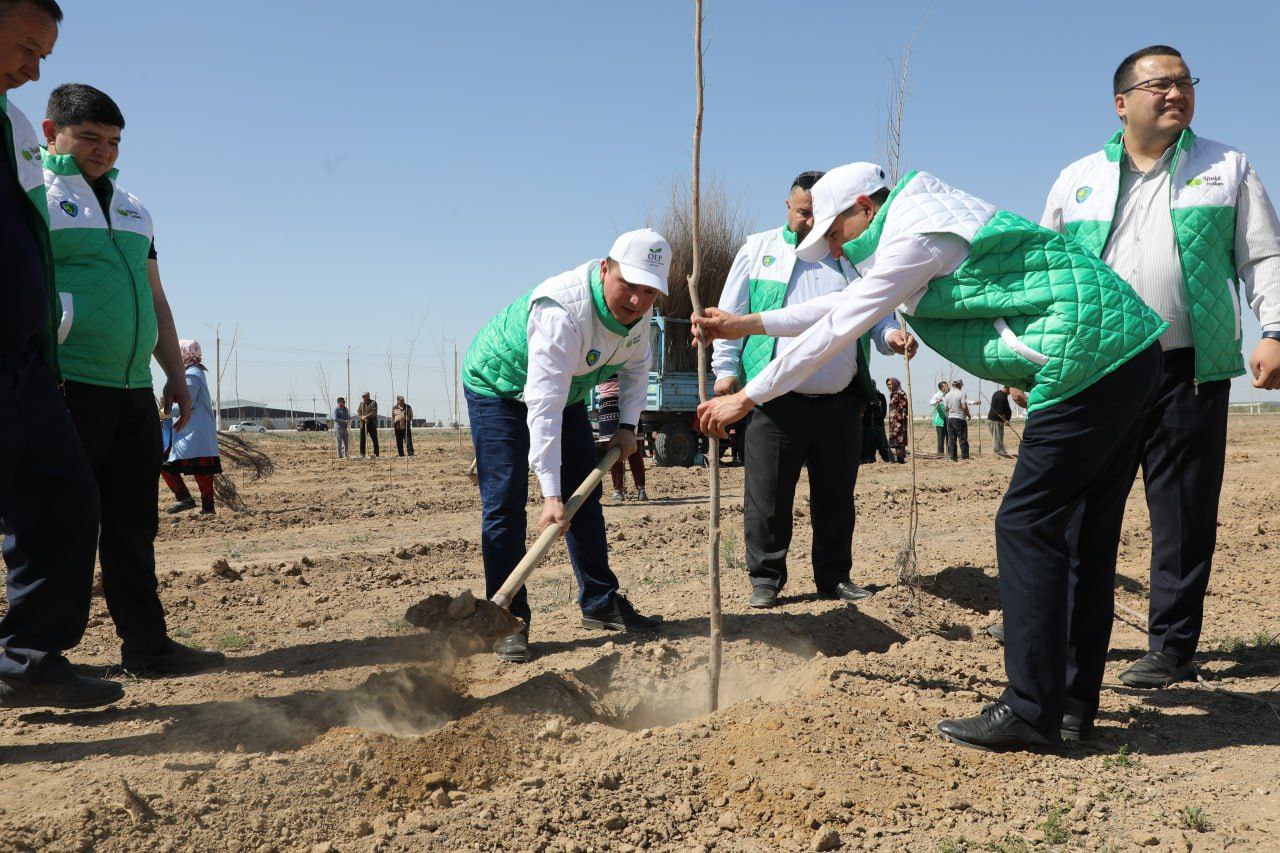
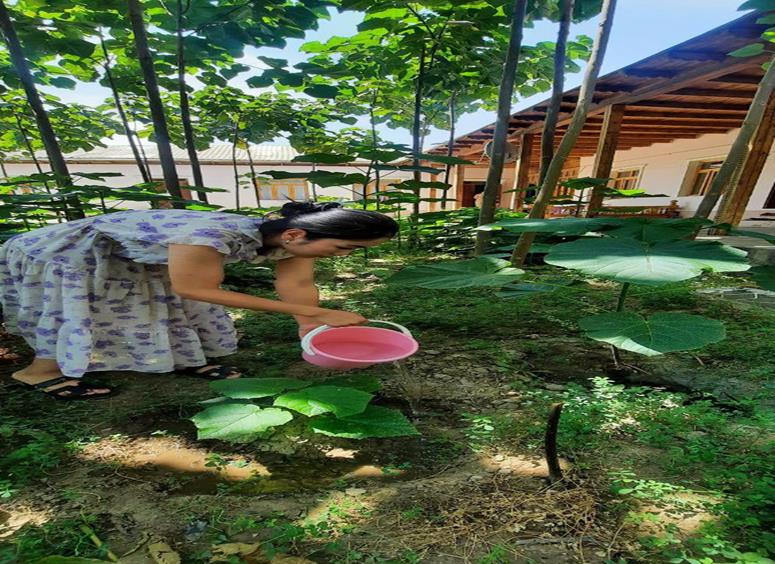
As part of its innovative climate and sustainability programs, Navoi State University actively participates in Uzbekistan’s nationwide “Yashil Makon” (Green Space) initiative. This program focuses on increasing green cover through massive tree-planting efforts. On campus, thousands of saplings are planted each year, including drought-resistant native species that help improve air quality, reduce urban heat, and restore ecological balance. These green spaces also support biodiversity and create a more comfortable learning environment. The initiative not only contributes to climate change mitigation but also involves students and staff in hands-on environmental stewardship, promoting long-term eco-conscious behavior.
5. “Eco Innovation -2025 “ exhibition at NSU “ Start up” program
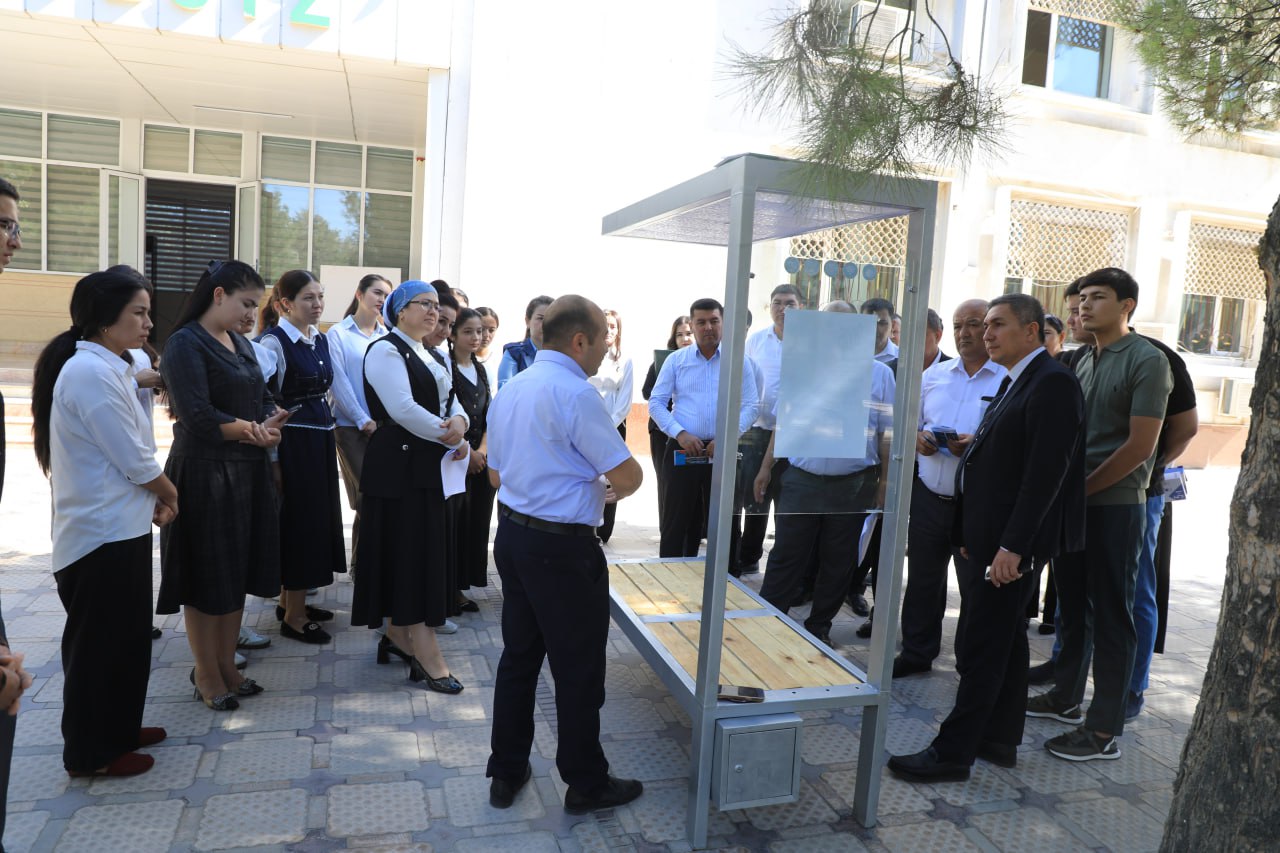
At Navoi State University (NSU), the “Eko-Innovation – 2025” exhibition became a celebration of creativity, innovation, and environmental responsibility. The event brought together more than 30 participants who presented 27 innovative projects focused on energy efficiency and climate change solutions. Students introduced ideas related to renewable energy, waste recycling, and advanced eco-technologies. The exhibition encouraged young inventors to design practical tools that promote sustainability and environmental protection. Through these innovative programs, NSU strengthens its commitment to reducing carbon emissions, developing green technologies, and inspiring a new generation of environmentally conscious innovators dedicated to building a cleaner, sustainable future.
6. Research Initiatives
Navoi State University has established dedicated research centers focused on climate change impacts, mitigation, and adaptation strategies. The university actively collaborates with governmental and non-governmental organizations to address local and global environmental challenges. These partnerships support impactful, policy-relevant research and foster innovation in sustainability. NSU also involves students and faculty in climate-related projects, promoting active participation in conferences and forums. Through seminars, workshops, and collaborative initiatives, NSU strengthens its role as a regional leader in climate research and contributes to Uzbekistan’s green development goals.
7. Community Engangement Programs
Navoi State University is actively committed to raising environmental awareness and promoting sustainability through a wide range of community engagement initiatives. The university regularly organizes workshops, seminars, and public lectures that aim to inform and empower the local population about pressing issues such as climate change, renewable energy, and sustainable living practices. These events often feature expert speakers and practical demonstrations, ensuring accessibility and relevance for all community members. Additionally, NSU collaborates with local schools by implementing specially designed educational programs focused on climate science, biodiversity, and responsible environmental behavior. Through these outreach efforts, the university fosters a culture of ecological responsibility and strengthens its role as a regional leader in sustainability education.
8. Student-Led Initiatives
There is “Young Environmentalists Community” that consists of only students at Navoi State Pedagogical Institute. The Young Environmentalists Community of NSPI is a vibrant and dynamic group focused on advocating for environmental protection and promoting sustainability among youth.
The community aims to empower young people to take action on environmental issues, encouraging them to become leaders in sustainability. It seeks to raise awareness about pressing environmental challenges, such as climate change, biodiversity loss, and pollution. They regularly organize more than 100 events annually to equip members with knowledge and skills related to environmental science, activism, and sustainable practices