Organic Waste
1. Cooperation with waste treatment company
Navoi State University (NSU) has established a sustainable organic waste management program to minimize environmental impact and promote green practices on campus. Organic waste generated from canteens, landscaping, and laboratories is carefully separated and collected for composting. The compost produced is reused to enrich soil in university gardens and green zones, supporting a circular waste system. Additionally, NSU has a formal agreement with the local waste management company “Navoi Stimul” for the regular collection of organic waste that cannot be processed internally. This collaboration ensures safe and effective recycling, reinforcing NSU’s commitment to environmental responsibility and campus sustainability.
2. Promotional Campaigns on Organic Waste Treatment
Navoi State University actively conducts promotional campaigns to raise awareness about organic waste treatment among students, faculty, and staff. These campaigns include seminars, posters, and social media content that educate the campus community on how to properly separate food and garden waste. Interactive workshops and student-led initiatives demonstrate composting methods and highlight the benefits of reusing organic materials for soil enrichment. Campaigns also promote the use of designated compost bins and encourage sustainable behavior in everyday campus life. Through these efforts, NSU fosters a strong culture of environmental responsibility and supports long-term waste reduction goals.
3. Composting Area for Organic Waste Treatment
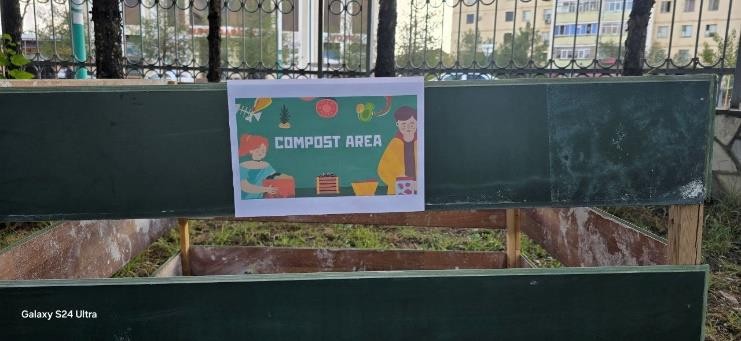
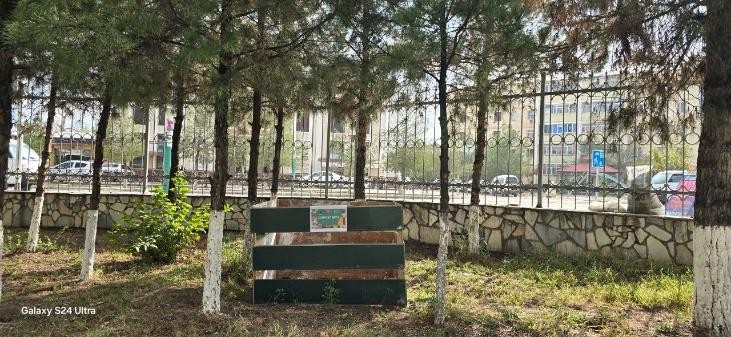
Navoi State University has established a dedicated composting area on campus to manage organic waste in an environmentally friendly way. This space is used to process food scraps, garden clippings, and other biodegradable materials collected from university facilities. The composting area is designed to ensure proper aeration and decomposition, resulting in nutrient-rich compost used for fertilizing campus gardens and green zones. Clear signage and regular monitoring ensure effective waste sorting and compost quality. The composting area also serves as a practical learning site for students studying environmental science and sustainability, reinforcing NSU’s commitment to green campus practices.
4. Food Waste Containers
At NSU, the implementation of food waste containers for organic waste treatment reflects a commitment to sustainability and environmental stewardship. These specially designed containers encourage the campus community to dispose of organic materials, such as food scraps and yard waste, in an eco-friendly manner. By diverting organic waste from landfills, NSU not only reduces greenhouse gas emissions but also supports composting initiatives that enrich soil and promote biodiversity. This initiative fosters awareness about the importance of waste reduction and recycling, making it easier for students and staff to contribute to a greener campus.
5. Startup name: “Mini-Compost Capsule” –
An Innovative Method for Solving Environmental Problems
Startup category in UI Greenmetric questionnaire (SI, EC, WS, WR, TR, ED): WR
Date establish: 20.6.2025
Income: 6,000 USD
Revenue: 25,000 USD
Employees:
Project Leader (1 person)
Environmental Engineer / Waste Management Specialist (1 person)
Laboratory Technician (1 person)
Production Team (2–3 people)
Field Worker / Technician (2 people)
Total Personnel: 8–10 people
Finance and Logistics Officer (1 person)
Manages the 300 million soum budget.
Handles purchasing, accounting, and material supply.
Public Relations / Awareness Coordinator (1–2 people)
Conducts environmental education workshops.
Promotes project outcomes among youth and community groups.
Description:
Aim:
The main aim of this project is to reduce household organic waste and transform it into a valuable eco-friendly product — natural compost. The “Mini-Compost Capsule” technology offers a sustainable and innovative approach to addressing soil and air pollution caused by food waste.
Scope:
This project targets household organic waste such as fruit, vegetable, and bread leftovers. It focuses on raising public awareness about environmental protection and promoting green lifestyles among youth and local communities. The project is applicable in urban and rural households, educational institutions, and community gardens.
Primary Product/Activity:
The primary activity is the production and use of mini-compost capsules — simple biodegradable containers filled with organic waste. These capsules are buried 30–50 cm underground, where natural decomposition takes place, turning waste into organic fertilizer within 1–3 months.
Key activities include:
Collecting and sorting organic waste.
Preparing compost capsules.
Burying capsules underground and maintaining moisture.
Harvesting natural compost for soil enrichment.
Project Area:
The project will be implemented in Navoi city, focusing on household sectors, schools, and local community gardens. Its long-term goal is to expand across the Navoi region to develop eco-awareness and contribute to environmental sustainability.
Inorganic Waste
1. Inorganic Waste Collection and Storage Program
At Navoi State University, students actively participate in the inorganic waste management program by sorting waste into four labeled containers for paper, plastic, metal, and glass. Collected waste is carefully stored in designated areas on campus. A portion of the waste is recycled internally for educational and practical use. The remaining materials are regularly transferred to local recycling companies through formal partnerships established by the university. This program promotes student involvement, proper waste separation, and supports the university’s goal of reducing environmental impact through organized and responsible inorganic waste treatment.
2. Spin-Off Paper and 3D Printers in Inorganic Waste Treatment
Navoi State University integrates innovative methods like spin-off paper reuse and 3D printing to manage inorganic waste effectively. Used one-sided paper is collected, cut, and repurposed into notepads and drafts, reducing the need for new materials and supporting a paper-saving culture. Additionally, plastic bottles and packaging waste are shredded and processed into filament for 3D printers, which are then used to create educational models and tools. These practices not only reduce landfill waste but also encourage creativity, sustainability, and hands-on learning, making inorganic waste a valuable resource rather than environmental burden.
3. Education and Engagement Programs for Inorganic Waste Treatment
Navoi State University conducts regular education and engagement programs to raise awareness about proper inorganic waste management. Through seminars, workshops, and awareness campaigns, students and staff are taught how to sort, reduce, and recycle materials like plastic, metal, glass, and paper. Student-led initiatives and eco-clubs organize clean-up drives, recycling competitions, and poster exhibitions to promote active involvement. Informational posters near waste bins help reinforce daily waste-sorting habits. These programs aim to build a culture of environmental responsibility, ensuring that the entire university community contributes to reducing inorganic waste and supporting a cleaner, greener campus.

4. Partnership with Local Companies for Glass and Metal Recycling
Navoi State University has established partnerships with local recycling companies to manage glass and metal waste effectively. Separated glass bottles, jars, and metal cans collected on campus are stored securely and handed over to partnered organizations for professional recycling. These companies ensure the materials are processed safely and reused in industrial production. This collaboration not only reduces the volume of inorganic waste on campus but also supports the regional recycling industry. Through such partnerships, NSU strengthens its commitment to environmental sustainability and promotes responsible waste treatment beyond the university grounds.
Toxic Waste
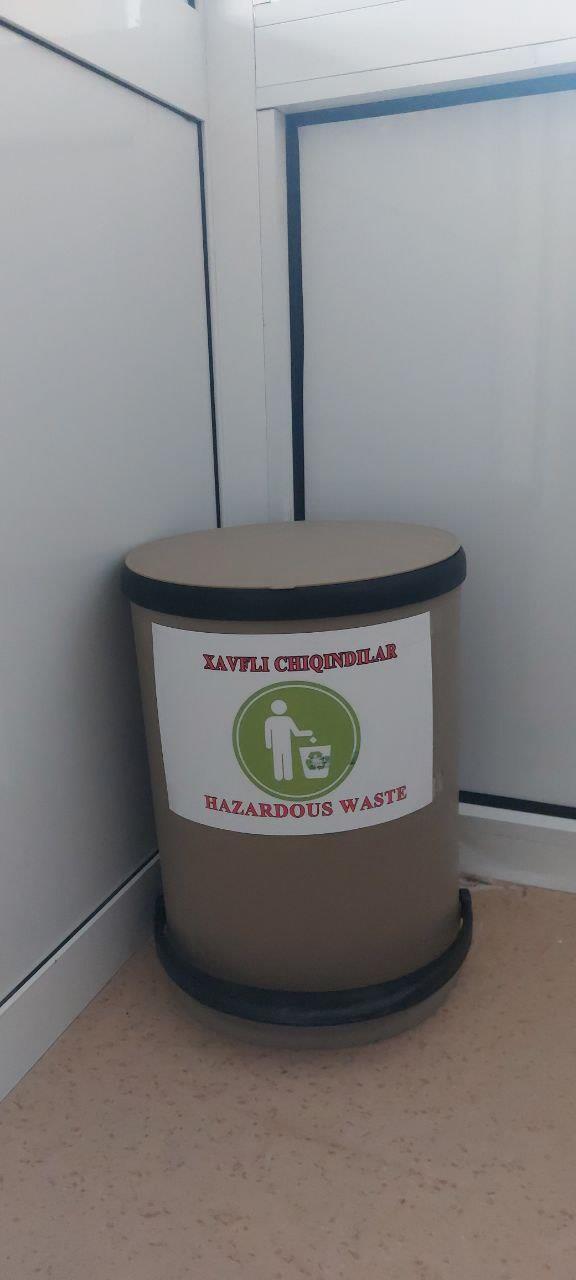
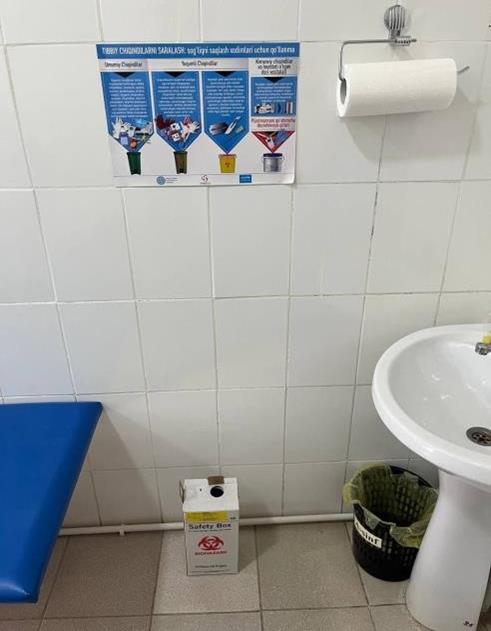
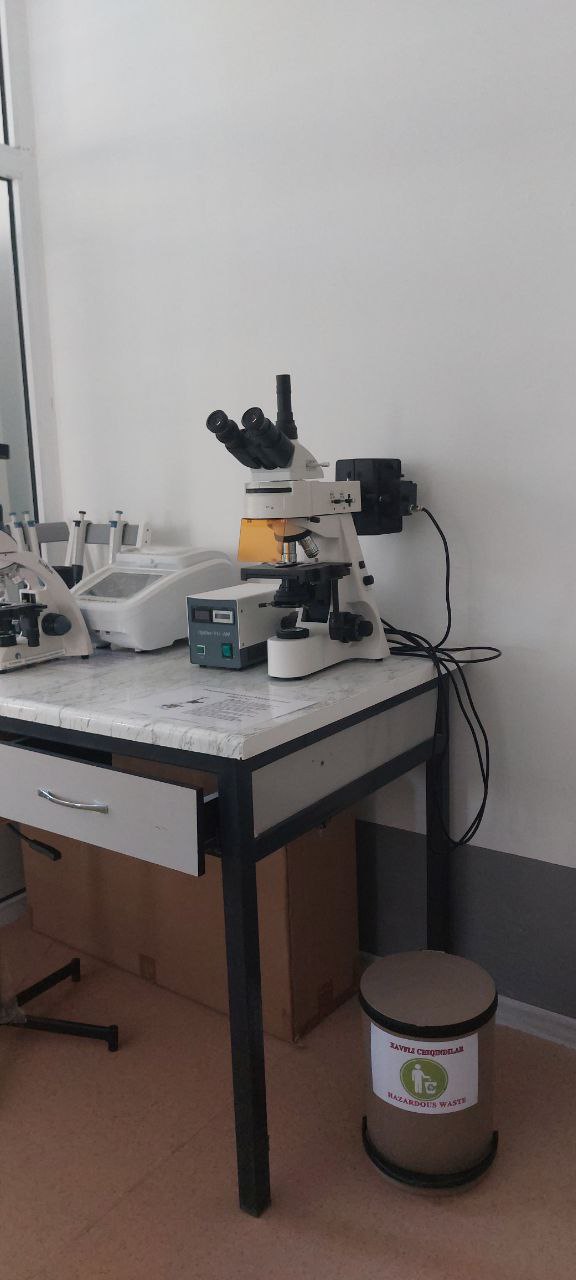
1. Waste Segregation and Special Boxes for Hazardous Waste at NSU
At Navoi State University (NSU), waste segregation is a core part of toxic waste management. The university uses clearly labeled containers to separate general, recyclable, and hazardous waste. For toxic materials—such as used batteries, expired chemicals, broken lab glassware, and electronic waste—special sealed and color-coded boxes are placed in laboratories, workshops, and tech rooms. These boxes ensure safe containment and prevent environmental or health risks. Collected hazardous waste is regularly handed over to certified external disposal services. This system strengthens NSU’s commitment to safety, sustainability, and responsible waste treatment on campus.
2. Partnership with Local Companies for Toxic Waste Treatment
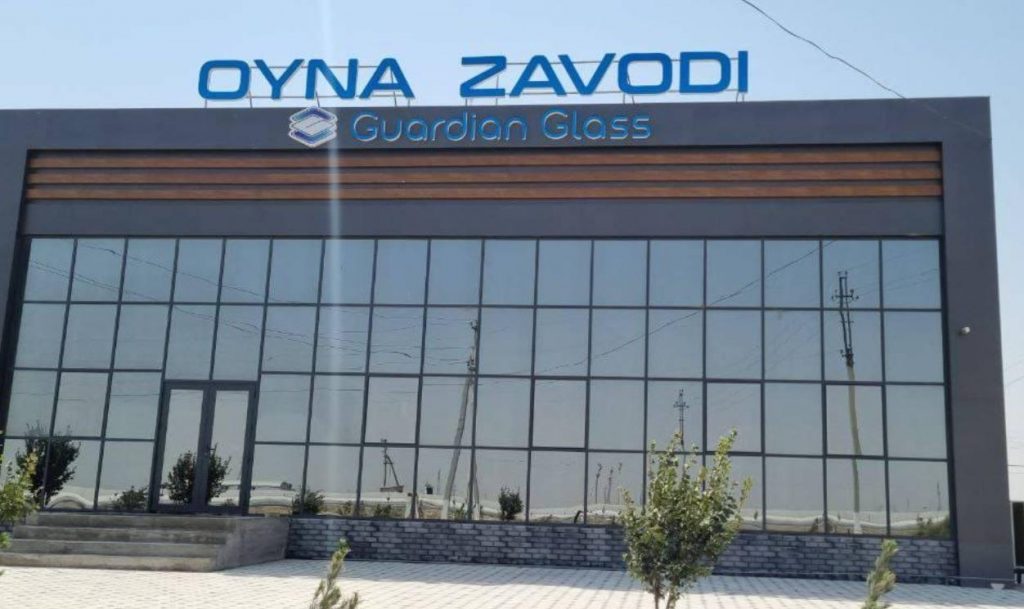
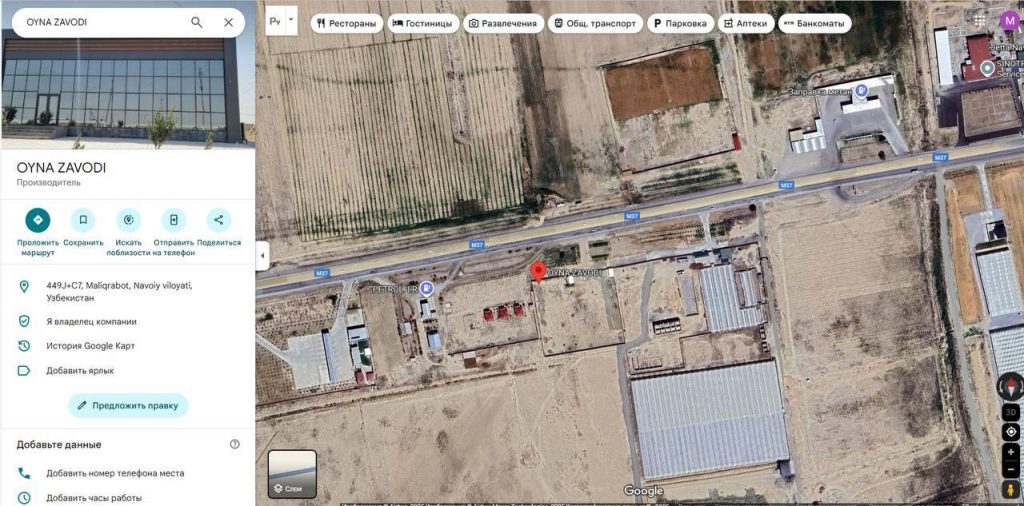
Navoi State University (NSU) ensures the safe management of toxic and hazardous waste by partnering with licensed and specialized disposal companies. These include “Utilizatsiya uz”, “Navoi Stimul”, “Zero Waste” and “Jizzah Akumulyator Zavodi”, which are responsible for the secure removal, recycling, and treatment of dangerous materials.
3. Reducing Programs for Toxic Waste Treatment at NSU
Navoi State University actively implements several targeted programs to reduce the generation of toxic waste across its campus:
Micro-Scale Laboratory Practices – Science faculties now adopt micro-scale experiments, significantly reducing the amount of hazardous chemicals used in practical sessions while maintaining educational quality.
Safe and Proper Storage – Toxic substances such as solvents, acids, and expired chemicals are securely stored in sealed, labeled containers within ventilated and restricted-access areas to avoid leaks or accidents.
Promotion of Non-Toxic Materials – Academic and maintenance departments are encouraged to switch to non-toxic or low-risk alternatives, such as eco-friendly cleaning agents and educational models.
Electronic Waste Collection – Clearly marked e-waste bins have been installed in labs and tech rooms to collect outdated gadgets and batteries, which are later transferred to certified recycling partners.