1. Awareness and Education
At Navoi State University, awareness and education programs on water conservation play a vital role in promoting sustainable practices. Workshops, seminars, and student-led eco-clubs can raise understanding of water-saving methods, while curriculum integration ensures long-term learning. Awareness campaigns through posters, social media, and exhibitions on World Water Day encourage participation. Practical demonstrations such as rainwater harvesting models and real-time water usage displays help students connect theory with practice. Recognition programs like “Green Champion Awards” motivate departments and dormitories to reduce consumption. These initiatives not only save water on campus but also inspire students to apply conservation in daily life.
2. Smart Water Metering
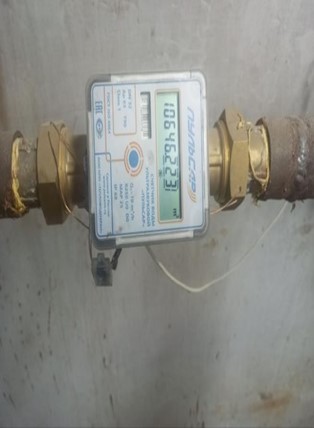
Smart water metering is an effective solution for controlling and reducing water usage on campus. By providing real-time data on consumption in dormitories, laboratories, and other facilities, it helps quickly detect leaks, prevent overuse, and promote responsible water habits among students and staff. At Navoi State University, installing smart meters would not only support accurate monitoring but also encourage accountability, reduce utility costs, and strengthen the overall water conservation program by making management more efficient and sustainable.
3. Drought-resistant trees on campus
Planting drought-resistant trees on campus is an effective strategy for supporting water conservation at Navoi State University. These tree species require minimal watering once established, making them ideal for the region’s climate while still providing shade, improving air quality, and enhancing the landscape. By reducing the need for frequent irrigation, drought-resistant trees help lower overall water consumption and cut maintenance costs. In addition, they can serve as a living example of climate-resilient landscaping, teaching students the importance of sustainable planting practices. Incorporating such trees into NSU’s green spaces would strengthen the university’s long-term environmental conservation efforts.
4. Splinker Irrigation
Sprinkler irrigation is a useful method for efficiently watering large green spaces such as lawns, gardens, and sports fields on campus. By distributing water evenly through a system of sprinklers, it reduces runoff and ensures that plants receive adequate moisture without overwatering. At Navoi State University, adopting modern sprinkler systems with timers or moisture sensors would further improve efficiency by supplying water only when needed. This approach conserves water, saves labor, and maintains healthy campus landscapes. When combined with awareness programs, sprinkler irrigation can be an important part of NSU’s broader water conservation strategy.
5. Drip Irrigation
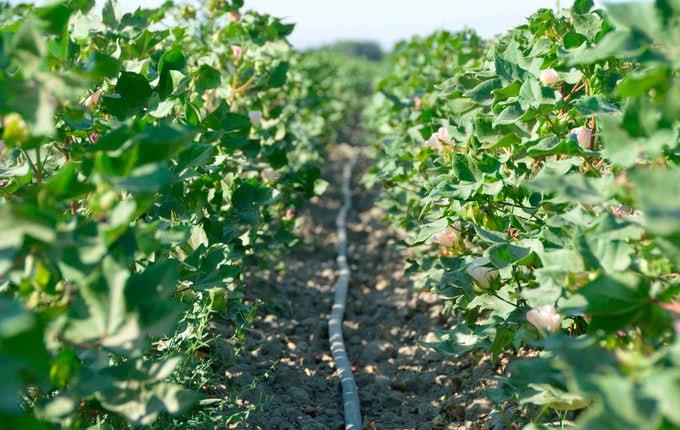
The drip irrigation system at Navoi State University can play a vital role in conserving water while maintaining healthy green spaces across the campus. This system delivers water directly to the roots of plants through pipes and emitters, reducing evaporation and runoff compared to traditional irrigation methods. By using water more efficiently, drip irrigation minimizes waste, lowers utility costs, and ensures that gardens and landscaped areas remain well-nourished even during dry periods. Implementing drip irrigation at NSU would not only support sustainability goals but also serve as a practical model of modern water management for students and staff.
6. Water treatment pumps
At Navoi State University (NSU), water treatment pumps have been installed as part of the university’s recycling and environmental sustainability programs. These advanced systems help purify and reuse wastewater generated from laboratories, dormitories, and other facilities. By filtering and treating used water, the university significantly reduces water wastage and minimizes its environmental impact. The treated water is safely reused for irrigation, cleaning, and technical purposes around the campus. This initiative demonstrates NSU’s commitment to sustainable resource management, promoting eco-friendly practices and efficient water recycling as part of its long-term goal to build a green and environmentally responsible university.
7. On-campus rainwater collection and treatment system
Navoi State University has introduced a rainwater harvesting system as part of its water conservation measures. Reservoirs are positioned across the campus to collect runoff from rooftops, sidewalks, and other surfaces. The gathered water is then directed to an automatic purification system, which filters out dust, organic particles, and other impurities. Once cleaned, the water is reused for practical purposes such as irrigating gardens and green areas within the university grounds, as well as meeting sanitary needs in campus buildings, including toilet flushing. This approach reduces dependence on treated water and supports sustainable resource management.
8. Low-Flow and Automatic Taps
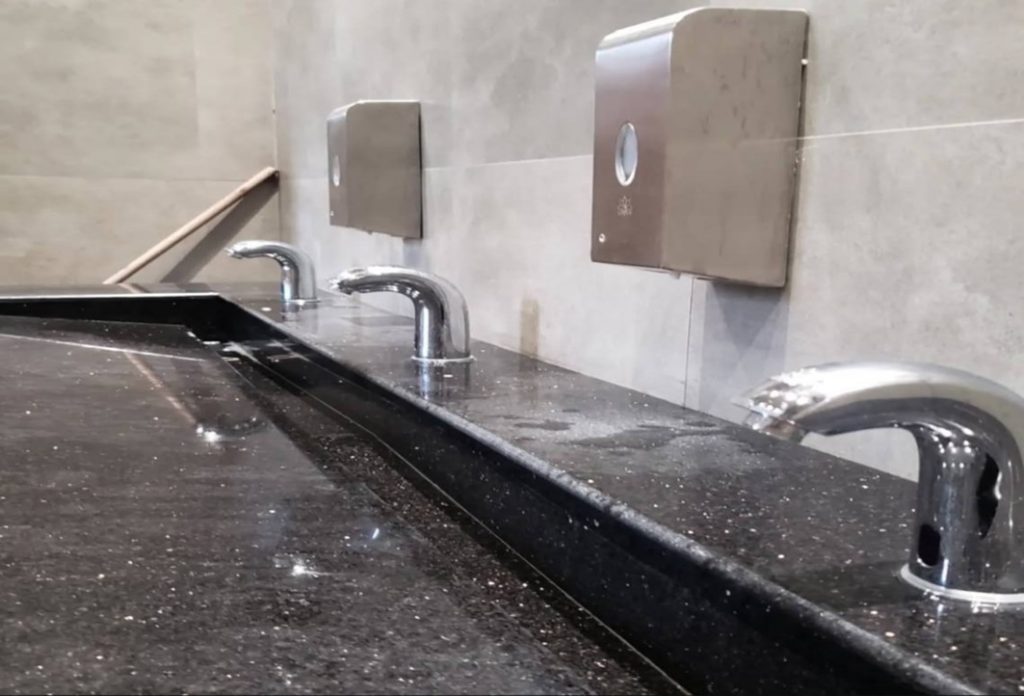
Low-flow and automatic taps are effective tools for reducing water wastage in public spaces such as universities. Low-flow taps are designed to limit water discharge without reducing efficiency, cutting water use by up to 50%. They are especially useful in student dormitories, laboratories, and washrooms where taps are frequently used.
Automatic taps (sensor-based) operate only when hands are detected, preventing water from running unnecessarily. These taps are also more hygienic, reducing touchpoints and the spread of germs.
Installing both systems at Navoi State University would save significant water annually, lower utility costs, and promote sustainable campus operations.