University Library and Labs
Open Digital Platforms
1. Digital library catalogues
This IRC fully catalogues the collection, including books, journals, dissertations, and other materials, facilitating efficient search and tracking of books’ location and availability. Each user (students, professors, etc.) is registered in the system, allowing monitoring of books borrowed and return deadlines. Electronic catalogues and search tools provide quick access based on author, title, topic, or keywords. Automated reports on circulation statistics and user activity are generated. Users can view and download electronic books in PDF, DOC, and other formats. The IRC includes security and access control via an admin panel, which also sets usage policies. Currently, 3,786 items are available through the automated system. Navoi State University IRC staff have uploaded 6,389 study materials, 225 articles, 906 dissertations and abstracts, and 1,906 monographs to the Unilibrary.uz platform. The IRC currently includes the Scientific-Methodological and Information Department, Literature Processing and Cataloguing Department, Electronic Information Resources Department, Library Services Department, and Foreign Information Resources Department, staffed by 40 employees providing services to users.

2. In addition, the university actively uses the Hemis digital system for educational materials, ensuring transparent academic management and continued access to digital content. The IRC also offers over 300 audiobooks, hearing-aid devices, NVDA software, and special reading spaces for users with physical disabilities, guaranteeing inclusiveness and equal opportunities for all members of society.
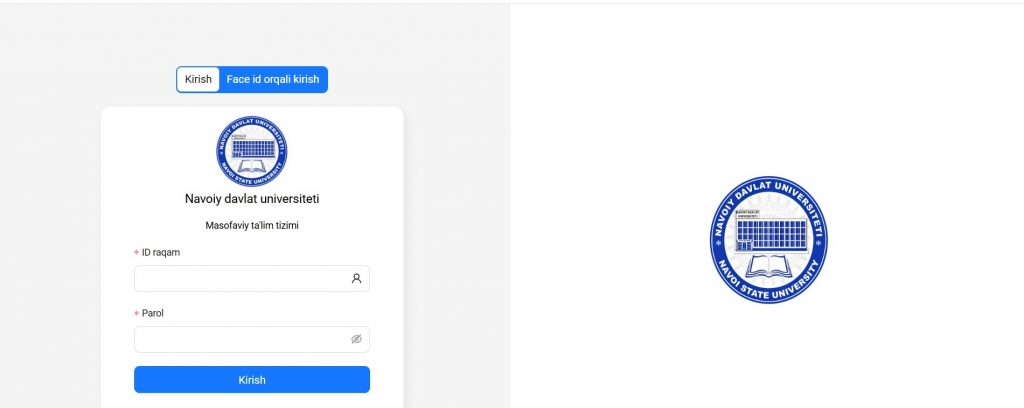
3. Distance Learning Platform of Navoiy State University plays a vital role in promoting SDG 4 – Quality Education by ensuring equal access to learning opportunities through digital technologies. As the university’s official Learning Management System (LMS), it enables students and instructors to engage in remote and blended learning, access course materials, participate in online discussions, and submit assignments from any location. The platform supports inclusive and continuous education by bridging geographical and social barriers, particularly for students in remote areas. It also strengthens digital literacy, self-directed learning, and lifelong education, which are essential skills in today’s knowledge-based society. Furthermore, the LMS contributes to educational quality by allowing instructors to monitor progress, provide timely feedback, and maintain communication with learners. Through this system, Navoiy State University advances the national goal of integrating modern technologies into higher education and aligns its academic environment with global standards of accessible, equitable, and high-quality education.
In addition, users can access and download electronic books in PDF, DOC, and other formats. Currently, 3,786 publications have been integrated into the AKBT. The university has also uploaded 6,389 educational materials, 225 articles, 906 dissertations and abstracts, and 1,906 monographs to the unilibrary.uz platform.
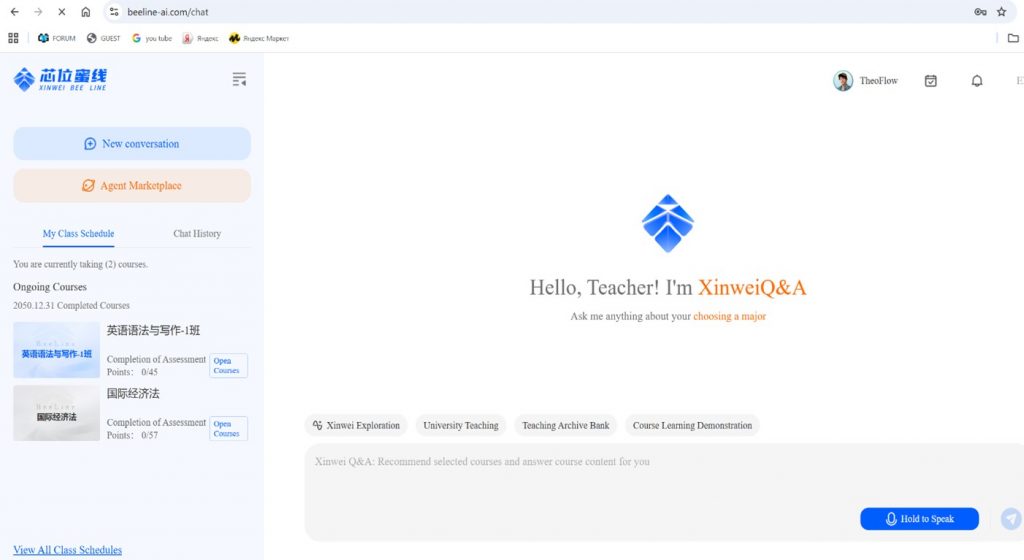
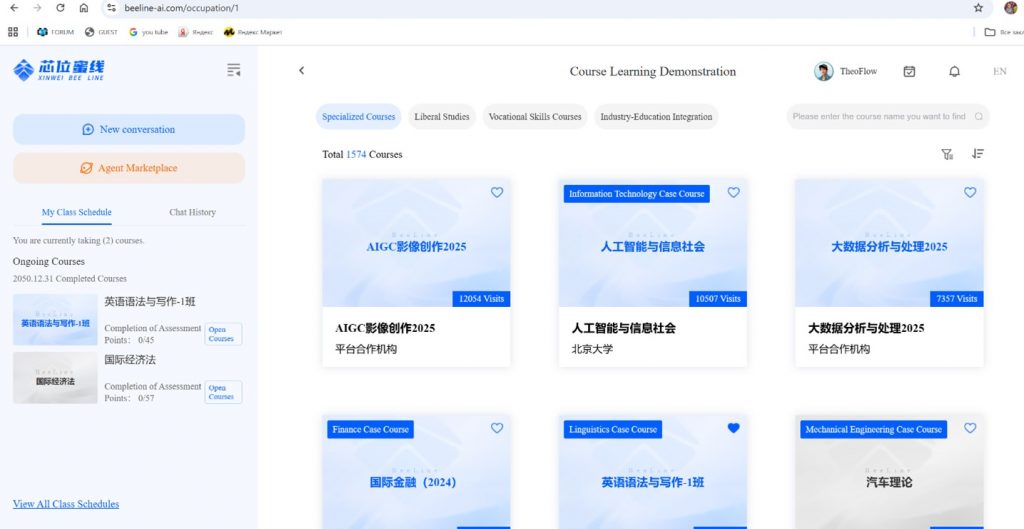
4. Xinwei Education
Recently, Navoi State University has also started operating Xinwei Education, a digital and intelligent operation platform for global higher education. As a service carrier connecting industry-education integration and a hub for the “Three Campuses” concept developed by Geely, Xinwei Education supports the transformation of the educational ecosystem in the era of artificial intelligence (AI).
Through these comprehensive IT services, Navoi State University fosters a modern, innovative, and accessible academic environment, strengthening the quality of education and research while enhancing digital literacy and global engagement.
5. As part of its commitment to SDG 4 – Quality Education, Navoi State University actively supports academic publishing and open-access research dissemination through several scientific journals. The journal “Linguistics of the 21st Century: Analysis and Interpretation” (included in the list of the Higher Attestation Commission (HAC/OAK)) has been published since 2022. It focuses on philology, linguistics, literary studies, translation studies, and speech culture. The editor-in-chief is Professor Nigora Kulliyevna Murodova, Doctor of Philological Sciences. The journal is published four times a year and distributed through the ScienceJournals.uz platform. In 2025, one issue was released online, while the second and third issues were prepared but not uploaded due to technical errors. As an open-access journal, its main aim is to analyze current trends in modern linguistics, promote scientific innovation, and strengthen academic cooperation.
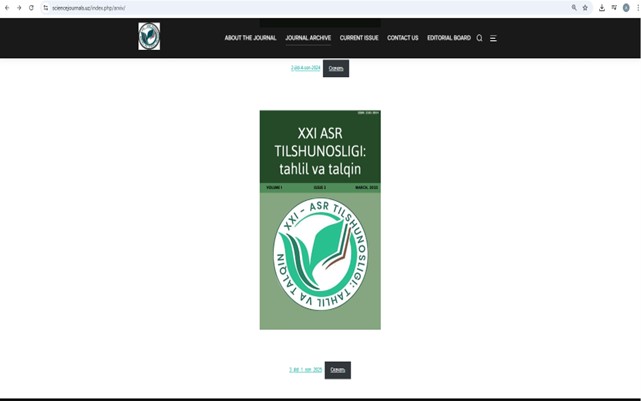
«Electronic Education» is a peer-reviewed scientific and methodological electronic journal that publishes research results in the following scientific areas:
Main specialty: 13.00.00 Pedagogical sciences (13.00.01; 13.00.02; 13.00.03; 13.00.04; 13.00.05; 13.00.06; 13.00.07; 13.00.08).
The purpose of the journal is to present the results of fundamental and applied research in the field of pedagogical sciences, study the problems of all levels and types of education in the Republic of Uzbekistan, the practice of developing education in the countries of far and near abroad.
Another academic outlet, “Pedagogy and Psychology in Modern Education”, launched in 2023, is dedicated to pedagogy, psychology, teaching methodology, learner development, and modern educational technologies. Published electronically in Uzbek and Russian, it seeks to enhance scientific approaches in education, apply pedagogical innovations in practice, and support the research activities of young scholars. The journal’s website is temporarily inactive due to technical issues.
The university also issues the electronic journal “Bulletin of Navoi State University”, established in March 2025. Its purpose is to regularly publish and disseminate the scientific results of university researchers, doctoral students, and academic staff in the humanities, socio-economic, natural, and pedagogical fields. Although two issues were not published in 2025 due to technical difficulties, the journal remains an important platform for sharing research outcomes.
Short Courses
1. Lifelong Learning Opportunities for All
Navoi State University actively promotes lifelong learning through a variety of short-term educational programs that are open to both university students and the wider community.
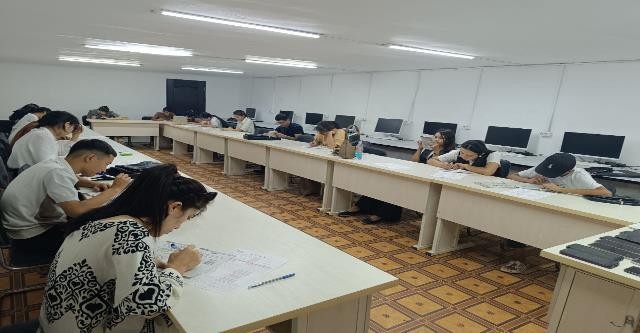
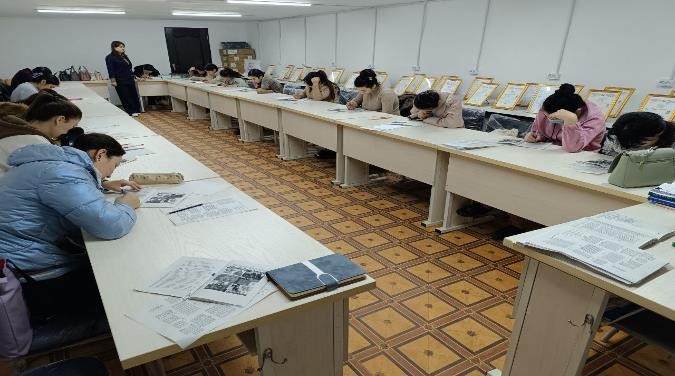
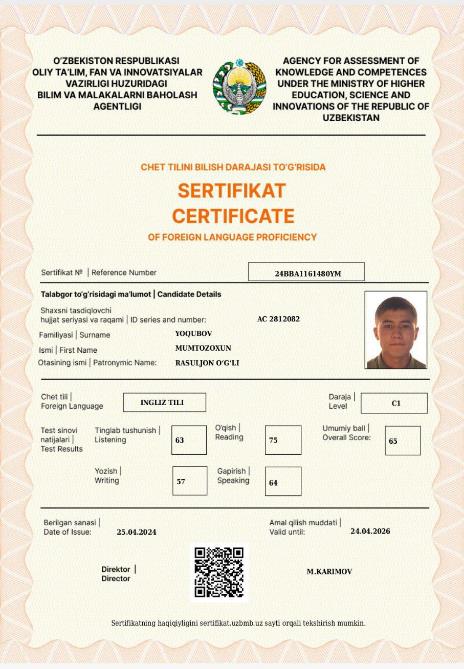
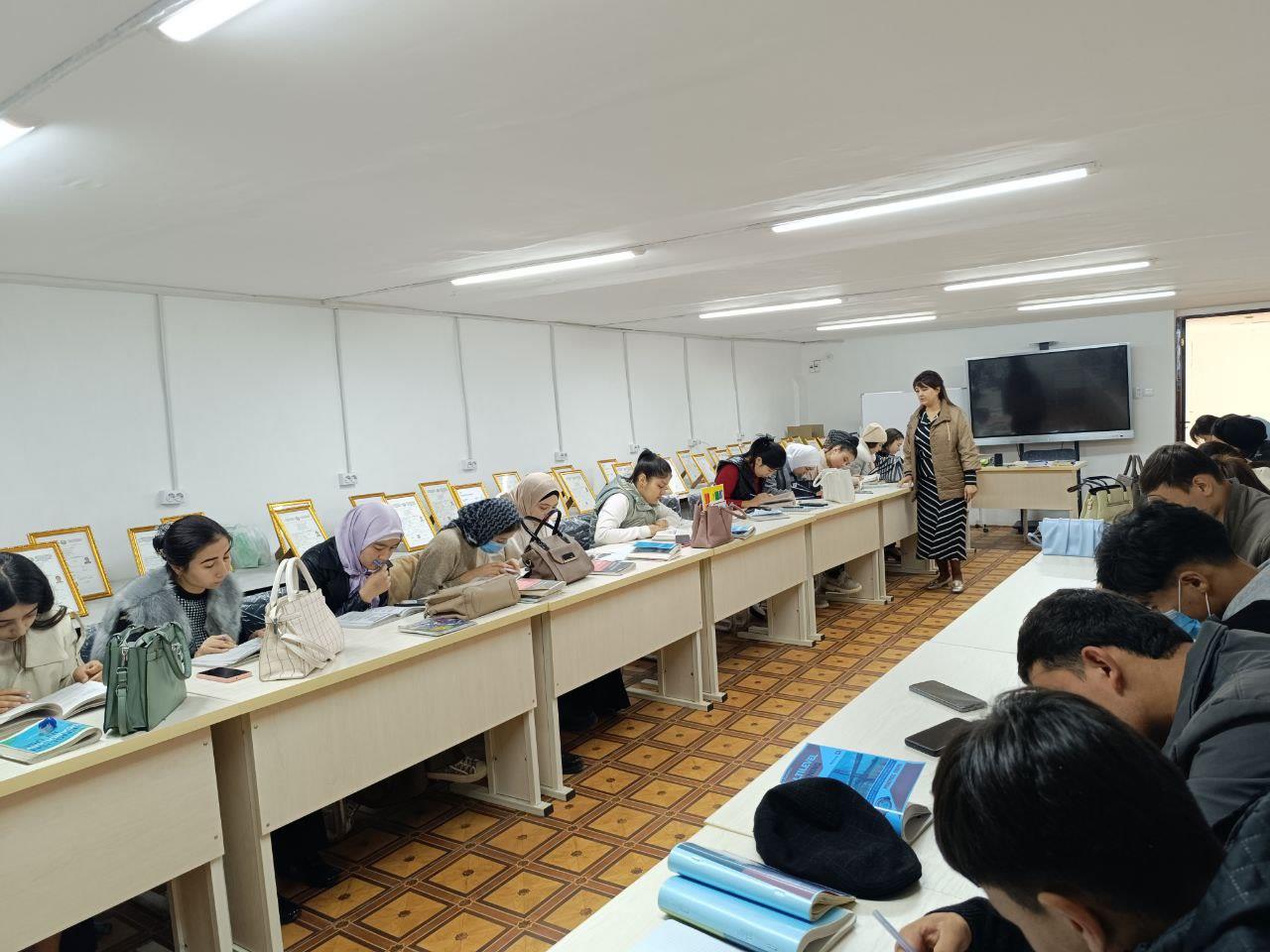
One such initiative is the English Academy Course, organized by the Faculty of English Language and Literature. The course aims to enhance communicative competence and academic language skills in accordance with international and national standards. Training focuses on developing listening, speaking, reading, and writing abilities through interactive and practice-oriented sessions.
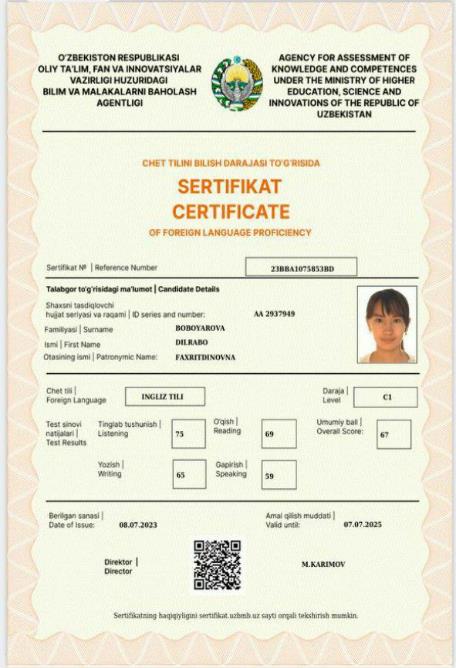
The program welcomes not only current Navoi State University students but also prospective applicants and community members who wish to improve their English proficiency for academic, professional, or personal growth. Most learners successfully achieve B2 and C1 levels of proficiency upon completion of the program. Graduates are awarded a nationally recognized certificate accredited by the Republic of Uzbekistan.
Course Length: 3 or 6 months
Weekly Hours: 6 hours (lectures and practical sessions)
Mode of Study: Offline
Capacity: 15–20 participants per group
Instructor: Gapparova M.T.
This initiative supports the university’s mission to expand equitable access to quality education and promote lifelong learning opportunities for all segments of society.
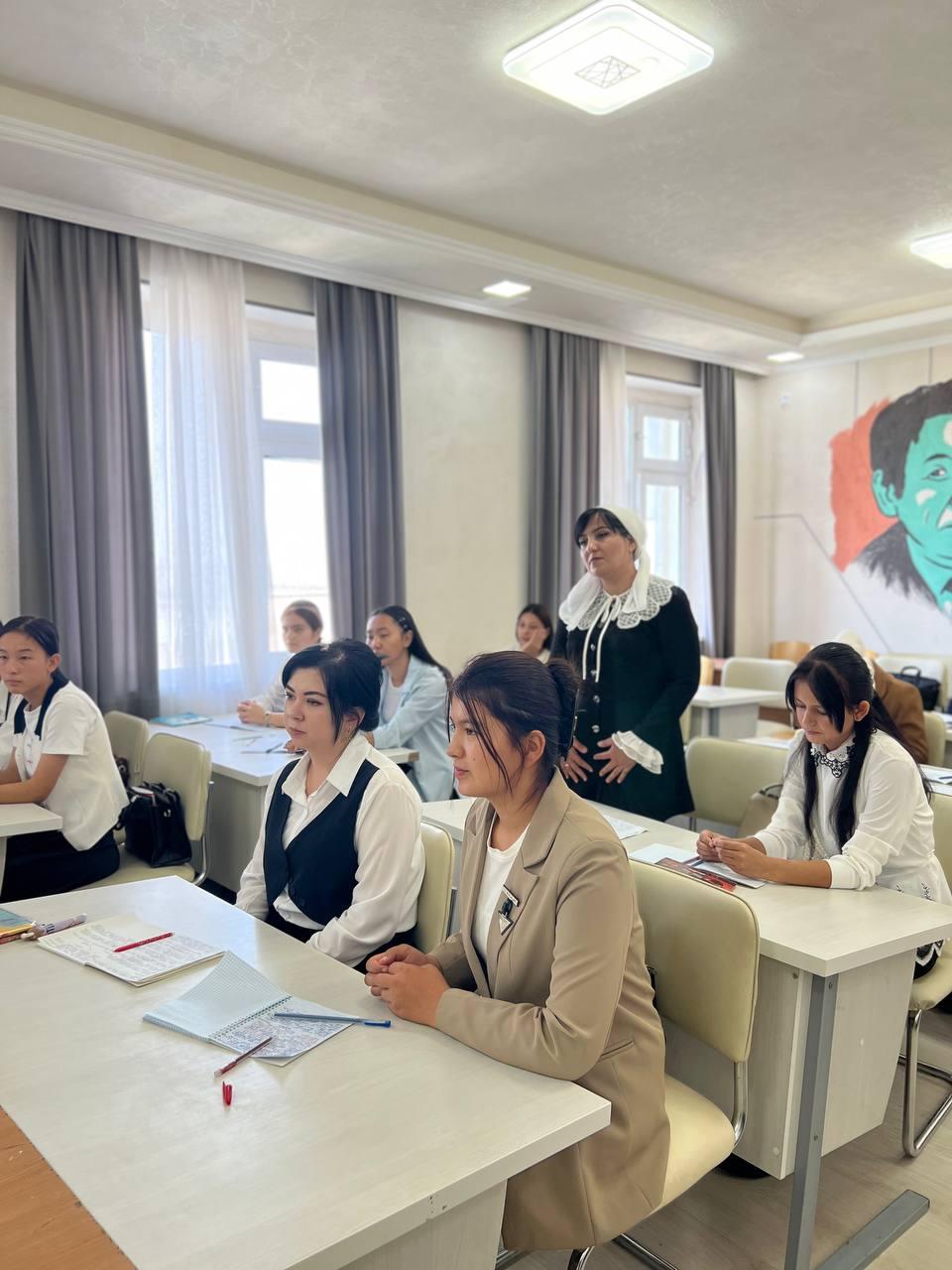
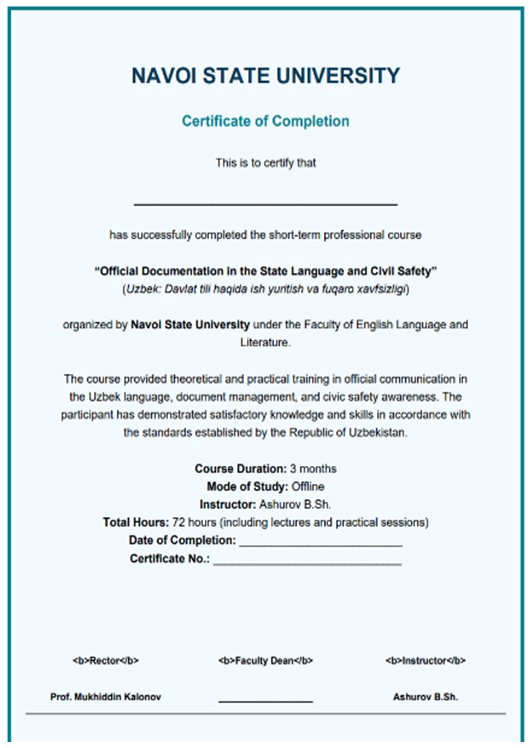
2. Short-Term Course: Official Documentation in the State Language and Civil Safety
Course Description
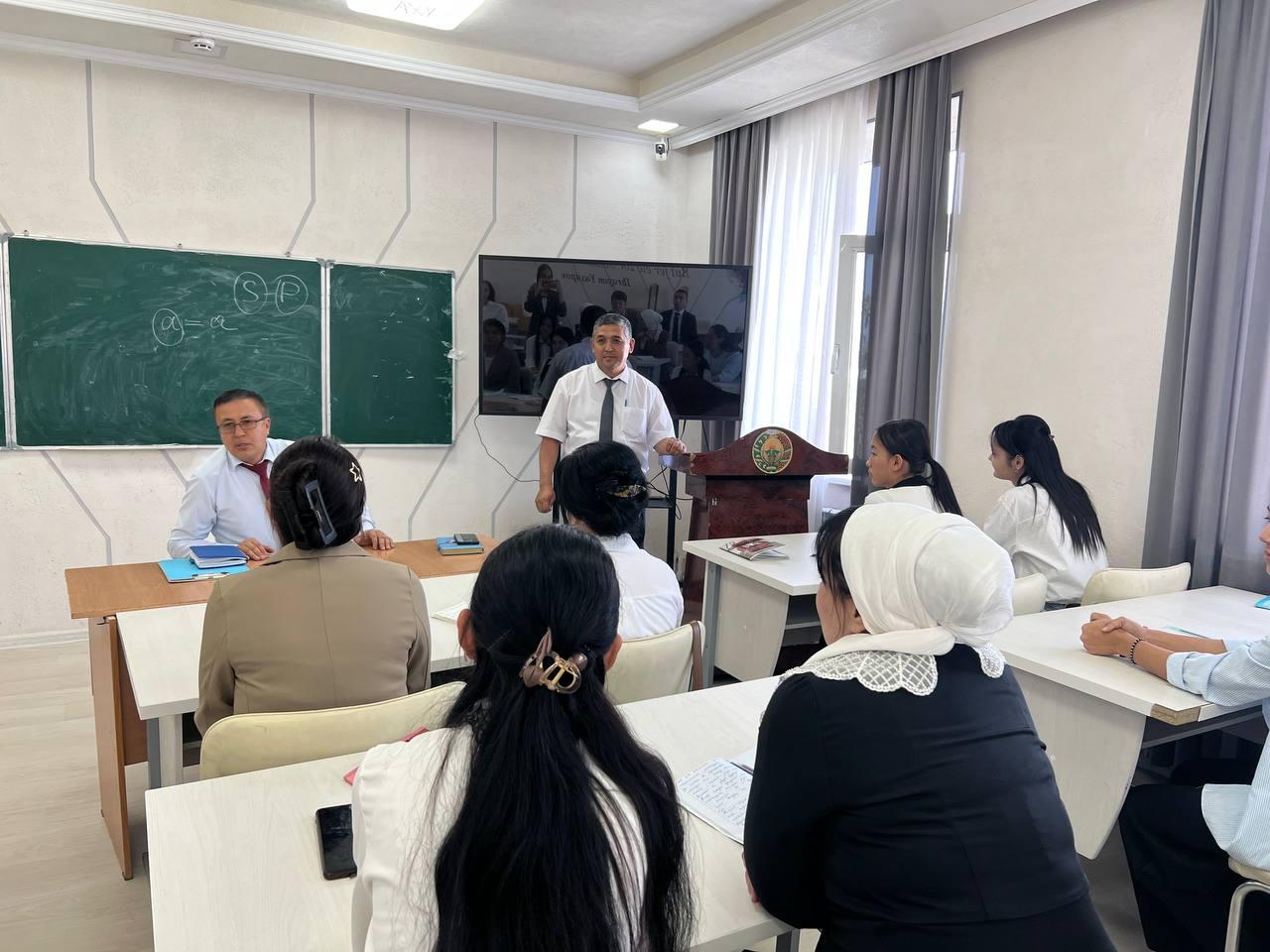
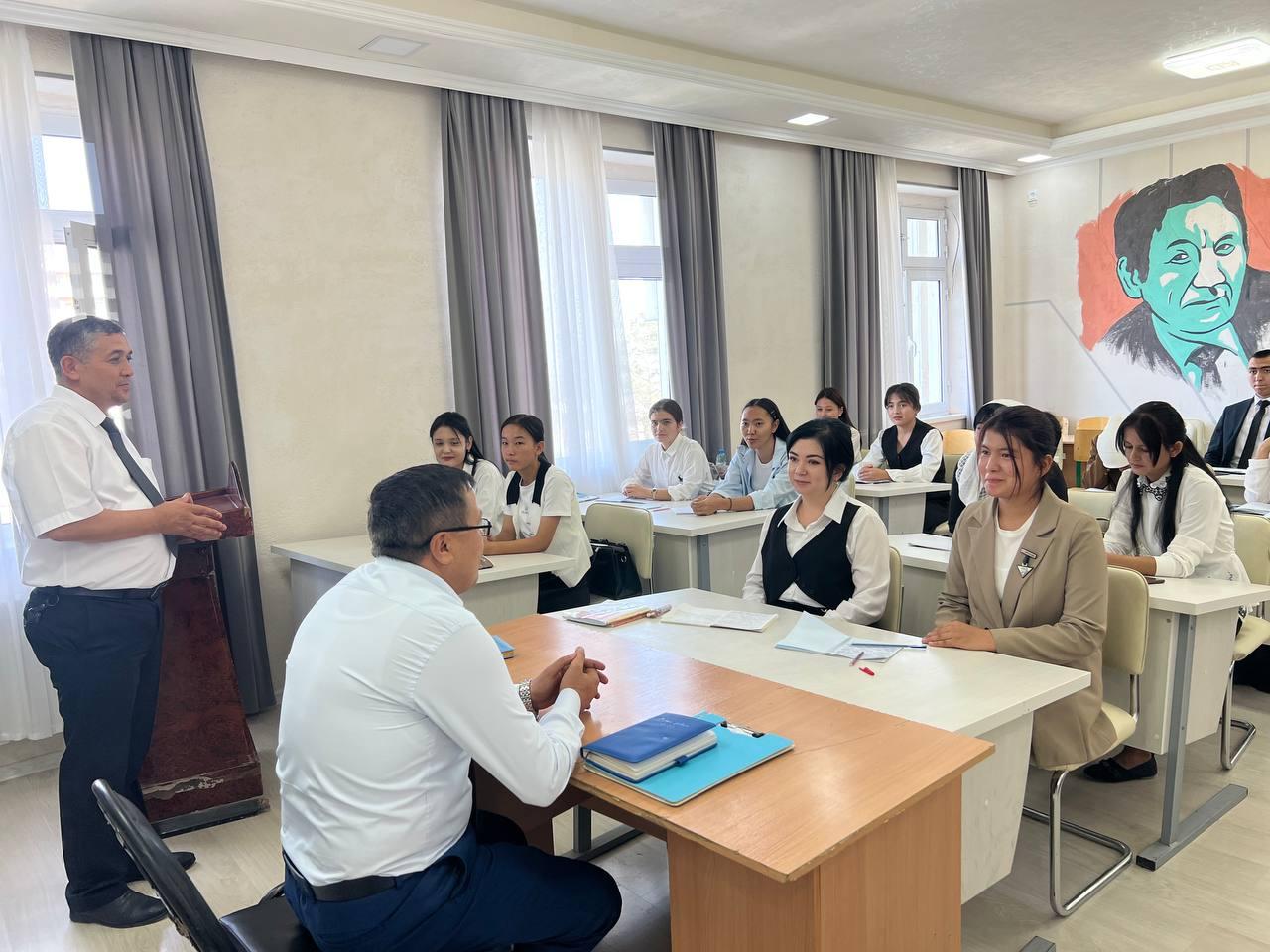
This short-term professional course is designed to improve participants’ proficiency in official communication in the Uzbek language and their understanding of civil safety and emergency preparedness. The program focuses on correct and professional use of the State language in document management, report writing, and administrative correspondence, while also developing awareness of legal and safety responsibilities in professional and public settings.
The training combines lectures and practical workshops on official writing standards, documentation procedures, and civil defense regulations. Participants will learn to prepare formal documents in compliance with national standards and gain practical knowledge about personal and community safety.
The course is open to Navoi State University students, staff, and members of the local community who seek to strengthen their administrative and civic competencies. Upon successful completion, learners receive a certificate issued in accordance with the standards of the Republic of Uzbekistan.
Course Details:
· Course Length: 3 months
· Weekly Hours: 6 hours (lectures and practical sessions)
· Mode of Study: Offline
· Capacity: 20–25 participants per group
· Practical Classes: 2 hours per week
· Instructor: Ashurov B.Sh
· Expected Outcomes:
– Ability to prepare official documents in the State language correctly and professionally
– Knowledge of civil safety principles and emergency response procedures
– Certificate recognized by the Republic of Uzbekistan
Student Clubs
Navoi State University also promotes lifelong learning and community engagement through a variety of open intellectual, cultural, creative, and sports clubs, where both students and local youth participate free of charge. These include the Zakovat Club, Mushoira Poetry Club, Zukko Kitobxonlar Reading Club, IT circles, debate clubs, and sports sections such as football, volleyball, basketball, and chess.
1. The “Zakovat” intellectual club was established at the university for the students and youth of the Navoi State University and the youth of the neighborhood, and it operates continuously on Mondays. To date, 500 university students and 85 community youth have participated.
2. At the same time, the “Mushoira club” is operating in the university in order to further develop fiction literature in our country, which includes the youth of the neighborhood. Currently, a total of 50 young people are constantly participating in the “Mushoira club”.
3. In order to make the students of Navoi State University and the youth of the neighborhood more interested in reading books, every Friday of the week “Zukko Kitabkhonlar” club was launched. In this club, two works are given for a week, and after a week, teams composed of university and neighborhood youth compete with each other. At present, 40 young people who are not studying at the university are regularly participating in the “Smart Readers” club.
4. In order to further strengthen the healthy lifestyle among young people and to train young people in sports, mini-football, basketball, volleyball, chess-checkers sports clubs have been organized twice a week, and the youth of the neighborhood are constantly participating in these clubs.
5. Navoi State University has organized a “Discussion club” in order to meaningfully spend free time of students. The purpose of organizing the debate club is to educate the young generation growing up in our country who are excellent and independent thinkers in all aspects, who have a firm life position, to develop in them the skills of systematic analysis, logical thinking and skillful discussion, to form a patriotic and active citizenship position in students, to be able to approach the problem comprehensively, to justify and clearly state their opinions, and to help them in forming their skills. giving and correct guidance, developing initiative, organization, eloquence, leadership qualities in students, respectful acceptance of other people’s opinions, and teaching the ethics of public speaking.
6. Taking into account the interests of young people, “Computer literate” clubs were organized at the university. More than 60 young people are improving their knowledge in these circles. Promotion of digital literacy among young people and widespread involvement in computer programming and IT continues.
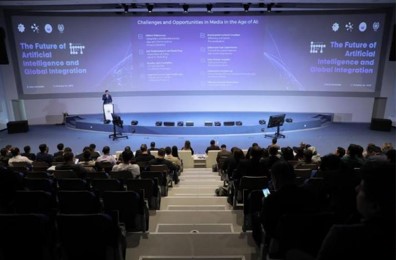
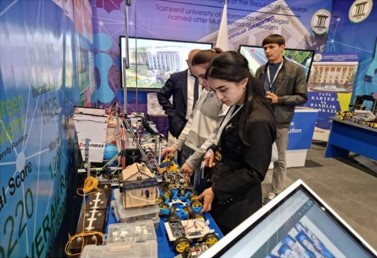
7. On the initiative of the Council of the Primary Organization of the Youth Union of Navoi State University, in order to interest the youth of the university in sports, the sports club “Street Workout” was organized for the student youth. Each member of the club actively participates in competitions. In addition to non-organized youth, pupils and students of higher education and vocational education institutions also took part in the competition.
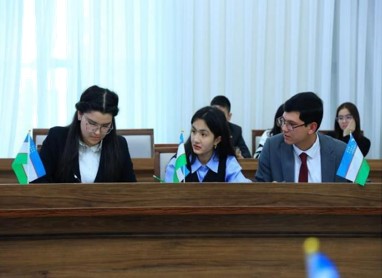
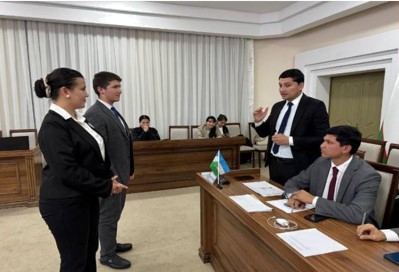
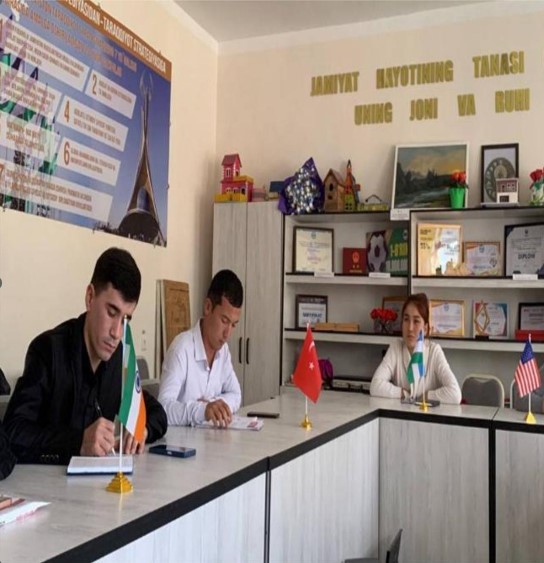
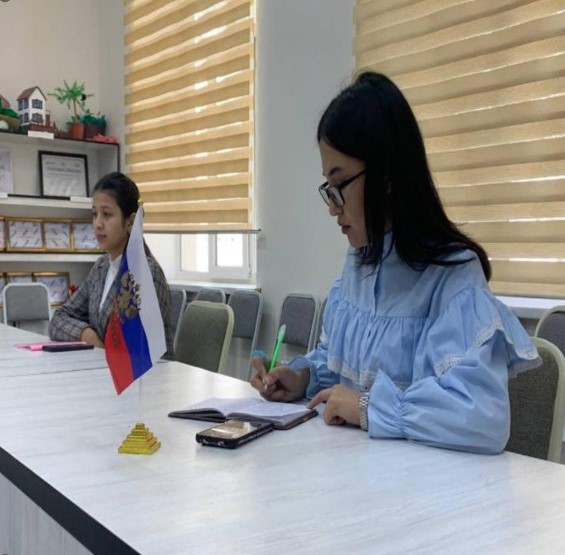
8. The Council of the Primary Organization of the Youth Union of Navoi State University and the members of the U-Report team organized the project of the United Nations Model – Human Rights Council. In addition to non-organized youth, pupils and students of higher education and vocational education institutions also took part in the competition. The project was conducted in order to develop students’ political literacy and public speaking skills. These conferences include those that welcome students from elementary school to college or university level. The conference teaches participants skills such as research, public speaking, debate, writing, critical thinking, teamwork, and leadership.
9. Painting and graphics are difficult to separate from each other, because every artist creates in both of them, the evaluation of the work of the artist depends only on the leadership of one of them. At the same time, in order to bring together young people who are interested in painting, the “Young Artist” circle was established at the University.
10. “Table tennis” sports club was organized at Navoi State University. More than 80 students and young people actively participate in this club, which was organized in order to involve young people in sports in their spare time. Table tennis is played with a racket sport Among the types of table tennis, it is unique compared to other sports, because in this sport, players play in several styles of play, and therefore the sport of table tennis is unique in that it is versatile. As the level of play of athletes increases, the diversity of their playing styles becomes less and less, which is why technically weaker styles of players disappear quickly during the game, but even in the biggest international table tennis matches, many different playing styles can be discovered.
11. At Navoi State University, the project titled “The First Step to Women’s Business” was launched to empower female students and encourage their active participation in entrepreneurship. Through this initiative, students gain practical knowledge about starting and managing a business, developing innovative ideas, and attracting investments. The program provides workshops, mentorship, and networking opportunities with successful entrepreneurs and investors. It aims to build confidence, creativity, and leadership skills among young women. By promoting women’s entrepreneurship, NSU contributes to the growth of future business leaders and supports gender equality in economic and social development across the region.

12. Navoi State University provides a dedicated psychological support service aimed at promoting the mental health and emotional well-being of students, faculty, and staff. The service is completely free of charge and accessible to all members of the university community. Professional psychologists offer individual and group counseling sessions, stress management workshops, and personal development programs. All consultations are conducted in a confidential and supportive environment, ensuring that personal experiences and information are kept strictly private. Through these initiatives, NSU demonstrates its strong commitment to student welfare, emotional balance, and a healthy campus atmosphere conducive to academic success.
13. At Navoi State University, the “Library Lovers” club was established to cultivate a deep appreciation for reading, research, and lifelong learning among students and staff. This initiative brings together passionate readers who regularly participate in book discussions, reading challenges, and literary events organized by the university library. The club promotes a culture of knowledge sharing and encourages students to explore both academic and fictional works beyond their coursework. Open to all members of the NSU community, “Library Lovers” serves as a creative and intellectual space that inspires curiosity, critical thinking, and a love for books in every participant.
14. At Navoi State University, the Painting and Drawing Art Service has been established for many years, providing a creative platform for talented students to express themselves through art. This program welcomes not only NSU students but also participants from around the world who are passionate about painting, sketching, and visual creativity. The artworks, including drawings and sketches, are regularly monitored and evaluated online, with the best works being recognized and rewarded. The art center is open to anyone interested in painting, offering access to materials, guidance, and a vibrant artistic environment. This initiative promotes cultural exchange, creativity, and artistic development among young learners.
15. At Navoi State University, the “Embroidery and Weaving” service is a creative initiative organized by talented students of the institute. This activity focuses mainly on traditional manual work, where students produce beautifully handcrafted items such as embroidered fabrics, decorative textiles, and woven accessories. Regular exhibitions are held to showcase their artwork, attracting visitors and buyers from within and outside the university community. Many of these handmade products are sold at a high value, reflecting both their artistic quality and cultural significance. This service provides students with practical skills, income opportunities, and a platform to preserve Uzbekistan’s rich cultural heritage