Navoi State University (NSU) maintains a moderate but consistent involvement in cross-sectoral dialogue related to the Sustainable Development Goals (SDGs). While the university is not the main national coordinator, it regularly collaborates with government offices, local authorities, NGOs, and community organizations on sustainability-focused discussions and events. NSU participates in and sometimes hosts seminars, round-table meetings, training sessions, and small conferences where different stakeholders come together to exchange ideas and explore practical solutions for regional SDG challenges. Through these activities, the university contributes its academic expertise, supports information sharing, and helps strengthen cooperation between the education sector and other institutions working toward the Sustainable Development Goals.
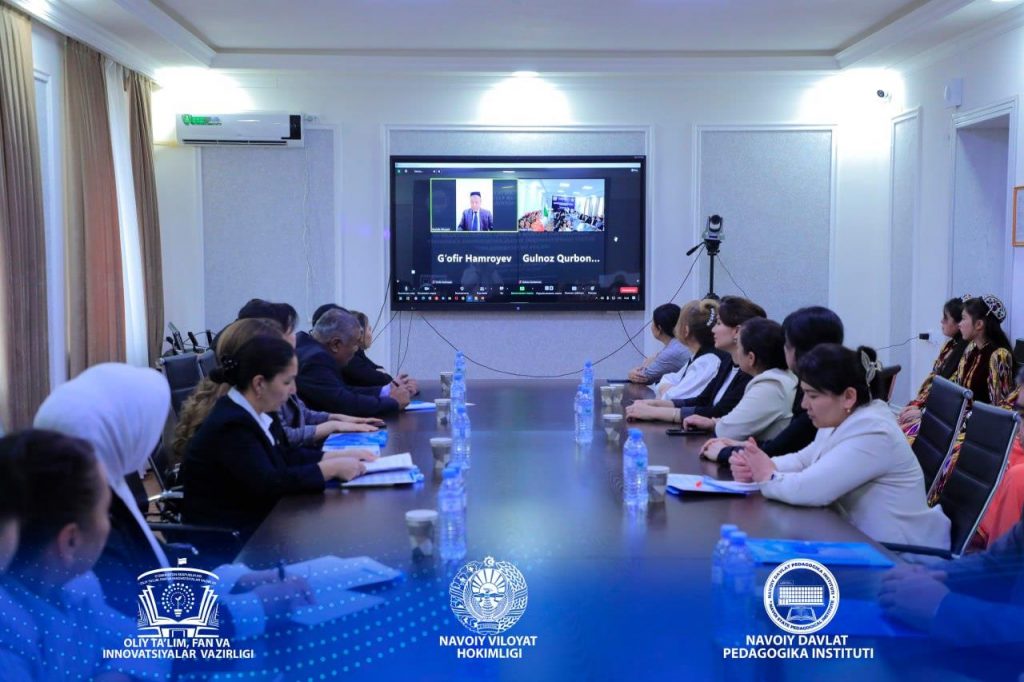
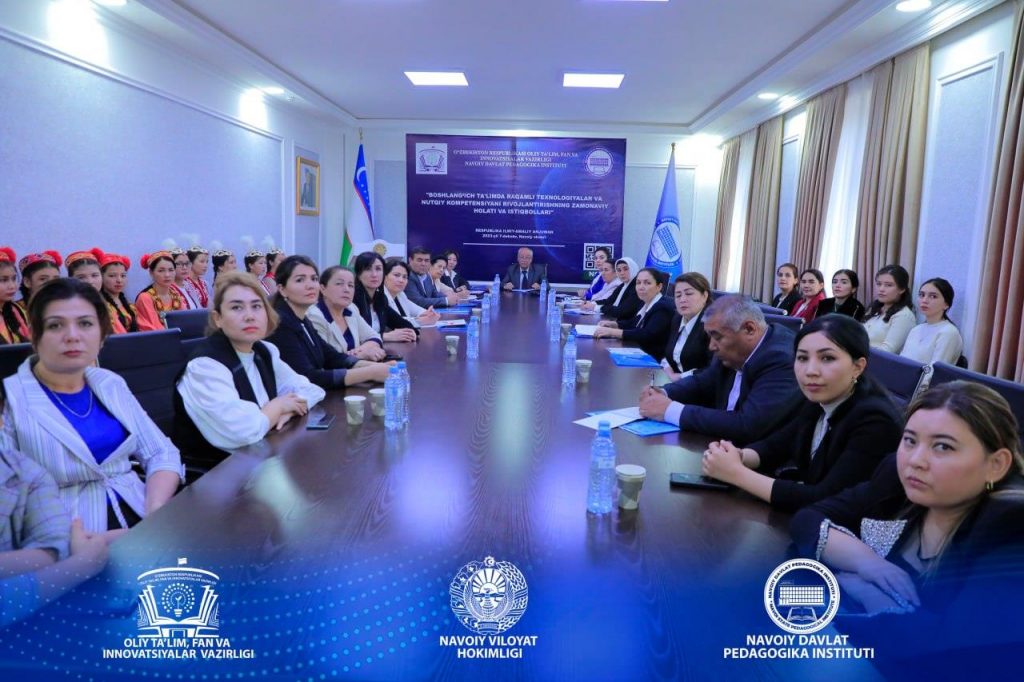
1. National Conference on “Digital Technologies in Primary Education and Developing Speaking Competence”
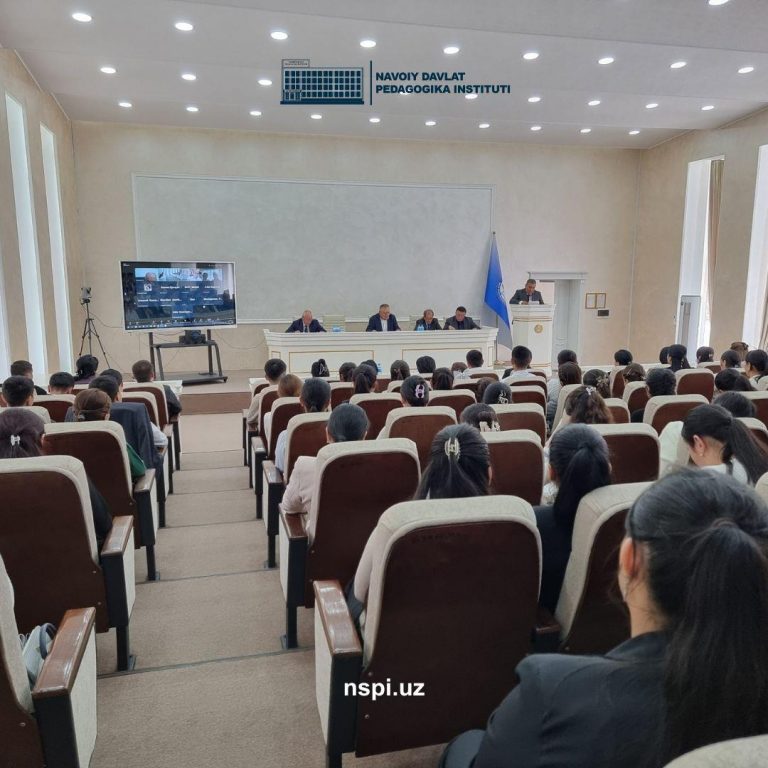
Navoi State University (NSU) actively participated in the National Conference on “Digital Technologies in Primary Education and Developing Speaking Competence: Modern Conditions and Prospects,” organized in accordance with the Resolution of the Cabinet of Ministers (No. 39, April 27, 2024) and the Order of the Ministry of Higher Education, Science and Innovation (No. 118, May 2, 2024). The event was hosted by the Faculty of Preschool and Primary Education of NSU.
The conference served as a cross-sectoral dialogue platform that brought together academics, researchers, government representatives, and educational organizations from across Uzbekistan — including participants from higher education institutions in Tashkent, Samarkand, Bukhara, and Khorezm regions.
Key thematic directions included:
-Digital transformation for sustainable education: integration of innovative ICT tools and green digital technologies into teaching and learning processes to ensure inclusive and quality education for all.
-Developing communicative and social competences: enhancing early learners’ linguistic and intercultural communication skills to foster lifelong learning, equality, and inclusive education.
2. International Conference on “Modern Digital Technologies in Education: Problems and Prospects”
Navoi State University (NSU), through its Faculty of Mathematics and Informatics, initiated and hosted the International Scientific-Practical Conference “Modern Digital Technologies in Education: Problems and Prospects.” The event gathered experts, educators, and researchers from domestic and international higher education institutions, fostering meaningful academic dialogue, international cooperation, and cross-sectoral collaboration on the future of sustainable digital education.
The conference focused on addressing the opportunities and challenges of the global digital transformation in education. Participants shared research findings and best practices on implementing modern digital tools in teaching and learning environments, as well as on developing innovative pedagogical models that ensure inclusivity, accessibility, and long-term sustainability.
Key thematic directions included:
Sustainable digital innovation in education: promoting the use of eco-efficient technologies, open-access digital platforms, and inclusive online learning systems.
Bridging digital divides: addressing inequalities in access to digital tools and teacher training.
Capacity-building for sustainable education systems: fostering collaboration among universities, government institutions, and technology organizations to support resilient and future-ready learning ecosystems.
3. Recognition of Mentors in the Field of Ecology – Cultural and Educational Event “Uzbek Language – In Our Hearts, the Word of a Mentor – the Word of a Nation”
Faculty representatives and mentors from Navoi State University (NSU) participated in a cultural and educational event organized by the Central Asian University for the Study of Environment and Climate Change (“Green University”) under the theme “Uzbek Language – In Our Hearts, the Word of a Mentor – the Word of a Nation.”
The event emphasized the important role of mentors, educators, and researchers in the field of ecology and environmental sustainability, highlighting their contribution to youth education, cultural heritage preservation, and environmental awareness.
The program included speeches, cultural performances, and dialogue sessions celebrating the integration of ecological education with national values and linguistic identity. Through this cooperation, participants from various academic and environmental institutions discussed the ethical and educational dimensions of sustainability, encouraging future collaboration in ecological education, climate studies, and sustainable cultural development.
4. Central Asian Universities Forum – Regional Dialogue for Advancing Higher Education and Sustainable Development
Navoi State University (NSU) participated in the First Central Asian Universities Forum, hosted by “Yangi O‘zbekiston” University, which gathered leading academic institutions, policymakers, and international partners to discuss the current challenges and opportunities in higher education development across the region.
The large-scale regional forum brought together over 300 participants, including nearly 200 international experts from more than 20 countries such as the United States, China, Germany, South Korea, and the United Kingdom. Among the participants were 60 leaders of international educational organizations and representatives from 97 foreign universities, highlighting the broad, cross-sectoral and global engagement in shaping the future of sustainable higher education.
Key thematic directions of the forum included:
Strengthening the role of emerging universities as reputable and innovative institutions that contribute to national and regional development;
Aligning educational programs with labor market demands and sustainability needs;
Enhancing talent development, mobility, and retention through inclusive and equitable education systems;
Developing new models of academic partnership and cooperation for modern, sustainable universities.
5. International Conference on “Dialectological Atlas of National Values – An Important Source in the Study of History”
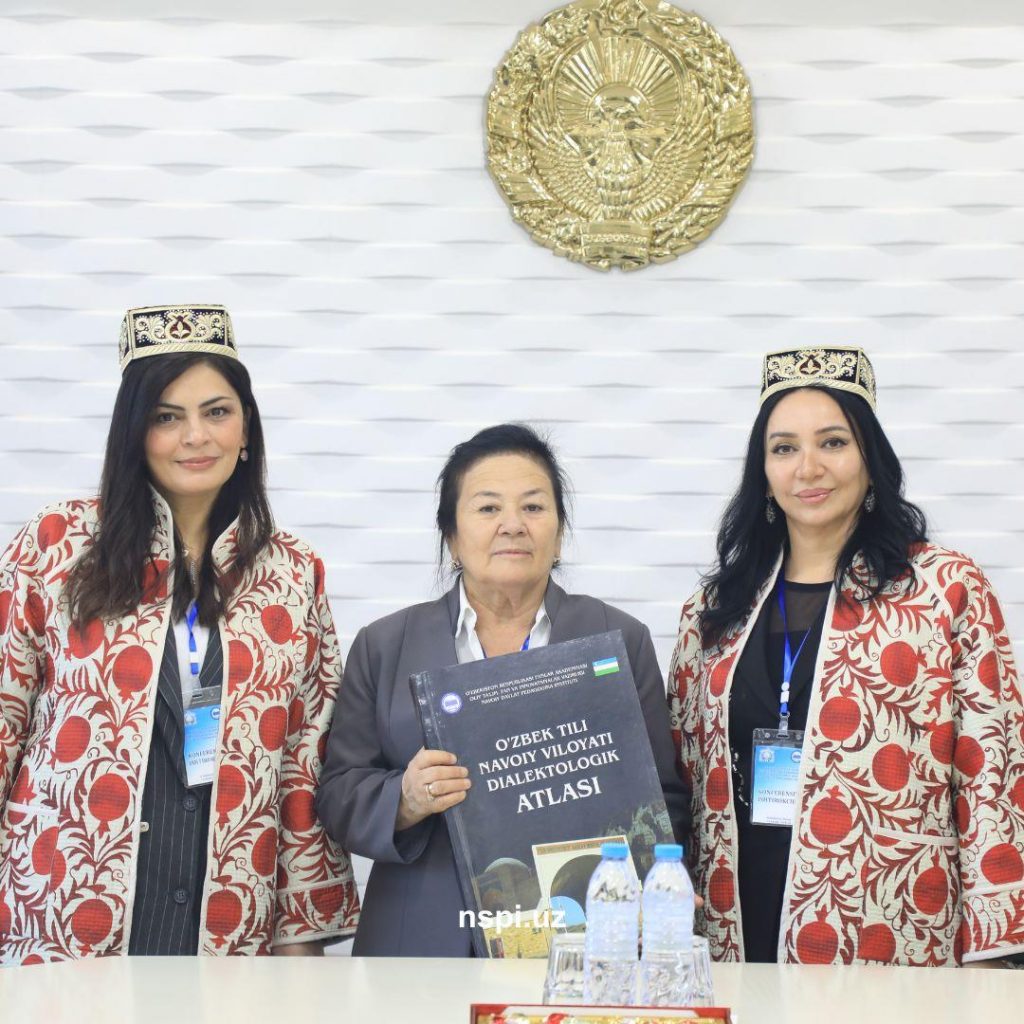
Navoi State University (NSU) hosted the International Scientific-Practical Conference “Dialectological Atlas of National Values – An Important Source in the Study of History,” which brought together scholars, educators, and researchers from various academic institutions to exchange perspectives on the significance of linguistic heritage in understanding historical and cultural development.
The event promoted cross-sectoral and interdisciplinary cooperation among experts in linguistics, history, and education, emphasizing the role of dialectological research in documenting and preserving national identity, intangible cultural heritage, and linguistic diversity. Presentations addressed methodological frameworks, historical analysis, and the integration of language studies into contemporary educational programs and sustainability research.
6. Participation in the 3rd International Congress of Tourism and Ecology
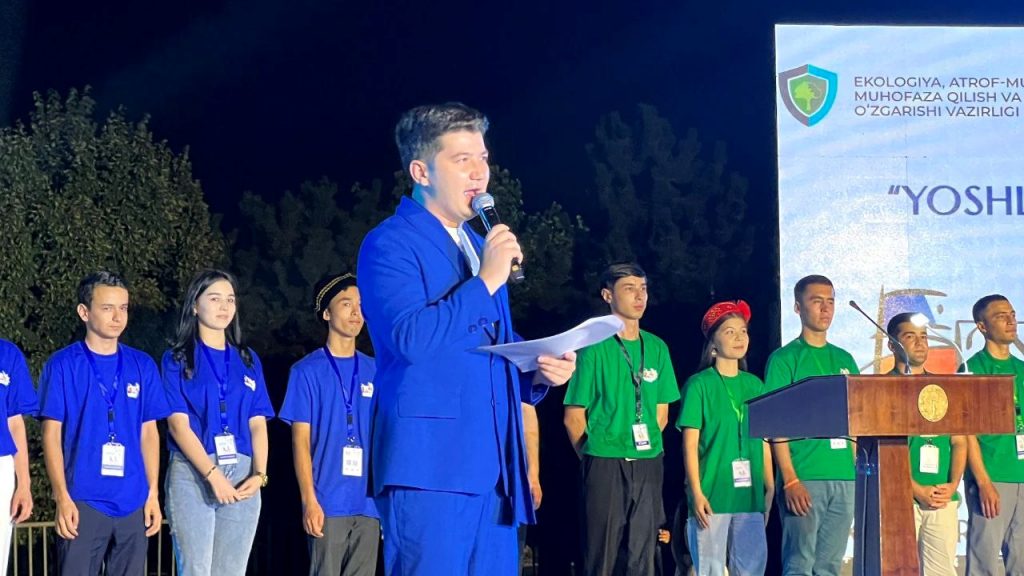
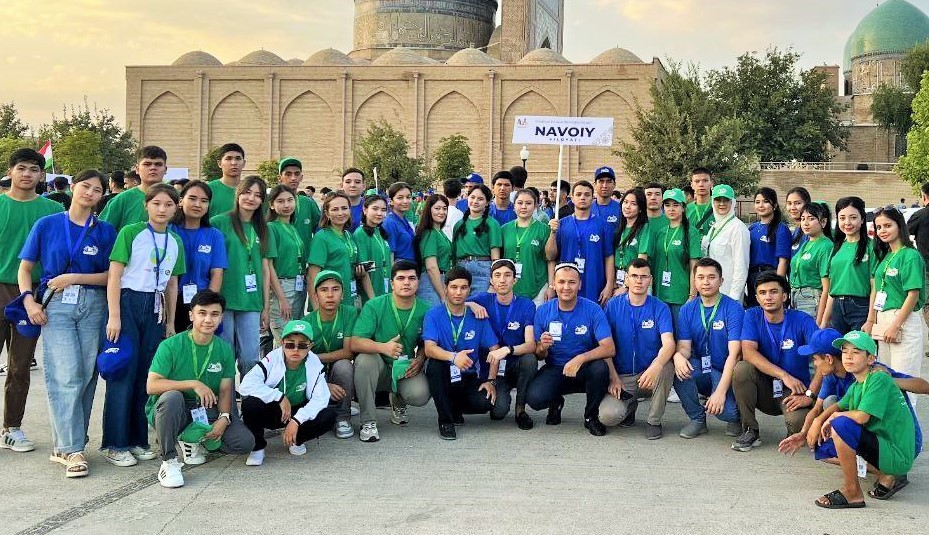
A group of students and youth representatives from NSU actively participated in the 3rd International Congress of Tourism and Ecology, held under the slogan “Youth are the creators of our future.” The congress brought together participants from over 15 countries, creating an international platform for discussing tourism development, ecological awareness, sustainable future and youth leadership.
During the event, several NSU students were elected to key regional youth leadership positions.
Akmal Zakirov, Youth Leader of NSU, was elected Chairman of the Council of Tourism Ambassadors of Navoi Region, recognizing his contributions to promoting local tourism initiatives.
Kamronbek Sultanmuradov, a 3rd-year student of the Faculty of History and a youth coordinator, was appointed Chairman of the Movement of Young Environmentalists of Navoi Region, reflecting his active role in environmental advocacy and education.
In addition, under the leadership of Zafar Bekboyev, coordinator of the Faculty of Arts, the NSU youth team participated in the “We Are One Team – Hello Conference” event, where they were awarded a special certificate and souvenirs for their teamwork and engagement.
The congress created valuable opportunities for NSU students to engage in international dialogue, strengthen ecological responsibility, and contribute to the development of tourism and environmental initiatives within the region.
7. Participation in the Second Rectors’ Forum of Central Asian Countries
A delegation from Uzbekistan, including representatives from NSU, took part in the Second Rectors’ Forum of Central Asian Countries, held on September 13 at the A delegation from Navoi State University (NSU) participated in the Second Rectors’ Forum of Central Asian Countries, held on September 13 at the National University of Tajikistan. The forum brought together leaders from more than 80 universities across the region, including rectors, vice-rectors, academic experts, and members of the scientific community, to discuss collaborative strategies for the sustainable development of higher education in Central Asia.
The event served as a high-level cross-sectoral platform for dialogue on regional cooperation, focusing on:
Academic mobility and inclusive education, promoting exchange programs and capacity-building initiatives among regional universities;
Joint scientific research and innovation projects addressing shared regional challenges, particularly in sustainable development and digital transformation;
Enhancing the quality and accessibility of higher education, aligning educational priorities with global SDG targets and labor market needs.
8. Participation in the Uzbekistan–Hungary II Rectors’ Forum and Official Reception at Károly Gáspár University
Representatives from Navoi State University (NSU) participated in the Uzbekistan–Hungary II Rectors’ Forum, held on May 17 at Károly Gáspár University in Budapest, within the historic Károly Sekonitsa Palace. The forum and official reception brought together university leaders, government representatives, and academic delegations from both countries, fostering dialogue and partnership in the field of higher education, science, and innovation.
During the event, Professor László Trócsányi, Rector of Károly Gáspár University, and Professor László Borhy, Chairman of the Hungarian Rectors’ Conference, delivered opening remarks emphasizing the growing academic and research cooperation between Uzbekistan and Hungary. They highlighted ongoing initiatives in student and researcher mobility, joint doctoral programs, and collaborative scientific projects that strengthen sustainable international academic networks.
Komiljon Karimov, First Deputy Minister of Higher Education, Science and Innovation of Uzbekistan, expressed appreciation for the hospitality and underscored the importance of expanding partnerships in education, science, and cultural diplomacy as part of Uzbekistan’s strategy for sustainable development and internationalization of higher education.
9. Educational and Cultural Event – “Family Strength as the Foundation of Social Peace and Sustainable Society”
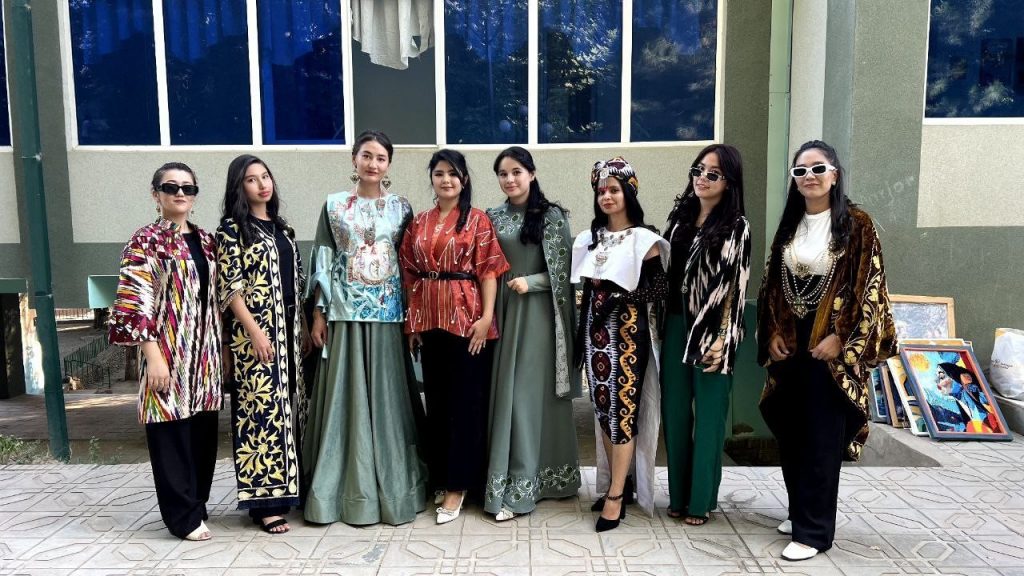
In celebration of the International Day of Families (May 15), Navoi State University (NSU) organized an educational and cultural event titled “Family Strength as the Guarantee of Social Peace,” in collaboration with the Faculty of History and the Memorial Museum of Victims of Repression. The program highlighted the importance of family stability, cultural identity, and community harmony as key contributors to social sustainability and national resilience.
The event featured an exhibition of national handicrafts, traditional songs and dances, and thematic performances by female students showcasing Uzbekistan’s rich cultural heritage and regional traditions.
Guest speaker N. Orokova, a leading specialist of the State Museum of History and Culture of the Navoi Region, delivered a presentation on Uzbek wedding customs and symbolic rituals, including the cultural meaning of the lachak (headscarf) in expressing respect, unity, and womanhood.
10. Meeting with Community Leaders under the State Grant Program for Social Work Education
Navoi State University (NSU), in cooperation with the Ministry responsible for supporting community governance and local leaders, organized a meeting with chairmen of local neighborhoods (mahallas) who had been recommended for part-time study under a state grant program. The initiative brought together 98 mahalla chairmen from the Navoi, Bukhara, and Kashkadarya regions, marking a key step in strengthening cooperation between higher education institutions, local governance structures, and state authorities.
The participants were selected to begin studies in the Social Work program at NSU, which is designed to develop their professional competencies and enhance the quality of community-level social services. During the meeting, university representatives and local leaders engaged in open dialogue about the social challenges faced by communities, the need for professional social workers, and the role of higher education in supporting inclusive community development.
Key outcomes and thematic directions:
Promoting capacity building and social education for community leaders to improve the delivery of public and social services;
Strengthening cooperation between academia, government, and community organizations to address local sustainability issues;
Encouraging inclusive access to education for public sector and grassroots leaders, fostering equity and lifelong learning opportunities.
11. A short-term training course was organized for women and girls’ activists from various neighborhoods across the Navoi region. The initiative brought together 152 participants from Navoi city, Ghazgon, Karmana, Navbahor, and Nurota districts, creating a regional platform where community representatives and the university could jointly discuss social issues affecting women and families.
The training included both theoretical and practical sessions delivered by NSU specialists, including the dean’s advisers on women and girls’ affairs and the institute psychologist, D. Abduraimova. These sessions addressed topics such as community leadership, supporting vulnerable groups, promoting social participation, and strengthening the role of women in local development.
By hosting this program, NSU facilitated direct dialogue between academic staff and grassroots women leaders, enabling knowledge transfer, shared problem-solving, and cooperative planning. The initiative demonstrated how the university engages with community organizations and local governance structures to promote social empowerment, enhance community education, and build stronger, more inclusive neighborhood networks.
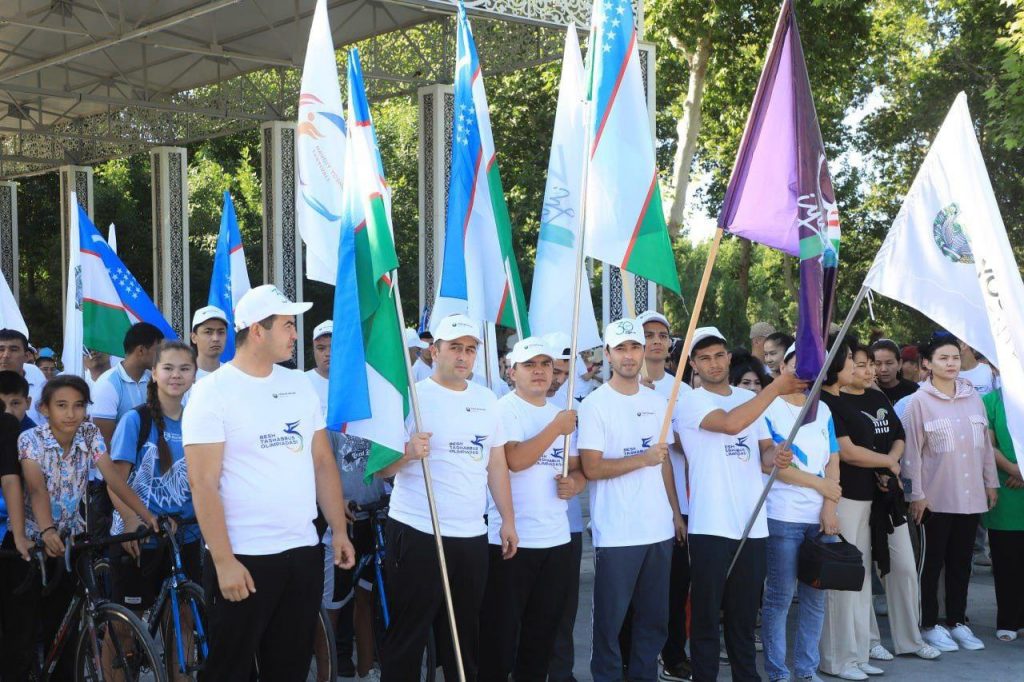
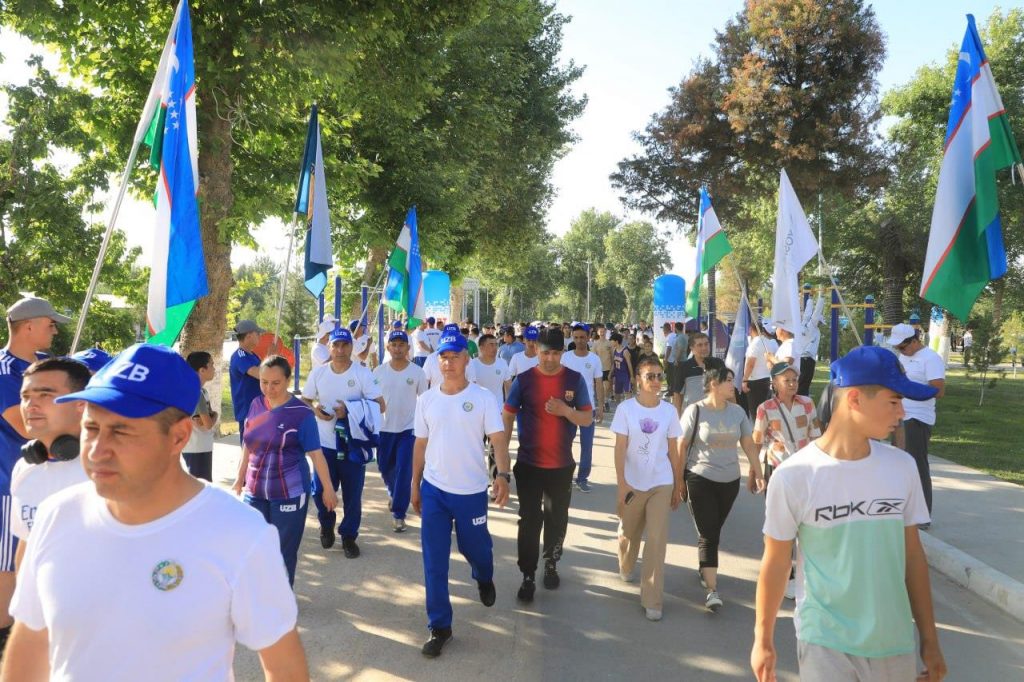
12. As part of the “Youth Breath” initiative, a regional running marathon was organized under the slogan “Youth Movement – For Health,” bringing together participants from various sectors. The event involved regional enterprises, public organizations, educational institutions, and youth groups from local neighborhoods, creating a collaborative platform focused on promoting healthy lifestyles and community engagement.
Students and sports enthusiasts from Navoi State University actively took part in the marathon, joining representatives from different institutions in discussions on youth well-being, public health awareness, and the importance of community-based sports initiatives. The event facilitated interaction between the university, regional organizations, and local communities, allowing stakeholders to share perspectives on how to encourage physical activity, support youth development, and strengthen social cohesion.
Through its participation, NSU contributed to a broader cross-sector dialogue on improving community health culture and expanding youth involvement in socially beneficial activities, demonstrating the university’s commitment to regional cooperation and public engagement.
13. A community-oriented enlightenment and knowledge-sharing initiative was organized in Sarbozor Mahalla of Navbahor District. Faculty members from the Faculty members from the Department of Mathematics and Informatics of Navoi State University (NSU), together with colleagues from other faculties, organized a community-oriented outreach activity in Sarbozor Mahalla of Navbahor District. The initiative aimed to strengthen educational culture, enhance access to knowledge, and promote lifelong learning among local residents.
As part of the program, more than 250 collections of fiction and poetry were distributed to mahalla residents. Discussions highlighted the importance of science, education, culture, and literature in building an enlightened, socially active, and cohesive society. University representatives engaged directly with citizens to emphasize reading habits, intellectual development, and preservation of cultural and moral values, especially in the upbringing of youth.
Key objectives:
Expanding community access to educational resources and literacy materials;
Encouraging dialogue between educators, youth, and community representatives on sustainable cultural and social development;
Strengthening partnerships between the university and local neighborhood structures to promote inclusion and civic awareness.
14. Republican Scientific-Practical Conference on Climate Change, Green Economy, and Sustainable Development
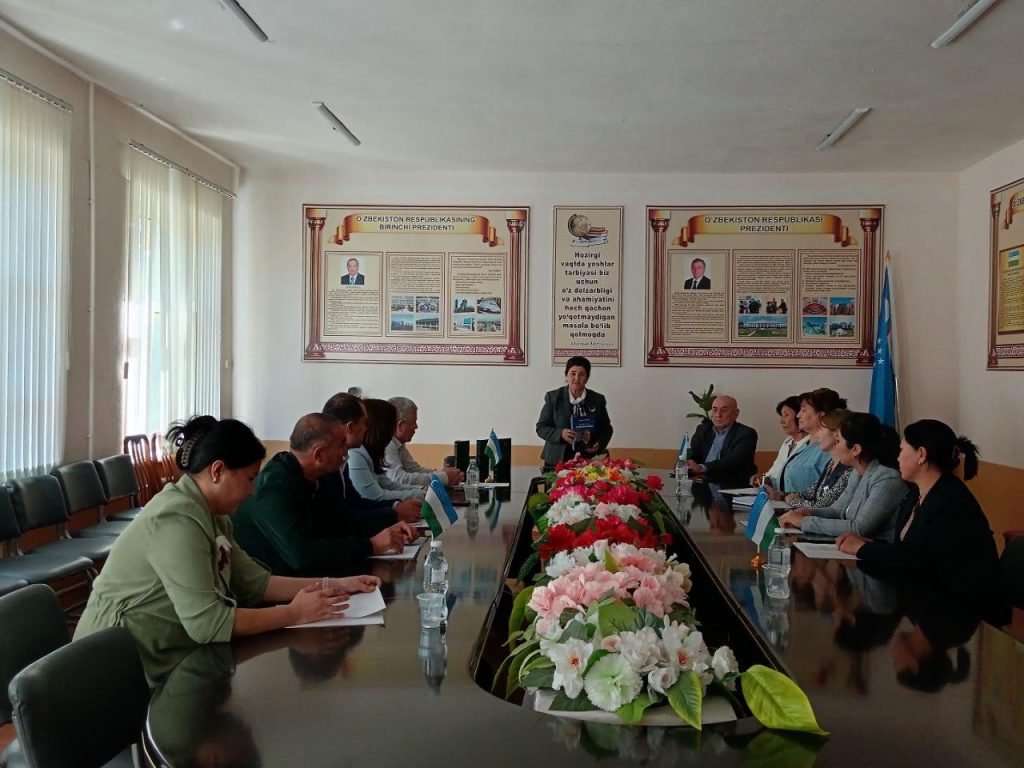
Navoi State University hosted the Republican Scientific-Practical Conference, bringing together representatives from national research institutions, higher education establishments, and sector specialists. Participants presented their scientific perspectives and proposals related to climate change, environmental sustainability, and economic development.
As part of the conference program, Section 2 — “Economic Stability and Green Economy” was held at the Faculty of Economics. The session included in-depth discussions and presentations on the following topics:
Green economy and green energy potential
Agroeconomics and efficient use of water resources
Balancing economic growth with environmental protection
Participants delivered academic reports and scientific presentations addressing modern sustainability challenges and solutions. The conference is recognized for its high scientific relevance and continues its sessions into the following day.
15. Republican Scientific-Practical Conference on Climate Change, Ecology, Economy, and Sustainable Development
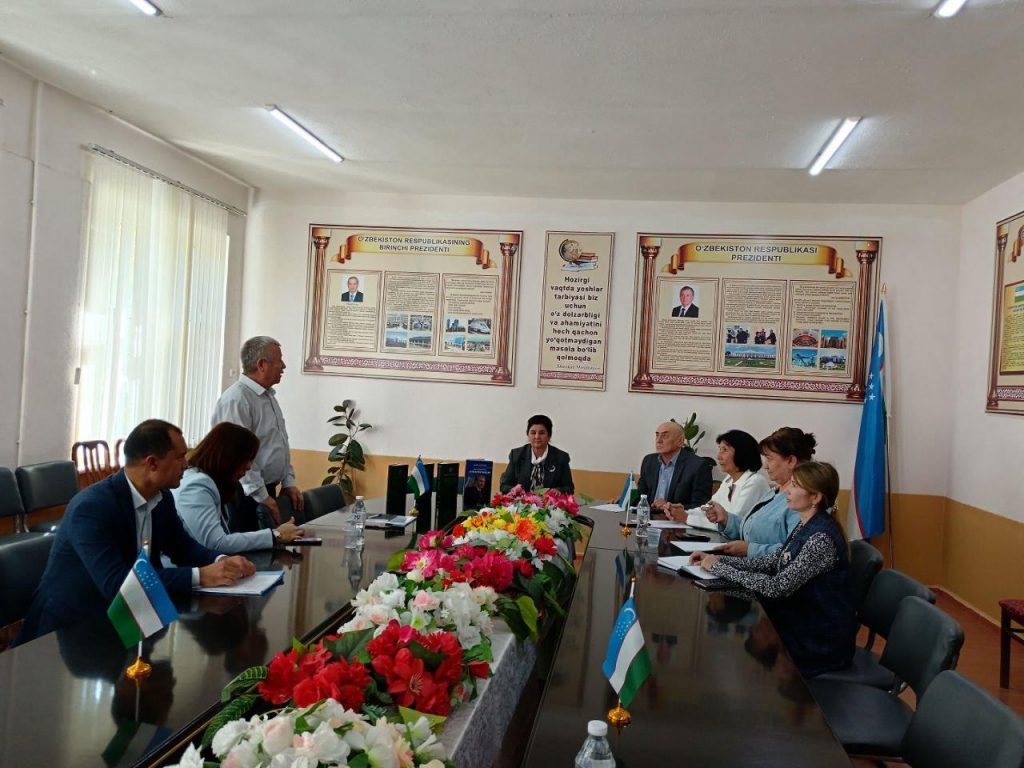
Navoi State University hosted a Republican Scientific-Practical Conference on “Climate Change, Ecology, Economy, and Sustainable Development: Challenges and Solutions.” The event gathered scientists, specialists, and representatives from various organizations and institutions to present research findings, share expert opinions, and discuss practical solutions to pressing environmental and economic challenges.
The official opening was conducted by the Rector of NSU, Professor M. Kalonov, who emphasized the importance of addressing climate change, ecological concerns, and sustainable economic development in Uzbekistan. The conference showcased a high level of scientific rigor and broad participation, fostering dialogue between academia, government, and other stakeholders.
16. International Scientific Conference “Future Scientist: Modern Youth, Scientific Development, and Sustainable Innovation”
Description:
Navoi State University (NSU) participated in the International Scientific Conference “Future Scientist: Modern Youth, Scientific Development, and Innovation,” held in Tashkent and Samarkand through the collaboration of Kazakhstan, Kyrgyzstan, and Uzbekistan. Organized by the Young Jadids Research Center, the conference served as a key platform for promoting sustainable scientific development, youth innovation, and international research cooperation among Central Asian universities.
The forum highlighted the crucial role of young researchers in advancing sustainable innovation, fostering green technologies, and addressing the global challenges of science, education, and the environment.
Students from NSU’s Faculty of Natural Sciences (Physics and Astronomy) — Dildora Tilavova, Shahzoda Shomurodova, and Sevinch Idiboyeva — presented research projects focused on modern scientific and technological solutions contributing to sustainable progress. Their efforts were recognized with the “Future Scientist” medal and international certificates for outstanding contribution to scientific innovation.
Key sustainability and thematic directions:
Encouraging youth-led scientific innovation to solve environmental and social challenges sustainably;
Promoting responsible research and innovation (RRI) approaches that align with ecological balance and social well-being;
Strengthening international collaboration to foster scientific solutions for sustainable development;
Supporting inclusive participation of young women in STEM and sustainability research.
Navoi State University actively participated in the international scientific conference “Future Scientist: Modern Youth, Scientific Development, and Innovation,” organized in collaboration with Kazakhstan, Kyrgyzstan, and Uzbekistan. The forum, conducted by the Young Jadids Research Center, provided a platform for young researchers, doctoral candidates, and students to present their scientific work, innovative ideas, and startup projects on an international stage.
From NSU, the following participants contributed their research:
Sattorova Aziza Maxmudjonovna, 1st-year doctoral candidate, Faculty of Natural Sciences, Department of Physics and Astronomy, presented “Developing Students’ Professional Competencies through Laboratory Tasks Based on Determining the Elasticity Modulus by Bending.” She received a commemorative “Future Scientist” medal and an international certificate.
Muqimova Nazora Nurillo qizi, student of Professional Education: Information Systems and Technologies, Group 202-G-AT, presented her research on “Computer Networks.” She was awarded a commemorative medal, five internationally stamped certificates, and two international diplomas.
17. Scientific-Practical Conference “Women in Innovation”
Navoi State University hosted the scientific-practical conference “Women in Innovation” as part of the INNOWOMENWEEK initiative. The main objective of the event was to support women’s innovative ideas across science, education, technology, healthcare, economics, ecology, and social sectors, and to promote their research achievements to a broader audience.
During the conference, female participants presented their innovative projects, scientific research, and new initiatives. Presentations were evaluated for originality and impact, with the best research contributions recognized and awarded by the organizers.
18. International Conference on Higher Education and Scientific-Technical Cooperation between China and Central Asian Countries
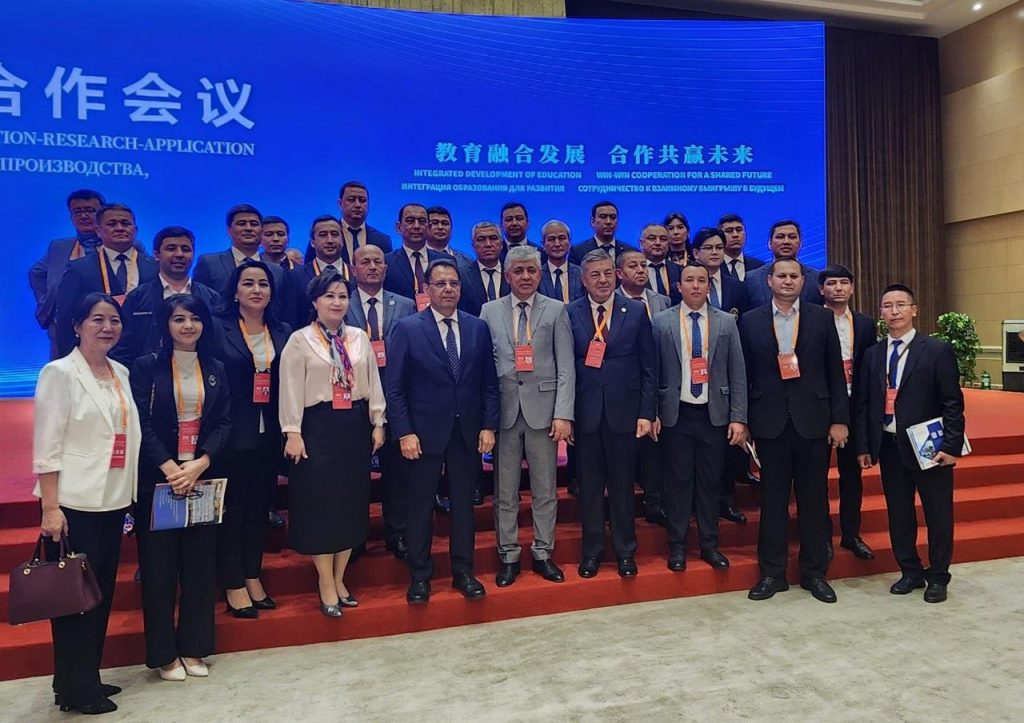
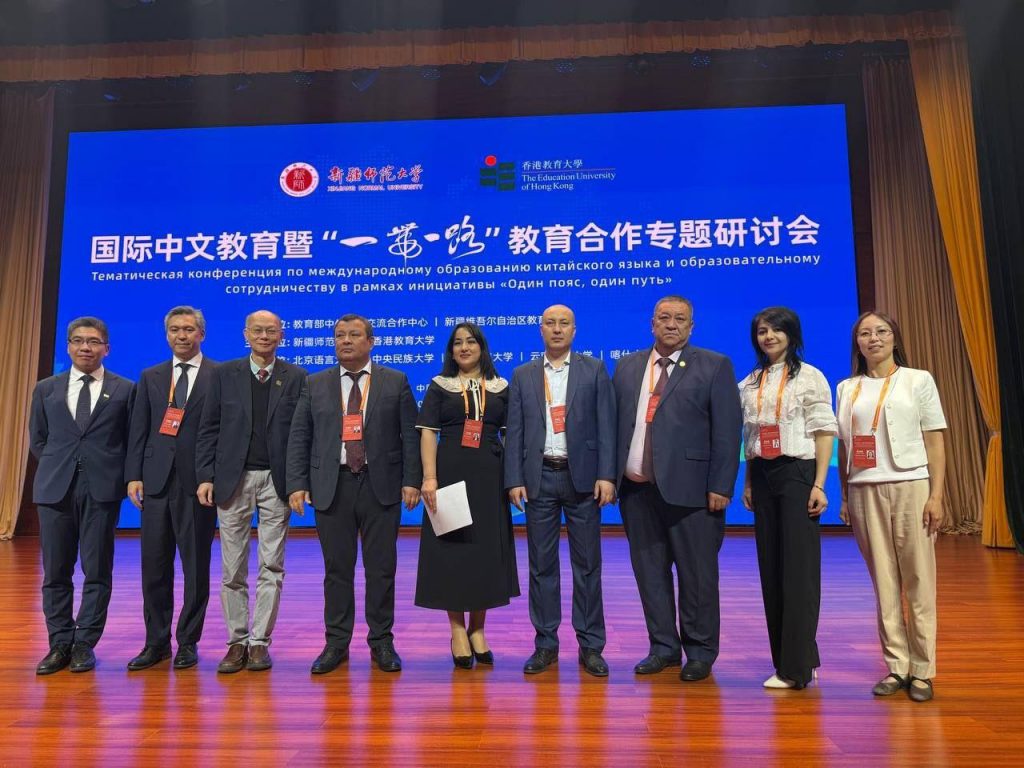
Representatives from Navoi State University (NSU) actively participated in the International Conference on “Collaboration between China and Central Asian Countries in Industry, Universities, and the Application of Scientific and Technical Achievements,” held in Urumchi, China. The conference gathered nearly 300 participants from around the world, including academics, researchers, university administrators, and industry partners, to discuss the advancement of higher education, research innovation, and sustainable scientific cooperation across Asia.
NSU was represented by Pro-Rector for International Cooperation Dilnoza Narzikulova and Head of the International Relations Department Mohichehra Saidova. The event marked several significant achievements for the university:
NSU was officially accepted as a member of the “6 Campus” international project, expanding its global sustainability partnerships;
A cooperation agreement was signed with The Education University of Hong Kong (EdUHK) to develop joint academic and research initiatives;
NSU delegates delivered a presentation titled “Relevance of the Concept for Developing the Higher Education System in Uzbekistan,” emphasizing innovation, digitalization, and sustainability in education;
Bilateral agreements on joint academic and scientific collaboration were reached with universities and organizations from China, Kazakhstan, Kyrgyzstan, and other countries, including:
Shinjon Normal University, China
Abay Kazakh National Pedagogical University (QS Top 671–680)
Kyrgyz National University
Korkyt Ata Kyzylorda University
Key sustainability and cooperation directions:
Strengthening science–education–industry partnerships for sustainable innovation and knowledge exchange;
Enhancing international cooperation in green technology and scientific research;
Promoting academic mobility, joint research projects, and cultural dialogue among Asian universities;
Integrating sustainability, digital transformation, and responsible innovation into higher education development strategies.
19. International Scientific-Practical Conference on Sustainable Governance and Electoral Systems in the Turkic World
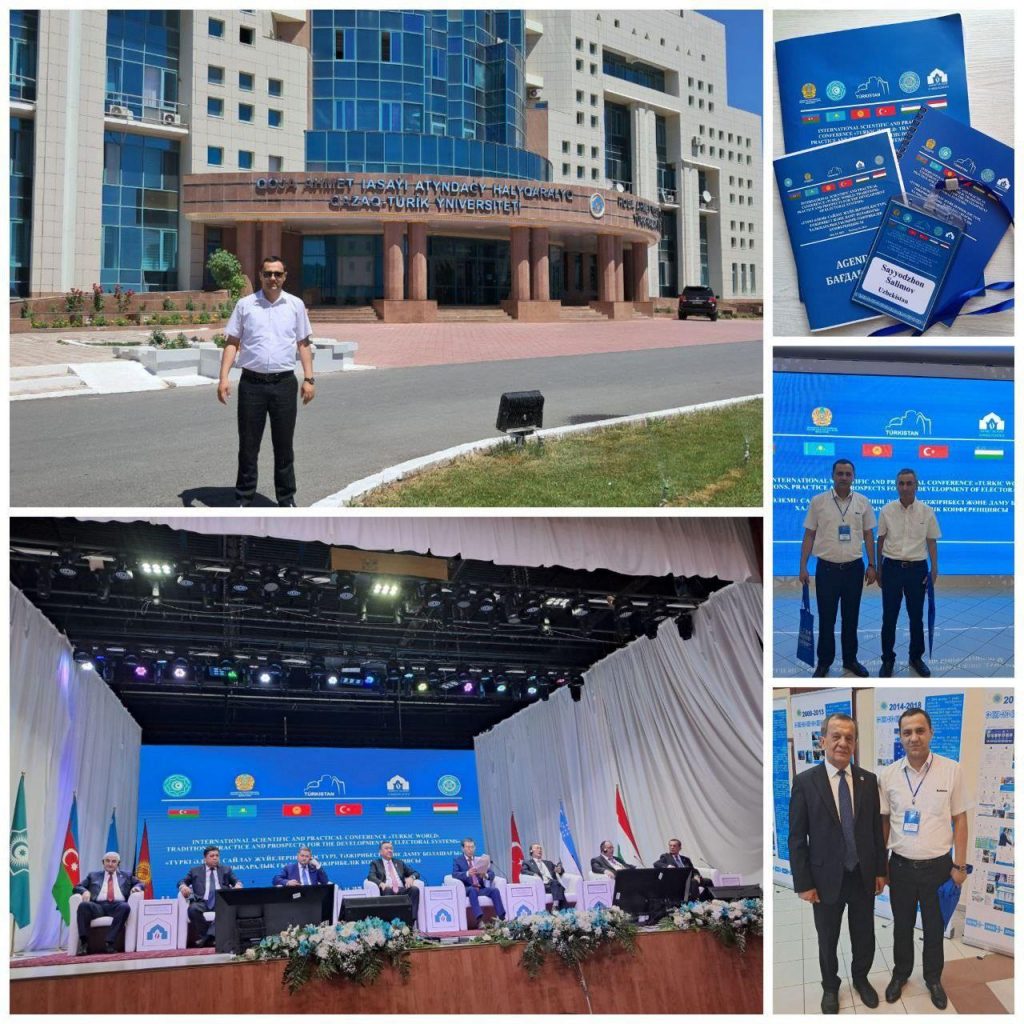
Navoi State University (NSU) actively participated in the International Scientific-Practical Conference on “Electoral Systems in the Turkic World: Development, Practices, and Perspectives,” held at the Khoja Ahmad Yassawi International Kazakh-Turk University in Turkistan, Kazakhstan. The event gathered participants from Uzbekistan, Kyrgyzstan, Kazakhstan, Azerbaijan, Turkey, Tajikistan, and other countries, including members of electoral commissions, senators, deputies, researchers, and students.
The conference provided a dynamic platform for academic and institutional dialogue on sustainable governance, democratic development, and the modernization of electoral systems across the Turkic world. Discussions focused on institutional reforms, transparency, citizen participation, and responsible policymaking as drivers of long-term social and political stability.
Representing NSU, Sayyodjon Salimov, a third-year doctoral candidate and lecturer in the Department of History, presented his research titled “Evolution of Parliamentary Elections in Uzbekistan during the Years of Independence.” His presentation examined the historical progression of electoral institutions, the evolution of participatory democracy, and their connection to social sustainability and civic engagement.
Key directions:
Promoting sustainable governance models that ensure transparency, accountability, and citizen participation;
Encouraging academic research and policy dialogue on democratic processes and institutional development;
Strengthening international cooperation among universities, parliaments, and election bodies to foster peace and justice;
Supporting the integration of good governance principles into education and research, aligning with global sustainability frameworks.
20. International Conference “Modern Trends in Education: Sustainable Innovations and Technologies”
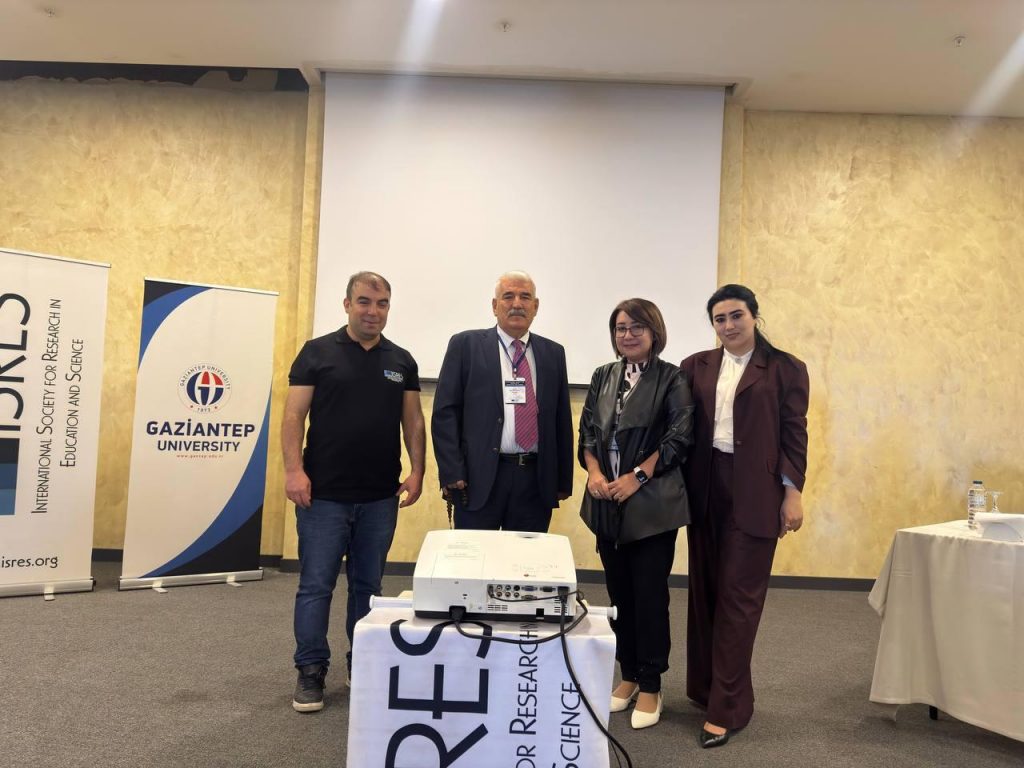
Navoi State University actively participated in the international conference on “Modern Trends in Education: Sustainable Innovations and Technologies” held in Turkey. The event brought together professors, researchers, and specialists from leading universities worldwide. The conference was indexed in the Web of Science, ensuring high academic visibility and impact.
From NSU, PhD lecturers Surayyo Saydullayeva and Zebiniso To‘ychiyeva from the Department of English Linguistics presented their scientific research papers. Their presentations focused on innovative approaches in language education and the use of modern technologies to enhance teaching and learning outcomes.

21. International Scientific-Practical Conference on “The Future Model of Sustainable Preschool Education: Research, Projects, and Practices”
The Faculty of Preschool and School Education at Navoi State University (NSU), through its Department of Preschool Education, organized the International Scientific-Practical Conference “The Future Model of Sustainable Preschool Education: Research, Projects, and Practices.” The event served as a global platform for discussing innovative, inclusive, and sustainable approaches to early childhood education in the context of rapidly changing educational paradigms.
The conference brought together professors, researchers, and practitioners from leading universities across Uzbekistan, alongside international experts from the USA, UK, Hungary, Russia, India, Kazakhstan, and Malaysia, participating in both online and offline formats. This broad participation highlighted the event’s interdisciplinary and cross-sectoral nature, bridging academic, pedagogical, and policy perspectives.
Key thematic directions and sustainability dimensions:
Innovative strategies for sustainable preschool education development, integrating environmental and digital literacy from early childhood;
Guiding young generations toward future careers and lifelong learning, promoting education for sustainable citizenship;
The role of STEAM and green technologies in building early creative and problem-solving skills;
The importance of art therapy and emotional well-being as part of holistic, inclusive, and sustainable child development;
Collaborative international projects and best practices in preschool education reform and teacher training.
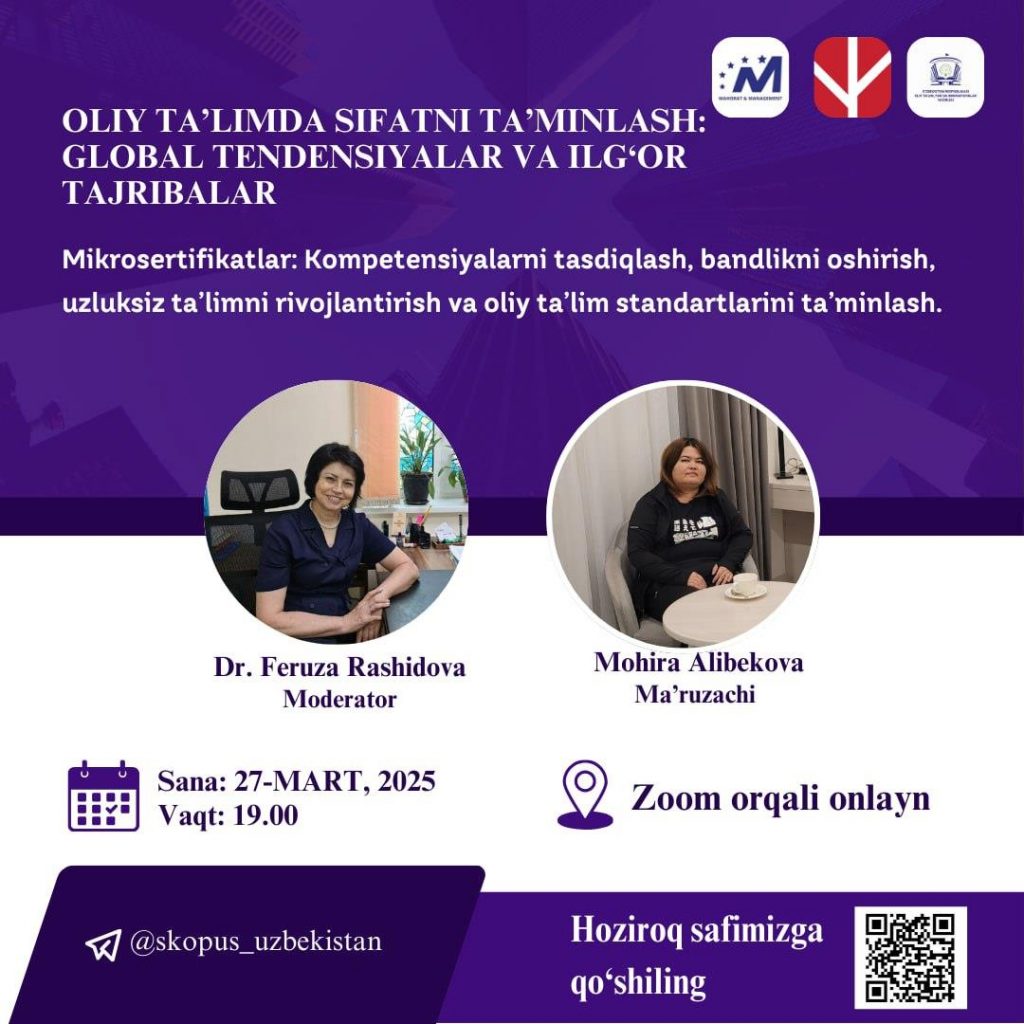
22. Online Conference “Quality Assurance in Higher Education – Global Trends and Best Practices”
Navoi State University actively participated in an online conference focused on “Quality Assurance in Higher Education – Global Trends and Best Practices.” The event brought together experts, educators, and practitioners to discuss current challenges in higher education, innovative approaches, and the advantages of micro-credentialing systems.
Key topics discussed included:
Micro-credentials: validating competencies and expanding career opportunities;
Enhancing employability and integration into the labor market;
Promoting lifelong learning and continuous professional development;
Improving higher education standards and quality assurance practices.
The conference featured speakers from NSU, including Dr. Feruza Rashidova (Moderator) and Mohira Alibekova (Presenter), who shared insights and practical approaches based on local and international experiences