University Outreach to Local Communities and Schools
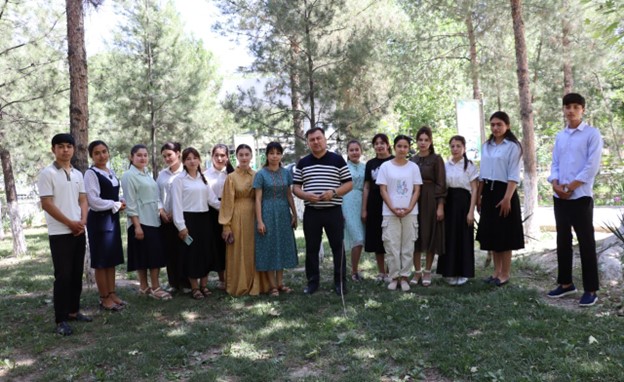
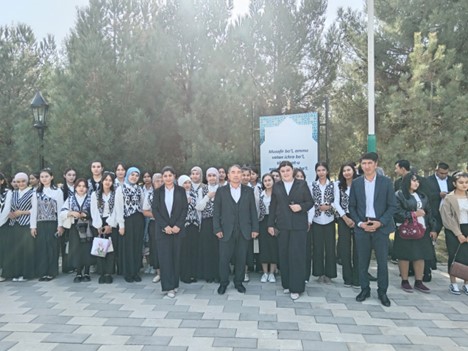
Navoi State University of Mining and Technologies has consistently demonstrated strong commitment to community outreach through active engagement with nearby neighborhoods, schools, and youth organizations. The university regularly conducts awareness sessions, educational visits, training workshops, and collaborative events aimed at promoting energy efficiency, sustainability culture, and scientific literacy. These outreach efforts ensure that academic knowledge is shared beyond campus, empowering the wider community — especially young people — to participate in environmental protection, renewable energy adoption, and climate resilience initiatives.
1. University–Community Green Awareness Initiative
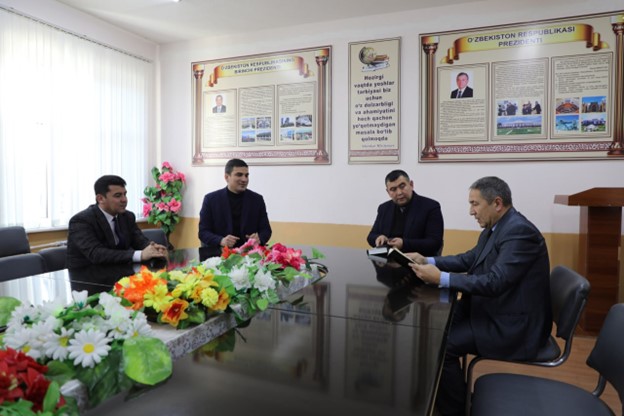
Following the announcement of Presidential Decree PF-61, the university organized small informative sessions and awareness meetings for the nearby community. These sessions explained the main ideas of the decree, including the promotion of environmental protection, green initiatives, renewable energy use, youth-led ecological projects, and opportunities related to the ‘Yashil tashabbuslar’ (Green Initiatives) Fund. The outreach aimed to increase environmental awareness, support youth ecological activities, and encourage community participation in sustainable practices.
2. International Solar Day School Training on Clean Energy
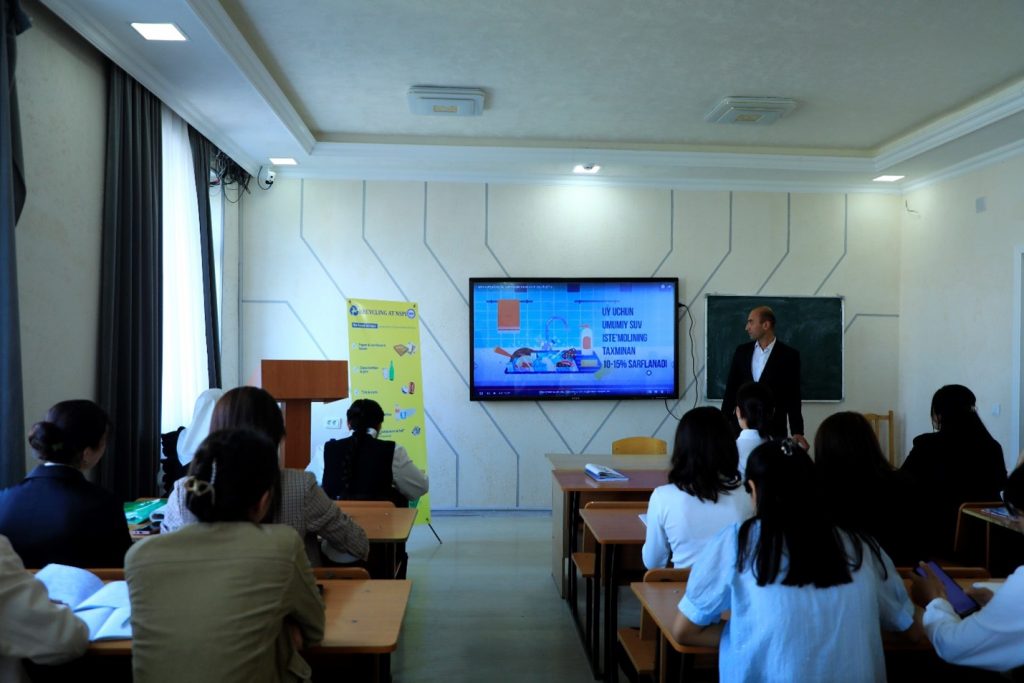
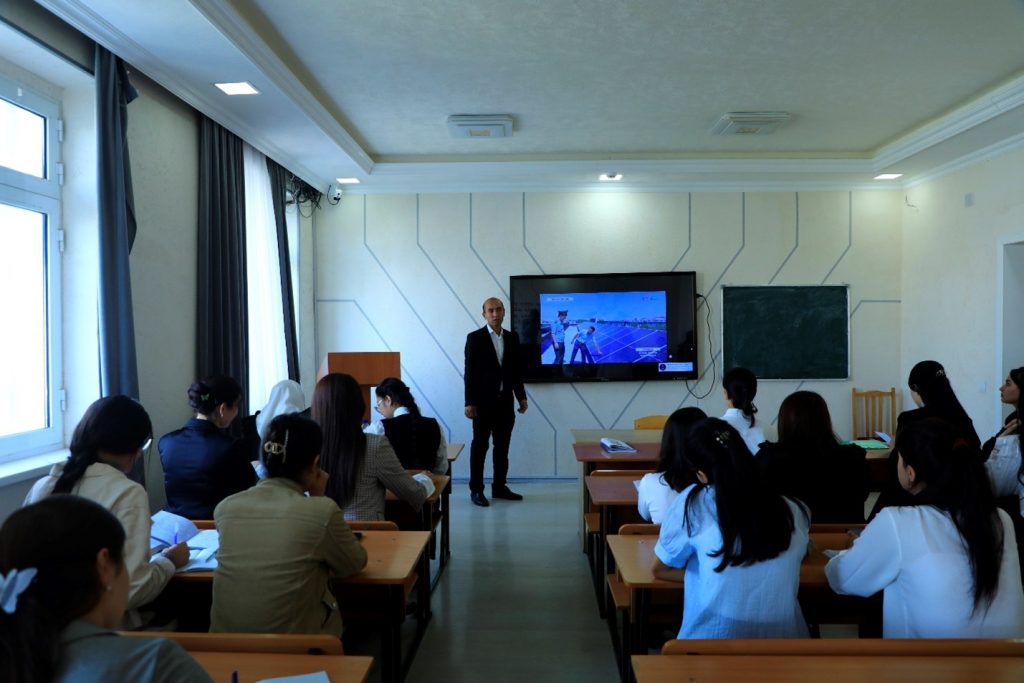
In celebration of International Solar Day on 3 May, a peer-to-peer educational training was organized for local school students by an active member of the Young Environmentalists at Navoi State University in Navoi. The session introduced students to the environmental value of solar energy and its role in building a sustainable future. Through interactive activities, participants learned how solar radiation can be converted into clean energy, the importance of protecting the environment, and the development of ecological awareness among young people. This outreach event played an important role in fostering environmental responsibility and inspiring the younger generation to take their first steps toward a greener future.
3. International Climate Day Clean Energy Awareness Forum
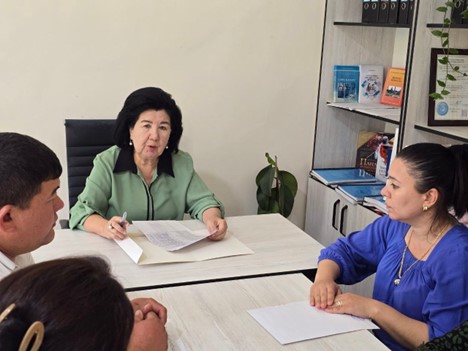
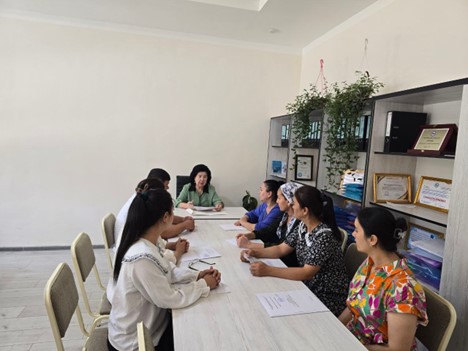
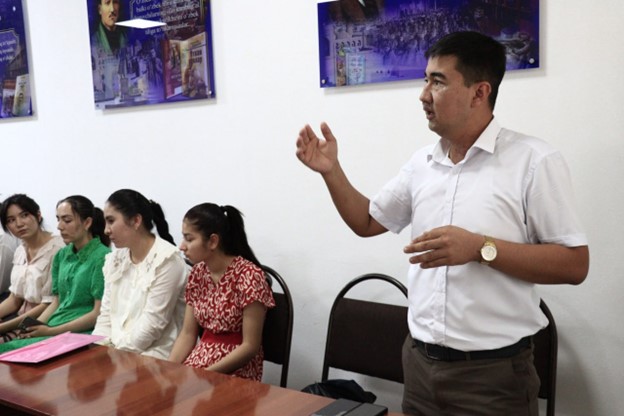
As part of the university’s ongoing community outreach efforts, a special round-table session was organized on 15 May in recognition of International Climate Day. Held at Navoi State University’s Faculty of Exact Sciences, the event featured the Chair of the Navoi City Council of the Uzbekistan Ecological Party and was attended by student groups and youth representatives. The discussion focused on the urgency of climate issues, national environmental reforms, and the growing importance of transitioning to cleaner energy sources as part of climate mitigation efforts. Participants explored how renewable energy—particularly solar and wind—can reduce climate risks and support sustainable development. The event encouraged young people to take an active role in promoting climate resilience, energy efficiency, and community-based environmental action beyond the university campus.
4. Republican Scientific-Practical Conference on Ecology, Green Energy, Climate Change, and Sustainable Development
On 3–4 October, Navoi State University hosted a republican scientific-practical conference titled ‘Problems of Ecology, Economy, and Sustainable Development in the Context of Climate Change and Their Solutions.’ The event gathered scientists, industry specialists, and representatives of various organizations, who presented their research findings and expert perspectives related to climate change, environmental challenges, green energy and sustainable development. The official opening ceremony was held on the first day of the conference, where the Rector of Navoi State University, Professor M. Kalonov, delivered remarks outlining the importance of addressing climate impacts, advancing environmental reforms, and promoting a sustainable economy in Uzbekistan.
5. Environmental culture should become a lifestyle for every citizen
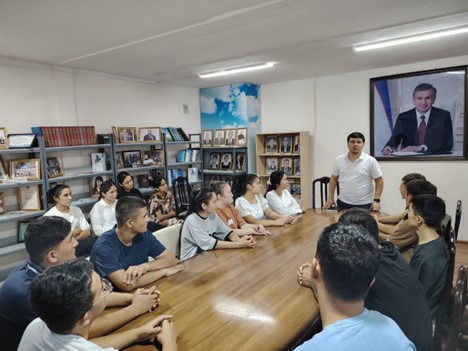
An outreach-focused round-table discussion was held at the Faculty of History of Navoi State University in cooperation with the Navoi Regional Council of the Ecological Party of Uzbekistan and the regional branch of the Republican Center for Spirituality and Enlightenment. The event aimed to promote the essence and significance of the Presidential Decree of 15 May 2025, ‘On the Concept for Enhancing the Environmental Culture of the Population for the Period up to 2030,’ to the wider community, with special emphasis on youth.
During the session, speakers discussed how strengthening environmental culture is closely connected to climate action, energy efficiency, and the transition to clean and renewable energy sources. Participants examined how responsible energy use, green technologies, and improved ecological literacy contribute to national sustainability goals.
Special attention was also given to the historic meeting held between the President and young people on 14 February 2025. The ideas expressed during this dialogue — particularly those related to ecology, education, and youth empowerment — were highlighted as a symbol of the trust and responsibility placed on the younger generation in advancing environmental protection and clean-energy awareness across society.
6. Community Outreach Roundtable on Environmental Culture and Clean Energy Awareness
A community outreach round-table was held in cooperation with the Navoi Regional Council of the Uzbekistan Ecological Party and the Faculty of Preschool and Primary Education of Navoi State University. The purpose of the event was to widely communicate the essence of Presidential Resolution PQ–184 (15 May 2025), which approves the ‘Concept for Enhancing the Environmental Culture of the Population for the Period up to 2030,’ to the broader public.
During the discussion, participants explored how building strong environmental culture is essential for a sustainable future, emphasizing responsible energy use, the importance of transitioning to clean and renewable energy, and the role of green technologies in reducing ecological risks. The outreach session helped raise environmental and clean-energy awareness among students and the community, encouraging active participation in national climate and sustainability initiatives.
7. “Dolzarb 90 Kun” Outreach Activities for Youth Engagement and Clean Energy Awareness
As part of the national ‘Dolzarb 90 kun’ initiative, a series of outreach activities were organized to ensure that university students spend their summer break meaningfully while enhancing their intellectual, cultural, and scientific potential. Across higher education institutions, various educational, scientific, sports, and creative events were held.
At Navoi State University, the program also integrated environmental and clean-energy awareness components to strengthen students’ understanding of sustainability. Through thematic sessions, youth were introduced to the importance of energy efficiency, the role of renewable energy in reducing climate risks, and the need for responsible energy consumption in everyday life. These activities helped promote ecological culture, climate-conscious thinking, and a proactive attitude toward sustainable development among young people.
8. Outreach Roundtable on Environmental Culture, Youth Responsibility, and Clean Energy Awareness
An outreach round-table discussion was held at the Faculty of History of Navoi State University in cooperation with the Navoi Regional Council of the Uzbekistan Ecological Party and the regional branch of the O‘ZNNTMA. The event aimed to promote the essence of the Presidential Concept of 15 May 2025 on ‘Enhancing the Environmental Culture of the Population up to 2030’ to the wider community, particularly youth.
During the session, speakers emphasized that strengthening environmental culture must become part of everyday life for every citizen, highlighting its direct connection to climate resilience, responsible energy consumption, and the growing importance of transitioning to clean and renewable energy sources. Participants discussed how ecological awareness and sustainable energy practices contribute to long-term national development and environmental protection.
The event also reflected on the historic meeting between the President and young people on 14 February 2025. The ideas presented during that dialogue—especially those related to ecology, education, and youth empowerment—were interpreted as a symbol of the great trust and responsibility placed on the younger generation in advancing environmental protection and promoting clean-energy thinking across society.
9. “Dolzarb 90 Kun” Clean Energy and Environmental Awareness Outreach
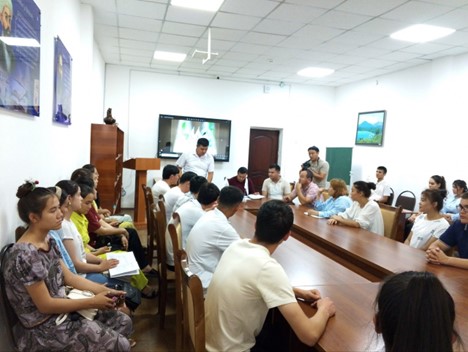
On 18 June 2025, a thematic outreach round-table was held at the Faculty of History of Navoi State University as part of the ‘#Dolzarb_90_kun’ initiative. The event was organized in cooperation with the Navoi Regional Council of the Uzbekistan Ecological Party and a local NGO, bringing together students for an open discussion on key environmental and sustainability issues.
The session covered a range of pressing topics, including environmental culture, the protection of natural ecosystems, waste sorting, and the responsible use of water and air resources. Specialists emphasized that safeguarding the environment is a civic duty and highlighted the importance of youth involvement in climate action, energy efficiency, and the adoption of cleaner energy practices to reduce ecological risks.
Throughout the event, students posed questions to experts, shared practical ideas, and discussed local environmental challenges. The round-table also aimed to promote ecological awareness, foster a respectful attitude toward nature, and strengthen social responsibility and clean-energy thinking among young people.
10. Sustainable Energy Consumption Awareness Activities Held at Navoi State University
Navoi State University conducted a series of monitoring and awareness-raising activities aimed at promoting energy efficiency and sustainable consumption practices among students living in the university dormitories.
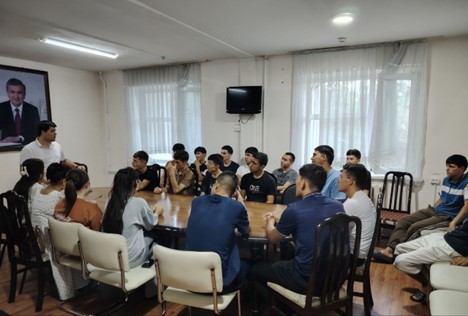
During the visit to the Student Residence, university representatives assessed the current use of electricity, heating, and water resources, emphasizing the importance of reducing unnecessary energy consumption. A preventive discussion session was held with the students, during which they were informed about:
the use of energy-efficient appliances,
turning off lights and devices when not in use,
responsible water usage,
reducing waste and promoting recycling habits.
In addition, students were introduced to the university’s ongoing initiatives on transitioning towards a green economy, increasing the use of renewable energy sources, and reducing the institutional carbon footprint. Participants were encouraged to share their ideas and provide practical suggestions on improving energy-saving practices.
The main goal of this initiative is to strengthen environmental responsibility among students, enhance their awareness of sustainable energy consumption, and promote environmentally conscious lifestyles across the university community.
11. Protecting Nature — A Nationwide Movement
Today, on 16 September, a round-table discussion was held at the Faculty of History of Navoi State University in cooperation with the Navoi Regional Council of the Ecological Party of Uzbekistan.
During the event, students were informed about the essence and importance of Presidential Decree PQ–184, adopted on 15 May 2025, which outlines key tasks related to enhancing environmental culture, promoting rational use of natural resources, and supporting the transition toward a green and energy-efficient economy.
In connection with International Day for the Preservation of the Ozone Layer, additional information was provided on global initiatives for ozone protection, the significance of the Montreal Protocol, and current measures being implemented in Uzbekistan. Speakers emphasized the importance of reducing harmful emissions, adopting environmentally friendly and energy-saving technologies, and strengthening national efforts toward climate resilience.
The session also highlighted that the active participation of young people in ecological projects, clean-energy awareness campaigns, and sustainability initiatives can make a meaningful contribution to achieving long-term environmental stability. Promoting environmental responsibility and a culture of clean and efficient energy use among students stood as one of the key goals of the discussion.
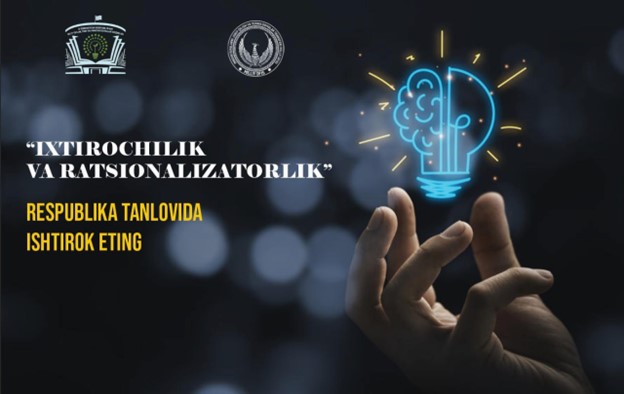
Annual “Invention and Rationalization” Competition: Call for Participants!
Are you an inventor? Do you have a rationalization idea that can benefit society—especially in the fields of sustainability, clean energy, or resource efficiency?
Each year, the Ministry of Higher Education, Science and Innovation, together with the National Office of Innovations, organizes the Annual “Invention and Rationalization” Competition, inviting talented young innovators from across Uzbekistan to present their ideas and solutions.
Projects are evaluated according to the following criteria:
✔️ relevance to energy and resource efficiency, development of modern technologies, or creation of new materials;
✔️ potential to solve environmental protection challenges;
✔️ social significance and the value the innovation can bring to society;
✔️ readiness for practical application;
✔️ potential for export or import substitution.
Eligibility requirements for participants:
✔️ Uzbek citizens aged 16 to 40;
✔️ possession of a specific invention, utility model, or rationalization proposal;
✔️ availability of a project prototype ready for demonstration.
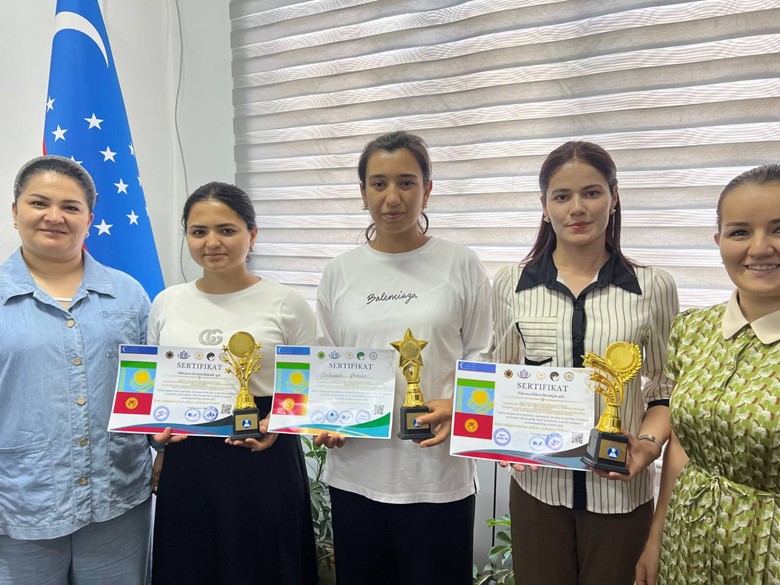
Winners of the 1st, 2nd, and 3rd places receive one-time monetary awards equivalent to 300, 250, and 200 basic calculation units respectively, along with official certificates.
Applications are accepted annually until October 6 of each year.
This ongoing competition serves as an important national platform to promote innovation, encourage youth creativity, and support clean-energy and sustainability-oriented technological solutions.
13. Community Outreach Session on Uzbekistan’s Renewable Energy and Tariff Reform Updates
As part of its ongoing commitment to promoting energy awareness and supporting national sustainability policies, Navoi State University organized a public information session for local residents, school representatives, and community organizations.
During the outreach session, university experts from the Faculty of Engineering and the Department of Energy Efficiency provided accessible explanations on:
the national transition toward renewable energy sources, including solar and wind systems;
the purpose and expected outcomes of tariff reforms aimed at increasing energy efficiency and responsible consumption;
how households and small businesses can benefit from adopting clean-energy technologies;
practical tips for reducing energy costs and improving energy-saving behavior.
Participants engaged in open discussions, asked questions about the reforms, and received brochures prepared by the university summarizing key changes and community-level implications.
This event strengthened the university’s role as a regional knowledge hub and ensured that the broader community stays informed about Uzbekistan’s shift toward a more sustainable, energy-efficient future.
14. Earth Hour Celebration Promoting Energy Efficiency and Community Awareness
In recognition of Earth Hour, Navoi State University organized a special “Hour for Our Planet” campaign aimed at raising awareness about responsible energy consumption and environmental protection.
As part of the initiative, on the designated day from 13:00 to 14:00, all university buildings temporarily switched off non-essential electricity, including lighting, computer equipment, cooling and heating systems, televisions, and other electrical devices. During this symbolic hour, university leadership, faculty, and staff gathered outdoors to participate in an eco-walk held in the university courtyard.
The event not only demonstrated the institution’s commitment to reducing energy use, but also served as an outreach action, encouraging students, employees, and the surrounding community to adopt simple yet impactful habits for sustainable energy consumption. Through this campaign, the university reinforced the message that collective action—starting with reducing electricity use—contributes to global climate efforts and fosters a culture of environmental responsibility.
15. “EKO-INNOVATION–2025” Exhibition: A Step Toward a Green Future
The “EKO-INNOVATION–2025” exhibition, held at Navoi State University, became a vibrant celebration of youth creativity, green technologies, and environmental responsibility. The event not only showcased the innovative potential of students and young inventors but also served as an important platform for raising environmental awareness and promoting sustainable development within the wider community.
The exhibition was opened by the Vice-Rector for Research and Innovation, S. Khujjiyev.
Event Highlights
A total of 30 participants, both individual and team-based, presented their unique eco-innovative ideas.
27 innovative projects were showcased across the following sustainability-focused areas:
Environmental protection: Modern solutions for combating climate change and advancing waste recycling.
Renewable energy technologies: Efficient use of solar, wind, and other clean natural resources.
Eco-technological innovation: Robotics, sensors, mobile applications, and smart systems aimed at addressing environmental challenges.
What Made the Event Special
This annual exhibition is more than just a competition—it provides a powerful outreach platform where young innovators can share their ideas with the public, exchange experiences, and inspire environmentally responsible behavior. Each participant demonstrated how innovative thinking can contribute to environmental preservation and the transition to clean and efficient energy solutions.
Looking Ahead
The winners of the exhibition will be announced soon. Every project was unique and inspiring, each representing an important step toward a greener future.
The “EKO-INNOVATION–2025” exhibition once again proved that every idea, every creative solution, has the potential to make a real difference. Young inventors are shaping a sustainable tomorrow—together, we can build a cleaner, brighter, and more resilient world.
16. “Green Energy Awareness Week” — University–Community Outreach Program
To promote sustainable energy use and strengthen cooperation with the local population, Navoi State University organized “Green Energy Awareness Week”, a week-long outreach campaign aimed at schools, neighborhood citizens’ assemblies (mahallas), and youth centers.
Event Overview
Throughout the week, university faculty members from the Department of Energy and Ecology, together with trained student volunteers, visited surrounding schools and community centers to provide:
Interactive workshops on the basics of renewable energy
Demonstrations of small solar panels, micro-turbines, and energy meters
Short community lectures on reducing household electricity consumption
Practical “Energy Audit Tips” sessions for local families
Awareness materials on sustainable living and clean-energy transitions
Impact
More than 450 community members, including students, teachers, and parents, participated. Residents learned how small behavioral changes—such as using LED lighting, managing peak-time electricity use, and unplugging idle devices—can significantly reduce household energy costs and contribute to national clean-energy goals.
This outreach initiative strengthened the university’s role as a local sustainability leader and supported the national shift toward energy-efficient practices.
17. “Youth for Climate & Clean Energy” Forum — Regional Engagement Event
Navoi State University hosted the “Youth for Climate & Clean Energy” Forum, bringing together university students, school pupils, community youth groups, and local environmental organizations to discuss climate challenges and clean-energy solutions.
Forum Program
Panel Discussion: Experts presented Uzbekistan’s renewable energy roadmap, solar and wind potential, and ongoing green reforms.
Clean Energy Lab Sessions: Participants tested model wind turbines, solar-powered cars, and efficiency measurement tools.
Outreach Module: Student volunteers conducted simplified climate-energy lessons for visiting school groups, explaining:
What climate change is
How renewable energy reduces emissions
Why youth engagement is crucial
Open Microforum: Young people showcased their own eco-projects, from solar-powered phone chargers to waste-to-energy concepts.
Outcome
The forum attracted over 300 participants and resulted in the creation of a Youth Clean Energy Ambassadors Network, committed to conducting periodic mini-trainings in nearby schools and mahallas. The event helped amplify youth voices in climate action and strengthened collaboration between academia and the local community.