1. Definition and Sources of Organic Waste
Organic waste refers to biodegradable materials that originate from natural sources and can decompose through biological processes. At Navoi State University, organic waste is mainly generated from multiple campus activities and facilities and treated according to the University Waste policy https://sdg.nsuni.uz/waste-measurement-policy/
The primary sources include food waste from canteens and cafeterias, such as leftover meals, vegetable and fruit residues, and expired food items. Student dormitories also contribute to organic waste through household-type biodegradable materials and daily food remnants. In addition, significant amounts of green waste are produced from campus landscaping activities, including fallen leaves, grass clippings, branches, and other plant-based materials collected from gardens and green areas. Small quantities of biodegradable paper products may also be included as part of organic waste streams when they are not contaminated with non-biodegradable substances. Overall, these diverse sources of organic waste require proper segregation and management to ensure environmentally safe disposal and potential reuse through composting or other sustainable treatment methods.
2. Organic waste collection
Navoi State University applies a structured and source-segregated system for organic waste collection across the campus. Organic waste is generated mainly from canteens, student dormitories, and landscaped green areas, where food residues, biodegradable materials, and garden waste are separated at the point of generation using clearly designated and labeled collection bins.
The collected organic waste is regularly gathered by the campus maintenance and sanitation team and transferred to a designated temporary storage area to ensure hygienic handling and prevent environmental nuisance such as odor and pests. After collection, the organic waste is either processed through composting practices or transferred to authorized waste management services for further environmentally safe treatment, depending on operational conditions.
This systematic approach ensures efficient organic waste management, reduces environmental pollution, and supports sustainable campus operations.
3. Treatment Methods (Organic Waste Processing)
At Navoi State University, organic waste collected from canteens, dormitories, and green areas is managed through environmentally responsible treatment practices aimed at reducing environmental impact and promoting resource recovery.
After collection, food waste and other biodegradable materials are directed to designated treatment processes, primarily composting, where organic matter is naturally decomposed under controlled conditions to produce nutrient-rich compost. This compost is then utilized for maintaining campus green spaces, including gardens, lawns, and landscaped areas, contributing to soil improvement and reducing the need for chemical fertilizers.
Green waste such as leaves, grass clippings, and small branches is treated separately to ensure proper decomposition and avoid contamination with non-biodegradable materials. In cases where on-site processing capacity is limited, excess organic waste may be transferred to authorized municipal waste management services for environmentally safe treatment.
This integrated approach ensures sustainable organic waste management, minimizes landfill dependency, and supports the university’s environmental sustainability goals.
4. Cooperation with waste treatment company
Navoi State University (NSU) has established a sustainable organic waste management program to minimize environmental impact and promote green practices on campus. Organic waste generated from canteens, landscaping, and laboratories is carefully separated and collected for composting. The compost produced is reused to enrich soil in university gardens and green zones, supporting a circular waste system.
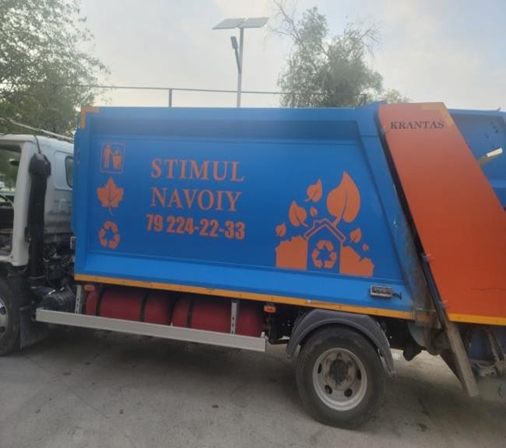
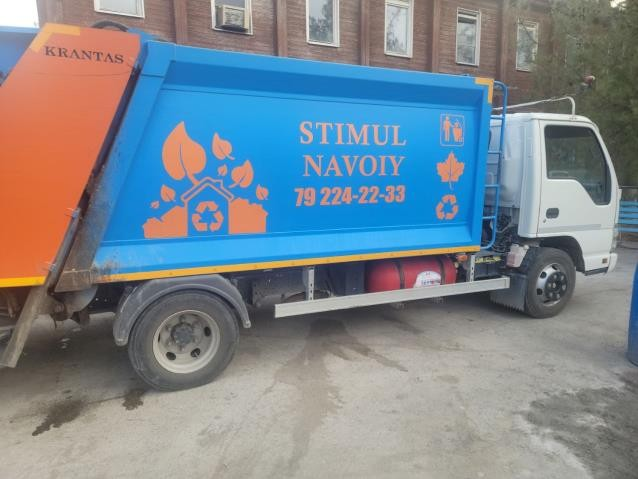
Additionally, Navoi State University cooperates with the local waste treatment company “Navoi Stimul” to manage the portion of organic waste that cannot be fully treated on campus. According to the university’s annual waste records, NSU produced 168 tons of organic waste this year, of which 42 tons were treated or reused through internal practices and external cooperation.
5. Composting Area for Organic Waste Treatment
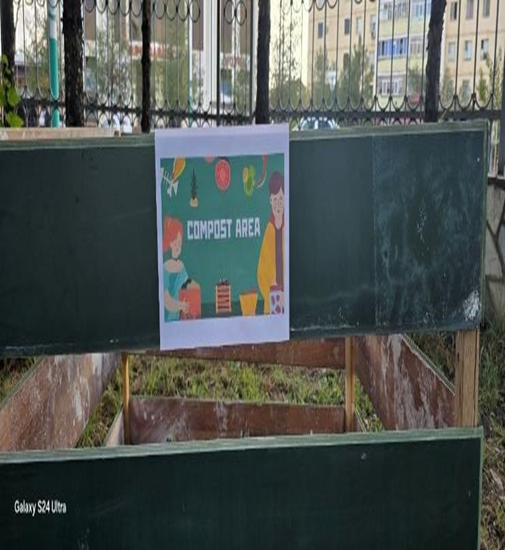
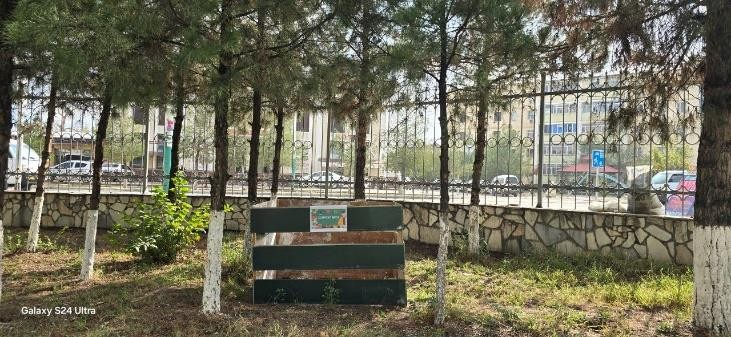
Navoi State University has established a dedicated composting area on campus to manage organic waste in an environmentally friendly way. This space is used to process food scraps, garden clippings, and other biodegradable materials collected from university facilities. The composting area is designed to ensure proper aeration and decomposition, resulting in nutrient-rich compost used for fertilizing campus gardens and green zones. Clear signage and regular monitoring ensure effective waste sorting and compost quality. The composting area also serves as a practical learning site for students studying environmental science and sustainability, reinforcing NSU’s commitment to green campus practices.
6. Promotional Campaigns on Organic Waste Treatment
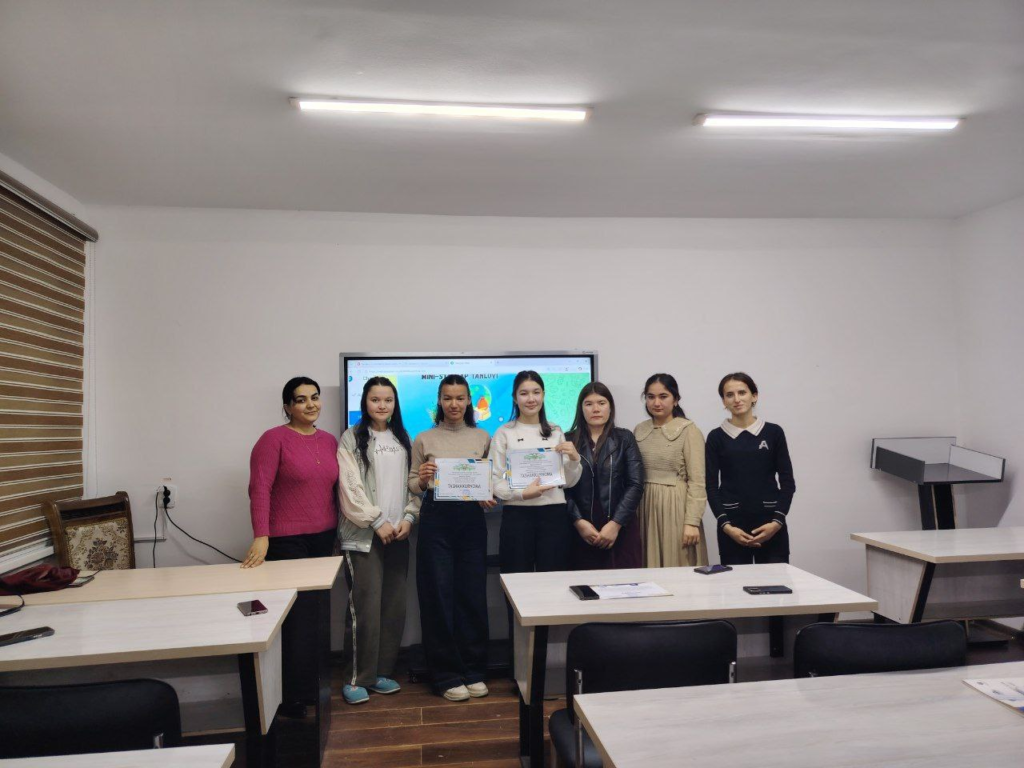
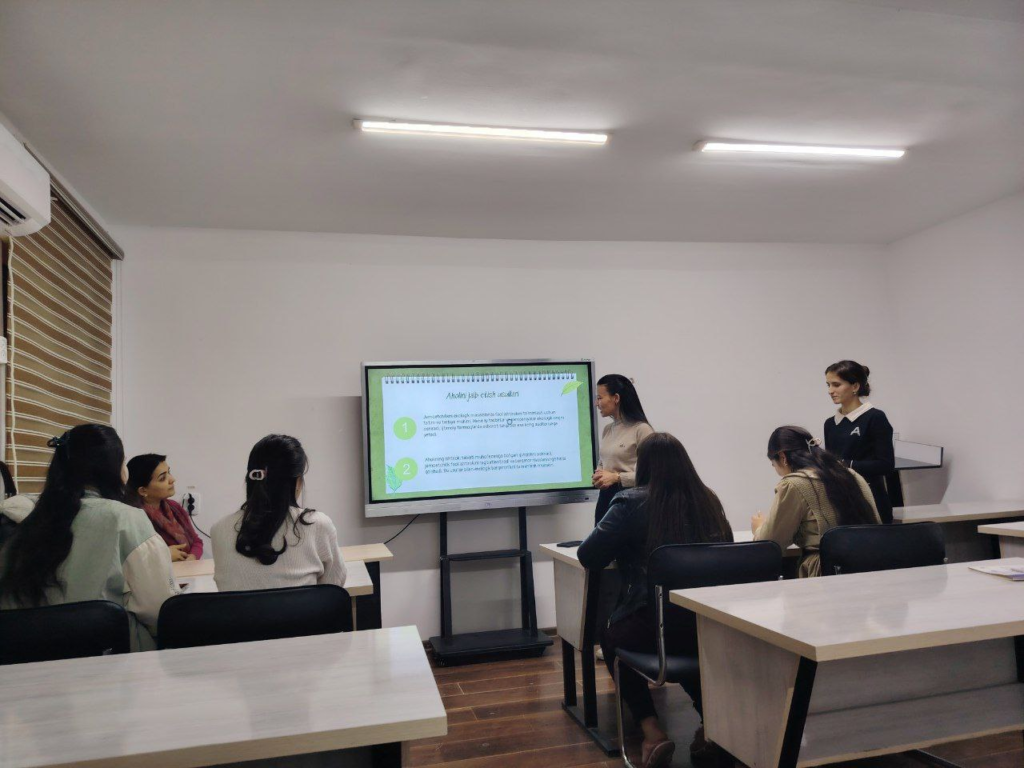
Navoi State University promotes organic waste treatment through regular environmental awareness campaigns, eco-actions, and campus greening activities involving students, teachers, tutors, and staff. During the reporting year, the university organized number of activities related to waste reduction, environmental protection, campus cleanliness, and sustainable consumption.
These activities included eco-seminars, plogging events, tree-planting campaigns, social media posts, faculty-level clean-up actions, and awareness talks. One of the key initiatives was the “Chiqindisiz tabiat!” plogging eco-action, where students and tutors cleaned designated areas, collected waste, and promoted recycling and circular economy principles. In addition, NSU carried out several “Yashil makon” activities, including tree planting, landscaping, and campus beautification.
These campaigns are closely linked with organic waste management because campus greening activities generate biodegradable materials such as fallen leaves, grass, branches, and plant residues. Students and staff are encouraged to separate such materials from general waste and reuse them for composting and soil enrichment. Through these promotional activities, NSU strengthens environmental awareness, supports waste separation practices, and encourages the university community to contribute to a cleaner and more sustainable campus.