Water Absorption Infrastructure and Stormwater Management System at Navoi State University
Navoi State University has developed an integrated stormwater management and water absorption system designed to maximize rainwater infiltration, reduce surface runoff, and improve groundwater recharge across the campus. The system combines permeable surfaces, water retention facilities, drainage infrastructure, and dedicated infiltration zones to support sustainable campus water management.
Overview
Indicator | Value |
Total Campus Area | 281,400 m² |
Water Absorption Area | 87,234 m² |
Share of Campus Dedicated to Water Absorption | 31% |
Permeable Surface Coverage | 48,000+ m² |
Green/Open Soil Infiltration Zones | 39,000+ m² |
Artificial Retention Ponds | 2 Units |
Open Drainage and Infiltration Channels | 1.1 km |
Buildings Connected to Roof Drainage System | 100% |
Stormwater Collection Points | 50+ |
Trees Supporting Water Infiltration | 1,392 |
1.Permeable Pavement and Infiltration Surfaces
Apart from the green surfaces the university utilizes permeable concrete blocks, gravel surfaces, and open soil zones that allow rainwater to infiltrate naturally into the ground. More than 48,000 m² of campus surfaces are designed to facilitate water absorption rather than direct runoff, helping to reduce pressure on drainage systems during rainfall events.
2. Roof Gutter and Stormwater Collection Network
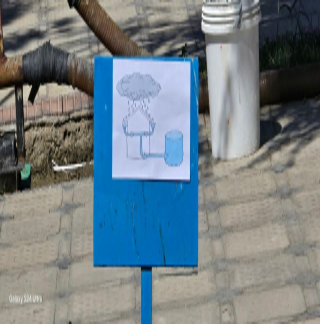
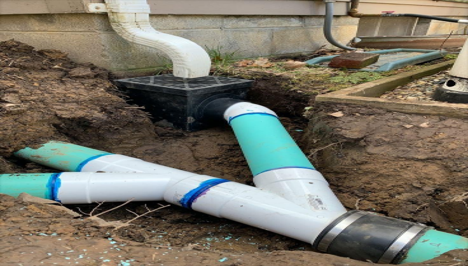
All major university buildings are equipped with roof gutter systems that collect rainwater from rooftops and direct it toward designated drainage channels, infiltration zones, and retention structures.
The roof drainage network serves as the first stage of the campus stormwater management system by capturing rainwater from building roofs; preventing uncontrolled runoff and soil erosion; directing water toward absorption areas; supporting groundwater recharge; reducing localized flooding risks during heavy rainfall.
The integration of roof gutters with campus drainage infrastructure ensures that rainfall is effectively managed and utilized through natural infiltration processes.
3. Rainwater Retention Structures and Ponds
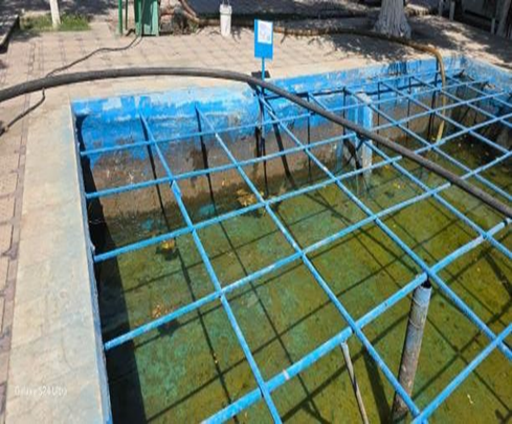
The university maintains artificial ponds and stormwater retention facilities equipped with protective mesh systems. These structures temporarily store runoff collected from surrounding surfaces and gradually release water into the soil profile. Nowadays, university has 2 rainwater collection units.
The retention facilities increase rainwater infiltration; reduce peak stormwater discharge; support groundwater replenishment; improve overall campus water resilience.