Water Conservation Awareness and Sustainable Water Management Initiatives
Navoi State University actively implements water conservation and sustainable water management initiatives in accordance with the national environmental and sustainability policies of Uzbekistan. The university’s activities are aligned with the Presidential Resolution No. PQ-5 of January 5, 2024, “On Measures to Improve the Water Resources Management System at the Lower Level and Increase the Efficiency of Water Resource Use”, as well as the Presidential Decree No. PF-37 of February 21, 2024, which approved the State Program for implementing the “Uzbekistan – 2030” Strategy, including the strategic priority of conserving water resources and protecting the environment.
In support of these national objectives, Navoi State University has integrated water conservation awareness campaigns into its sustainability programs and student engagement activities. Through seminars, roundtable discussions, environmental campaigns, and public outreach events, the university promotes responsible water consumption and sustainable resource management among students, staff, and local communities.
Particular attention is given to improving water-use efficiency and raising awareness about the importance of modern water management systems. The university supports initiatives related to the efficient operation of water supply and pumping systems, sustainable irrigation practices, and the reduction of water losses in arid regions.
As part of environmental awareness programs, students are encouraged to participate in activities promoting drought-resistant and low-water-demand plants, including basil and mint cultivation projects, which support both biodiversity conservation and efficient water use. These activities are linked to regional initiatives aimed at strengthening environmental sustainability and promoting climate-resilient landscapes.
Furthermore, the university regularly organizes educational programs and awareness campaigns such as the “Save Water Together” Challenge, “Water is Life” Campaign, environmental roundtables under the “Dolzarb 90 Days” initiative, and water safety awareness sessions. These activities help strengthen environmental responsibility and encourage the adoption of water-saving practices across the university community.
Through the implementation of these programs and activities, Navoi State University contributes to the national goals of improving water-use efficiency, promoting sustainable water management, and supporting the environmental objectives outlined in the “Uzbekistan – 2030” Strategy.
Water Conservation and Resource Efficiency Infrastructure Development
As part of its commitment to sustainable campus development and resource efficiency, Navoi State University implemented several initiatives aimed at improving water management and reducing resource consumption.
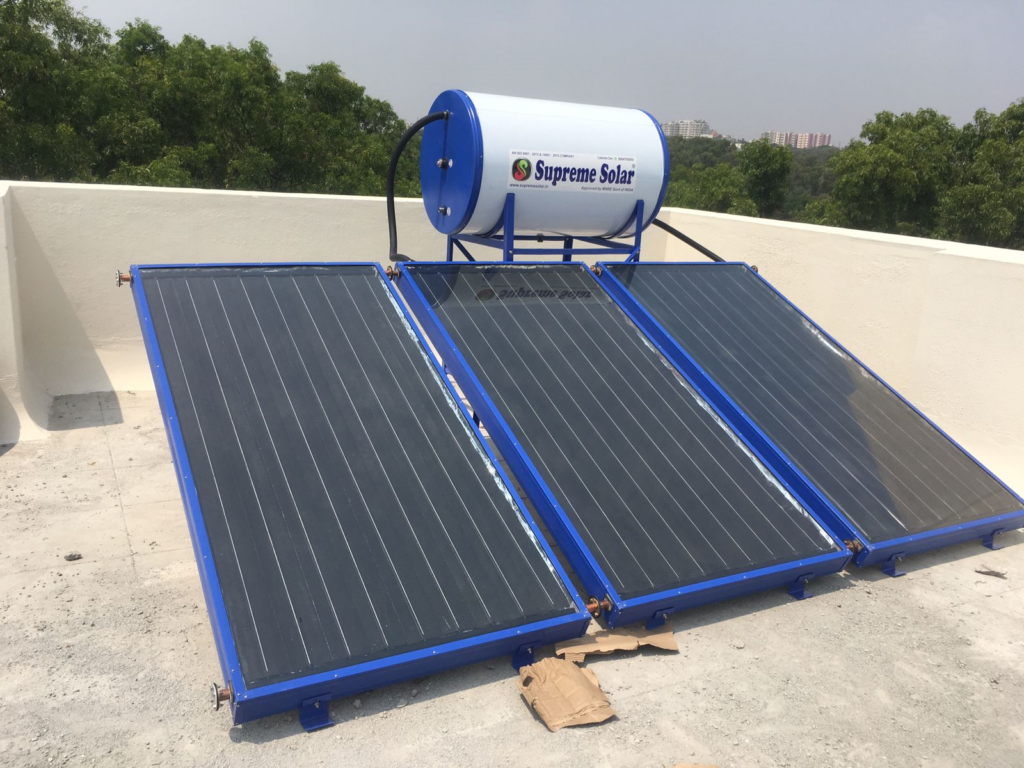
The university installed solar water-heating systems with a total capacity of approximately 20,000 liters, providing an energy-efficient solution for water heating and reducing reliance on conventional energy sources. In addition, renewable energy infrastructure was expanded through the installation of solar photovoltaic systems and solar-powered outdoor lighting facilities, contributing to more sustainable campus operations.
To improve water-use efficiency, the university upgraded and regularly maintains its water supply, irrigation, and pumping systems. These measures help minimize water losses, ensure reliable water distribution, and support efficient management of campus green areas.
The university also integrates technological improvements with awareness and educational activities, encouraging students and staff to adopt water-saving practices and responsible resource consumption habits. Through sustainability campaigns, training sessions, and community engagement programs, the university promotes a culture of environmental responsibility.
These investments in infrastructure and awareness contribute to the university’s long-term goals of improving water-use efficiency, reducing resource waste, and supporting sustainable water management in an arid region where water conservation is of strategic importance.
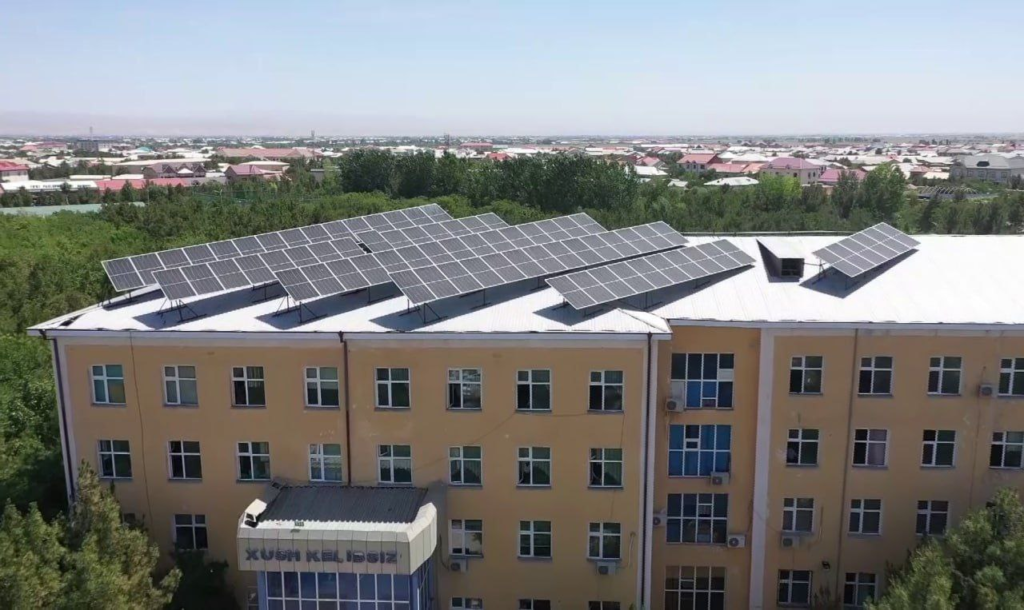
Research Initiatives for Water Conservation and Sustainable Resource Management
Following the increased national investment in science and innovation and the prioritization of water conservation research by the Government of Uzbekistan, Navoi State University expanded its research and educational activities focused on sustainable water management and resource efficiency.
Benefiting from the favorable environment created through national support for science, including the allocation of UZS 1.8 trillion for science and innovation in 2024, the university strengthened interdisciplinary research related to water conservation, climate resilience, soil productivity, and sustainable land use in arid regions.
The university encouraged academic staff, researchers, master’s students, and doctoral candidates to conduct studies on water-saving technologies, efficient irrigation methods, sustainable agricultural practices, and environmental protection. Research activities were integrated into academic programs and student projects to promote innovative solutions for addressing water scarcity challenges.
In addition, Navoi State University organized scientific seminars, research discussions, and awareness activities dedicated to sustainable water use and environmental sustainability. These initiatives provided opportunities for students and researchers to exchange knowledge and develop practical approaches to improving water-use efficiency in desert and semi-desert environments.
Through its research, innovation, and educational activities, Navoi State University contributes to the development of scientific solutions that support sustainable water resource management and environmental sustainability, in line with the strategic priorities of Uzbekistan’s long-term development agenda.
“Water is Not Free” Awareness Campaign
In alignment with the Resolution of the President of the Republic of Uzbekistan No. PQ-5 dated January 5, 2024, “On Measures to Improve the Water Resources Management System at the Lower Level and Increase the Efficiency of Water Resource Use”, Navoi State University organized the “Water is Not Free” awareness campaign to promote responsible water consumption and sustainable water management practices.
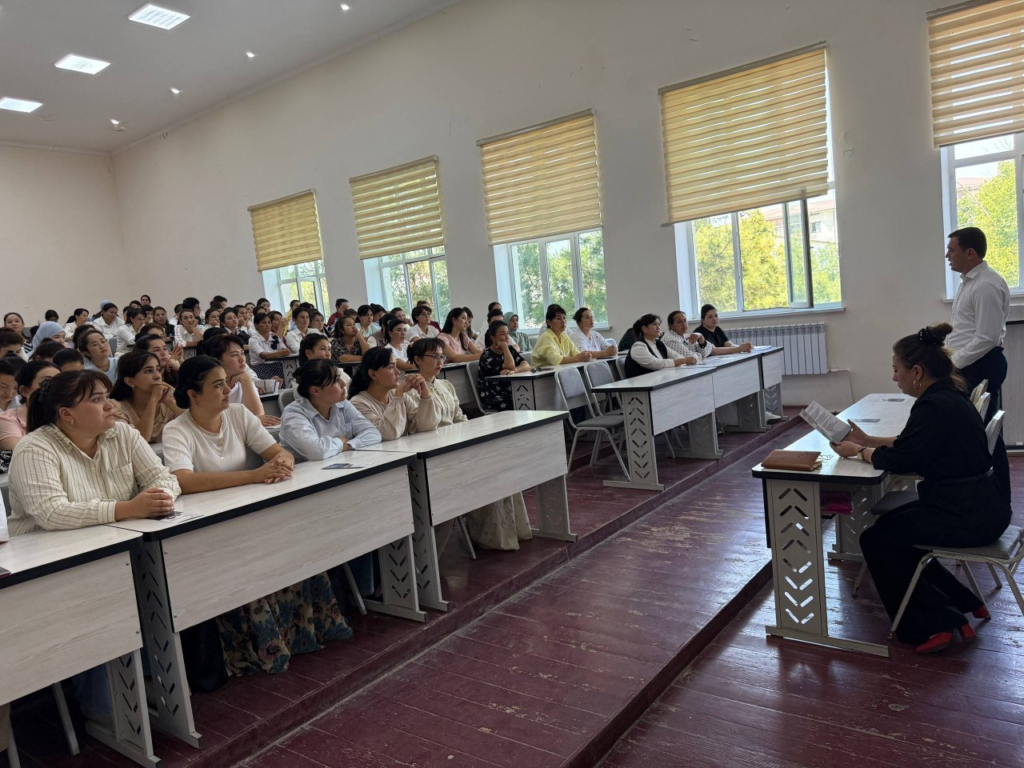
The campaign was conducted among students, academic staff, and administrative employees to increase awareness of water scarcity challenges and the economic value of water resources. Educational seminars, open discussions, and information sessions highlighted the importance of efficient water use, water-saving technologies, and individual responsibility in reducing water waste.
As part of the initiative, informational materials and digital content were distributed across campus, encouraging the university community to adopt water-saving behaviors, such as promptly reporting leaks, reducing unnecessary water consumption, and supporting sustainable irrigation practices in green areas. The campaign also introduced participants to national reforms aimed at improving water resource management and increasing water-use efficiency.
More than 500 students and staff members participated in awareness activities throughout the campaign period. The initiative contributed to strengthening environmental responsibility on campus and supported the university’s broader sustainability objectives under its Water Conservation Program.
Through educational outreach and stakeholder engagement, the university continues to promote efficient water use and support national efforts to ensure the sustainable management of water resources.
“Water Conservation and Environmental Protection Week – 2024”
In support of the Presidential Decree No. PF-37 of February 21, 2024, approving the State Program for the implementation of the “Uzbekistan – 2030” Strategy during the “Year of Supporting Youth and Business”, Navoi State University organized the “Water Conservation and Environmental Protection Week – 2024” campaign.
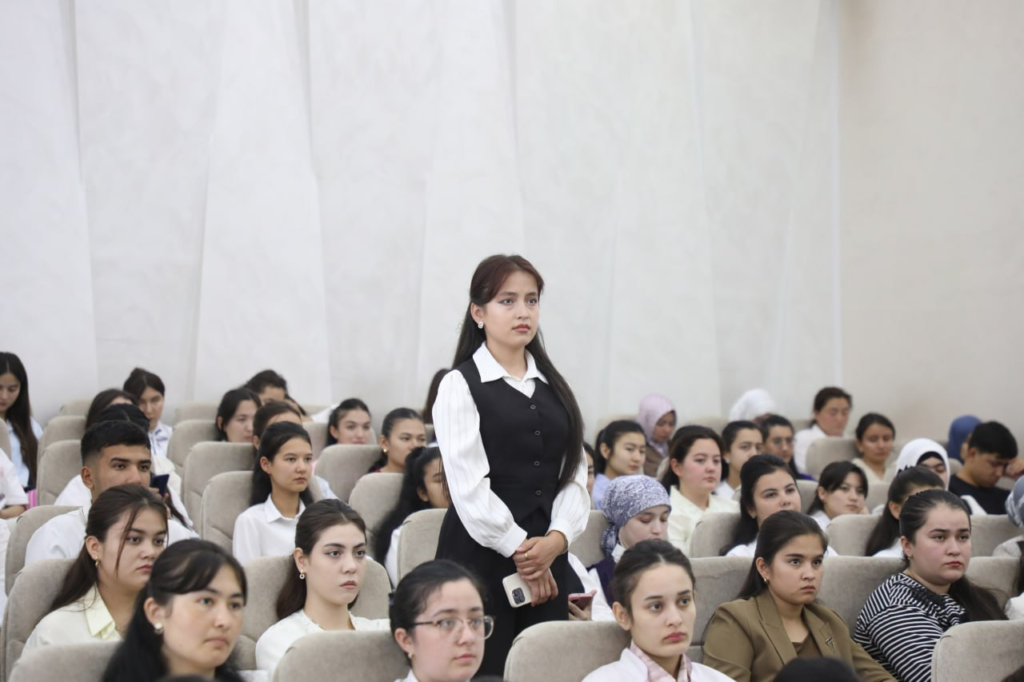
The event was dedicated to raising awareness of sustainable water management and environmental protection among students, academic staff, and local communities. The campaign supported one of the key priorities of the “Uzbekistan – 2030” Strategy: saving water resources and protecting the environment.
Throughout the week, the university conducted educational seminars, expert lectures, student competitions, and awareness sessions focused on water conservation, efficient water use, climate change adaptation, and environmental responsibility. Participants were introduced to national policies aimed at improving water resource management and reducing water losses.
More than 700 students and staff members participated in the campaign activities. Information materials on water-saving practices were distributed across campus, and students were encouraged to develop innovative ideas for reducing water consumption in educational institutions and households.
The campaign strengthened environmental awareness, promoted responsible water-use behavior, and contributed to the university’s sustainability goals in line with the national objectives of the “Uzbekistan – 2030” Strategy.
“Every Drop Counts” Student Water Conservation Challenge
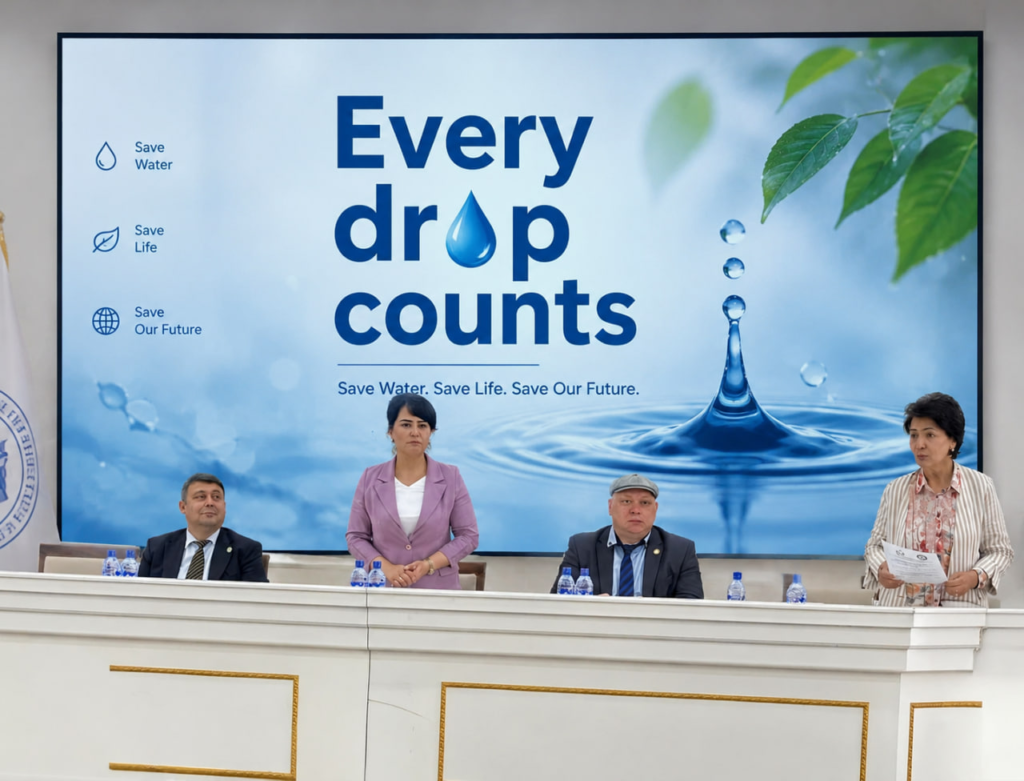
As part of the implementation of the “Uzbekistan – 2030” Strategy and its priority objective of conserving water resources and protecting the environment, Navoi State University launched the “Every Drop Counts” Student Water Conservation Challenge.
The initiative aimed to encourage students to develop practical solutions for reducing water consumption on campus and in local communities. The competition brought together students from different faculties to propose innovative ideas related to water-saving technologies, efficient irrigation methods, leak detection systems, and public awareness campaigns.
During the challenge, participants attended training sessions on sustainable water management and presented project proposals focused on improving water-use efficiency. A panel of university experts evaluated the projects based on innovation, feasibility, and potential environmental impact.
The competition involved more than 350 students, with 45 project proposals submitted and 10 best projects selected for further development and promotion. In addition, awareness materials on responsible water use were distributed to students and staff across the campus.
The initiative contributed to strengthening environmental awareness, fostering innovation in water conservation, and supporting the objectives of the “Uzbekistan – 2030” Strategy by promoting sustainable water management practices among young people.

“Protect Water, Protect Life” Environmental Awareness Campaign
On the occasion of International Bird Day, Navoi State University organized the “Protect Water, Protect Life” environmental awareness campaign in cooperation with environmental organizations and student volunteers. The event highlighted the vital connection between water resources, ecosystem health, and biodiversity conservation.
During the campaign, experts emphasized that the survival of many bird species depends directly on the availability of clean water sources, wetlands, and healthy aquatic ecosystems. Students learned about the importance of water conservation in protecting natural habitats and maintaining ecological balance in arid regions of Uzbekistan.
As part of the initiative, more than 400 students and staff members participated in educational sessions focused on sustainable water management, water pollution prevention, and the protection of local ecosystems. Information materials were distributed to raise awareness about responsible water use and the role of individuals in reducing water waste.
The campaign also included the installation of 30 birdhouses in the university garden as a symbolic reminder that biodiversity and wildlife conservation depend on healthy water resources and sustainable environmental management. Student exhibitions and presentations further promoted the message that protecting water is essential for preserving ecosystems and supporting life.
Through this event, the university strengthened environmental awareness and encouraged the campus community to support national efforts aimed at water conservation, ecosystem protection, and sustainable development.
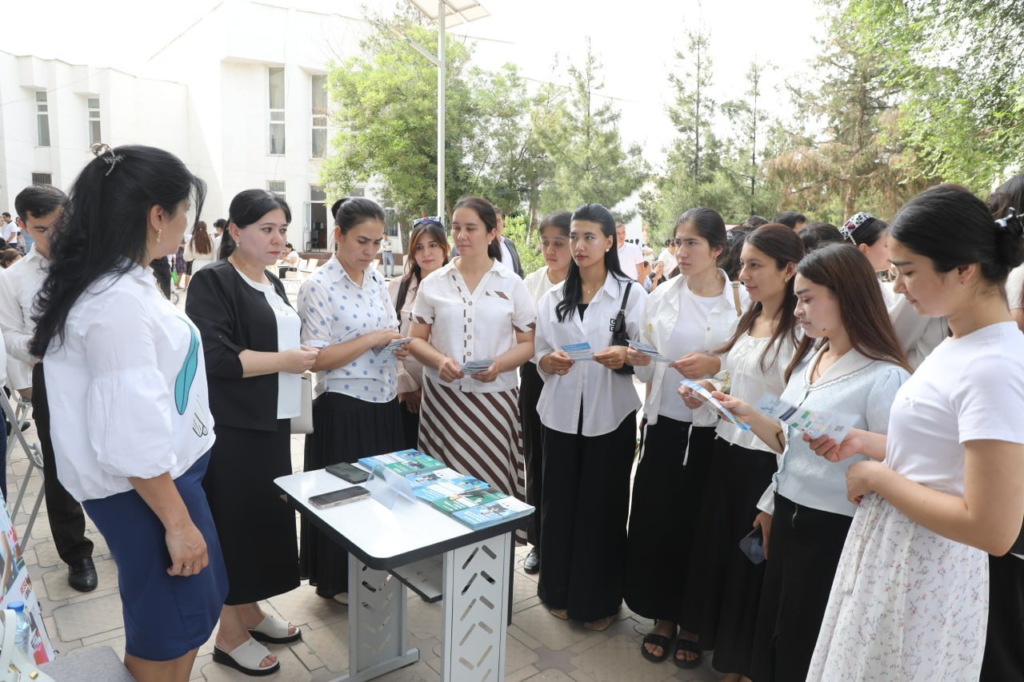
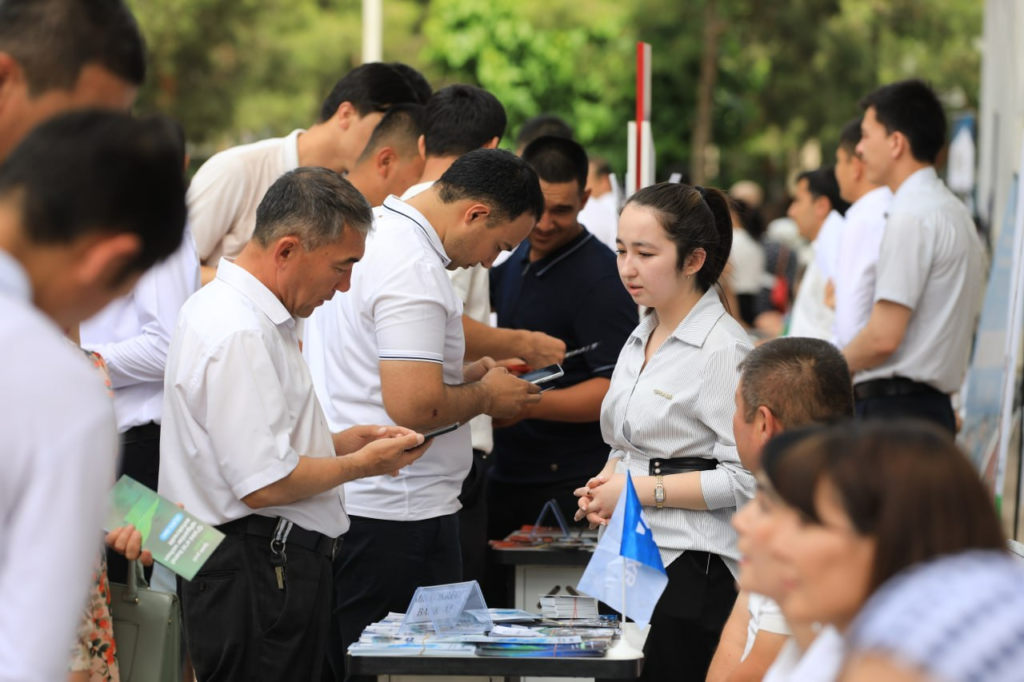
“Water Safety and Responsible Use of Water Bodies Awareness Session”
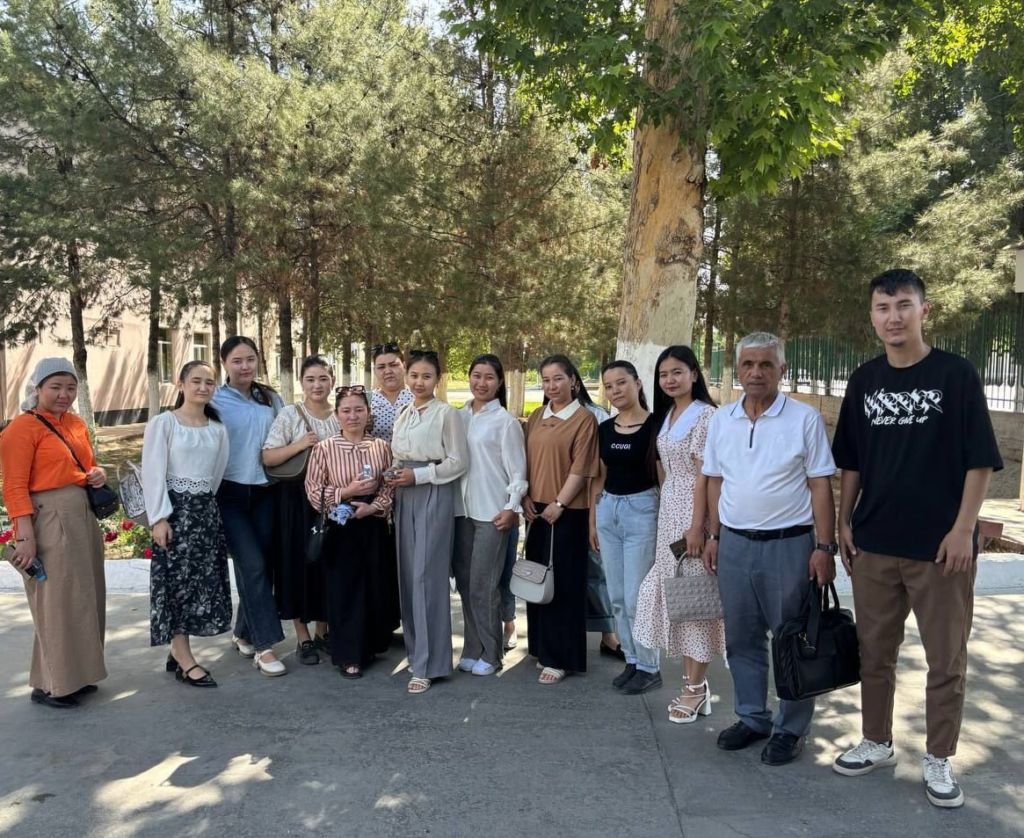
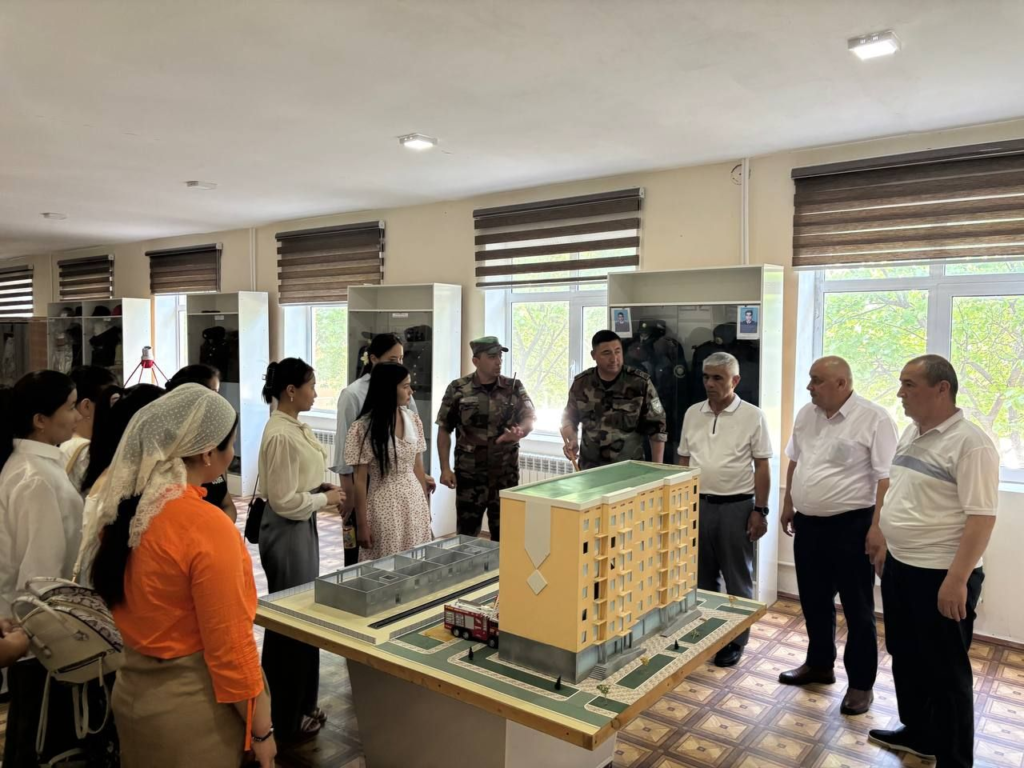
Navoi State University organized an educational visit for 3rd-year students of the “Kazakh Language and Literature” program to the Fire and Rescue Department museum under the Emergency Situations Directorate of Navoi region.
During the visit, specialists from the Navoi City Emergency Situations Department delivered practical training sessions on fire safety, carbon monoxide poisoning prevention, and safe behavior around water bodies. Special attention was given to raising awareness about the risks associated with swimming in unauthorized water areas, particularly during the summer season.
The training emphasized that unsafe use of natural and artificial water bodies can lead to serious accidents, and highlighted the importance of following safety regulations when interacting with water resources. Students were informed about regional preventive measures implemented to reduce water-related emergencies and improve public safety.
More than 60 students participated in the session, gaining essential knowledge on emergency response and responsible behavior near water environments. The activity contributed to strengthening public awareness on water safety and supported broader efforts to ensure sustainable and safe use of water resources in the region.
“Water Conservation Awareness Talk within ‘Dolzarb 90 Days’ Initiative”
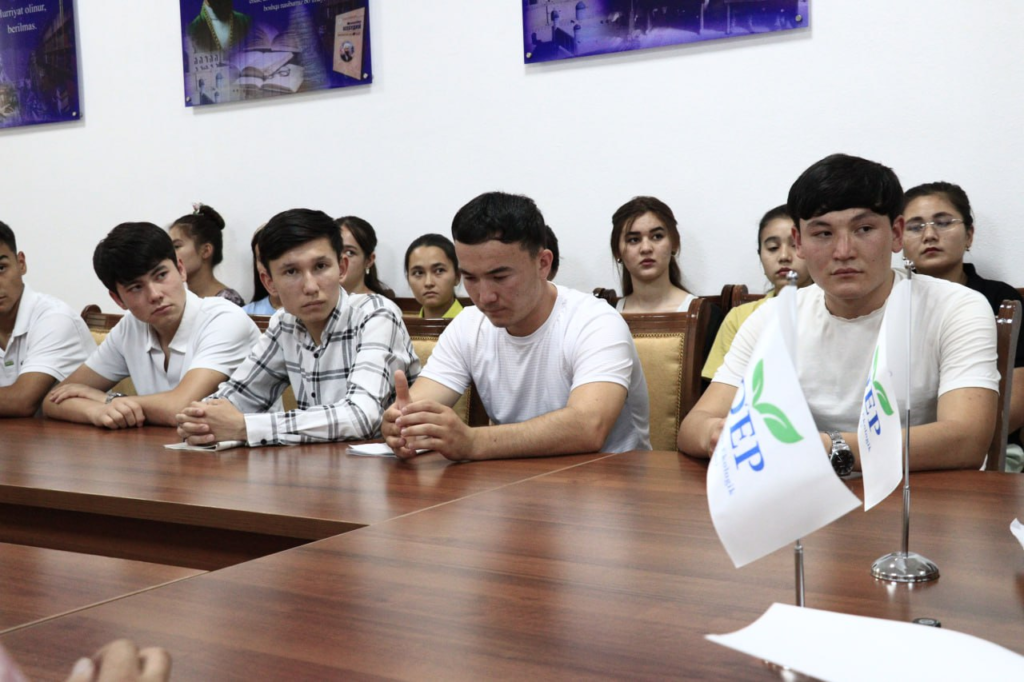
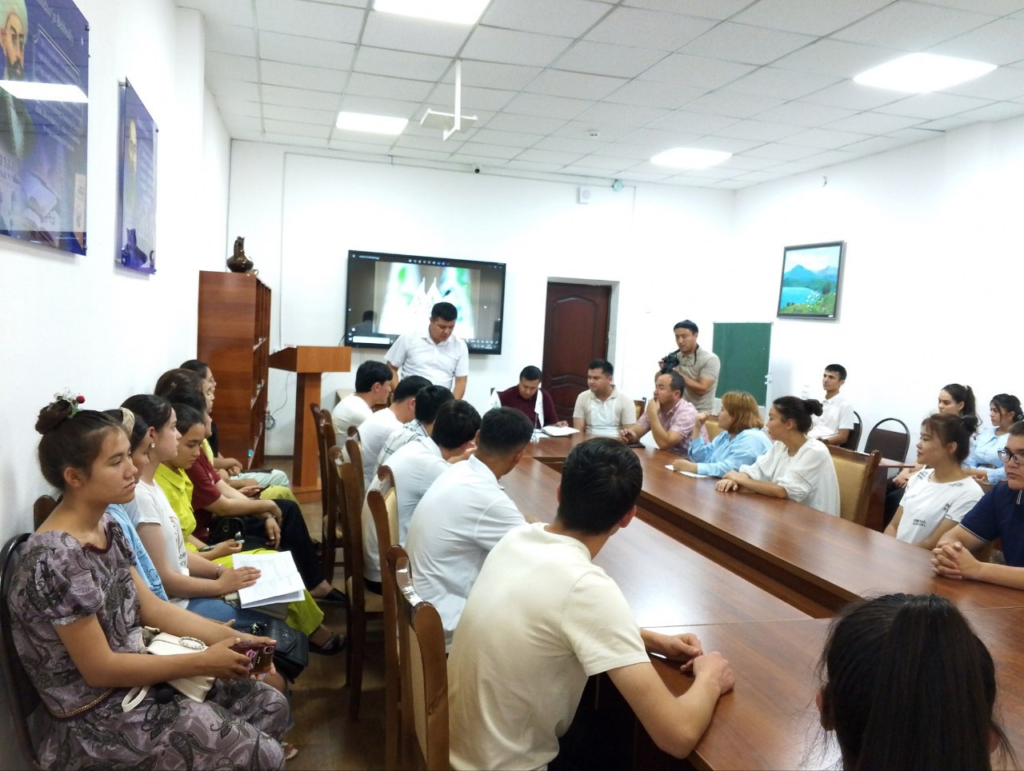
As part of the “Dolzarb 90 Days” national initiative, Navoi State University organized an ecological roundtable discussion in collaboration with the Navoi regional branch of the Ecological Party of Uzbekistan and a non-governmental organization.
The discussion focused on sustainable environmental practices, with particular emphasis on the rational use of water resources as one of the key components of environmental protection. Experts highlighted the importance of reducing water wastage, improving water-use efficiency, and promoting responsible behavior among youth.
More than 80 students participated in the session, actively engaging in discussions and sharing ideas on improving water conservation practices in daily life and on campus.
“Sustainable Water Use and Environmental Responsibility Seminar”
Within the framework of the “Dolzarb 90 Days” project, a thematic seminar was organized for students on sustainable environmental development. The session included a dedicated block on efficient use of water and protection of natural water resources.
Speakers explained the importance of preserving freshwater sources, reducing pollution, and implementing water-saving practices in both urban and rural areas. Students were encouraged to adopt environmentally friendly habits and contribute to water conservation efforts in their communities.
The seminar strengthened students’ understanding of the link between environmental culture and sustainable water management.
“Youth Dialogue on Water and Environmental Sustainability”
A youth-oriented dialogue session was held under the “Dolzarb 90 Days” initiative, where students discussed pressing environmental issues, including water scarcity and efficient water consumption.
Participants exchanged views on how universities and young people can contribute to solving water-related environmental challenges. Experts emphasized the importance of awareness-raising campaigns and student involvement in water-saving initiatives.
The event promoted active civic engagement and environmental responsibility among students.
“Eco-Culture Development Session: Focus on Water Resources”
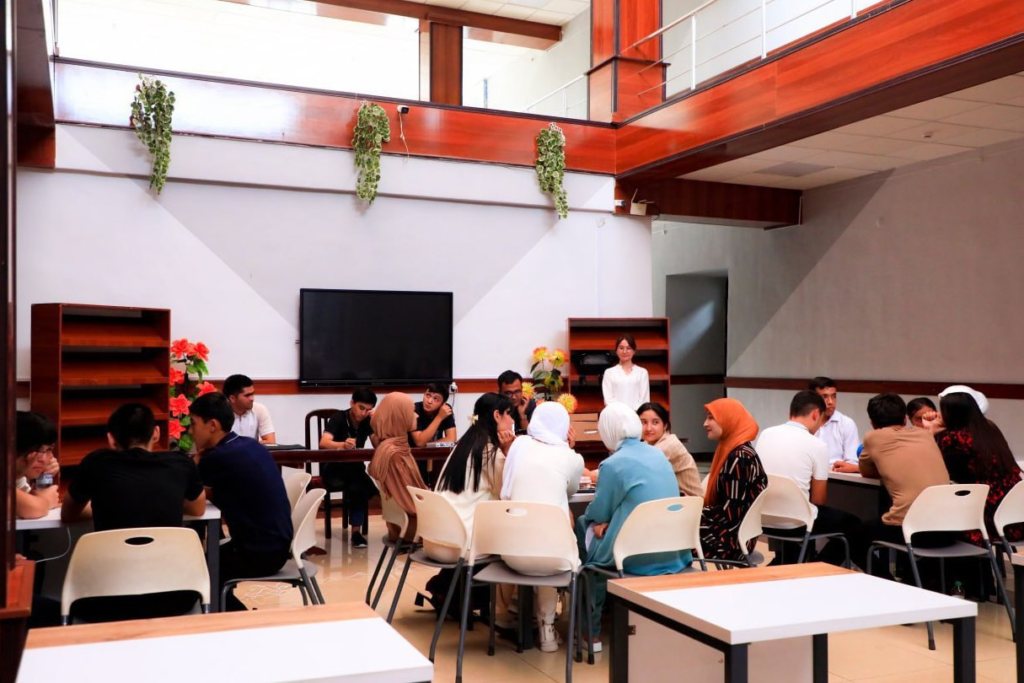
A special eco-education session was conducted as part of the “Dolzarb 90 Days” program, aimed at strengthening ecological culture among students. One of the key topics addressed was the sustainable use of water resources and prevention of water pollution.
The session highlighted practical measures such as reducing unnecessary water consumption, protecting water ecosystems, and supporting environmental sustainability at the university level.
Students were encouraged to develop eco-friendly behavior patterns and participate in ongoing sustainability initiatives on campus.
“Safe Water Use and Drowning Prevention Awareness Campaign”
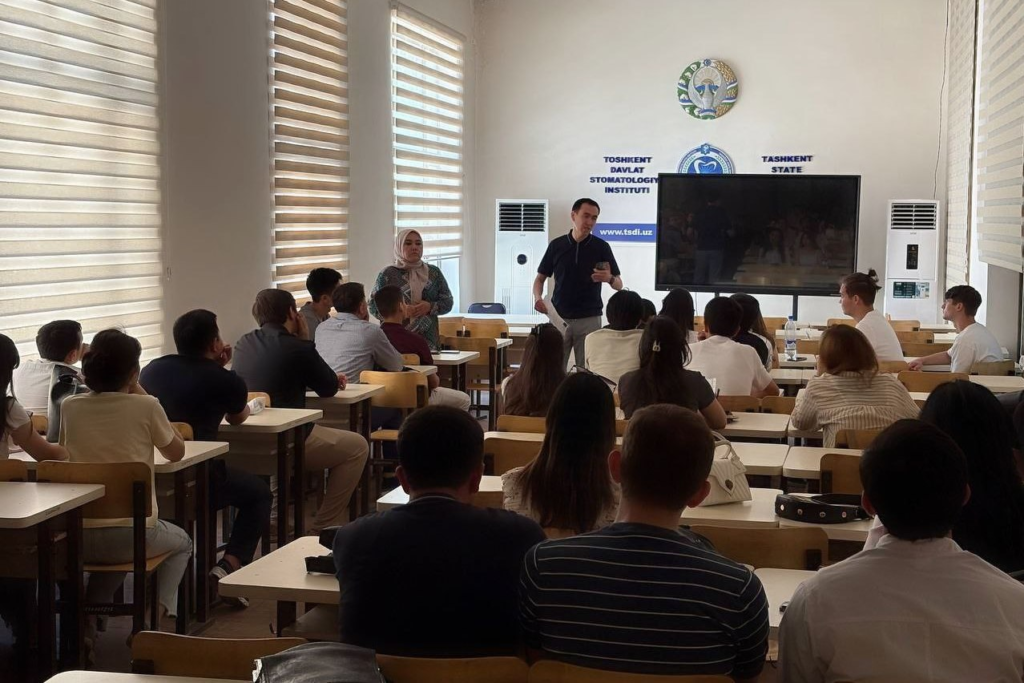
Within the framework of the “Dolzarb 90 Days” initiative, Navoi State University organized a public awareness campaign titled “Safe Water Use and Drowning Prevention Awareness” aimed at promoting responsible behavior around water bodies during the summer season.
The campaign highlighted that water is a vital resource for life, but uncontrolled and unauthorized use of water bodies can pose serious risks to human safety. Students and young people were informed about the dangers of swimming in prohibited areas such as rivers, canals, irrigation channels, reservoirs, and artificial ponds where rescue services are not available.
According to safety briefings delivered during the campaign, such water bodies may have unpredictable water levels, strong currents, and unknown underwater conditions, significantly increasing the risk of drowning incidents. Participants were encouraged to strictly follow safety regulations and avoid entering restricted water areas.
The awareness activity emphasized that even a moment of negligence in unsafe water environments can lead to irreversible consequences. Educational materials and guidance sessions were provided to increase public awareness, especially among youth and children.
More than 300 participants, including students and community members, were engaged in the campaign activities. The initiative contributed to strengthening water safety awareness and supporting responsible use of water resources in the region.
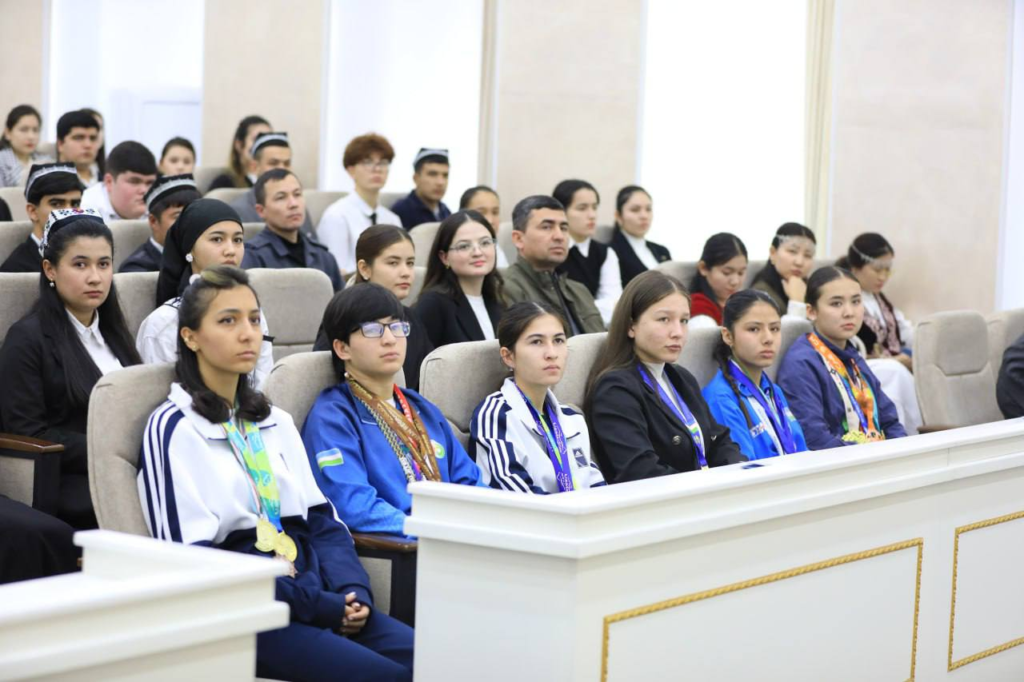
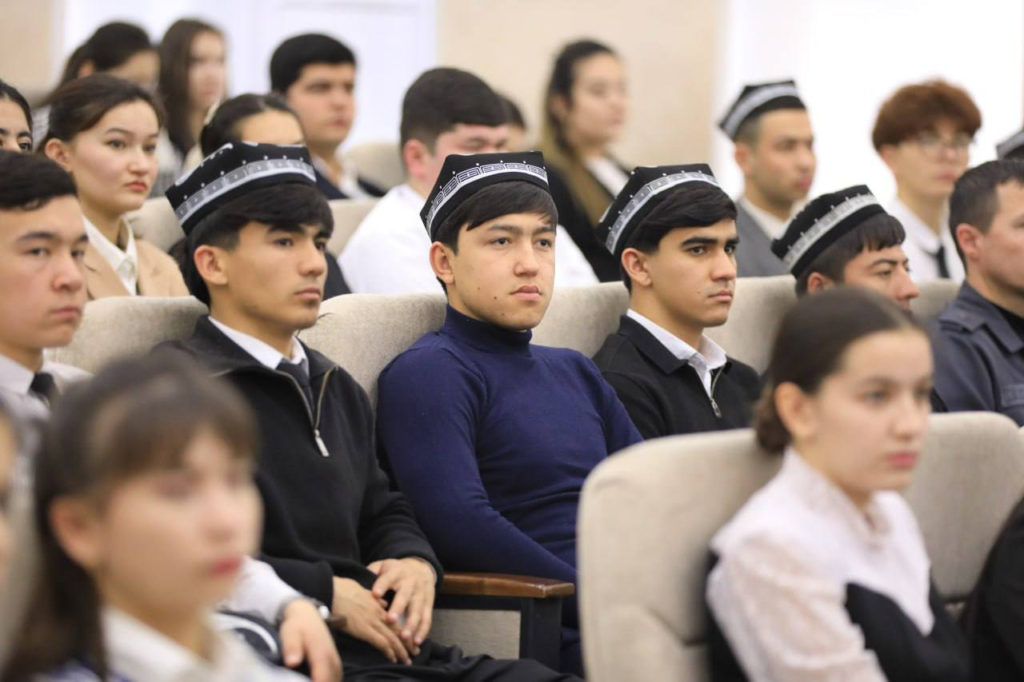
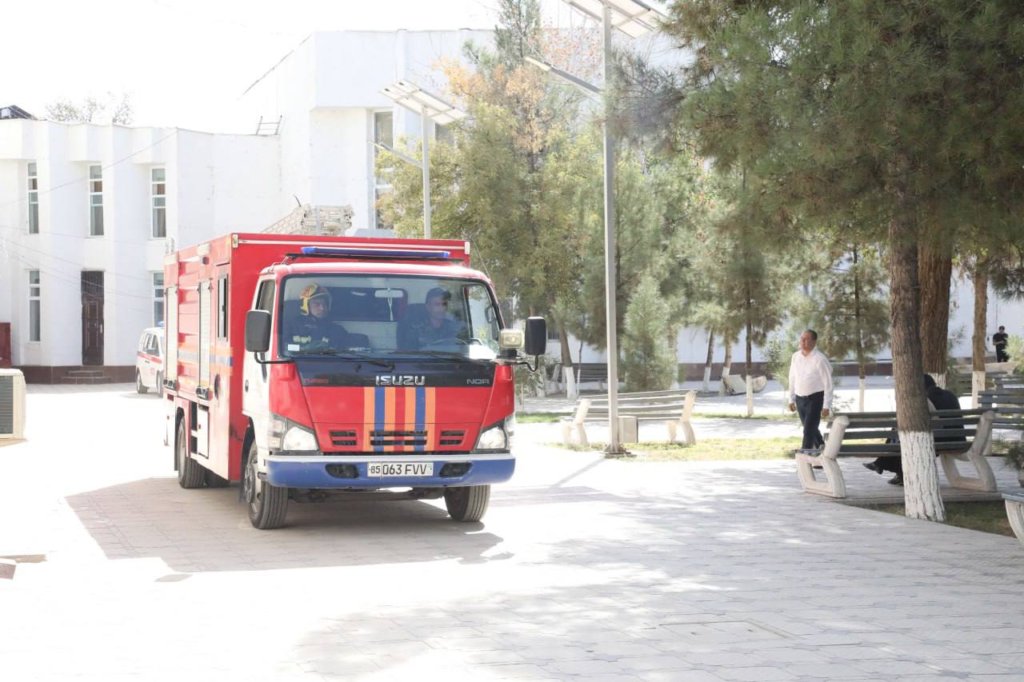
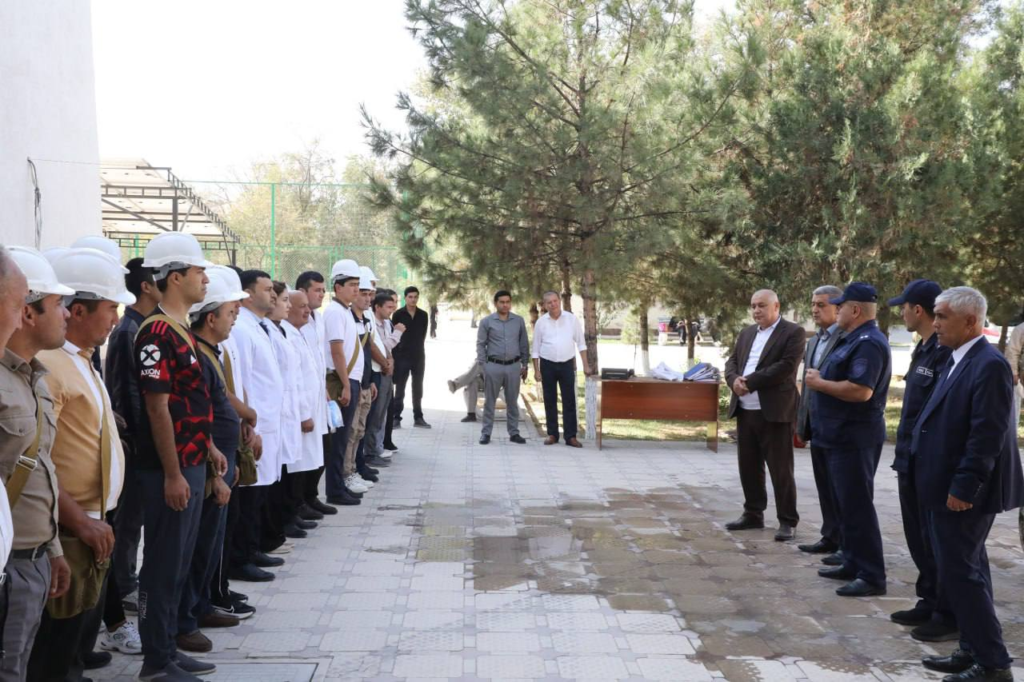
“Emergency Response and Water Infrastructure Safety Simulation Exercise”
Navoi State University conducted a special tactical training exercise at the main campus building in cooperation with emergency response services and utility providers.
The primary objective of the exercise was to test the coordinated actions of university administration, staff, civil protection units, and relevant service organizations in the event of natural and technological emergencies, including potential disruptions to essential infrastructure such as water, gas, and electricity supply systems.
During the training, participants received both theoretical and practical instruction on emergency response procedures, including protective measures and initial actions to be taken in situations affecting critical infrastructure. Special emphasis was placed on ensuring the continuity and safety of essential services, particularly water supply systems, during emergency conditions.
The exercise involved the participation of the Emergency Situations Department, gas, water, and electricity supply enterprises, the regional medical emergency center, the National Guard, and other relevant agencies. Their coordinated involvement demonstrated an integrated approach to infrastructure resilience and emergency preparedness.
More than 250 staff members and students participated in the simulation, gaining practical skills in managing emergency situations and ensuring the safety and stability of essential water-related infrastructure systems on campus.
“Campus Clean-Up and Water Drainage Maintenance Campaign within National Public Charity Initiative”
Within the framework of the nationwide public charity campaign under the slogan “Prosperity of the Homeland Begins from the Neighborhood”, Navoi State University organized a large-scale campus clean-up and environmental improvement initiative aimed at enhancing sanitation, landscaping, and sustainable water management across the university territory.
A total of 2,143 participants, including academic staff and students (of which 1,379 were students), actively took part in the initiative. The campaign demonstrated a strong sense of environmental responsibility and community engagement among the university population.
As part of the activity, special attention was given to the maintenance of water drainage and irrigation infrastructure on campus. Approximately 1.1 kilometers of open drainage channels and irrigation ditches were cleaned to ensure the free and efficient flow of water, thereby reducing the risk of water stagnation and improving campus environmental hygiene.
In addition, routine inspection and maintenance were carried out on the university’s irrigation systems to identify and address technical issues affecting water distribution efficiency. These measures contribute to improved water management and support sustainable use of water resources within the campus environment.
The campaign also included the improvement of green areas through landscaping activities, maintenance of 1,392 trees, and preparation of land plots for seasonal planting. Approximately 10 tons of waste materials were collected and removed from the campus and surrounding areas, reducing environmental pollution and preventing contamination of water drainage systems.
The initiative strengthened practical environmental management skills among participants and contributed to improving campus sustainability, particularly in relation to water flow management, drainage system maintenance, and environmental hygiene.
“Water is Life: Promoting Sustainable Water Use Awareness Campaign”
Navoi State University conducted a campus-wide awareness campaign under the message “Water is Life. Let’s Protect It Together!” aimed at strengthening responsible water-use behavior among students and staff.
The initiative emphasized that water conservation can be achieved through simple daily habits that collectively lead to significant environmental impact. Participants were encouraged to adopt practical water-saving behaviors such as reducing unnecessary water usage, promptly reporting leaks, and using water responsibly in both academic and residential environments.
The campaign highlighted that water protection is not only a current necessity but also a responsibility toward future generations. Through awareness materials, discussions, and visual messages across campus, the university promoted a culture of sustainability and environmental responsibility.
More than 600 members of the university community were engaged in the campaign activities, reinforcing the importance of individual contribution to collective water conservation goals.
This initiative contributes to the university’s ongoing efforts to promote sustainable water management practices and supports national and global objectives related to water resource conservation.
“Save Water Together” Inter-University Challenge Campaign
Navoi State University, in collaboration with student coordinators and active youth representatives from higher education institutions in the region, organized the “Save Water Together” challenge campaign aimed at promoting sustainable water consumption practices.
The initiative was designed to foster a culture of responsible water use among young people, enhance environmental awareness, and strengthen individual accountability in protecting natural water resources. Through this campaign, students were encouraged to adopt water-saving behaviors in their daily lives and actively contribute to environmental sustainability efforts.
The challenge engaged participants from multiple higher education institutions across the region, making it a collective inter-university initiative focused on water conservation advocacy and behavioral change.
The campaign emphasized that water conservation is a shared responsibility and that small individual actions—when multiplied across communities—can lead to significant positive environmental impact. Participants were encouraged to promote water-saving practices through social engagement, peer influence, and community awareness activities.
This initiative strengthened youth involvement in sustainability programs and contributed to the development of long-term environmental responsibility and water conservation culture within the academic community.
“Memorandum on Sustainable Water Management and Desert Ecosystem Restoration Research”
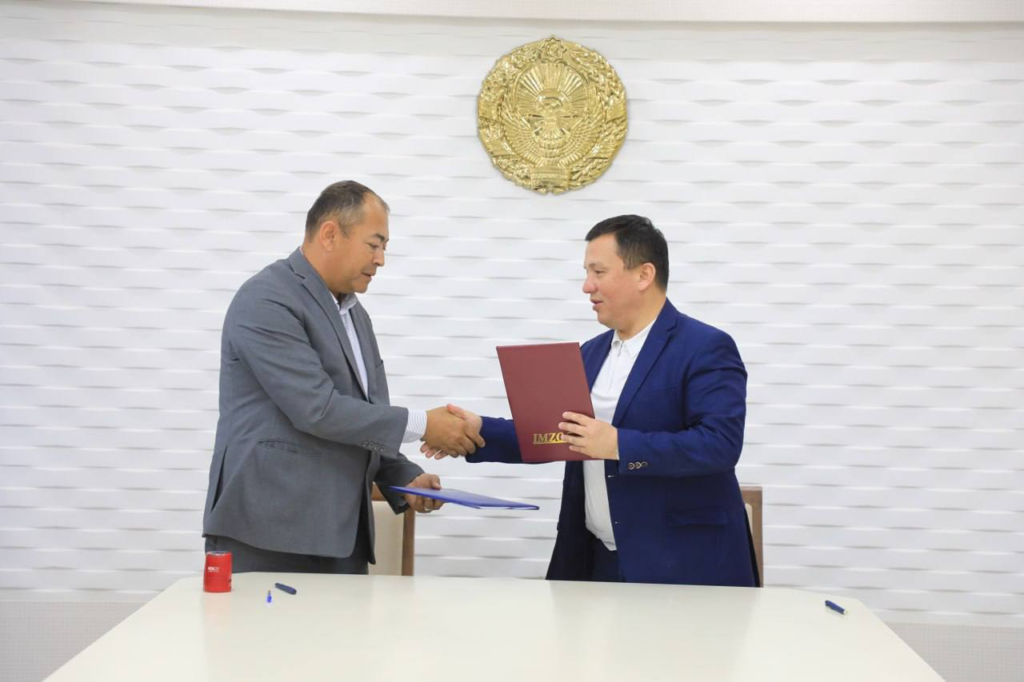
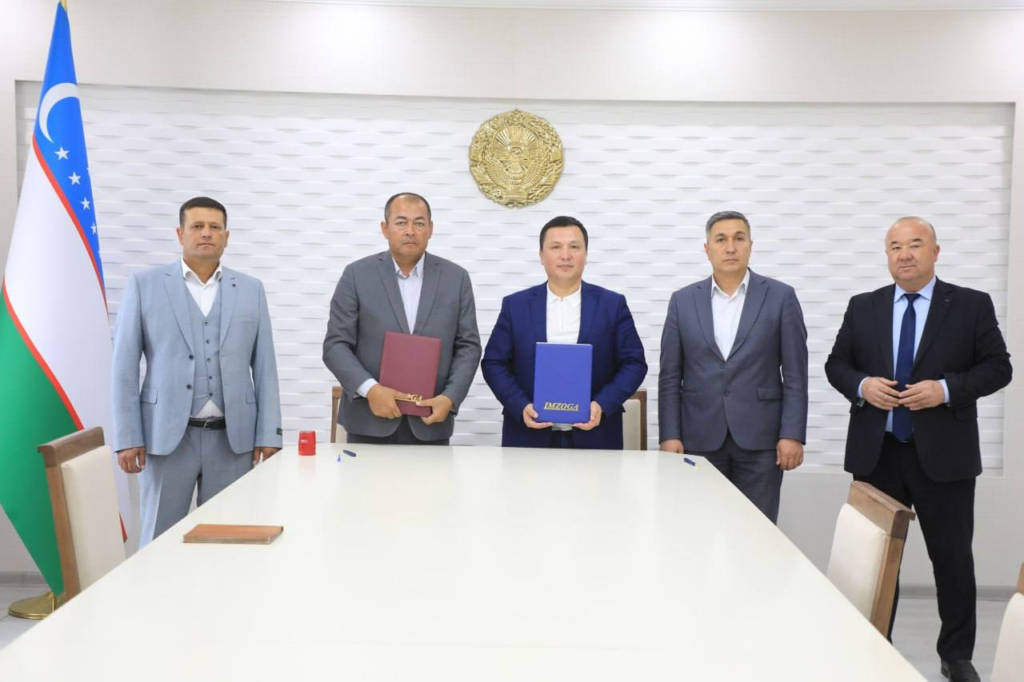
Navoi State University signed a memorandum of cooperation with the Research Center for Forestry Development in Desert Regions, aimed at strengthening collaboration in science, innovation, and human resource development with a strong focus on environmental sustainability and water resource management.
The partnership prioritizes joint efforts in addressing critical environmental challenges in arid and semi-arid regions, particularly through the application of water-efficient technologies and sustainable land management practices.
Key areas of cooperation include scientific research on the introduction and adaptation of desert plant species, soil reclamation, and the implementation of water-saving irrigation technologies to improve ecosystem resilience in water-scarce environments. These activities are essential for mitigating land degradation and supporting sustainable water use in desert landscapes.
The collaboration also emphasizes ecological sustainability by supporting research projects aimed at combating soil erosion and degradation, while promoting innovative approaches to water conservation in forestry and land restoration initiatives.
In the field of education, the memorandum provides opportunities for students and researchers to engage in practical training, internships, and joint research activities focused on sustainable water management and environmental protection. This integration of academic learning with field-based research strengthens students’ competencies in addressing real-world water and environmental challenges.
Through innovation-driven cooperation, the partners aim to develop and implement scientific solutions that contribute to sustainable water use, ecosystem restoration, and climate resilience in desert regions.
This initiative represents a significant step toward advancing applied research and fostering highly qualified specialists in sustainable water and environmental management.