Preventive Methods
Carbon Reduction Programs at Navoi State University
Navoi State University (NSU) operates a comprehensive, institution-level carbon management process that combines large-scale renewable generation, systematic energy-efficiency investments, smart monitoring, low-carbon mobility, water and resource conservation, ecosystem enhancement, research and education, and robust governance — collectively enabling NSU to produce more renewable electricity than it consumes and to continuously reduce operational greenhouse-gas emissions.
1. Institutional Framework and Strategic Context
1.1. Institutional commitment and strategic alignment
Navoi State University has formally embedded carbon management and greenhouse-gas (GHG) reduction into its operational strategy. The university’s approach is anchored in national policy — notably Presidential Decree PF-16 (30 January 2025) on the Uzbekistan–2030 Strategy and the national Green Economy program — and aligned with international goals such as Affordable and Clean Energy and Climate Action. This alignment ensures that campus actions contribute directly to national climate targets and international sustainability reporting.
1.2. Governance and responsibilities
Carbon management at Navoi State University is coordinated through a distributed governance structure with clearly defined roles and responsibilities. The process is jointly managed by the Unit for the Coordination of Construction Works and the Vice-Rector for Capital Constructions, who oversee the planning, implementation, and supervision of energy-efficient infrastructure and renewable energy systems. The Rector provides overall leadership and ensures that all initiatives align with the university’s strategic development and sustainability goals. Institutional oversight and policy guidance are provided by the University Committee and the Sustainability Committee, which are responsible for approving related policies, monitoring progress, and evaluating performance. This governance model ensures effective coordination between decision-making at the central level—covering policy, budget, and long-term planning—and operational execution across faculties, laboratories, and student facilities.
Navoi State University has established a structured and data-driven approach to monitoring and reducing carbon emissions across all campuses. A core element of this system is the university’s formal tracking of greenhouse gas emissions according to GHG Protocol Scope 1 and Scope 2 standards, which ensures internationally recognized accuracy and transparency.
The university annually measures:
Scope 1 emissions — direct emissions generated from sources owned or controlled by the university, such as university vehicles, fuel combustion, and on-site energy use.
Scope 2 emissions — indirect emissions from purchased electricity, heat, or cooling.
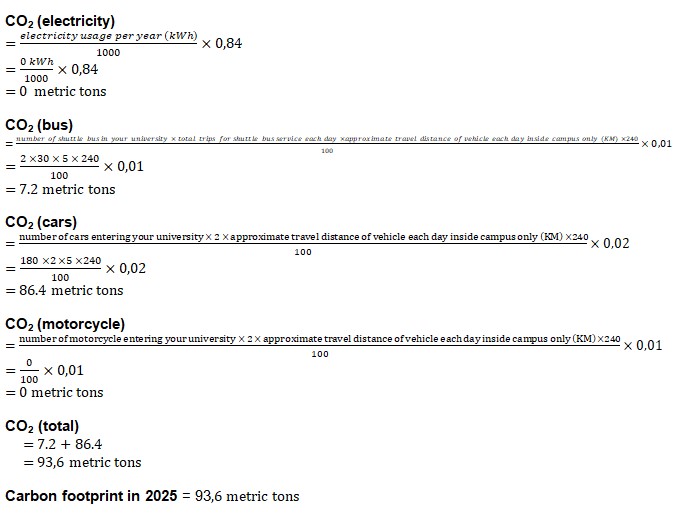
Through this monitoring framework, NSU evaluates the carbon impact of its energy consumption and transportation activities, identifies priority areas for emission reduction, and measures progress over time. For 2024-2025, the university recorded a total carbon footprint of 93.6 metric tons, of which 86.4 metric tons resulted from cars and 7.2 metric tons from bus transport. This baseline plays a crucial role in guiding targeted reduction strategies and evaluating the effectiveness of clean-energy initiatives implemented throughout the campus.
Sustainable Mobility and Transport Measures: E-Scooter Introduction
As part of its comprehensive carbon reduction strategy, Navoi State University is expanding sustainable mobility options through the planned introduction of electric scooters (e-scooters) across campus. This initiative is designed to replace short-distance car trips with a clean, zero-emission mode of transport, directly reducing the number of gasoline-powered vehicles operating within university grounds.
The e-scooters will be placed at multiple docking stations throughout key academic and residential zones. An integrated mobile application will support the system by enabling users to locate, unlock, and return scooters efficiently, ensuring proper tracking and responsible use. By offering this alternative, the university aims to decrease greenhouse gas emissions, reduce noise pollution, and improve overall air quality on campus.
This mobility initiative aligns with national efforts to promote environmentally friendly transportation and reflects the university’s commitment to building a low-carbon campus environment. By encouraging students and staff to adopt e-scooters for daily movement, Navoi State University is fostering a culture of conscious, sustainable mobility while maintaining convenience and accessibility for the entire campus community.


Campus Bicycle Program
Navoi State University actively promotes cycling as an emission-free and environmentally responsible mode of transportation, reinforcing its broader strategy to reduce carbon emissions across all campuses. As part of this initiative, the university provides 70 bicycles free of charge for use by students and staff, encouraging the campus community to choose clean mobility over fuel-based vehicles. By shifting daily travel habits toward bicycles, the university directly decreases transportation-related greenhouse gas emissions while supporting a healthier, more active lifestyle.
The development of the new campus further strengthens this commitment through the inclusion of dedicated cycling tracks and secure bicycle parking areas, ensuring that cycling is both safe and convenient for all users. Integrating this infrastructure into campus planning helps reduce reliance on cars, particularly for short-distance travel, and contributes to creating a quieter, cleaner campus environment.
This bicycle program represents a key preventative measure in the university’s carbon management strategy—reducing emissions before they occur by promoting sustainable mobility choices. Through everyday low-carbon practices such as cycling to class or work, the university community plays an essential role in advancing a greener and more climate-conscious campus.

Smart Mobility Tracking System
To support the effective management of its sustainable mobility programs, Navoi State University is introducing a smart digital tracking system that oversees both the campus bicycle fleet and the planned e-scooter network. This integrated platform will allow users to locate available bicycles and scooters, check their status, and verify parking points through a mobile application. The system enables efficient distribution of vehicles across docking stations, prevents misuse, and ensures that sustainable transport options are consistently available where they are needed most. By improving accessibility, organization, and user convenience, the tracking systems strengthen the university’s transition toward low-carbon mobility and enhances the overall effectiveness of its carbon-reduction initiatives .


Electric and Hybrid Shuttle Bus Service
Navoi State University is introducing a campus shuttle service to provide a sustainable and reliable transportation option for students and staff. The service will operate using electric and hybrid shuttle buses, which run every 30 minutes and connect all major academic buildings, administrative units, and student dormitories. By offering frequent, accessible, and low-emission transportation, the shuttle system significantly reduces the need for private car use on campus. This, in turn, helps lower carbon emissions, reduces traffic congestion, and supports the university’s broader efforts to create a cleaner and more environmentally responsible campus environment.
Campus Shuttle Tracking System
To enhance the efficiency and reliability of its electric and hybrid shuttle service, Navoi State University is implementing a digital bus tracking system. Through a mobile application, students and staff will be able to view real-time shuttle locations, estimated arrival times, and route information. This system minimizes waiting times, improves passenger planning, and ensures smoother movement across campus. By making the shuttle service more convenient and predictable, the tracking system encourages greater use of low-emission transport alternatives, further reducing reliance on private vehicles and contributing to the university’s overall carbon-reduction goals.



Reduced Parking Area and Traffic Management
Navoi State University has adopted a reduced parking and traffic management policy to limit carbon emissions associated with private vehicle use. The university’s main parking zone, which previously held 150 cars, has been intentionally downsized to just 30 spaces as part of a systematic effort to discourage unnecessary car travel. To reinforce this shift toward sustainable mobility, a parking fee has been introduced, further reducing the frequency of private vehicle use on campus. The space that once served as a large parking lot has been converted into green areas, tree-planting zones, and outdoor study spaces. These newly created green spaces not only enhance the aesthetic and recreational value of the campus but also contribute to carbon absorption and improved air quality, supporting the university’s broader commitment to creating a cleaner and more environmentally responsible campus environment.
Monthly “Avtomobilsiz Kun” (Car-Free Day) Initiative
Navoi State University organizes a twice-monthly “Avtomobilsiz kun” (Car-Free Day) as a key behavioral initiative in its carbon-reduction strategy. Held on the first Friday and last Friday of every month, the program encourages all members of the university community—including teachers, students, administrative staff, and service personnel—to refrain from using private cars. On these days, the university promotes the use of public transportation, as well as its own sustainable mobility options such as bicycles, e-scooters, and electric/hybrid shuttle buses.
By significantly reducing the volume of gasoline-powered vehicles entering the campus on designated days, the initiative cuts transportation-related emissions and strengthens awareness of environmentally responsible mobility choices. Conducted regularly throughout the year, Car-Free Day helps cultivate long-term sustainable habits and reinforces the university’s commitment to building a cleaner, healthier, and low-carbon campus environment.

Participation in the National “Yashil Makon” (Green Space) Initiative
Navoi State University actively contributes to Uzbekistan’s national “Yashil Makon” (Green Space) initiative, which focuses on expanding green areas and enhancing environmental quality across the country. As part of this effort, the university organizes regular tree-planting campaigns that involve students, faculty, and staff in hands-on environmental action. These activities are supported by educational workshops, eco-competitions, and volunteer programs designed to strengthen ecological awareness and community engagement.
Over the past two years, the university has planted hundreds of trees within and around its campus, directly contributing to carbon sequestration, improved air quality, and increased biodiversity. The expansion of green zones also enhances the campus microclimate, provides shade, and creates healthier outdoor spaces for learning and recreation.
Through its ongoing participation in the “Yashil Makon” initiative, Navoi State University demonstrates its commitment to long-term environmental stewardship while fostering a strong culture of sustainability and responsibility among students and staff.
Student-led initiatives for Carbon reduction at NSU
Navoi State University strongly supports student-led initiatives that promote environmental awareness and carbon reduction. One of the most active groups on campus is the Young Environmentalists Community, a student organization dedicated to environmental protection and sustainable development. This dynamic group empowers young people to take meaningful action on key ecological issues such as climate change, biodiversity loss, and pollution, fostering leadership and responsibility among students.
The community organizes over 100 environmental events each year, including clean-up drives, workshops, seminars, and eco-competitions. Through these activities, members gain practical knowledge and experience in sustainability, environmental science, and green activism. The Young Environmentalists Community plays a vital role in cultivating an environmentally conscious culture across the university, making students active contributors to the institution’s broader carbon reduction and sustainability goals.


Awareness Sessions and Community Outreach on Carbon Reduction
Navoi State University complements its technical carbon-reduction initiatives with strong educational and community-focused efforts. The university regularly organizes small informative sessions for students outside of class hours, where they are introduced to the main sources of carbon emissions and practical ways individuals can contribute to reducing them. These sessions help students better understand the impact of daily behaviors—such as energy use, transportation choices, and waste generation—on overall carbon levels, fostering a more environmentally conscious campus culture.
The university’s outreach extends beyond campus boundaries as well. Academic staff and trained specialists are encouraged to visit mahallas to conduct short workshops for local residents. These workshops provide accessible explanations about carbon emissions, energy-saving habits, and the importance of transitioning to cleaner technologies. Through these community engagements, Navoi State University plays an active role in raising environmental awareness among the wider population, supporting local climate action, and strengthening the connection between the university and the community it serves.
Renewable Energy
Navoi State University’s transition toward renewable energy sources is aligned not only with recent presidential decrees but also with the national legal framework established under the Law of the Republic of Uzbekistan “On the Use of Renewable Energy Sources” (O‘RQ-539, adopted on 21 May 2019). This law encourages public institutions, including higher education establishments, to expand the use of solar, wind, and other renewable energy systems, improve energy efficiency, and reduce environmental impact.
In accordance with this law, the university has been actively installing solar panels, solar boilers, small-scale wind systems, and micro-hydropower pilots across campus. These initiatives support the national priority of increasing renewable energy capacity, reducing dependency on fossil fuels, and promoting sustainable development. NSU’s investment in green technologies—such as nine solar power stations, solar boilers in academic and residential facilities, and exploratory wind and hydro projects—directly reflects the obligations and opportunities outlined in the 2019 legislation.
Energy Efficiency Initiative: Expansion and Full Integration of Solar Energy Systems at Navoi State University
Navoi State University has implemented one of the most extensive campus-wide solar energy programs among higher education institutions in Uzbekistan, transforming its energy infrastructure into a fully renewable and highly efficient system. This initiative began in 2022, when solar technologies were first introduced as part of the university’s long-term sustainability strategy. During that year, solar photovoltaic panels with a total capacity of 350 kW were installed on six academic buildings and three student dormitories, marking the university’s initial shift toward clean electricity generation.
Building on this foundation, the university significantly expanded its renewable energy capacity. In 2023, an additional 160 kW of solar panels were installed, bringing the total installed capacity to 510 kW. This expansion allowed the university to meet 100% of its electricity demand through solar energy alone, fully eliminating reliance on fossil fuel–based grid power for its core operations. Surplus solar electricity is regularly fed back into the local grid under contractual agreements, enabling the university to generate additional income. As of the latest reporting period, renewable energy sales have contributed 252,347,000 soums, demonstrating the financial benefits of sustainable infrastructure investment.
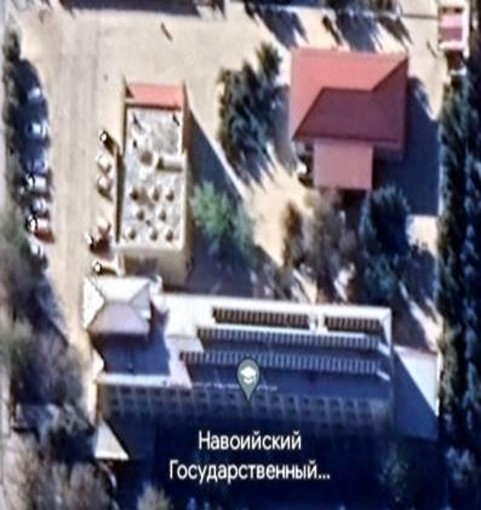
Today, solar energy has become a defining feature of NSU’s energy efficiency agenda. The university operates a total of nine solar power stations, strategically installed on rooftops and open areas across all campuses in Navoi city. One of the most notable installations is the 140 kW solar station located above the university parking area. This innovative use of structural space produces a substantial share of the university’s electricity while also providing shade and reducing surface heat, which contributes to greater thermal comfort around the campus.
Playlist
2 Videos

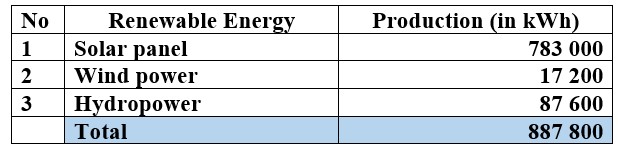
Thanks to this expanded solar network, NSU’s renewable electricity generation now exceeds its actual electricity consumption. The university produces 887,800 kWh of solar, wind, and micro-hydro energy annually compared with its total electricity usage of 750,525 kWh. This means the university achieves 118.3% energy self-sufficiency, making it a net producer of clean energy for the surrounding community.
In addition to photovoltaic systems, the university has installed 45 solar water-heating systems (solar boilers) across dormitories, laboratories, and campus cafeterias. These systems play a crucial role in reducing seasonal electricity and gas consumption by delivering hot water through solar thermal technology, especially during the colder months. Solar boilers significantly lower operational costs while eliminating emissions associated with conventional water-heating methods.
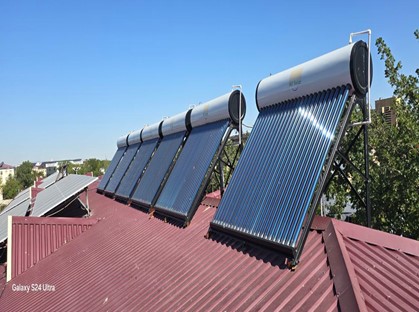
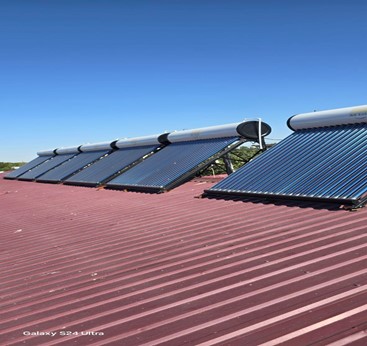
Together, the solar panel network and solar boiler systems form a comprehensive, campus-wide renewable energy initiative that directly strengthens the university’s energy efficiency performance, carbon reduction outcomes, and alignment with national strategies such as the Uzbekistan–2030 Strategy and Presidential Decree PF-16. This initiative also reflects NSU’s strong commitment to the sustainable development goals, which emphasize renewable energy adoption, energy-efficient operations, and sustainable campus planning.
Through continuous investment, strategic expansion, and integration of solar technologies, Navoi State University has successfully built a resilient and environmentally responsible energy system that supports academic activities while minimizing carbon emissions, lowering operating costs, and contributing positively to the regional energy landscape.

Micro-Hydropower Development at Navoi State University
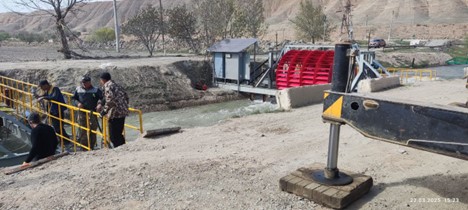
Navoi State University is actively expanding its renewable energy portfolio by exploring and developing micro-hydropower systems as part of its broader commitment to environmental responsibility and clean energy innovation. While the installation of large-scale hydroelectric plants is not feasible within the physical boundaries of the university, NSU has introduced small-scale hydropower technologies that utilize the natural and artificial water flows present in the region.
As part of this initiative, the university has implemented pilot micro-hydro systems in irrigation channels and nearby water bodies that provide consistent, controlled water flow. These compact systems harness the kinetic energy of moving water and convert it into clean electricity suitable for powering campus lighting, laboratory equipment, and small technical facilities. By capturing energy from existing water resources, the university generates additional renewable electricity without requiring extensive infrastructure or causing environmental disruption.
The micro-hydropower initiative strengthens NSU’s renewable energy capacity and reduces reliance on carbon-intensive grid electricity. This contributes directly to the university’s long-term green energy strategy, supports national environmental goals under the Uzbekistan–2030 Green Economy agenda, and enhances energy stability across distributed campus locations.
Beyond its operational benefits, the hydropower program serves an important educational and research function. Engineering, environmental science, and energy technology students use the micro-hydro systems as real-life learning platforms, allowing them to study renewable energy mechanisms, water resource engineering, and sustainable power generation. This hands-on experience helps cultivate a new generation of specialists capable of contributing to Uzbekistan’s clean energy transition.
Through the development of micro-hydropower technologies, Navoi State University demonstrates a commitment to diversifying its renewable energy sources, reducing its carbon footprint, and promoting innovative, environmentally responsible energy solutions across both campus operations and academic activities.

Wind Power as a Complementary Renewable Energy Source at Navoi State University
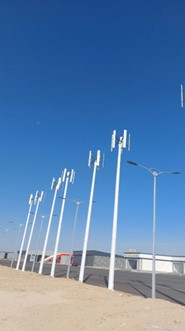
Navoi State University is expanding its renewable energy portfolio by integrating wind power as an additional clean electricity source on campus. Unlike solar installations, which operate most effectively under strong sunlight, wind systems allow the university to generate renewable energy during evening hours, cloudy days, and seasons with lower solar intensity. This complementary nature makes wind power a strategic part of NSU’s long-term energy diversification efforts.
Small-scale wind generators have been installed in open campus zones with favorable airflow, where they harness natural wind movements to produce electricity. The energy generated is used to support outdoor lighting, selected research facilities, and auxiliary power needs, helping to lower the university’s reliance on grid electricity and reduce carbon emissions. Even at a modest scale, these turbines contribute to continuous clean energy production throughout different weather conditions.
Wind power at NSU also carries an important academic and technological function. Engineering and environmental science students use the turbines for applied learning — studying aerodynamics, power generation patterns, turbine efficiency, and micro-grid integration. This practical engagement helps develop hands-on skills and deepens understanding of renewable energy technologies that are becoming increasingly important in Uzbekistan’s transition to a green economy.
Sustainable Energy Sources

Annual Report on Electricity Monitoring at Navoi DPI
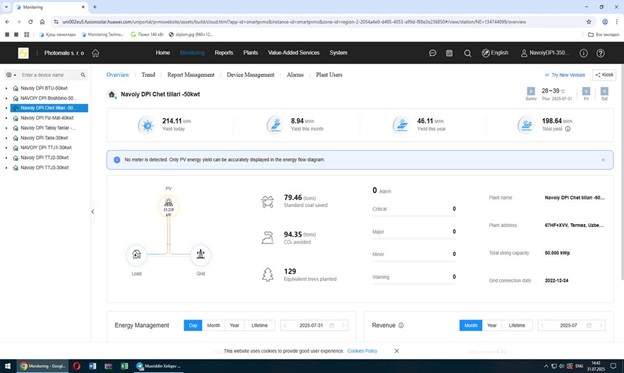
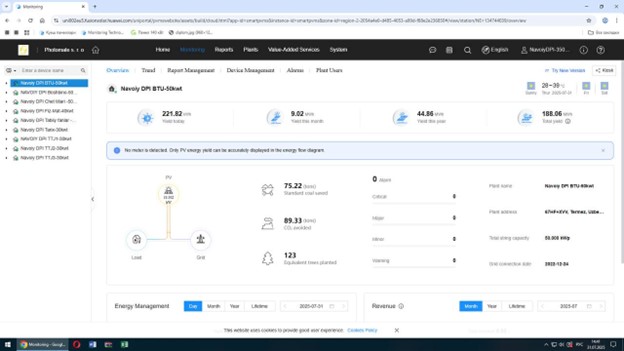
At Navoi State Pedagogical Institute, a centralized solar power monitoring system is actively used to track the performance of multiple photovoltaic stations installed on different institute buildings. On the left side of the monitoring interface, each building with an operational solar plant is listed separately (e.g., Navoi DPI BTU-50 kWt, Navoi DPI Chet tillari – 50 kWt, Navoi DPI Fiz-Mat – 40 kWt, etc.), allowing precise monitoring of electricity generation for each facility.
The platform records daily, monthly, and annual energy production, providing detailed information such as:
Yield generated today
Total yield for the month and year
CO₂ emissions reduced
Standard coal saved
Number of trees’ equivalent environmental impact