1. Renewable energy sources
Solar Panels: Clean Energy for a Low-Carbon Future
One of the most critical components of NSU’s sustainable campus initiative is the installation of solar panels for electricity generation. These panels will be mounted on rooftops and other suitable surfaces to capture maximum sunlight throughout the year. Solar power will significantly reduce the university’s reliance on fossil fuels and decrease carbon dioxide emissions. The electricity generated will power classrooms, administrative buildings, laboratories, and even outdoor lighting systems. By investing in solar energy, NSU demonstrates its long-term commitment to building a clean, low-carbon future and tackling global environmental challenges through local action.
2. Preventative methods
E-Scooters: Smart and Green Micro-Mobility
To make intra-campus transportation more sustainable and efficient, the institute plans to introduce electric scooters (e-scooters) available at multiple docking stations around campus. These scooters will offer a convenient, eco-friendly alternative to cars for students, faculty, and staff. The e-scooters will be integrated into a mobile app system allowing users to locate, unlock, and ride easily. This system not only supports clean mobility but also encourages students to adopt smart, modern modes of transportation that reduce emissions and help maintain a peaceful, low-traffic atmosphere on campus.
3. Preventative methods
Electric Vehicle Charging Stations
In line with the global transition to cleaner transportation, NSPI is also installing electric vehicle (EV) charging stations across the new campus. These chargers will support the growing number of electric car users among faculty and visitors, making it easier for them to maintain eco-friendly travel habits. The charging stations are part of a broader plan to promote electric vehicles and provide the infrastructure necessary to support their expansion. Through this initiative, the institute aims to make electric vehicles a convenient and viable option for campus transportation.
4. Preventative methods
Bicycles: Promoting Active and Emission-Free Travel
NSPI recognizes the importance of cycling for both health and environmental sustainability. As part of its green campus initiative, the university offers 70 free-use bicycles for students and staff, provided by the administration. In addition, the new campus design includes dedicated cycling tracks and secure bicycle parking zones to encourage widespread adoption of bike usage.
5. Preventative methods
Campus Shuttle Service
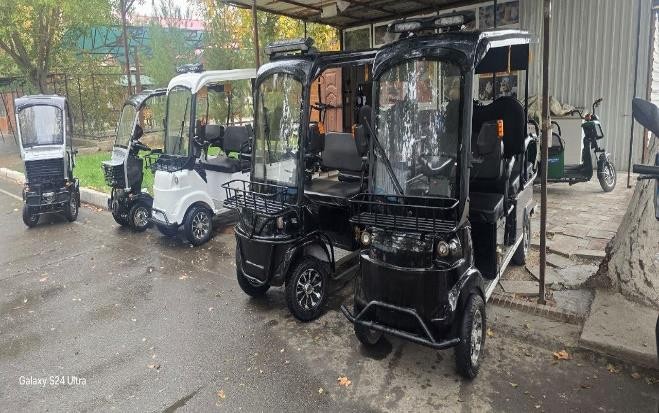
To facilitate transportation for students and staff without encouraging private car usage, the university plans to introduce a campus shuttle service. These shuttles will run on electric or hybrid technology and will operate on a fixed schedule, covering all major buildings and student housing areas. The shuttle service aims to ensure accessibility and convenience while minimizing environmental impact. It also provides a safe and reliable transport option for those who cannot use bikes or e-scooters.
6. Reducing methods
Reduced Parking Area and Traffic Management
Acknowledging that traditional vehicles are a major source of air pollution, NSPI has taken concrete steps to discourage their usage on campus. Four years ago, the university had a large parking zone with a capacity for 150 cars. Today, in line with its new environmental policy, the parking area has been reduced to only 30 spaces. Additionally, a parking fee has been introduced to further discourage regular car use. The land previously used for parking has been repurposed for green spaces, tree planting, and outdoor study areas, enhancing the campus atmosphere while improving air quality.
7. Promotional Campaigns and Tree-Planting Initiatives
NSPI is not only investing in infrastructure but also building a culture of sustainability through regular awareness campaigns. The institute frequently organizes tree-planting events, engaging students and faculty in hands-on environmental action. These campaigns are paired with educational workshops, competitions, and volunteer programs designed to instill values of ecological responsibility and biodiversity preservation. Over the past two years, hundreds of trees have been planted in and around the campus, contributing to carbon sequestration and enhancing the local ecosystem.