Energy Efficient Appliances
Navoi State University actively supports sustainable campus operations by using a wide range of energy-efficient appliances and technologies. Through modern lighting systems, smart controls, renewable-energy-based equipment, and low-consumption devices, the university reduces electricity use, lowers carbon emissions, and improves overall resource efficiency across its buildings and facilities.
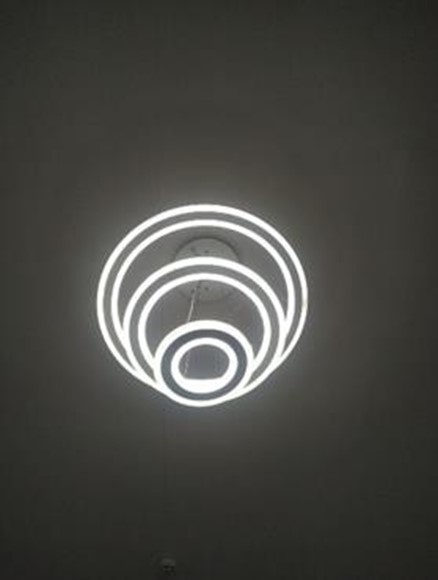
1. LED Lamps (100% Energy-Efficient Lighting)
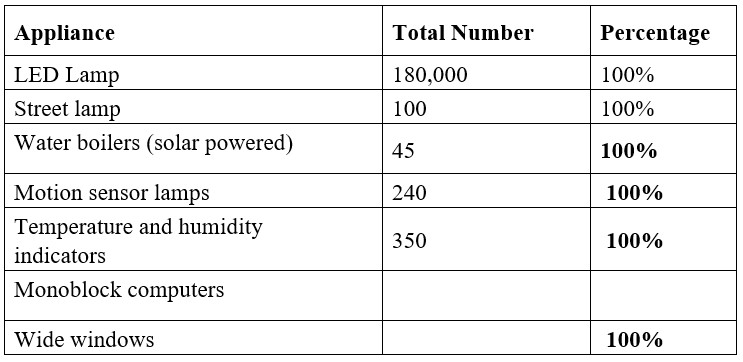
Navoi State University has fully transitioned to energy-efficient LED lamps, with all 180,000 lighting units across academic buildings, administrative offices, corridors, laboratories, and outdoor areas replaced by LED technology. This represents a 100% conversion rate, making LED lighting the university’s largest and most effective energy efficiency upgrade.
The adoption of LED lamps significantly decreases electricity consumption due to their lower wattage requirements and superior luminous efficiency. LEDs also offer a much longer operational lifespan compared to traditional incandescent or fluorescent bulbs, reducing maintenance needs and material waste. By using LEDs as the standard lighting source, the university lowers its overall energy demand, reduces carbon emissions linked to electricity production, and enhances lighting quality in learning and working environments.
This complete transition to LED lighting demonstrates the university’s strong commitment to sustainable infrastructure and efficient resource management.
2. Motion Sensor Lighting Systems
Navoi State University has implemented motion-activated lighting systems across hallways, restrooms, lecture halls, and other common areas to further reduce unnecessary electricity consumption. These smart sensors automatically switch lights on when movement is detected and turn them off when spaces are unoccupied, ensuring that lighting is used only when needed.
This system is especially effective in low-traffic areas where lights traditionally remain on for extended periods without reason. By preventing idle energy use, motion sensors significantly decrease electricity consumption, lower operational costs, and contribute directly to carbon emission reduction. The university’s adoption of motion-sensor technology reflects its commitment to smart energy management and the creation of an efficient, environmentally responsible campus.
3. Temperature and Humidity Indicators
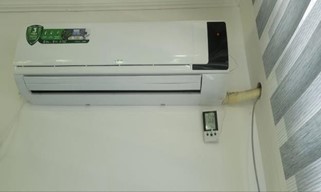
Navoi State University uses temperature and humidity indicators throughout classrooms, laboratories, and specialized learning spaces to maintain efficient and healthy indoor environmental conditions. These digital sensors continuously monitor real-time air quality parameters and provide accurate data that supports the regulation of heating, ventilation, and cooling systems.
By adjusting HVAC operations based on actual indoor conditions rather than fixed schedules, the university significantly reduces unnecessary energy consumption. This ensures that cooling or heating is activated only when required, preventing excessive electricity use and improving overall system efficiency. The use of these indicators enhances indoor comfort for students and staff while directly contributing to the reduction of carbon emissions associated with building climate control.
4. Smoke Detectors
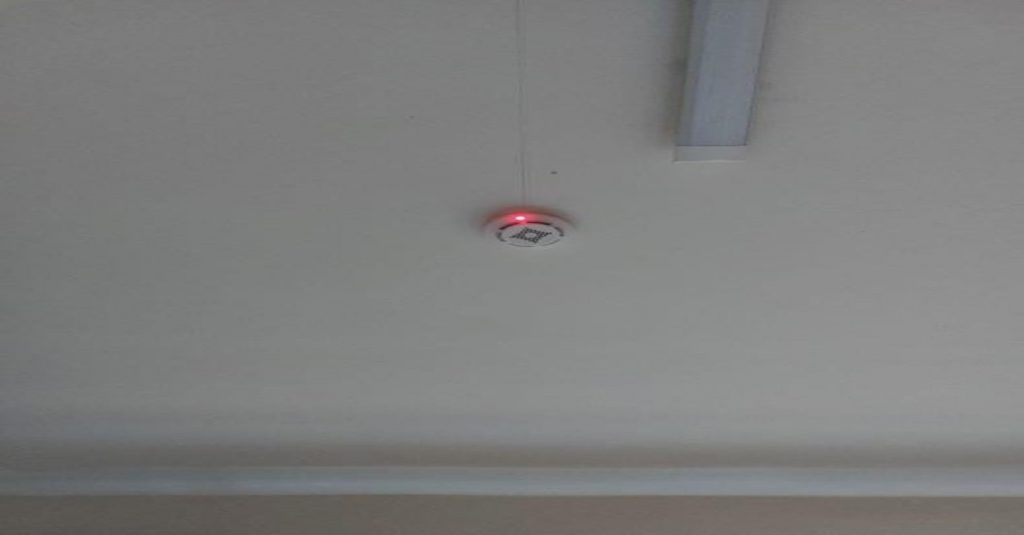
Navoi State University has equipped all major campus facilities—including academic buildings, laboratories, student dormitories, and administrative offices—with advanced smoke detectors as part of its comprehensive fire safety system. These devices provide early detection of smoke or fire, enabling rapid evacuation and emergency response, which is critical for protecting the health and safety of students, staff, and visitors.
The smoke detectors undergo routine inspection and maintenance to ensure reliable performance in accordance with safety standards and institutional regulations. While primarily serving a safety function, the integration of these automated detectors also supports efficient building operations by reducing the need for manual monitoring and ensuring compliance with modern building management requirements.
5. Energy-Efficient Vending Machines
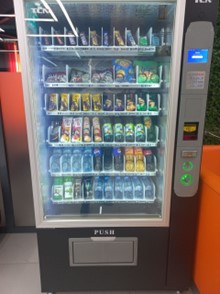
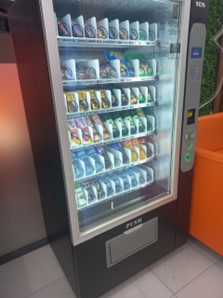
Navoi State University has installed modern energy-efficient vending machines across academic buildings, administrative areas, and student common spaces. These machines are designed with low-power refrigeration systems, LED internal lighting, and automatic sleep modes that reduce electricity consumption during periods of low activity. By incorporating energy-saving features, the vending machines provide convenient access to snacks, beverages, and essential items while keeping operational energy use to a minimum. Their presence supports a modern, student-friendly campus environment without contributing to unnecessary energy demand.
6. Smart Water Control System (Gidrolock Technology)
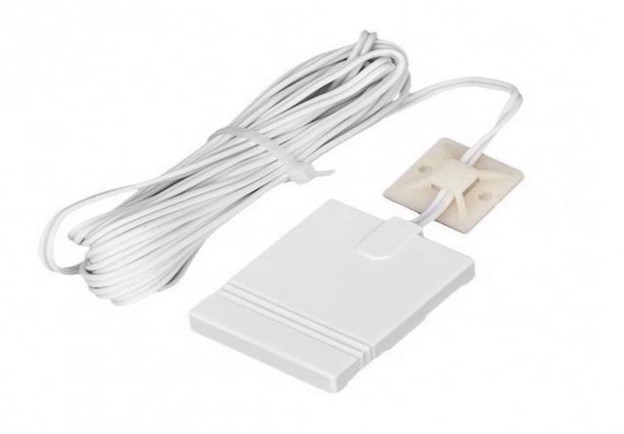
Navoi State University has incorporated Gidrolock Premium Bugatti 1/2 smart water control systems into its dormitories, laboratories, and administrative buildings to strengthen water efficiency and facility safety. This advanced technology uses highly sensitive floor-mounted sensors to detect even minor leaks and immediately activates automated valves to shut off the water supply. By responding within seconds, the system prevents unnecessary water loss, protects university infrastructure from flooding, and reduces the environmental and financial costs associated with water damage repairs.
The Gidrolock system operates reliably even during power outages due to its built-in backup battery, ensuring uninterrupted protection at all times. Through this smart automation, the university reduces water waste, supports sustainable resource management, and enhances climate resilience across campus buildings. Additionally, the presence of such modern eco-smart technologies provides students with valuable practical exposure to contemporary facility management and sustainability solutions.
7. Monoblock (All-in-One) Computers
Navoi State University utilizes energy-efficient monoblock computers across computer laboratories, administrative departments, and teaching facilities. These all-in-one devices combine the monitor and CPU into a single integrated unit, resulting in significantly lower power consumption compared to traditional desktop systems with separate components. By using compact hardware and low-energy processors, monoblocks reduce electricity demand during both active use and idle periods.
In addition to their electrical efficiency, monoblock computers generate less heat, which decreases the burden on cooling and ventilation systems—further contributing to campus-wide energy savings. Their minimal cable requirements also create cleaner, safer, and more organized workspaces, aligning with the university’s goal of promoting modern, eco-friendly digital infrastructure.


8. Electric Vehicle (EV) Chargers
Navoi State University has installed electric vehicle (EV) charging stations on its campus to support the transition toward cleaner, low-emission transportation. These chargers provide reliable and efficient power delivery for electric cars and are often supported by the university’s renewable energy systems, particularly solar-generated electricity. By enabling the use of zero-emission vehicles among staff, students, and visitors, the EV chargers help reduce dependence on fossil fuels and directly contribute to lowering the university’s carbon footprint. This initiative also encourages the adoption of greener mobility options, reinforcing NSU’s broader commitment to sustainable campus development.
9. Wide Windows
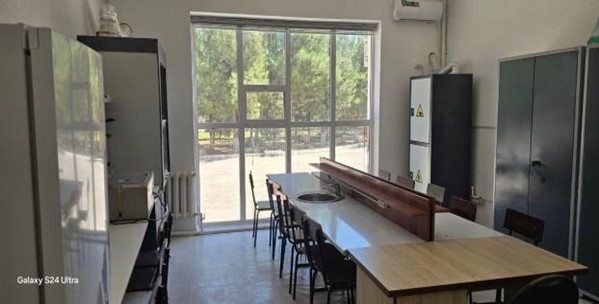
Navoi State University incorporates wide, double-glazed windows in both new constructions and renovated buildings to enhance overall energy efficiency. These windows allow abundant natural daylight to enter classrooms, offices, and laboratories, significantly reducing the need for artificial lighting during daytime hours. Their double-glazed structure also provides improved thermal insulation, helping maintain stable indoor temperatures and reducing the load on heating and cooling systems. By optimizing daylight use and minimizing energy loss, these windows contribute to a more comfortable, healthy, and environmentally sustainable learning environment while supporting the university’s long-term carbon reduction goals.

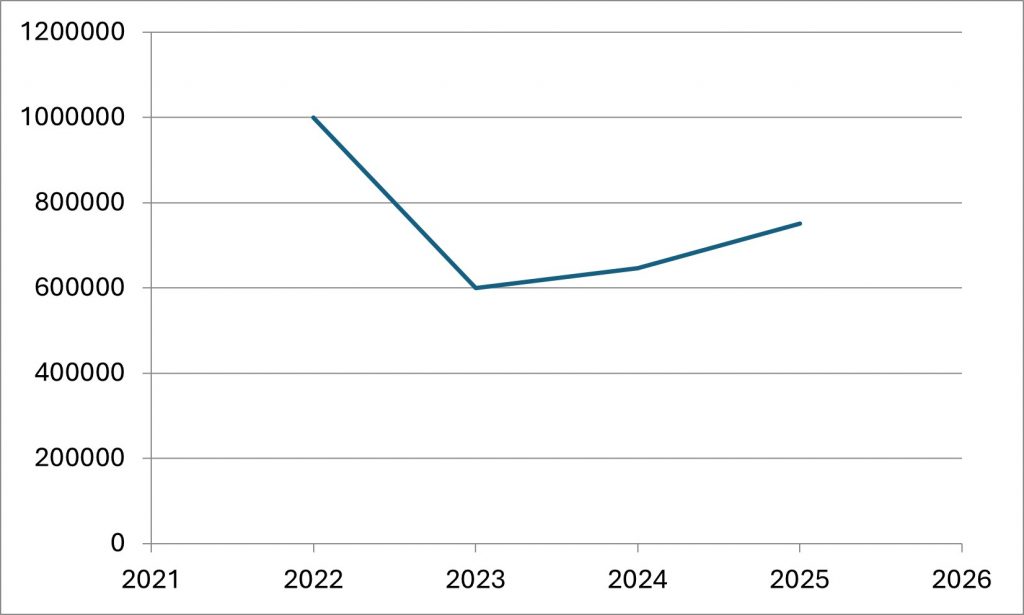
From 2022 to 2025, Navoi State University (NSU) demonstrated steady progress in reducing total electricity consumption across all its campuses. In 2022, the university recorded approximately 1,000,000 kWh of electricity usage. With the introduction of energy-saving measures, consumption significantly decreased to around 600,000 kWh in 2023. The following year, in 2024, usage remained slightly above 600,000 kWh, indicating stable control of energy demand. By 2025, total consumption increased moderately to nearly 750,000 kWh, mainly due to expanded campus activities and new research facilities.
Throughout this period, NSU implemented various sustainability initiatives, including the installation of LED lighting, motion sensors, and smart electricity meters. Awareness campaigns encouraged students and staff to conserve energy. These consistent efforts reflect the university’s strong commitment to sustainability, efficient resource management, and contribution to Uzbekistan’s green development strategy.
New Modern Campus
Future Development: Construction of the New Low-Carbon, Energy-Efficient Campus (2024–2027)
Navoi State University is developing a new modern campus that fully aligns with the university’s Energy Efficiency Standards Policy (2025) and national goals for reducing carbon emissions. Scheduled for completion in 2027, the campus—spanning 19 hectares in Yoshlik mahalla—will serve as a national model for low-carbon, energy-efficient university infrastructure.
The new campus is being designed with technologies and architectural principles that significantly reduce energy use, minimize greenhouse gas emissions, and increase the share of clean energy. Key features include:
12,000-seat academic buildings equipped with passive cooling systems, optimized natural daylight access, and high-performance thermal insulation to reduce HVAC-related carbon emissions.
Student dormitories for 2,400 residents, powered by integrated renewable energy systems such as solar panels and solar boilers, lowering reliance on fossil-fuel-based electricity.
Sports complexes, an amphitheater, and large green recreational zones, all supported by solar and small wind integrations to generate clean on-site energy.
Modern laboratories, research centers, and co-working hubs designed with energy-efficient glazing, insulated building envelopes, and automated systems to maintain low energy consumption and improve indoor environmental quality.
A digital Building Management System (BMS) for real-time monitoring and control of energy, water usage, indoor climate, and equipment efficiency—ensuring continuous carbon reduction through optimized operations.
Green public facilities, including a library, indoor and outdoor swimming pools, and a museum, built according to green design principles that reduce energy waste and operational emissions.
Sustainable water and resource management systems, such as rainwater harvesting, waste heat recovery, and smart irrigation using treated and recycled water, further reducing environmental impact.
Through this new campus project, Navoi State University is creating an integrated low-carbon environment where renewable energy, high energy efficiency, and smart technologies work together to significantly reduce the university’s long-term carbon footprint.
Video 1,2
Monitoring and Oversight
The construction site is periodically monitored by the Rector, Vice-rector for Capital Construction, the Unit for the Coordination of Construction Works, and the Sustainability Committee.
These bodies ensure that building materials, design practices, and energy systems fully align with sustainability standards and the PF-16 implementation roadmap.
Student Involvement
Students, faculty, and volunteer groups from the Faculty of Exact Sciences the Faculty of Languages and others have visited the new construction site, learning about smart energy systems and sustainable architecture.
As reported:
“Navoiy davlat universiteti Aniq fanlar fakulteti dekani prof. D.I. Kamolova, dekan o‘rinbosari G‘.G‘. Yusupov, fakultet tyutorlari hamda fakultet volontyor talabalari bilan birgalikda yangi kampus qurilishi bilan tanishdilar. Quruvchi tashkilot vakillari tomonidan 19 gektarlik hududda barpo etilayotgan, 2027-yilda yakunlanishi rejalashtirilgan, 12 ming o‘rinli o‘quv binolari va 2,400 o‘rinli talabalar turar joylari bo‘lgan talabalar shaharchasi haqida batafsil ma’lumot berildi.”
This visit demonstrates transparency, academic engagement, and community participation in the university’s green infrastructure planning.
Governance and Monitoring
Implementation of all energy-efficiency measures is coordinated by:
Unit for the Coordination of Construction Works – oversees physical upgrades and compliance with design standards;
Sustainability Committee – ensures environmental sustainability and renewable integration;
Energy and Sustainability Office – manages energy data, prepares annual performance reports, and monitors improvement progress.
Energy-efficient infrastructure serves as a teaching and research platform for NSU’s students and staff.
Courses in engineering, ecology, and IT now include practical modules on renewable energy monitoring, smart building systems, and environmental management.
Moreover, student groups participate in Eco-Intellectual Competitions, sustainability campaigns, and Conferences, all of which reinforce the university’s role as a regional leader in climate education and innovation.
Sustainable Energy Sources
Navoi State University’s transition toward renewable energy sources is aligned not only with recent presidential decrees but also with the national legal framework established under the Law of the Republic of Uzbekistan “On the Use of Renewable Energy Sources” (O‘RQ-539, adopted on 21 May 2019). This law encourages public institutions, including higher education establishments, to expand the use of solar, wind, and other renewable energy systems, improve energy efficiency, and reduce environmental impact.
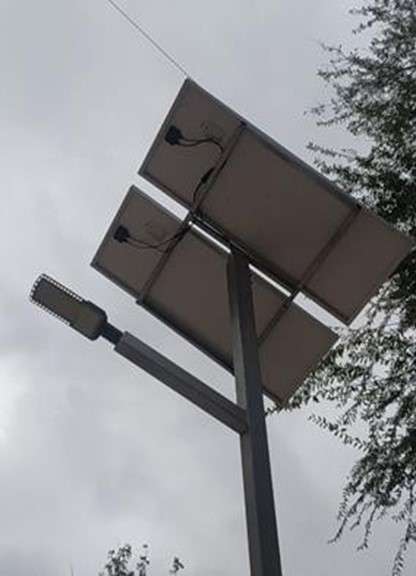
In accordance with this law, the university has been actively installing solar panels, solar boilers, small-scale wind systems, and micro-hydropower pilots across campus. These initiatives support the national priority of increasing renewable energy capacity, reducing dependency on fossil fuels, and promoting sustainable development. NSU’s investment in green technologies—such as nine solar power stations, solar boilers in academic and residential facilities, and exploratory wind and hydro projects—directly reflects the obligations and opportunities outlined in the 2019 legislation.
Energy Efficiency Initiative: Expansion and Full Integration of Solar Energy Systems at Navoi State University
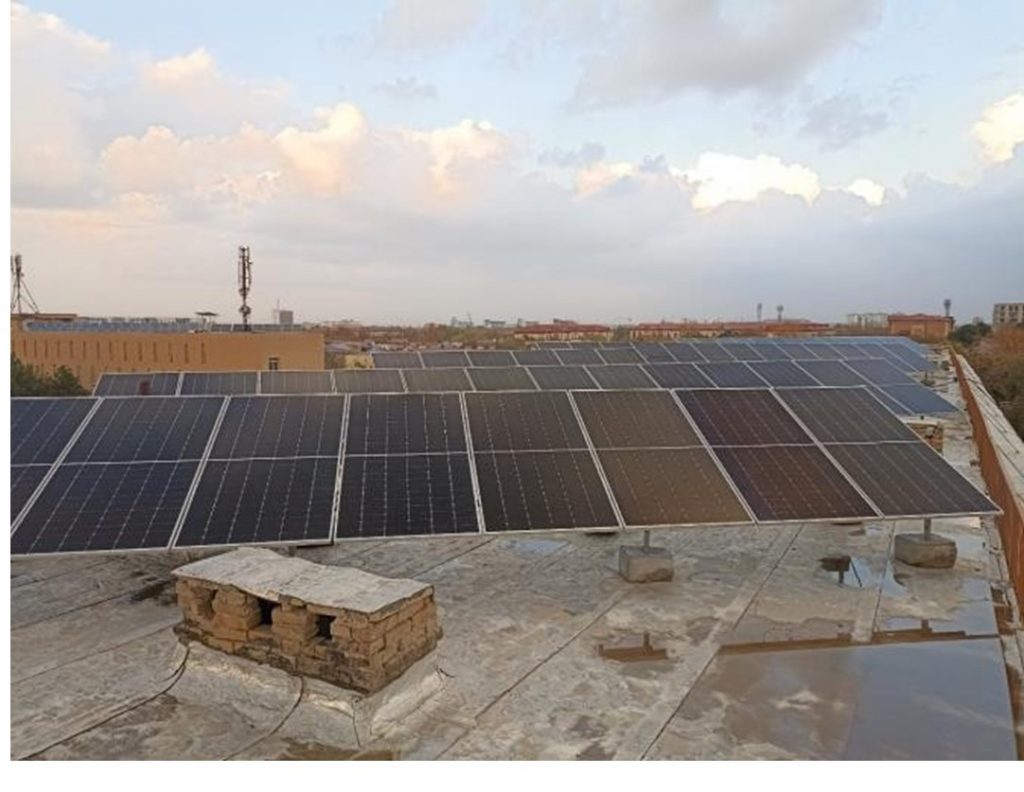
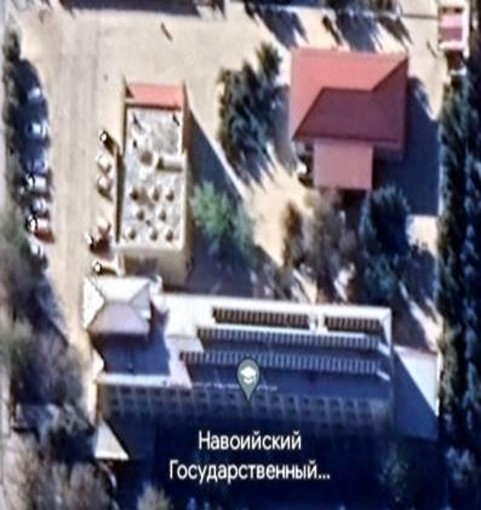
Navoi State University has implemented one of the most extensive campus-wide solar energy programs among higher education institutions in Uzbekistan, transforming its energy infrastructure into a fully renewable and highly efficient system. This initiative began in 2022, when solar technologies were first introduced as part of the university’s long-term sustainability strategy. During that year, solar photovoltaic panels with a total capacity of 350 kW were installed on six academic buildings and three student dormitories, marking the university’s initial shift toward clean electricity generation.
Building on this foundation, the university significantly expanded its renewable energy capacity. In 2023, an additional 160 kW of solar panels were installed, bringing the total installed capacity to 510 kW. This expansion allowed the university to meet 100% of its electricity demand through solar energy alone, fully eliminating reliance on fossil fuel–based grid power for its core operations. Surplus solar electricity is regularly fed back into the local grid under contractual agreements, enabling the university to generate additional income. As of the latest reporting period, renewable energy sales have contributed 252,347,000 soums, demonstrating the financial benefits of sustainable infrastructure investment.
Today, solar energy has become a defining feature of NSU’s energy efficiency agenda. The university operates a total of nine solar power stations, strategically installed on rooftops and open areas across all campuses in Navoi city. One of the most notable installations is the 140 kW solar station located above the university parking area. This innovative use of structural space produces a substantial share of the university’s electricity while also providing shade and reducing surface heat, which contributes to greater thermal comfort around the campus.
Playlist
2 Videos

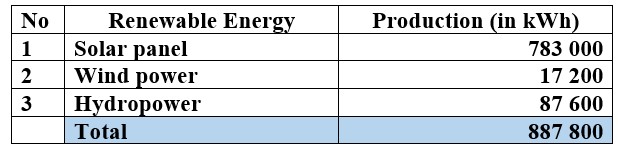
Thanks to this expanded solar network, NSU’s renewable electricity generation now exceeds its actual electricity consumption. The university produces 887,800 kWh of solar, wind, and micro-hydro energy annually compared with its total electricity usage of 750,525 kWh. This means the university achieves 118.3% energy self-sufficiency, making it a net producer of clean energy for the surrounding community.
In addition to photovoltaic systems, the university has installed 45 solar water-heating systems (solar boilers) across dormitories, laboratories, and campus cafeterias. These systems play a crucial role in reducing seasonal electricity and gas consumption by delivering hot water through solar thermal technology, especially during the colder months. Solar boilers significantly lower operational costs while eliminating emissions associated with conventional water-heating methods.
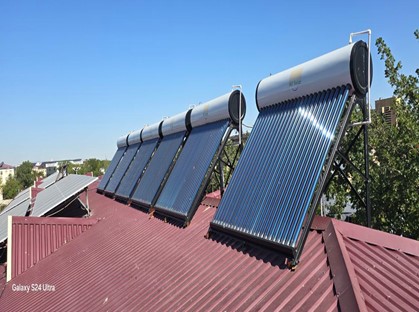
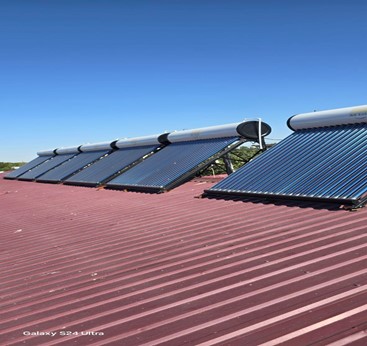
Together, the solar panel network and solar boiler systems form a comprehensive, campus-wide renewable energy initiative that directly strengthens the university’s energy efficiency performance, carbon reduction outcomes, and alignment with national strategies such as the Uzbekistan–2030 Strategy and Presidential Decree PF-16. This initiative also reflects NSU’s strong commitment to the sustainable development goals, which emphasize renewable energy adoption, energy-efficient operations, and sustainable campus planning.
Through continuous investment, strategic expansion, and integration of solar technologies, Navoi State University has successfully built a resilient and environmentally responsible energy system that supports academic activities while minimizing carbon emissions, lowering operating costs, and contributing positively to the regional energy landscape.
Micro-Hydropower Development at Navoi State University
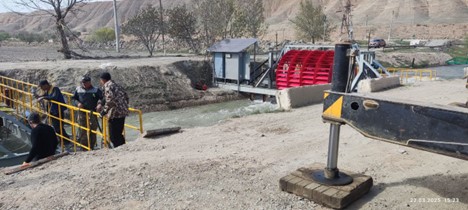
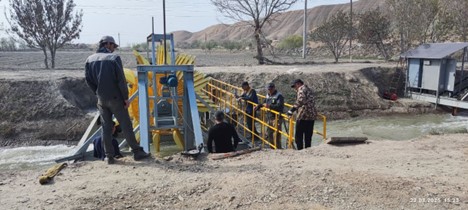
Navoi State University is actively expanding its renewable energy portfolio by exploring and developing micro-hydropower systems as part of its broader commitment to environmental responsibility and clean energy innovation. While the installation of large-scale hydroelectric plants is not feasible within the physical boundaries of the university, NSU has introduced small-scale hydropower technologies that utilize the natural and artificial water flows present in the region.
As part of this initiative, the university has implemented pilot micro-hydro systems in irrigation channels and nearby water bodies that provide consistent, controlled water flow. These compact systems harness the kinetic energy of moving water and convert it into clean electricity suitable for powering campus lighting, laboratory equipment, and small technical facilities. By capturing energy from existing water resources, the university generates additional renewable electricity without requiring extensive infrastructure or causing environmental disruption.
The micro-hydropower initiative strengthens NSU’s renewable energy capacity and reduces reliance on carbon-intensive grid electricity. This contributes directly to the university’s long-term green energy strategy, supports national environmental goals under the Uzbekistan–2030 Green Economy agenda, and enhances energy stability across distributed campus locations.
Beyond its operational benefits, the hydropower program serves an important educational and research function. Engineering, environmental science, and energy technology students use the micro-hydro systems as real-life learning platforms, allowing them to study renewable energy mechanisms, water resource engineering, and sustainable power generation. This hands-on experience helps cultivate a new generation of specialists capable of contributing to Uzbekistan’s clean energy transition.
Through the development of micro-hydropower technologies, Navoi State University demonstrates a commitment to diversifying its renewable energy sources, reducing its carbon footprint, and promoting innovative, environmentally responsible energy solutions across both campus operations and academic activities.
Wind Power as a Complementary Renewable Energy Source at Navoi State University
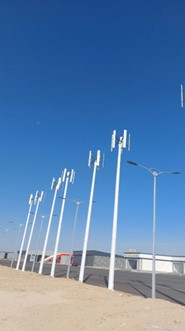
Navoi State University is expanding its renewable energy portfolio by integrating wind power as an additional clean electricity source on campus. Unlike solar installations, which operate most effectively under strong sunlight, wind systems allow the university to generate renewable energy during evening hours, cloudy days, and seasons with lower solar intensity. This complementary nature makes wind power a strategic part of NSU’s long-term energy diversification efforts.
Small-scale wind generators have been installed in open campus zones with favorable airflow, where they harness natural wind movements to produce electricity. The energy generated is used to support outdoor lighting, selected research facilities, and auxiliary power needs, helping to lower the university’s reliance on grid electricity and reduce carbon emissions. Even at a modest scale, these turbines contribute to continuous clean energy production throughout different weather conditions.
Wind power at NSU also carries an important academic and technological function. Engineering and environmental science students use the turbines for applied learning — studying aerodynamics, power generation patterns, turbine efficiency, and micro-grid integration. This practical engagement helps develop hands-on skills and deepens understanding of renewable energy technologies that are becoming increasingly important in Uzbekistan’s transition to a green economy.

Annual Report on Electricity Monitoring at Navoi DPI
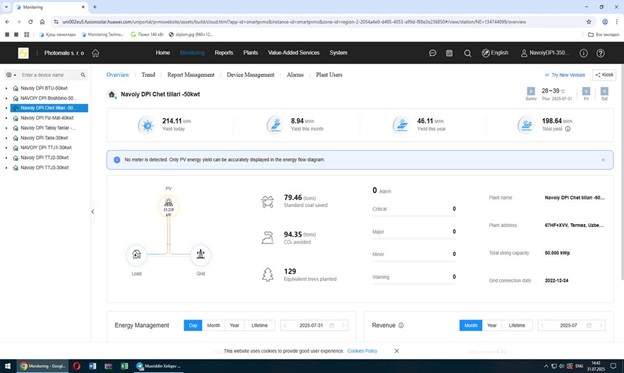
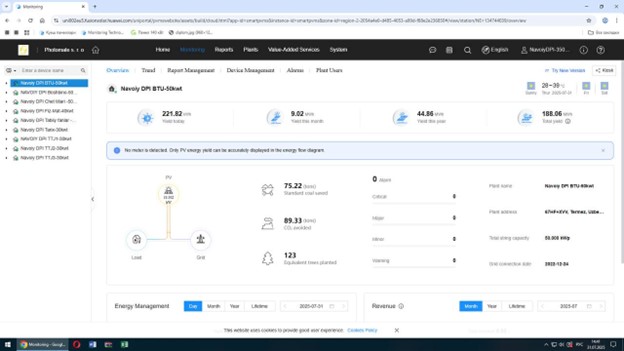
At Navoi State Pedagogical Institute, a centralized solar power monitoring system is actively used to track the performance of multiple photovoltaic stations installed on different institute buildings. On the left side of the monitoring interface, each building with an operational solar plant is listed separately (e.g., Navoi DPI BTU-50 kWt, Navoi DPI Chet tillari – 50 kWt, Navoi DPI Fiz-Mat – 40 kWt, etc.), allowing precise monitoring of electricity generation for each facility.
The platform records daily, monthly, and annual energy production, providing detailed information such as:
Yield generated today
Total yield for the month and year
CO₂ emissions reduced
Standard coal saved
Number of trees’ equivalent environmental impact