1. LED lights
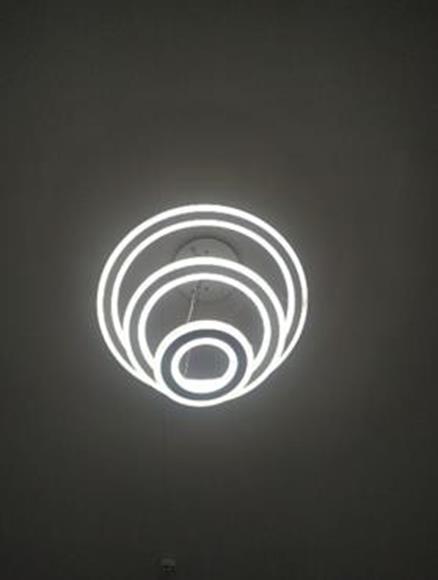
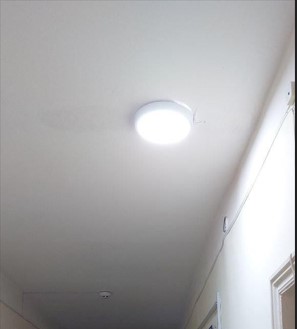
Navoi State University utilizes LED lighting across its campus, significantly reducing electricity consumption. These lights offer higher brightness with lower power usage and longer lifespan compared to traditional bulbs, contributing to sustainable and cost-effective operations in classrooms, corridors, and administrative areas.
2. Solar Panels
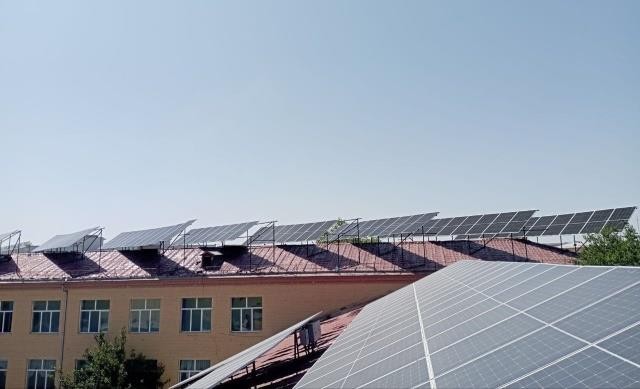
The university has installed solar panels on several building rooftops. These panels harness renewable solar energy, providing clean power for lighting, labs, and offices. This initiative reduces dependence on non-renewable energy sources and lowers the university’s carbon footprint while promoting eco-conscious campus infrastructure.
3. Motion Sensors
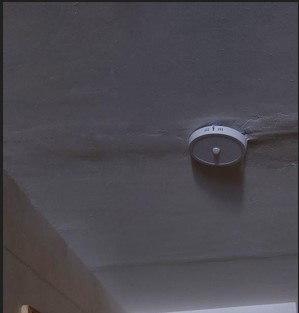
Motion sensor systems are installed in hallways, restrooms, and lecture halls to automatically control lighting. Lights turn on only when movement is detected, minimizing unnecessary energy use. This system promotes efficiency by reducing energy waste during idle periods, especially in low-traffic areas.
4. Solar Boiler
Solar-powered boilers provide heated water for campus facilities, including dormitories and laboratories. By using sunlight to heat water, these systems drastically cut down on electricity or gas consumption. This solution supports green energy use while maintaining comfort and functionality for students and staff.
5. Temperature and Humidity Indicators
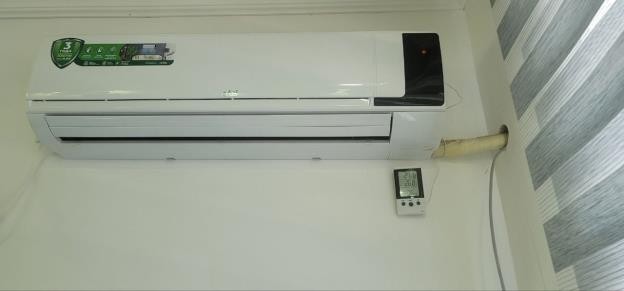
Temperature and humidity sensors are placed in classrooms and labs to monitor indoor environmental conditions. The data collected helps regulate HVAC systems, ensuring optimal comfort and minimizing energy waste. These indicators support energy efficiency by maintaining balanced indoor climates based on real-time feedback.
6. Monoblock Computers
Navoi State University uses energy-efficient monoblock (all-in-one) computers in its computer labs and administrative offices. These devices combine the monitor and CPU into a single unit, consuming less power than traditional desktop setups. They also reduce cable clutter and generate less heat, leading to lower cooling needs and a more organized, eco-friendly workspace.
7 . E Charger
The campus electric charger offers a sustainable solution for recharging electric vehicles. It integrates smart technology for efficient power delivery, often working in tandem with renewable energy sources like solar panels. This innovation not only reduces dependency on fossil fuels, but also promotes eco-friendly transportation, contributing to overall campus energy conservation and lower greenhouse gas emissions.
8 . Solar Panel lights
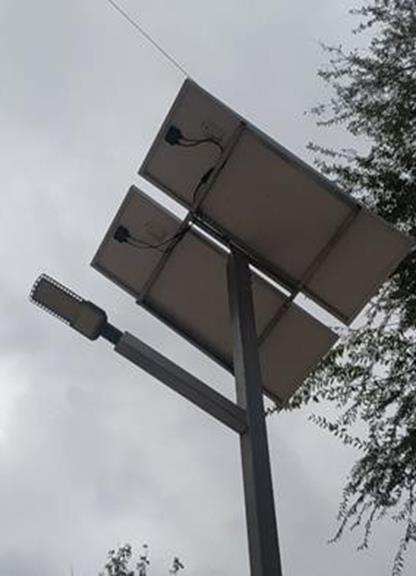
At Navoi State University (NSU), solar panel lights have been installed across the campus as part of the university’s commitment to sustainable energy use. These solar-powered lights provide efficient, renewable illumination for outdoor areas, pathways, and parking zones. By reducing electricity consumption and reliance on non-renewable energy sources, NSU promotes energy efficiency, lowers operational costs, and contributes to a cleaner, more environmentally responsible campus environment.
9. Eco Conditioners
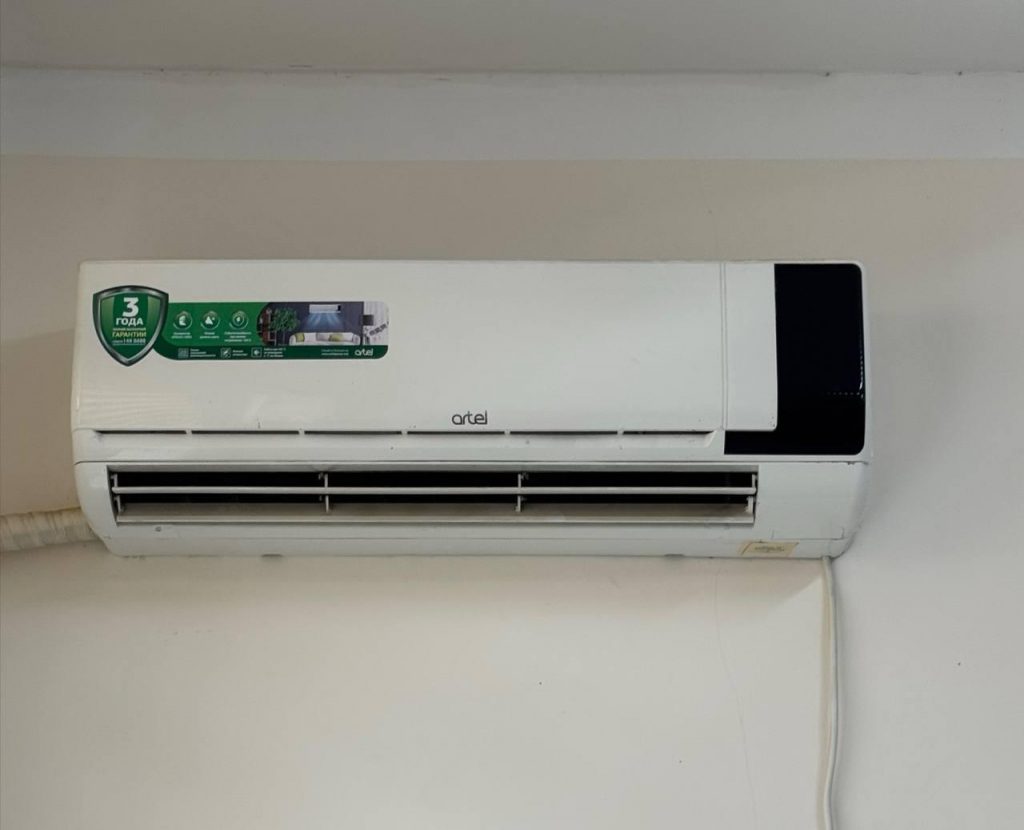
At Navoi State University (NSU), eco conditioners are installed in classrooms, laboratories, and offices to promote energy efficiency and environmental sustainability. These modern air-conditioning systems consume less electricity, use eco-friendly refrigerants, and maintain optimal indoor comfort. By adopting energy-saving technologies, NSU reduces its carbon footprint, supports green initiatives, and demonstrates its dedication to creating a sustainable and healthy campus environment.