Navoi State University in preparation for the new 2025-2026 academic year
About all educational laboratory equipment and supplies in the Department of Chemistry, Faculty of Natural Sciences and Medicine
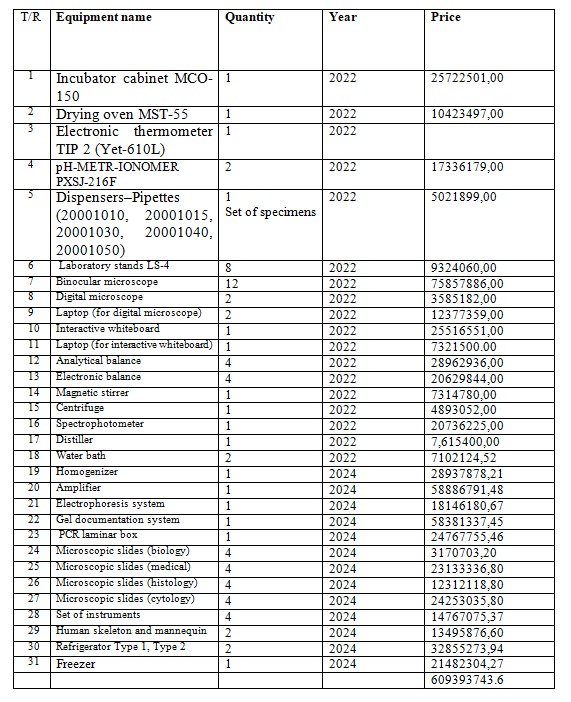
At Navoi State University, the Faculty of “Natural Sciences and Medicine,” the Department of “Biology” has four laboratories: the “Anatomy and Physiology” Laboratory, the “Botany and Plant Physiology” Laboratory, the “Zoology” Laboratory, and the “Microbiology and Biotechnology” Laboratory.
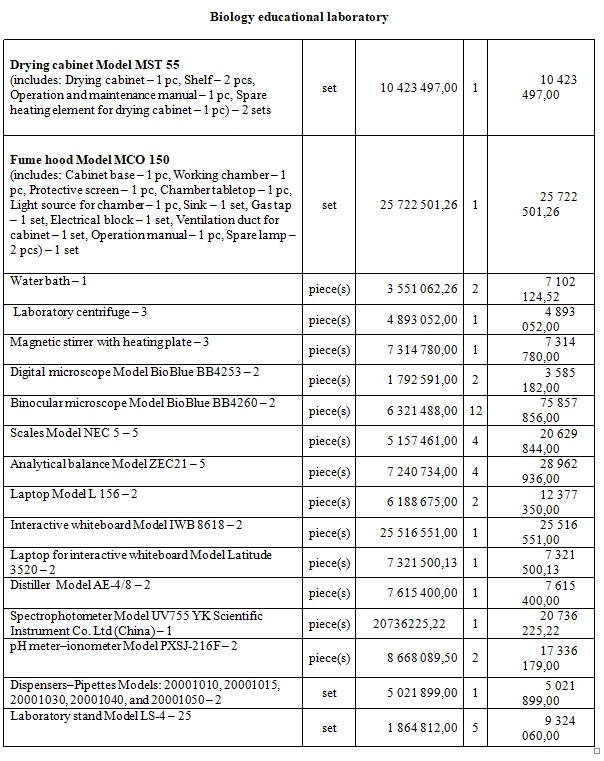
The “Anatomy and Physiology” Laboratory is equipped with a biochemical analyzer, a human skeleton and mannequin, centrifuge, coagulometer, microscopes, stands, water bath, scales, electronic board, and various sets of instruments. The laboratory provides all the necessary conditions and opportunities for conducting classes in human anatomy and physiology, as well as for students to carry out their Start-Up projects.
The Botany and Plant Physiology” Laboratory is equipped with light and binocular microscopes, dispensers, centrifuge, refrigerator, wet preparations, and herbariums. It offers all the conditions and facilities for conducting classes in botany and plant physiology, as well as for preparing students for subject Olympiads.
The “Zoology” Laboratory has a magnetic stirrer, scales, sets of instruments, light and binocular microscopes, centrifuge, pH ionometer, animal skins and skeletons, feather collections, protozoa micro-preparations, and preserved animal specimens. Students conduct practical and laboratory classes in zoology and ichthyology here. The laboratory also provides opportunities for doctoral students specializing in 03.00.06 – Zoology to carry out their scientific research.
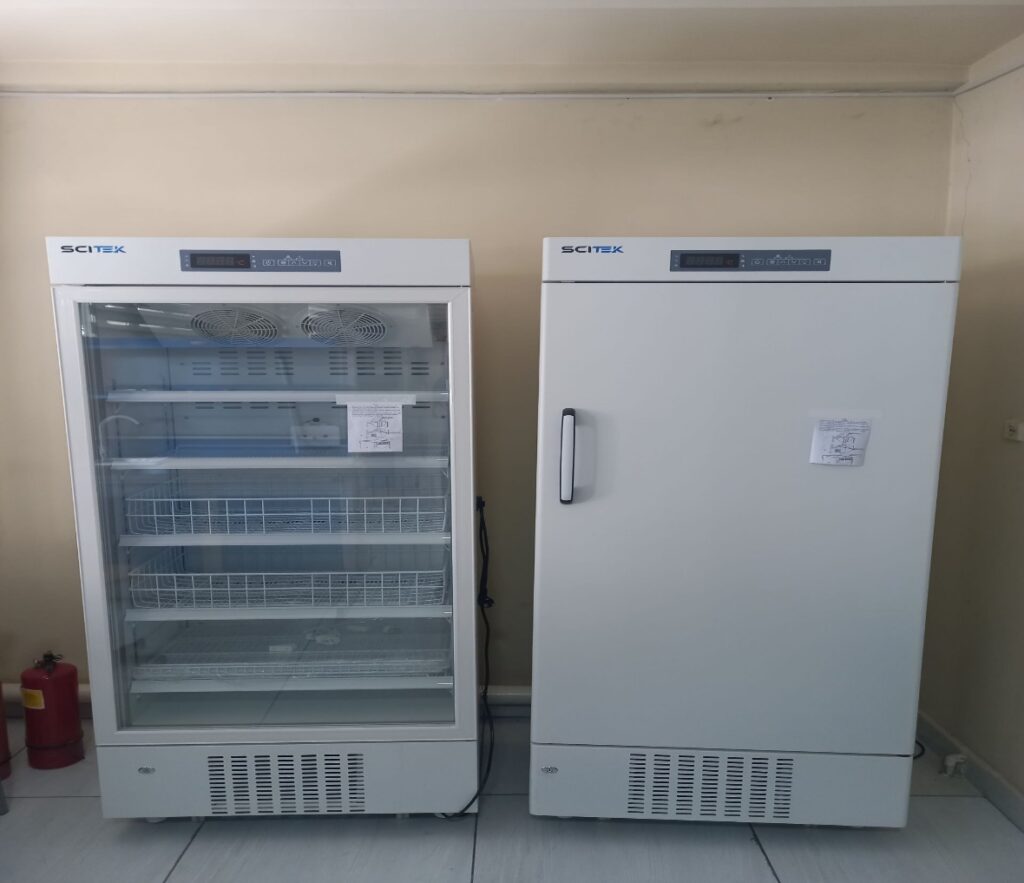
The “Microbiology and Biotechnology” Laboratory is equipped with a homogenizer, distiller, spectrophotometer, water bath, dispensers, amplifier, PCR laminar boxes, refrigerators and freezers, fluorescent microscope, as well as light and binocular microscopes. Laboratory and practical classes in microbiology, biotechnology, and biochemistry are conducted here. The department’s professors, doctoral students, and master’s students carry out scientific research and conduct analytical studies in this laboratory.

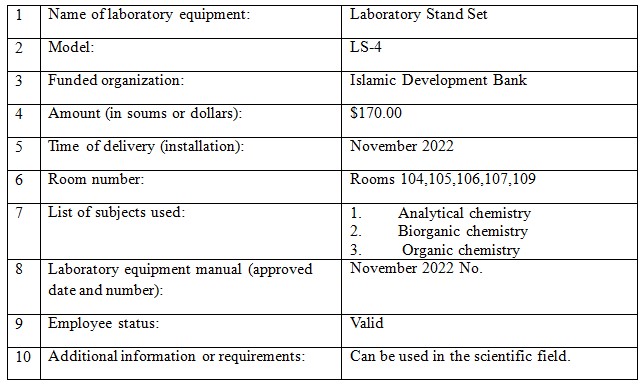
1-laboratory equipment
Technical characteristics:
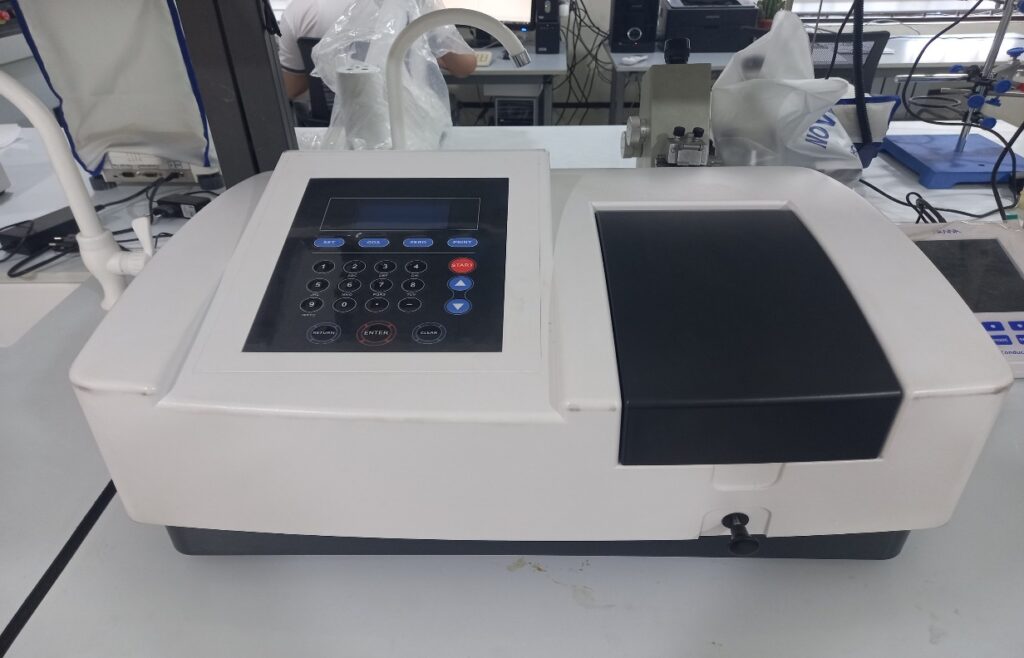
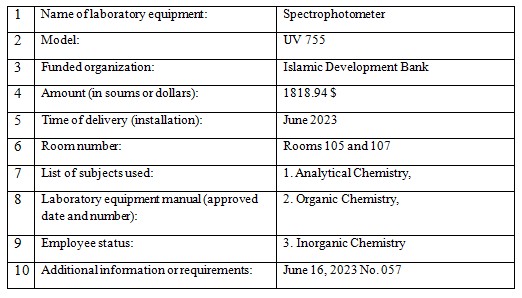
Used in analytical chemistry, physicochemical methods of analysis, physical chemistry, colloid chemistry, commodity chemistry, and in chemical sciences where there are laboratory experiments related to the concentration of solutions. It is effectively used in high-precision determination of the optical absorption maximum of a solution of known concentration, determination of the concentration of a solution of unknown concentration, and standardization studies.
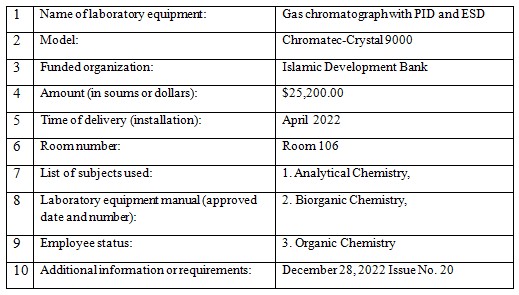
Technical characteristics:
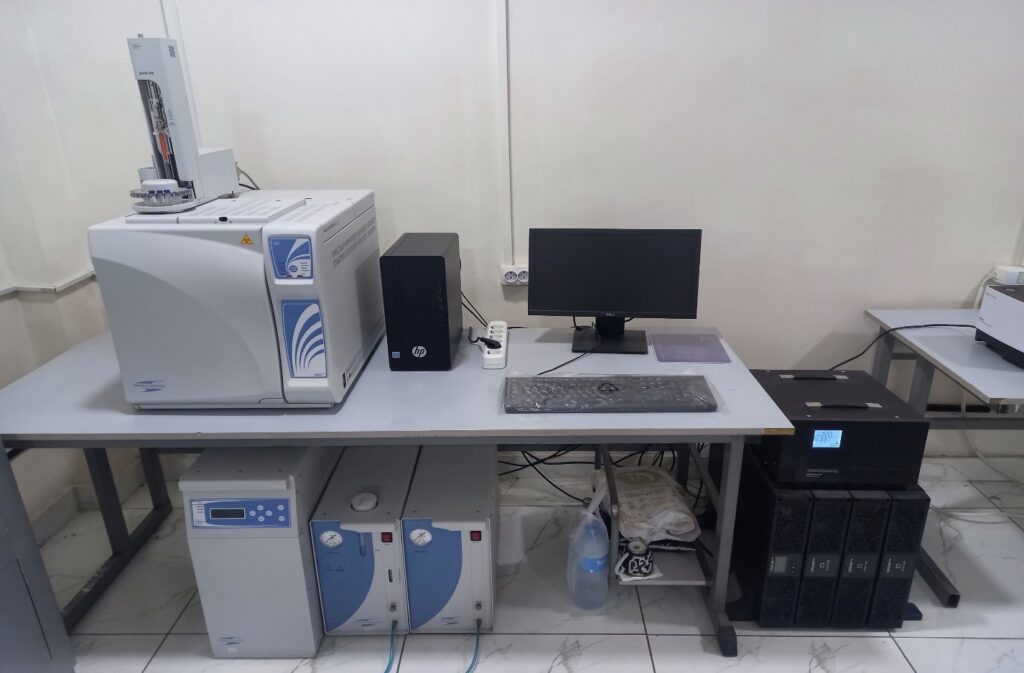
Used in laboratory experiments related to chromatographic analysis in the disciplines of physicochemical methods of analysis, bioorganic chemistry, environmental chemistry, commodity chemistry, and analytical chemistry.
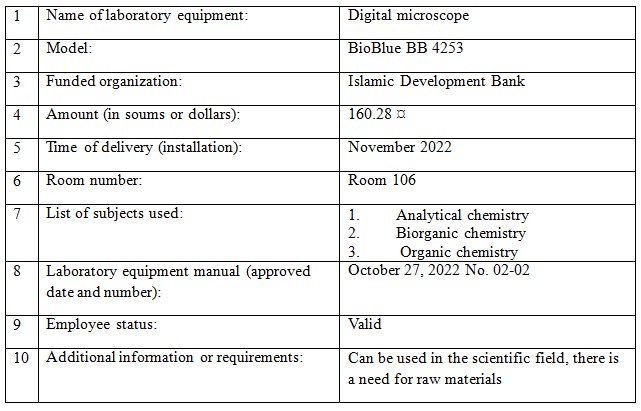
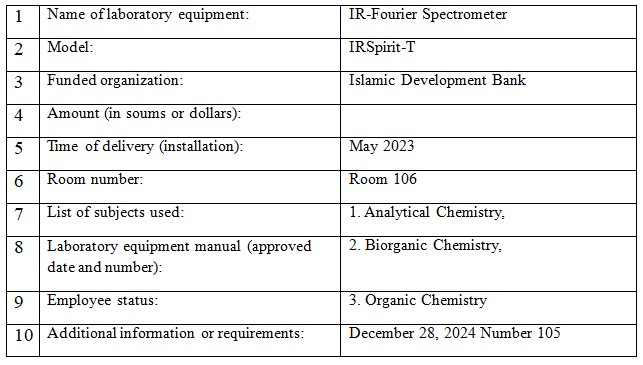
Technical characteristics:
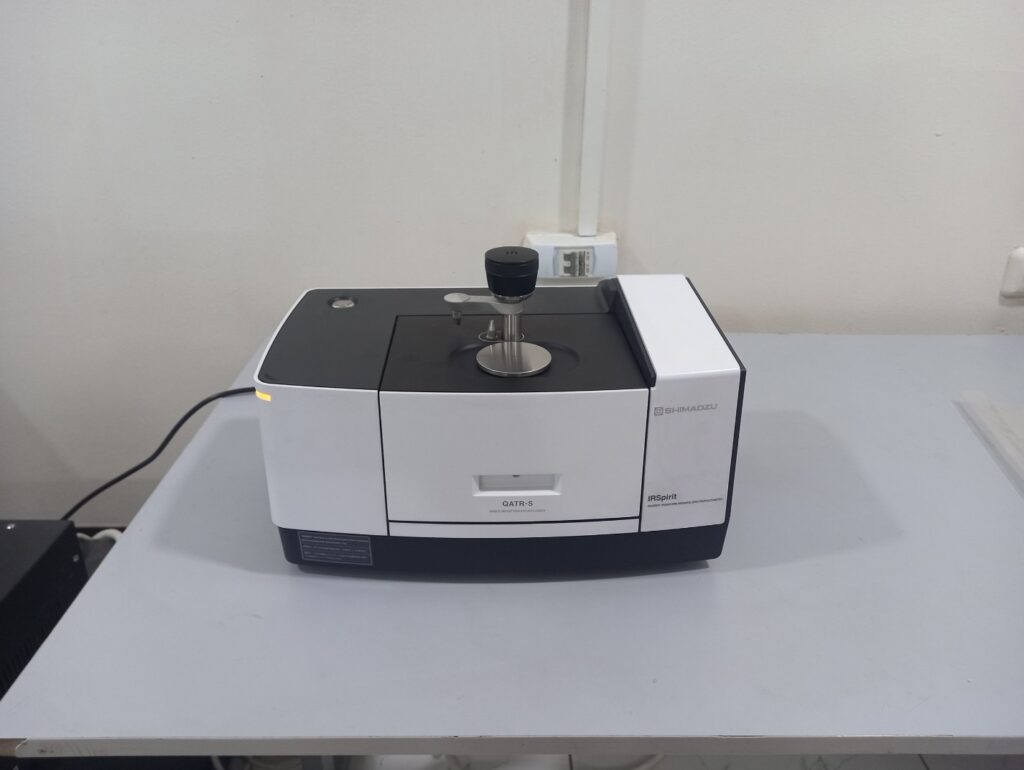
Used in laboratory experiments to determine functional groups in the sciences of analytical chemistry, organic chemistry, substance structure, and physicochemical methods of analysis.
Technical characteristics:
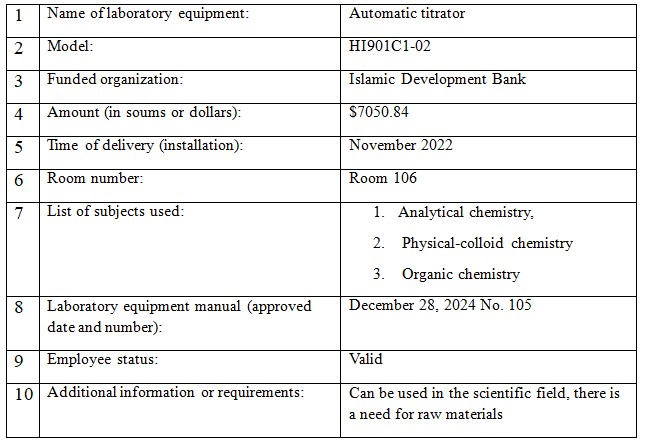
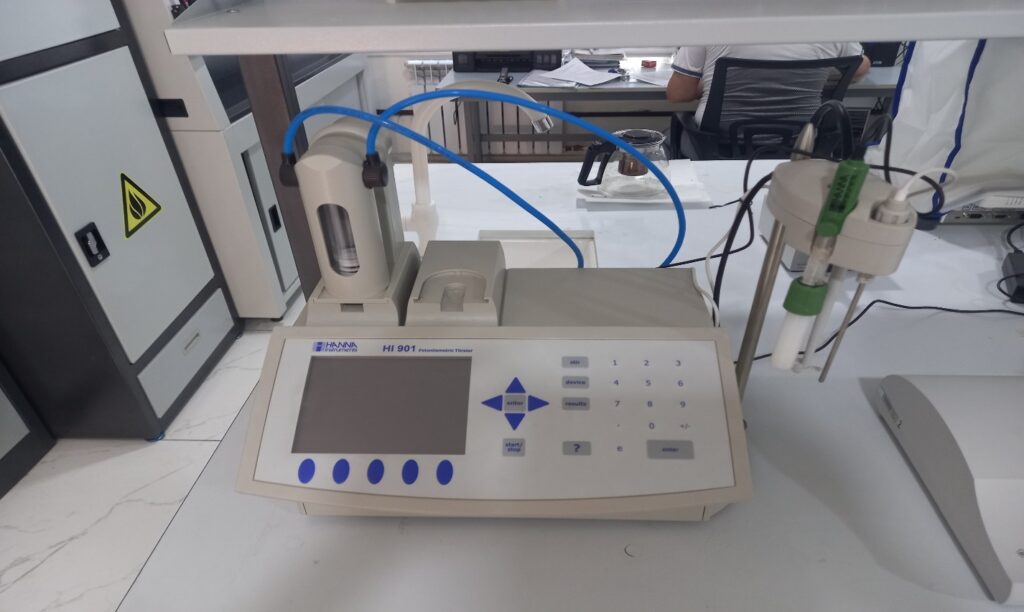
Used in experiments related to volumetric analysis in laboratory work in analytical chemistry, physicochemical methods of analysis, environmental chemistry, agrochemistry, chemical technology, chemistry of complex compounds, polymer chemistry and other disciplines.
Technical characteristics:
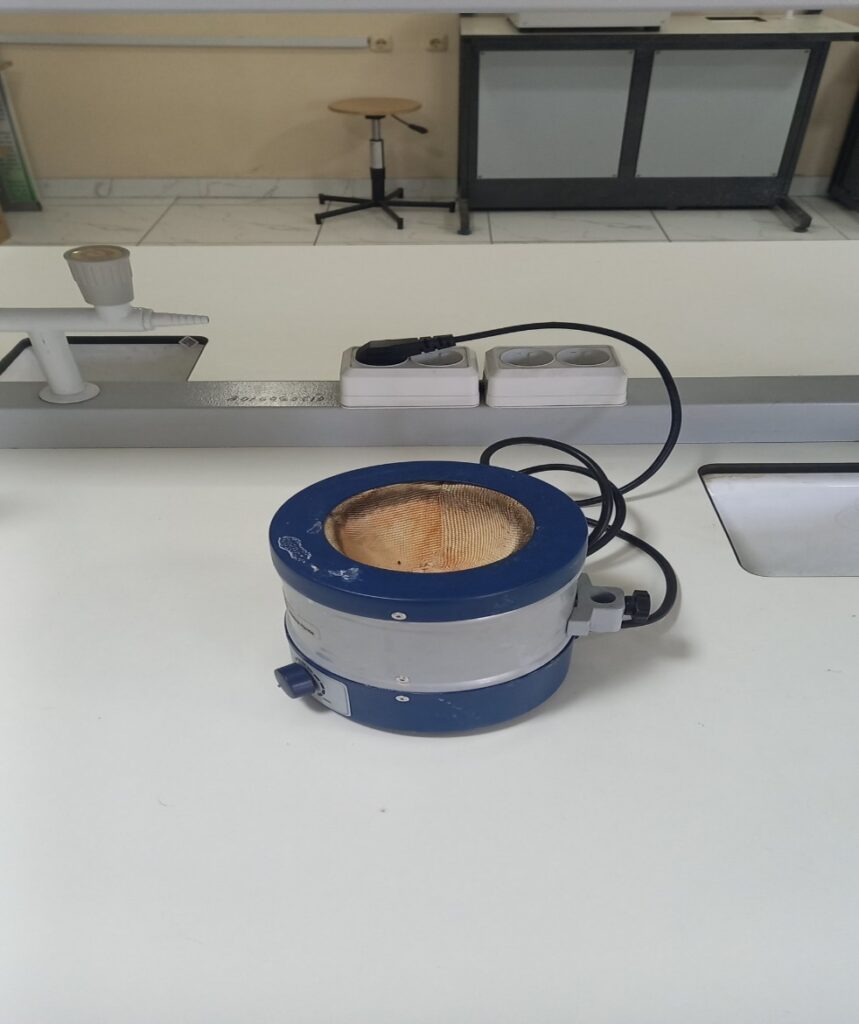
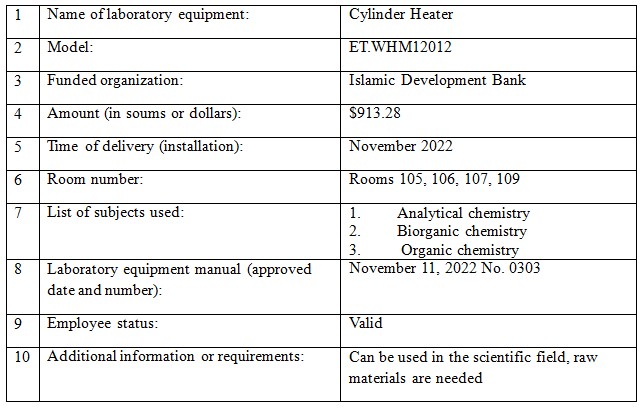
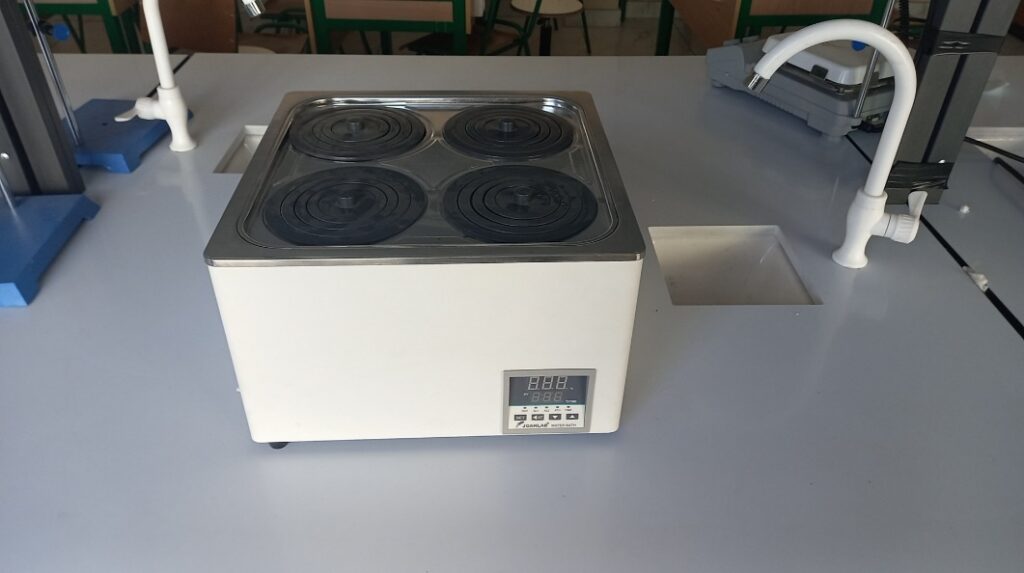
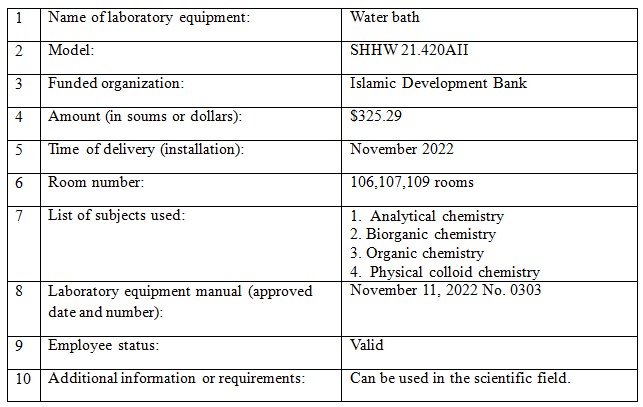
Used in laboratory work related to heating and boiling solutions and liquids in all chemical sciences.
Technical characteristics:
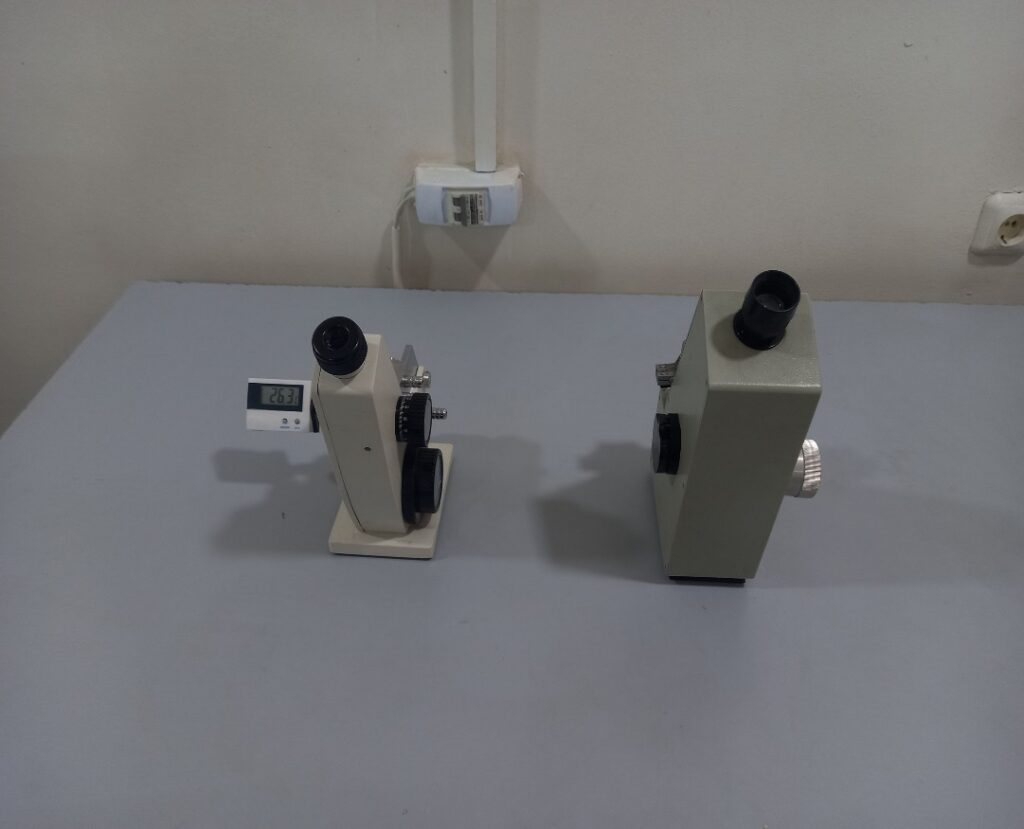
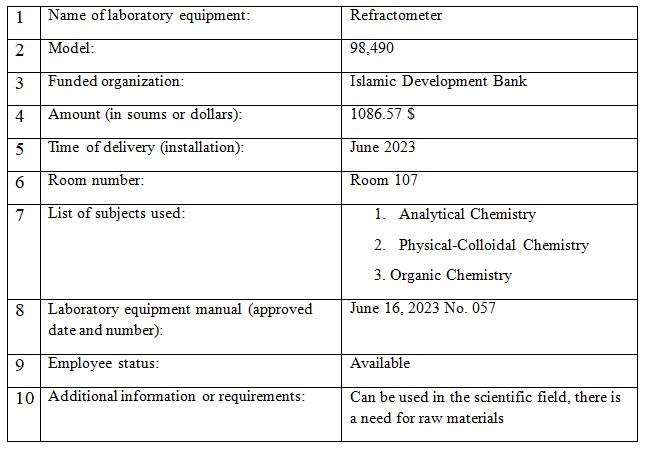
In the sciences of analytical chemistry, bioorganic chemistry, biochemistry, chemical technology, and physicochemical methods of analysis, it allows you to determine the optical refractive index of a solution and thereby the amount of dry residue in the solution.
Technical characteristics:
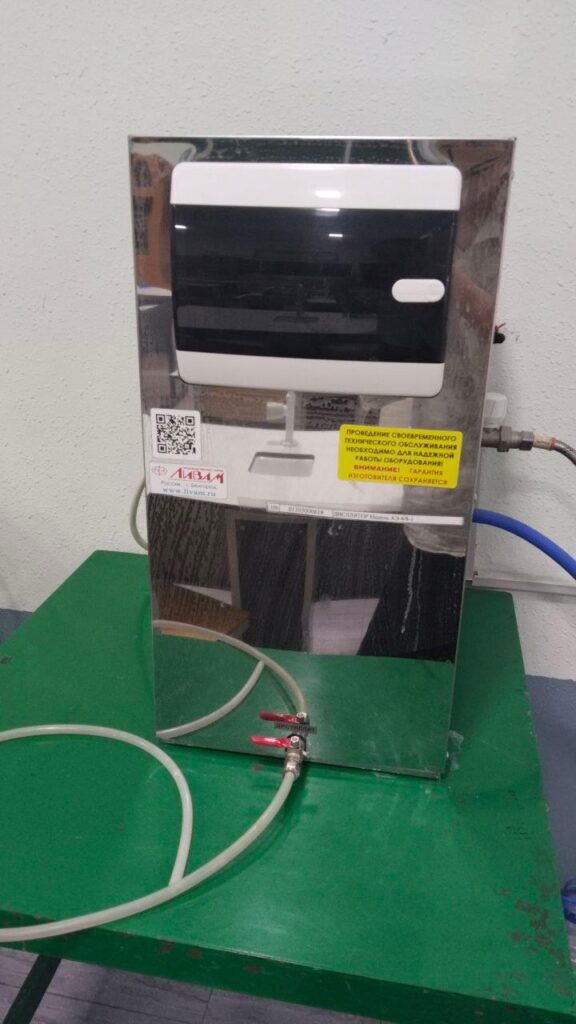
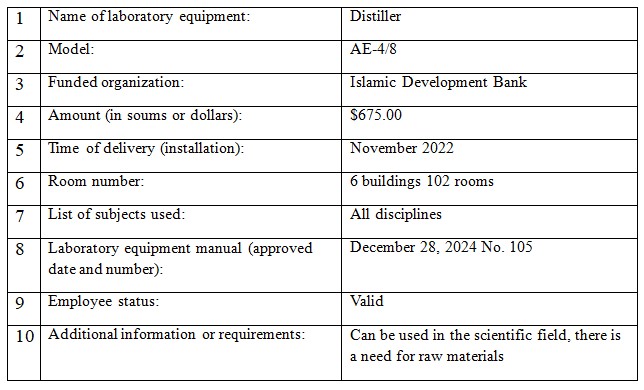
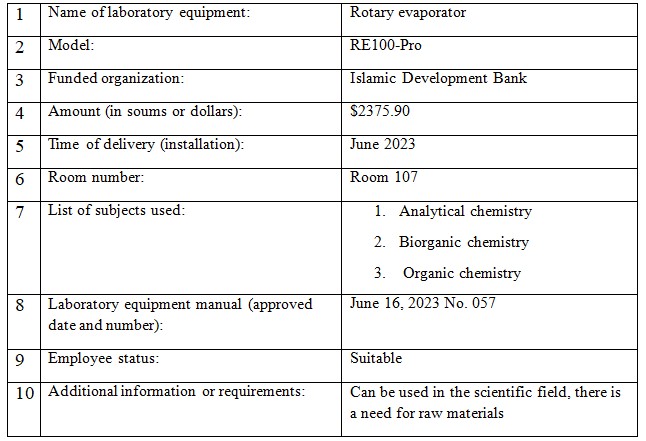
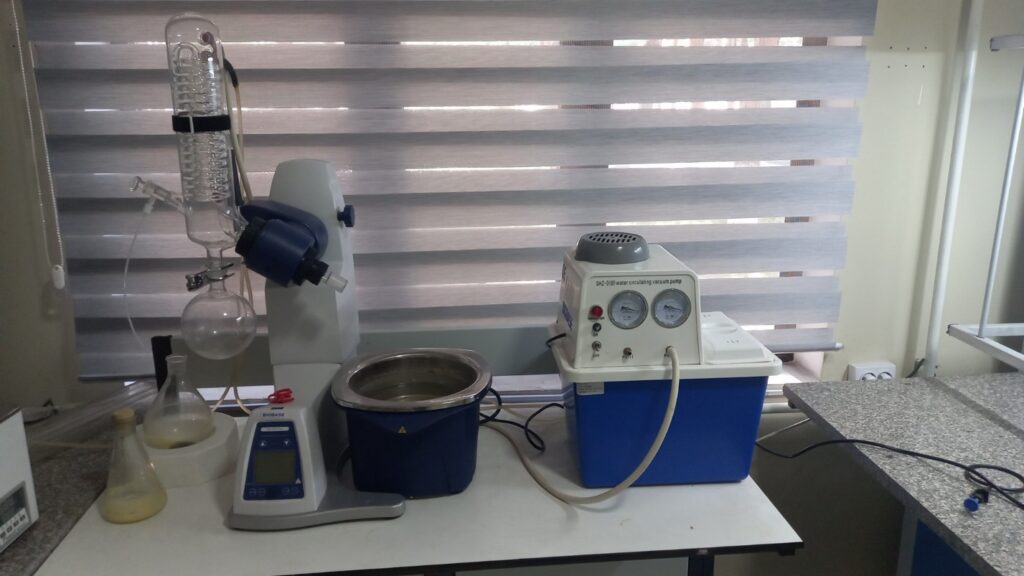
Intended for use in laboratory experiments related to the evaporation and condensation of organic solvents in organic chemistry, bioorganic chemistry, and biochemistry.
Technical characteristics:
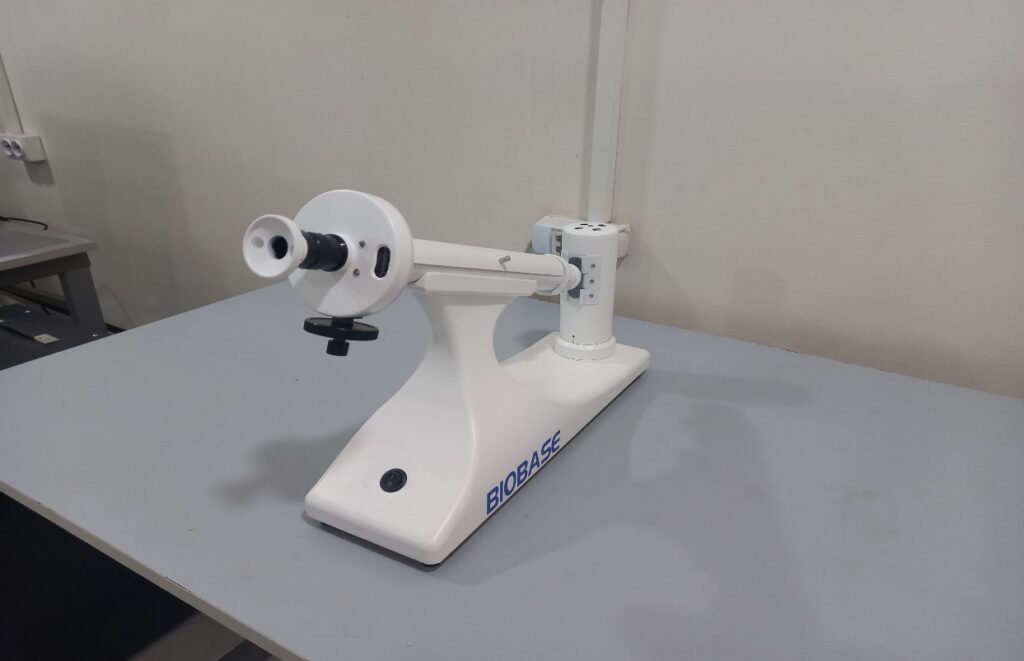
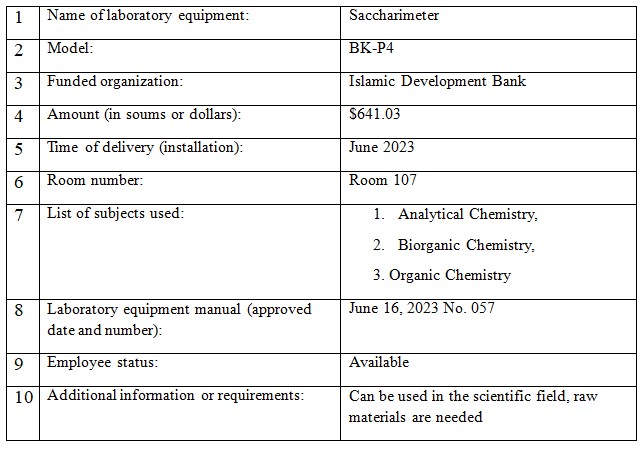
Used in laboratory work related to the quantitative study of sugar content in solutions in the disciplines of organic chemistry, bioorganic chemistry, biochemistry, polymer chemistry, and commodity chemistry.
Technical characteristics:
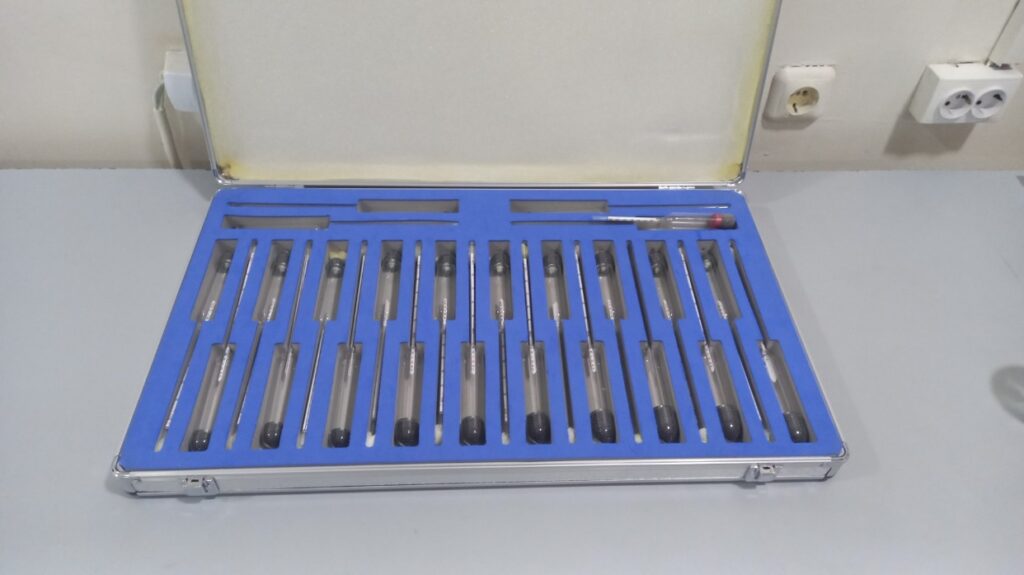
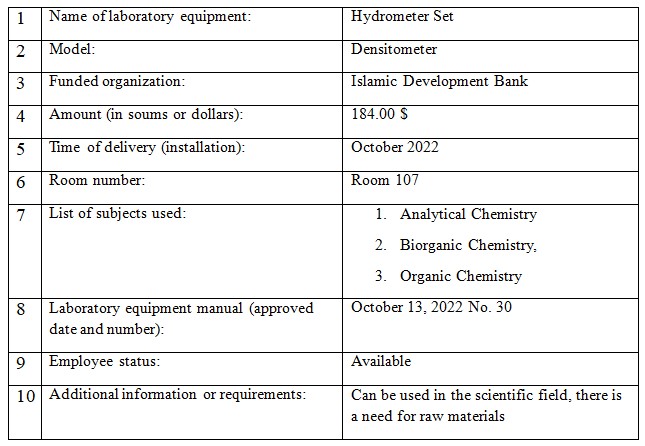
Used in laboratory work related to the density of liquids in all chemical sciences.
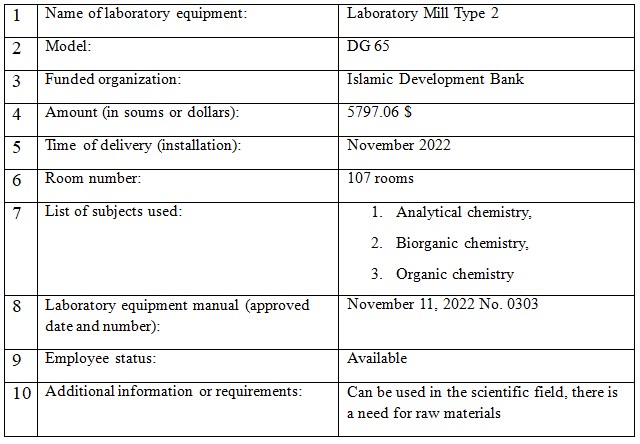
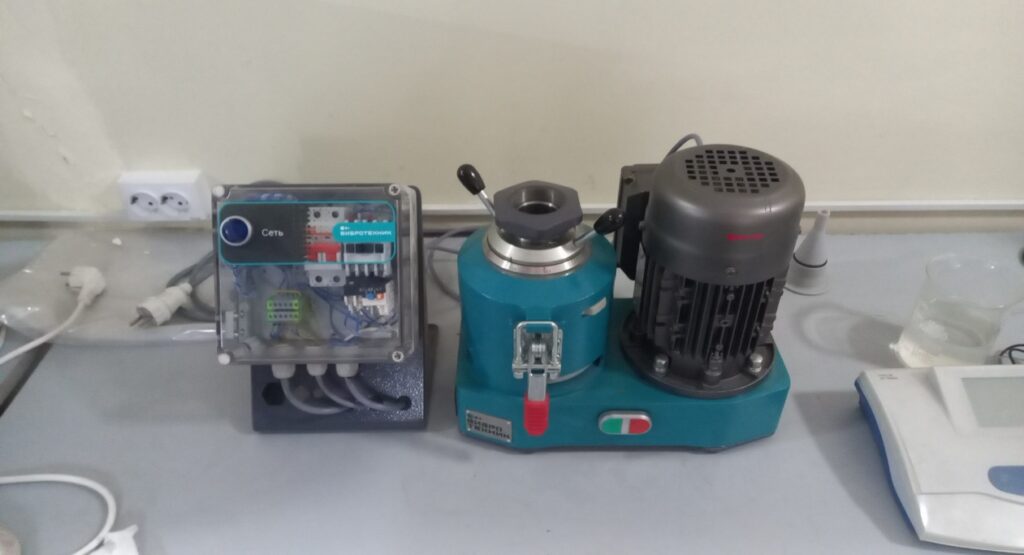
Technical characteristics:
Used for grinding minerals, inorganic materials, and ores in laboratory work in inorganic chemistry, colloidal chemistry, chemical technology, and environmental chemistry.
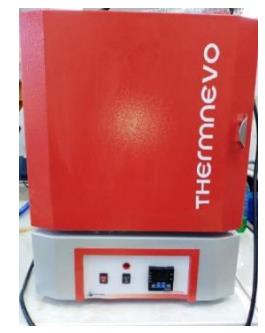
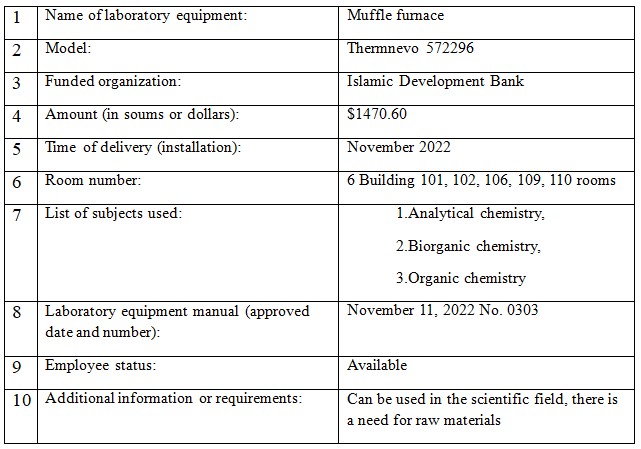
Technical characteristics:
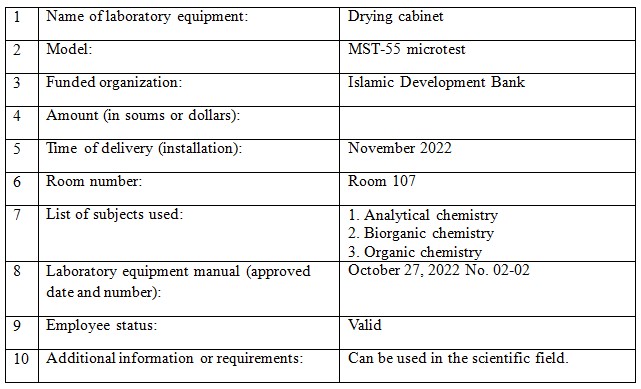
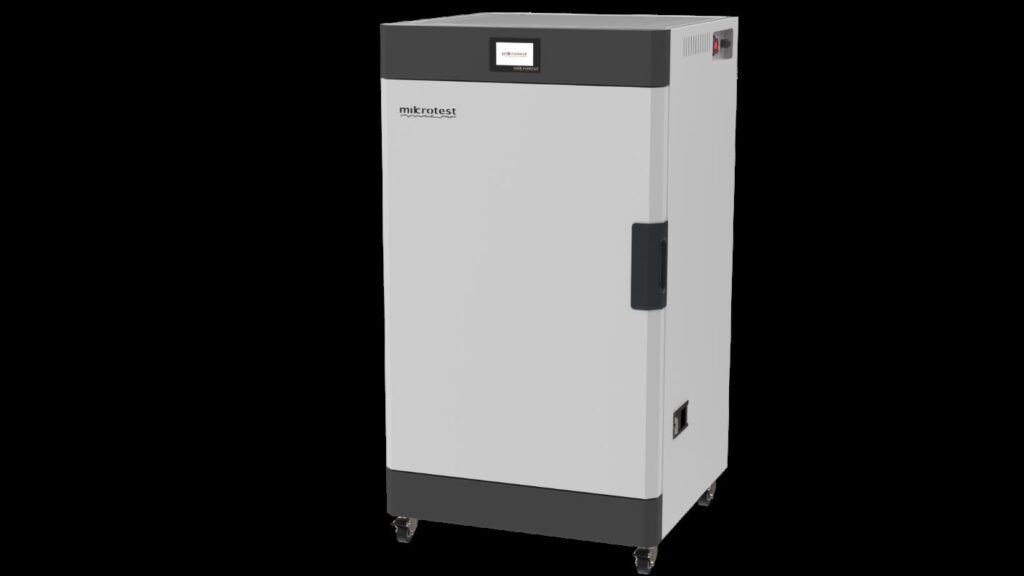
Used in laboratory work involving high temperatures in all chemical sciences.
Technical characteristics:
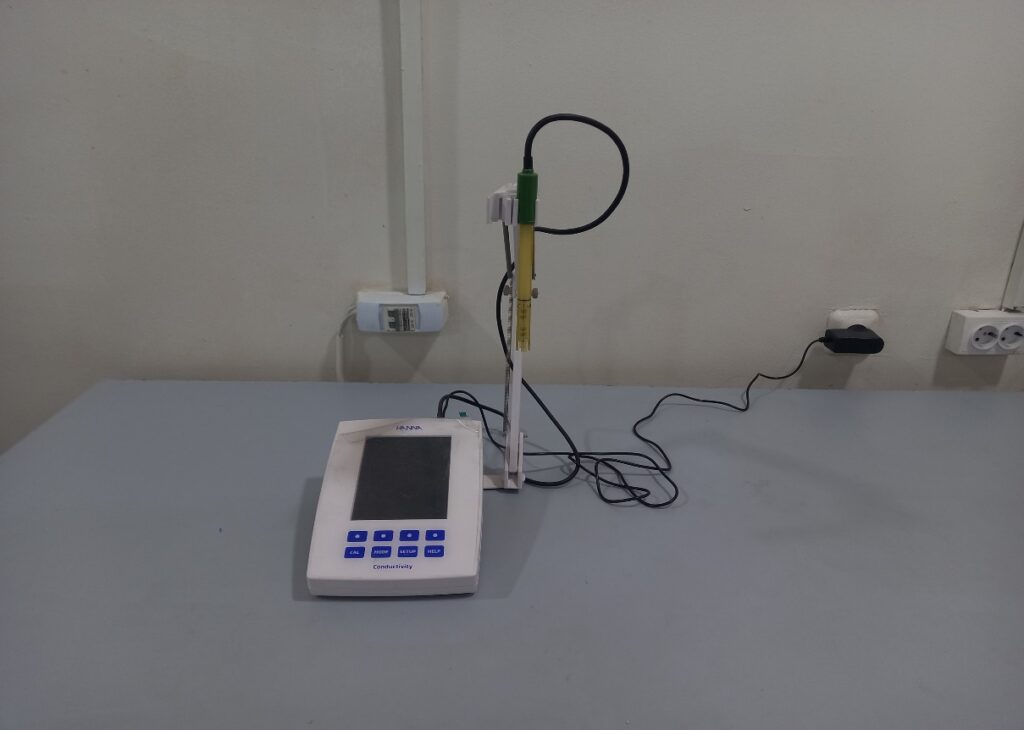
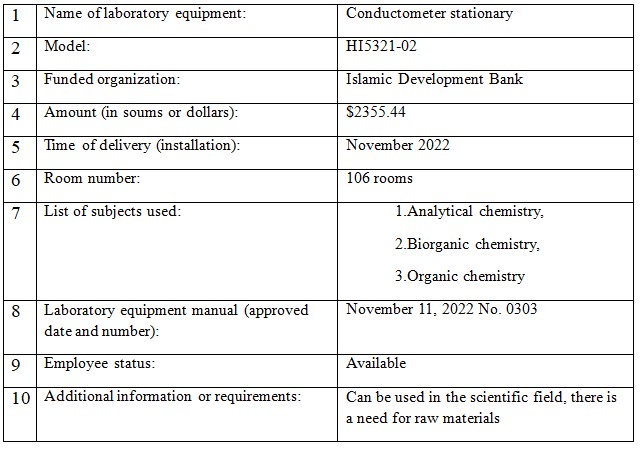
Used in laboratory experiments related to conductometry in the disciplines of analytical chemistry, physical chemistry, physical chemical methods of analysis, electrochemistry, environmental chemistry, agrochemistry, chemical technology.
Technical characteristics:
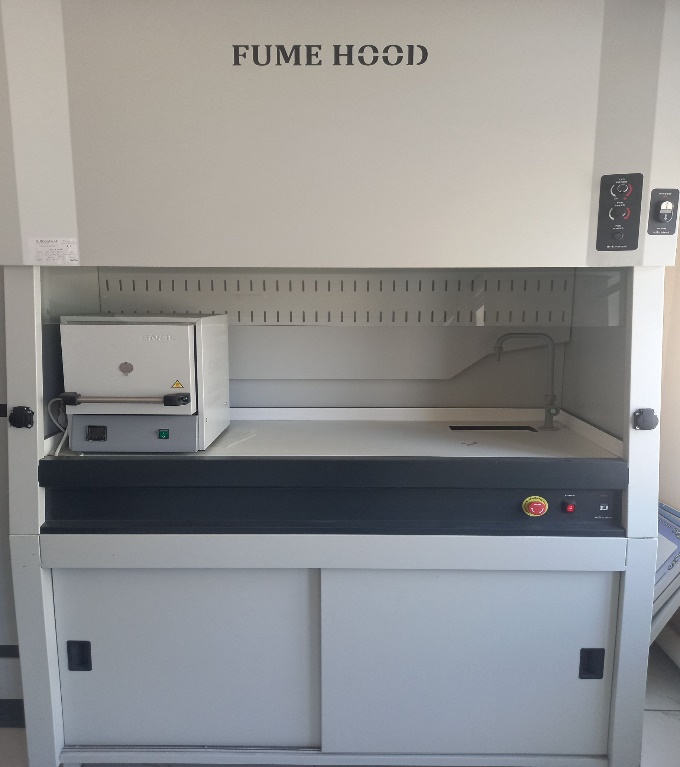
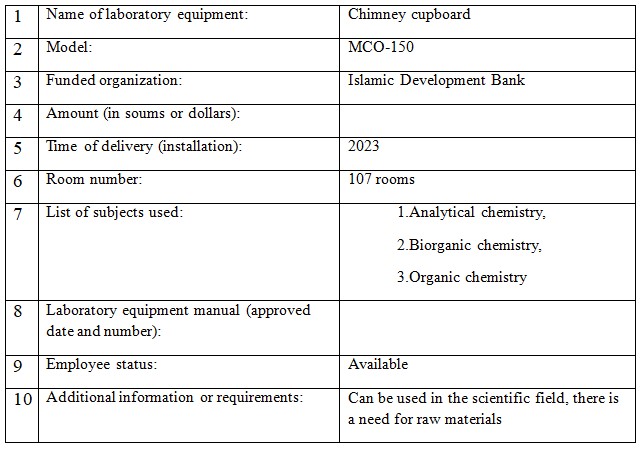
Used for conducting experiments with toxic gases in laboratory training.
Technical characteristics:
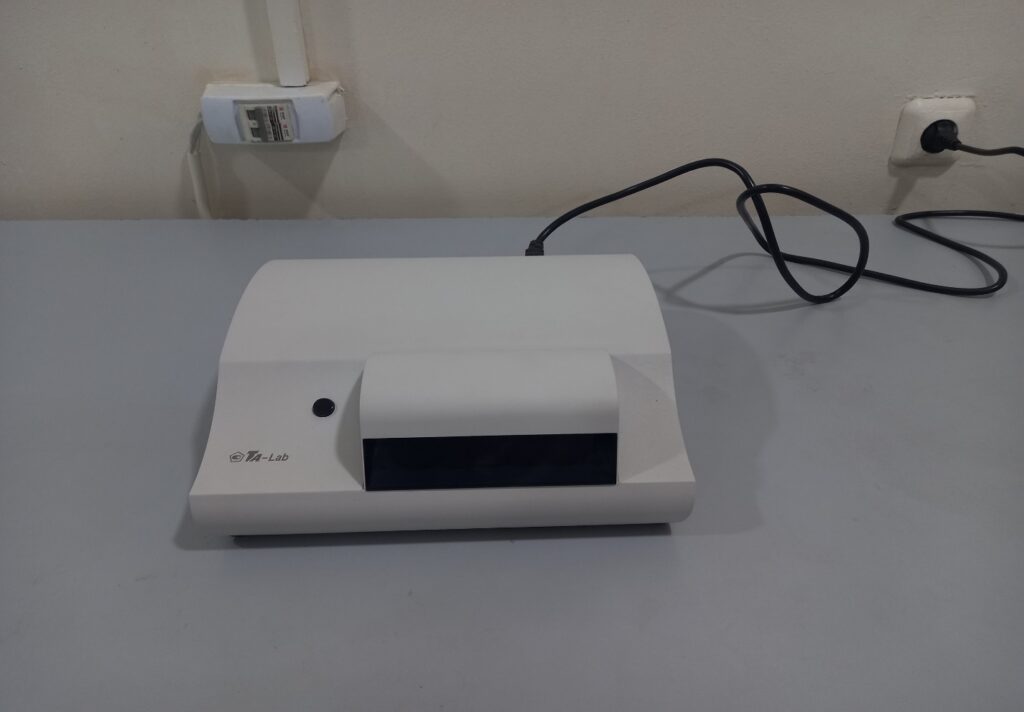
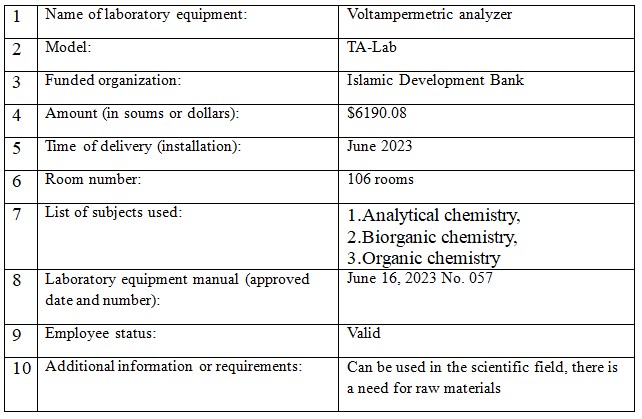
It is used in the qualitative and quantitative analysis of heavy metals in samples in analytical chemistry, environmental chemistry, green chemistry, physical chemistry, agrochemistry, physical methods of research, general chemistry, and inorganic chemistry.
Technical characteristics:
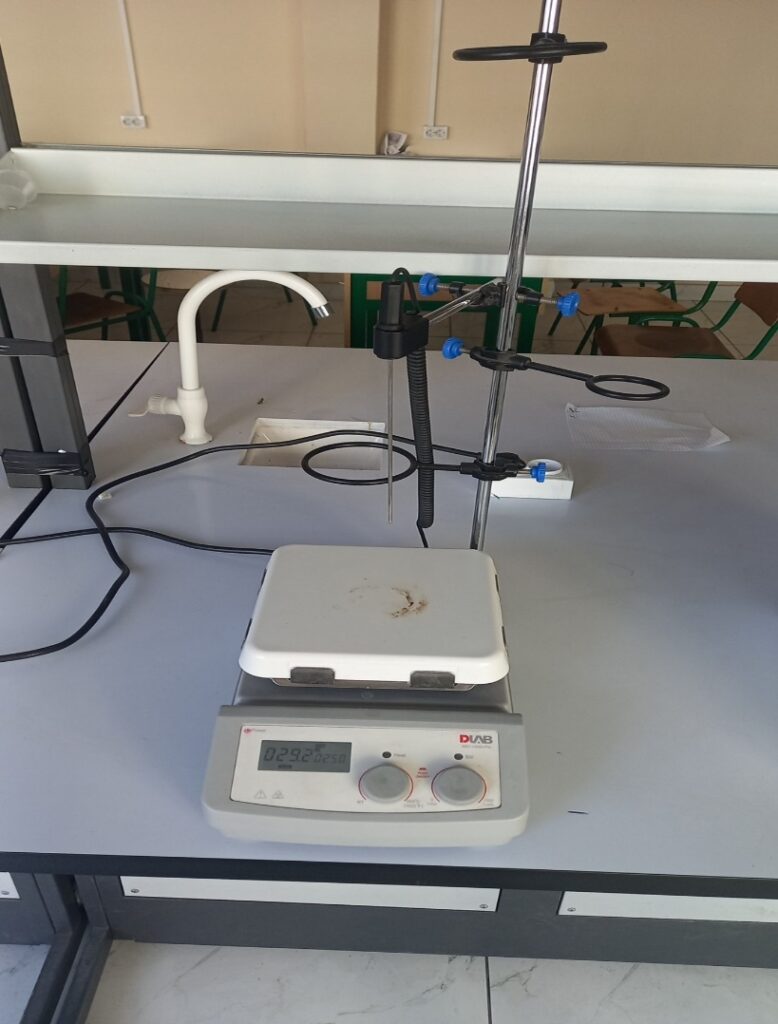
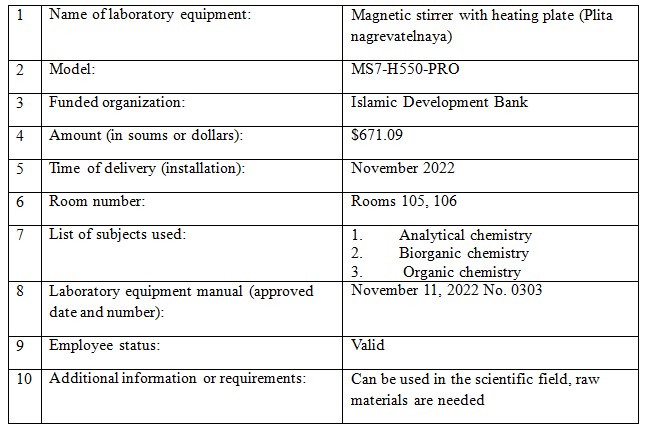
Used in laboratory work related to the preparation and heating of solutions in all chemical sciences.
Technical characteristics:
Used in laboratory work related to heating and boiling of solutions and liquids in all chemical sciences.
Technical characteristics:
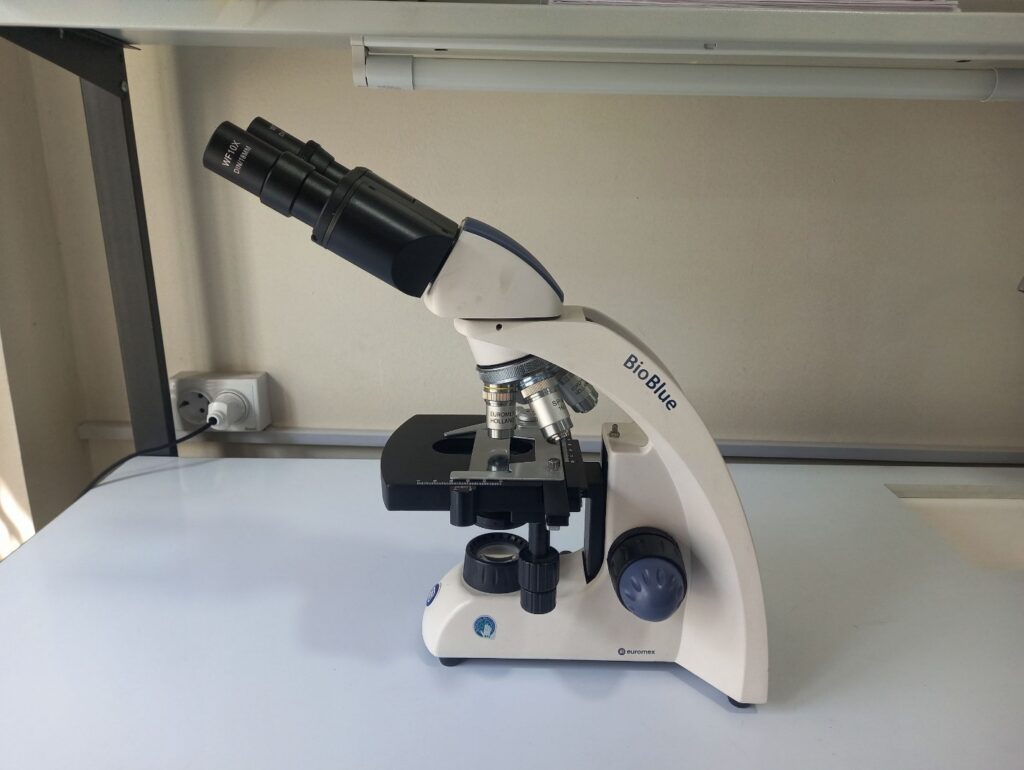
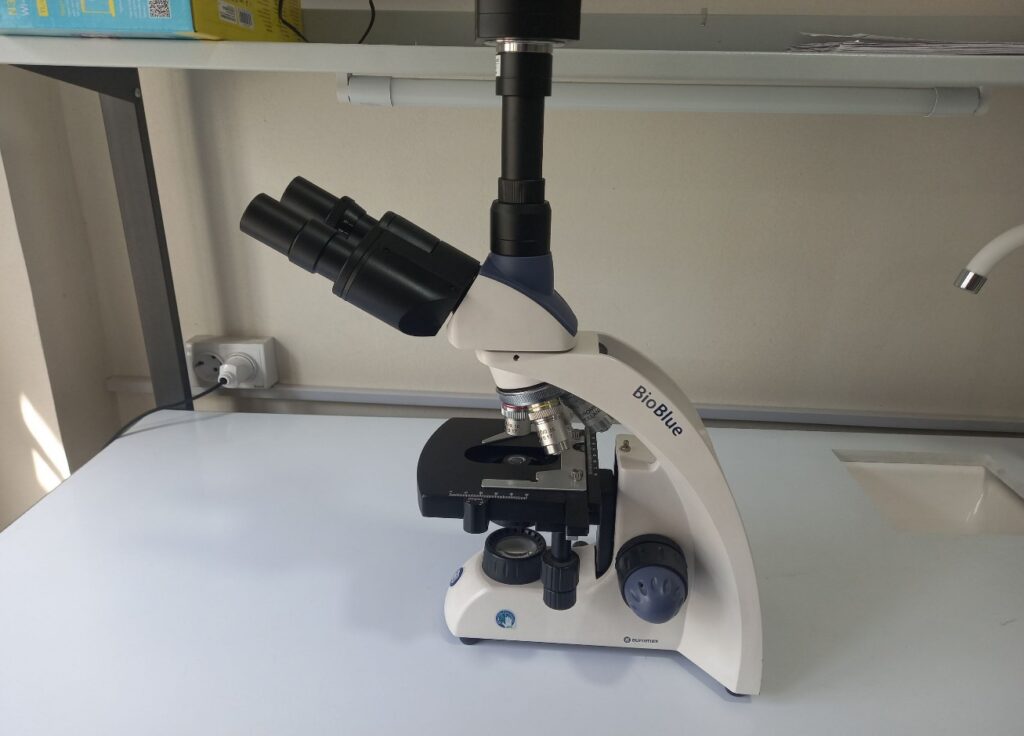
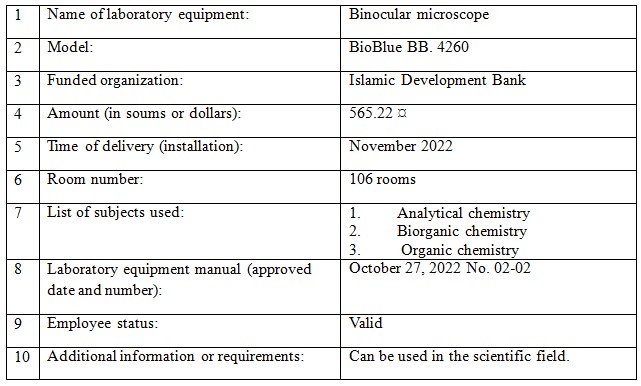
For microscopic studies in laboratory experiments in polymer chemistry, commodity chemistry, colloid chemistry, and bioorganic chemistry.
Technical characteristics:
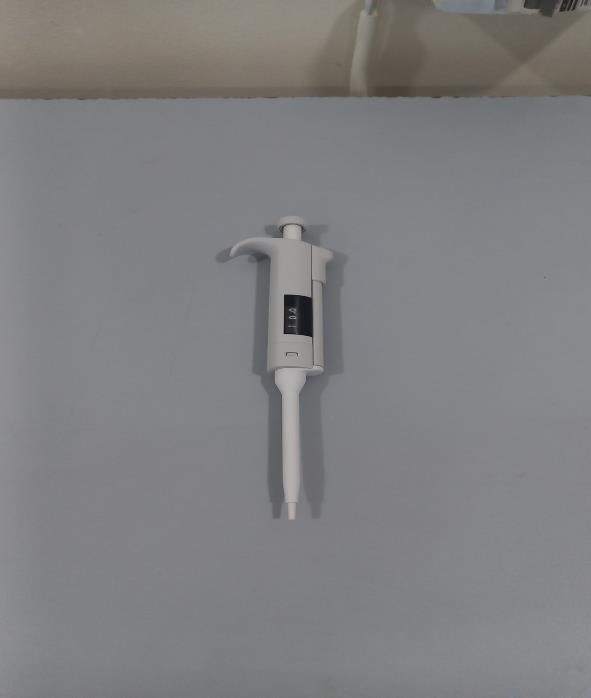
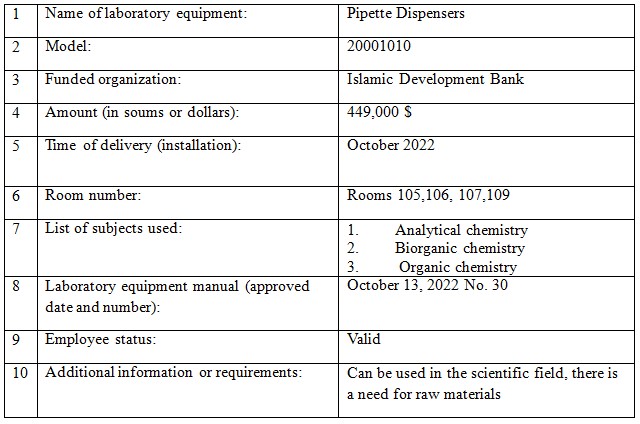
Used in laboratory work involving high-precision microliter liquid volumes in all chemical sciences.
Technical characteristics:
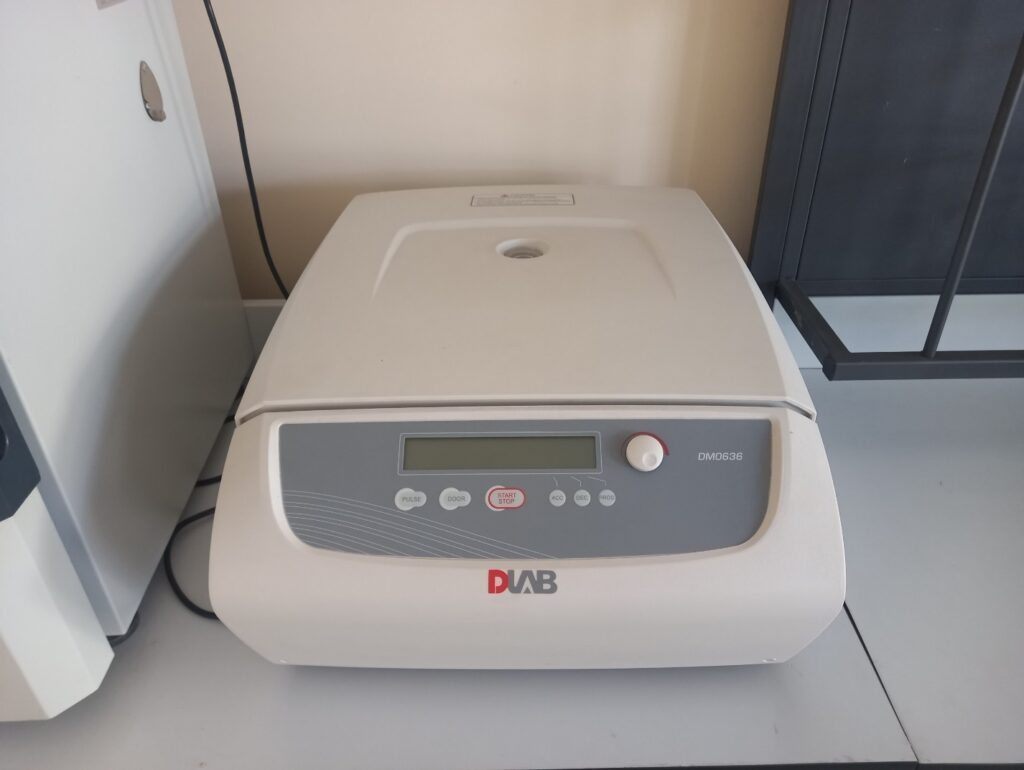
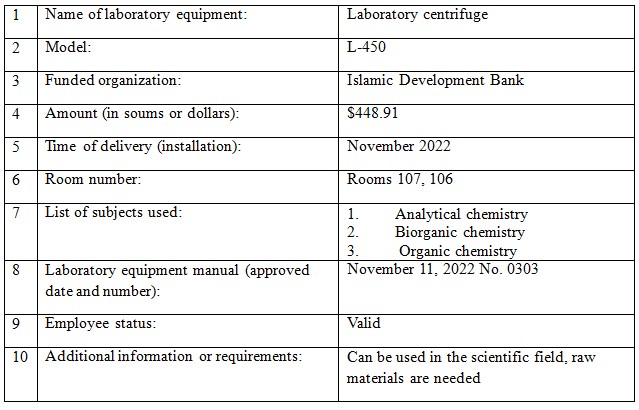
Used in laboratory work related to the precipitation of solutions under the influence of centrifugal force in the sciences of analytical chemistry, inorganic chemistry, biochemistry, bioorganic chemistry, colloidal chemistry, environmental chemistry, chemical technology, and polymer chemistry.
Technical characteristics:
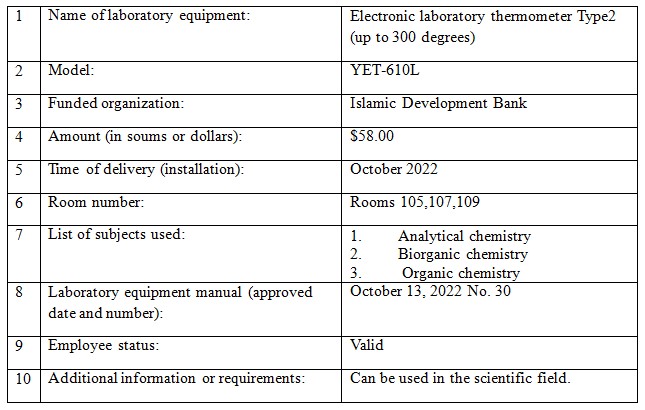
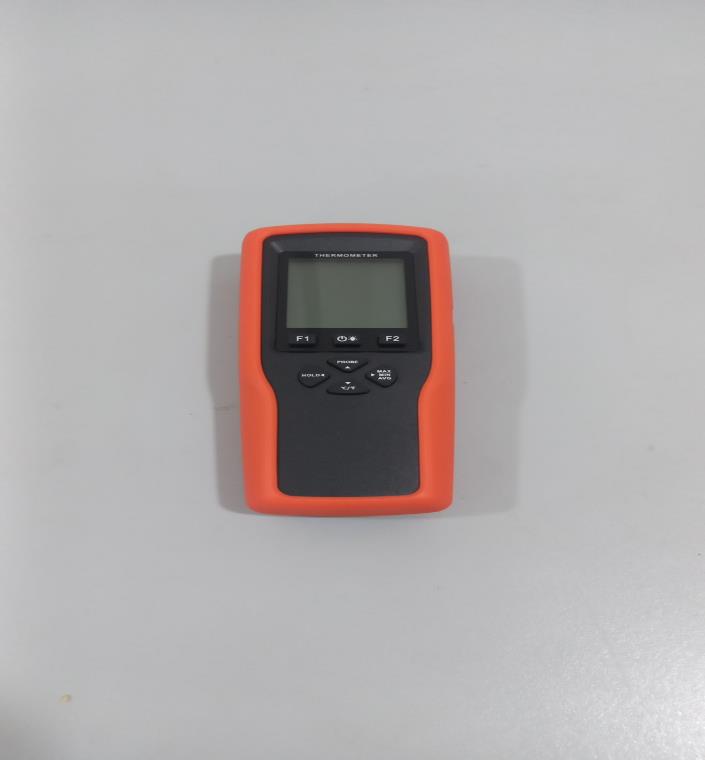
Used in laboratory work related to heat in all chemical sciences.
Technical characteristics:
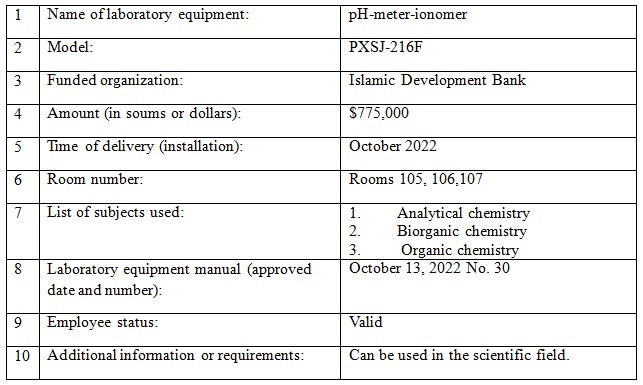
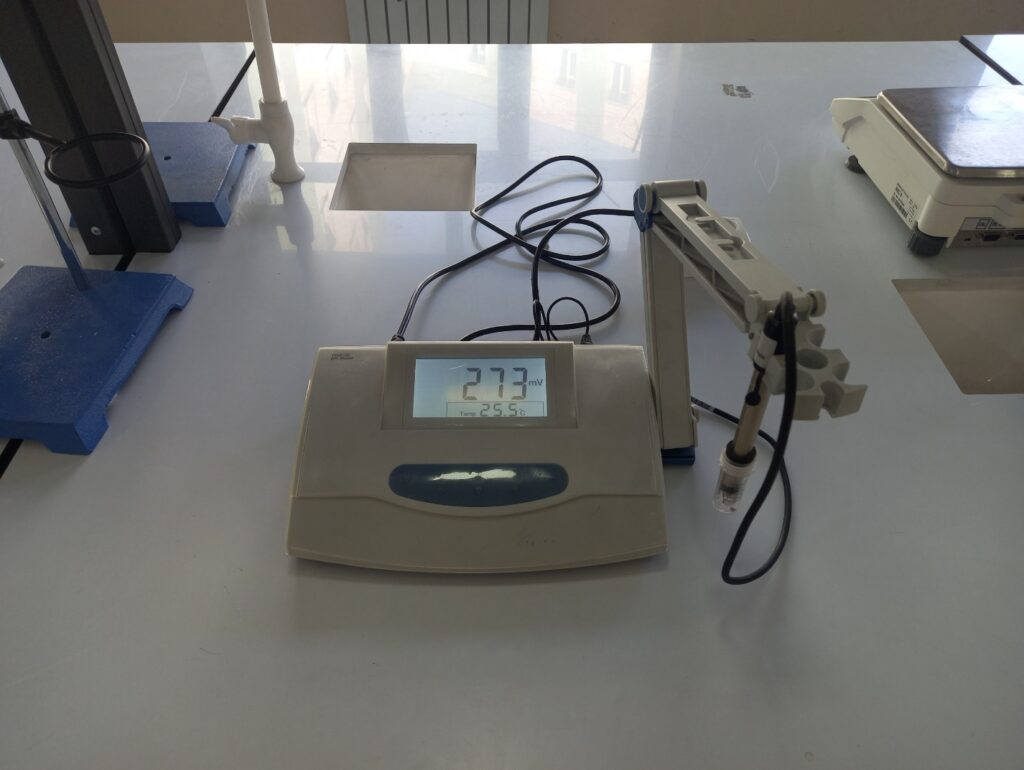
Used in laboratory work related to the hydrogen indicator – pH – in the environment of all chemical sciences.
Technical characteristics:
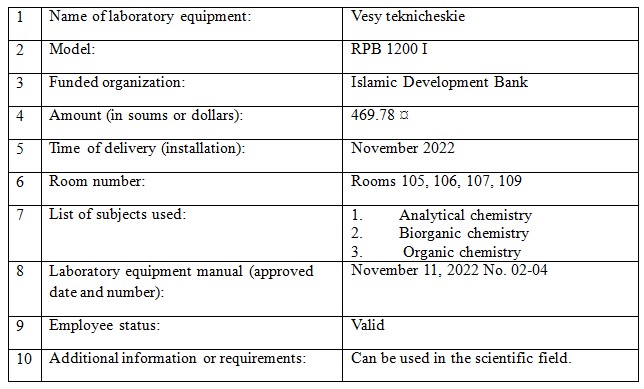
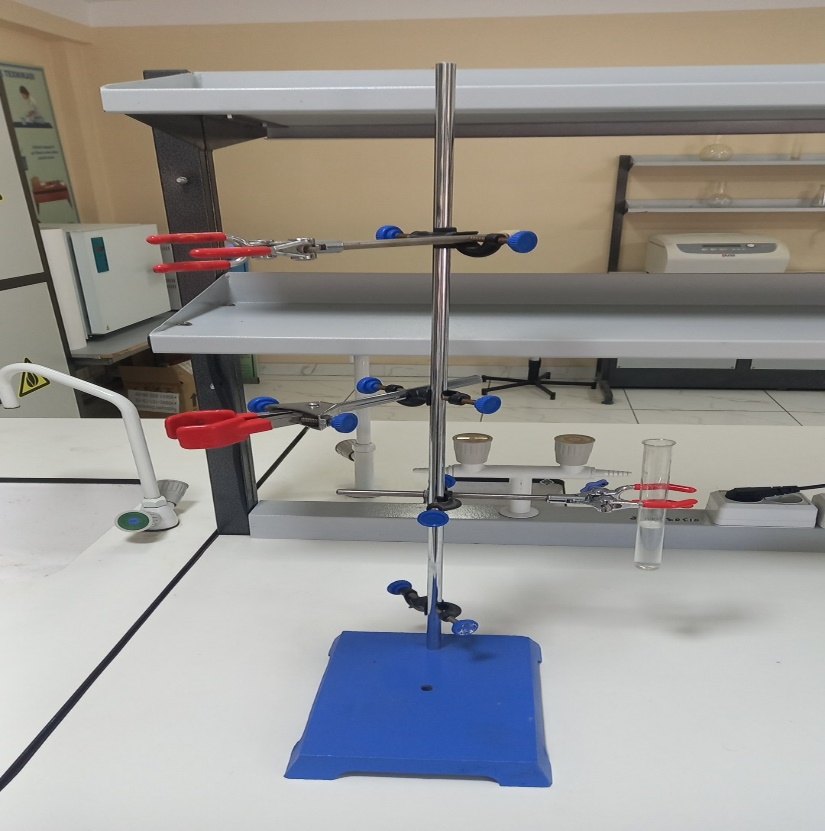
Used in laboratory work in all chemical sciences.
Technical characteristics:
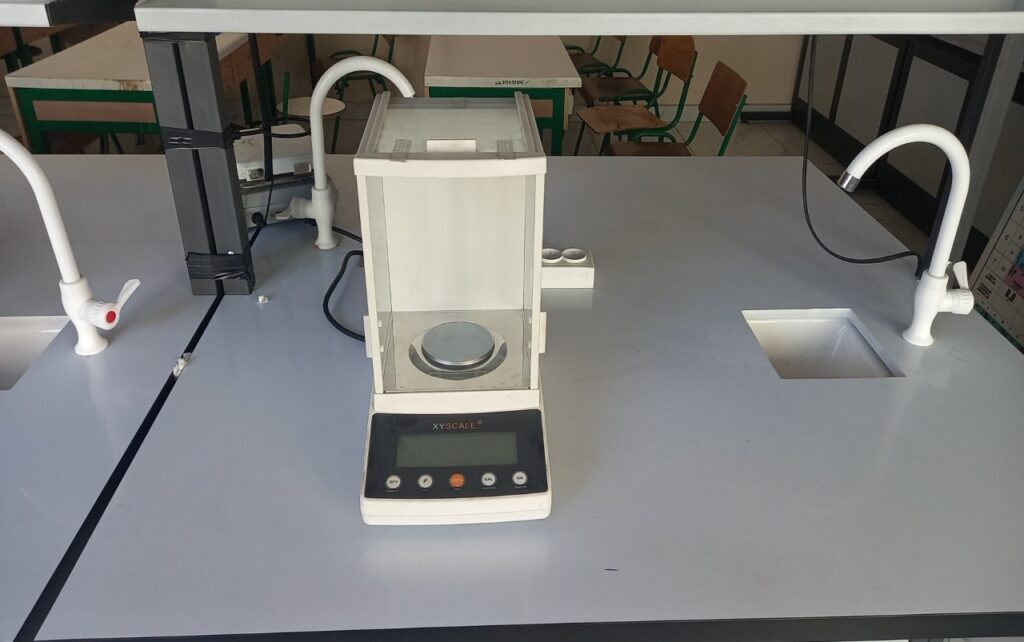
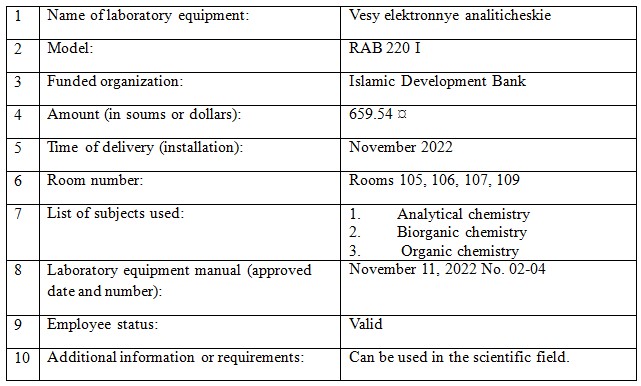
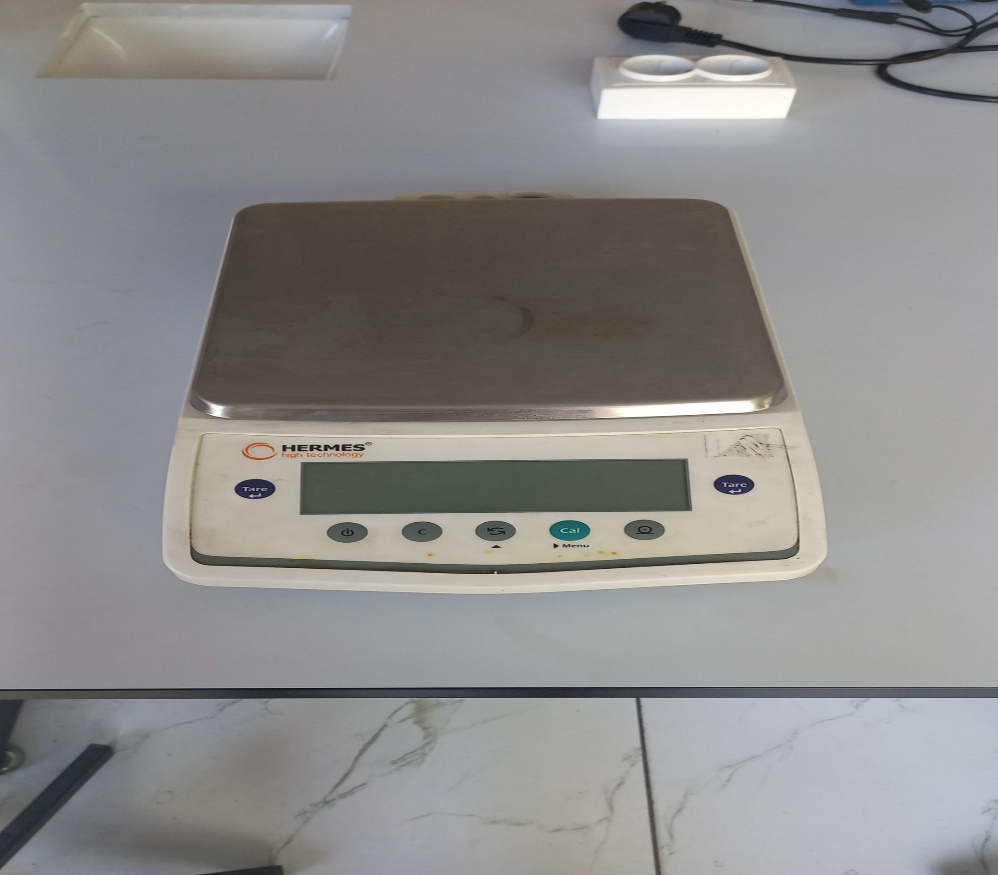
Used for weighing the mass of substances in laboratory work in all chemical sciences.