Inorganic waste management
Introduction
Navoi State University is committed to implementing sustainable waste management practices in accordance with its Waste Measurement Policy https://sdg.nsuni.uz/waste-measurement-policy/. As part of its environmental sustainability strategy, the University has established a comprehensive inorganic waste management system aimed at minimizing waste generation, promoting resource efficiency, and supporting circular economy principles across the campus.
Inorganic waste generated at the University originates from various academic, administrative, residential, and service-related activities. The primary categories of inorganic waste include:
paper and cardboard from offices, classrooms, libraries, and administrative departments;
plastic waste such as bottles, food packaging, containers, and
disposable items generated in cafeterias and public areas;
metal waste including.g aluminum cans, scrap metal, and worn-out equipment components;
glass waste from beverage containers and laboratory activities;
office materials such as toner cartridges, folders, binders, and packaging materials; non-hazardous solid waste generated from teaching and research laboratories.
To ensure environmentally responsible waste handling, the University applies a systematic approach that includes waste segregation at source, collection through designated waste bins, temporary storage, reuse initiatives, recycling activities, and collaboration with authorized waste management and recycling organizations. These measures help reduce the volume of waste sent to landfill while increasing the recovery and reuse of valuable materials.
1. COLLECTION AND SEGREGATION
Sources of Inorganic Waste and Waste Collection
Inorganic waste at Navoi State University is generated through a wide range of academic, administrative, residential, and service-related activities conducted across the campus. The University continuously monitors these waste streams to support effective waste management, recycling, and resource recovery initiatives.
Administrative offices are among the primary sources of inorganic waste, generating significant quantities of paper, cardboard, packaging materials, toner cartridges, folders, and other office supplies. Academic buildings and classrooms contribute additional paper waste from educational materials, printed documents, notebooks, and packaging associated with teaching and learning activities.
Student dormitories and campus residential facilities generate various forms of inorganic waste, including plastic bottles, food packaging, aluminum cans, glass containers, and other household-related materials. Similarly, cafeterias, food service areas, and campus shops produce considerable amounts of plastic packaging, disposable containers, beverage bottles, metal cans, and cardboard boxes resulting from daily operations.
University laboratories and research facilities generate non-hazardous inorganic waste such as plastic containers, glassware, packaging materials, and laboratory consumables that are suitable for segregation and recycling. Maintenance and facility management activities also contribute metal scraps, construction-related materials, damaged furniture components, and other recyclable inorganic materials.
In addition, conferences, student events, exhibitions, and community outreach activities occasionally generate temporary increases in inorganic waste, particularly paper products, promotional materials, plastic packaging, banners, and beverage containers. To address these diverse waste sources, the University implements source segregation practices and designated collection systems throughout the campus, ensuring that recyclable materials are efficiently recovered and diverted from landfill disposal.
Source | Waste Type |
Offices | Paper, cardboard, toner cartridges |
Classrooms | Paper, plastic bottles |
Cafeterias | Plastic packaging, cans |
Dormitories | Plastic, glass, metal |
Events | Banners, packaging materials |
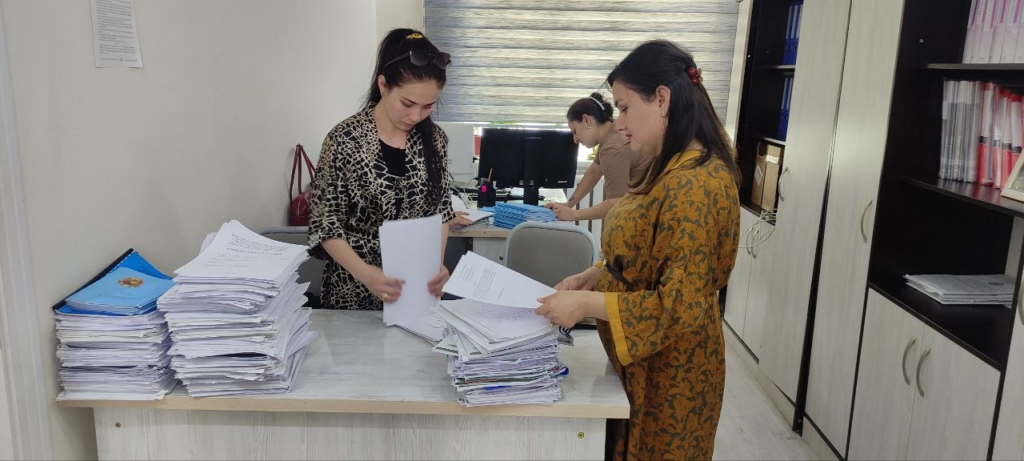
Paper collection
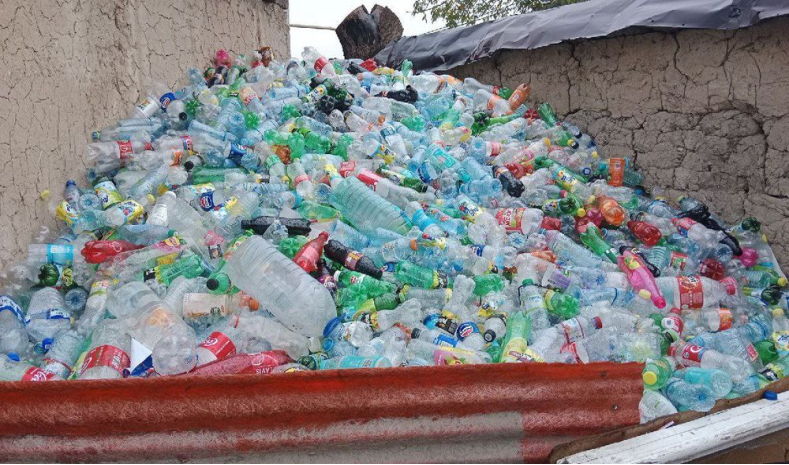
Plastic bottle collection in the university campus
2. Waste Segregation at Source
Navoi State University implements source segregation practices to ensure the effective management and recycling of inorganic waste. Color-coded collection bins are strategically installed across academic buildings, administrative offices, student dormitories, cafeterias, and public areas to facilitate the separation of paper, plastic, metal, and glass waste at the point of generation.
The waste segregation system is supported by awareness campaigns, informational signage, and guidance provided to students, faculty members, and staff. Through active participation, campus users are encouraged to dispose of waste in the appropriate containers, improving the quality of recyclable materials and reducing contamination.
Regular monitoring of collection points is carried out by the University’s maintenance and environmental management teams to ensure the proper use of segregation facilities and the efficient collection of recyclable waste streams.
3. Collection and Storage System
The collection and storage of inorganic waste at Navoi State University are coordinated by the University’s Facilities and Maintenance Department, which is responsible for the day-to-day operation of the campus waste management system. The department installs and maintains designated waste segregation bins at strategic locations throughout the campus and ensures the regular collection of recyclable materials.
Waste collected from:
academic buildings,
administrative offices,
dormitories,
cafeterias,
public areas
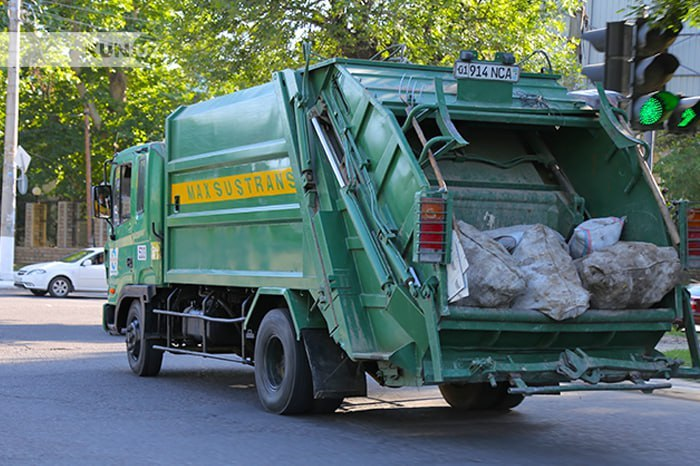
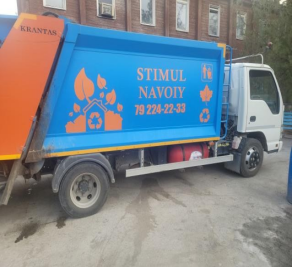
Collected waste then transported with the help of Stimul Navoi https://stimulnavoi.uz/ and Maxsus Trans https://maxsustrans.uz/ which collaberately works with university to transfer unwanted materials and waste to designated temporary storage points where recyclable materials are accumulated before further processing, reuse, or transfer to recycling partners. Collection activities are carried out on a regular basis to maintain cleanliness and ensure the efficient handling of inorganic waste streams.
The University’s Sustainability Management Team https://sdg.nsuni.uz/sustainable-team/ oversees and monitors the entire collection and storage process. The team regularly reviews monthly and annual waste management reports submitted by the responsible personnel of the Facilities and Maintenance Department to assess performance, verify compliance with waste management procedures, and identify opportunities for continuous improvement.
In addition, students actively support waste collection initiatives through voluntary environmental activities and campus clean-up campaigns. By participating in waste collection and segregation efforts, student volunteers contribute to improving recycling practices and strengthening environmental awareness across the University community.
RECYCLING AND REUSE ACTIVITIES
Navoi State University promotes the principles of waste reduction, reuse, and recycling through a variety of initiatives aimed at recovering valuable materials and minimizing landfill disposal. Recyclable inorganic waste generated across the campus is systematically collected, segregated, reused for educational purposes, or transferred to authorized recycling organizations. The University also encourages students and staff to participate actively in creative reuse and environmental sustainability projects.
4. Paper and Cardboard Recycling
Paper and cardboard constitute a significant portion of the University’s recyclable waste stream. To reduce paper consumption and promote resource recovery, the University implements several recycling and reuse measures:
A key component of this strategy is the Spin-Off Paper Recycle Program, which has been implemented across the University since 2023. The initiative involves all faculties, academic departments, administrative offices, classrooms, libraries, and service units, creating a campus-wide approach to paper waste reduction.
The Facilities and Campus Maintenance Department is responsible for coordinating the program and managing the collection, sorting, storage, and redistribution of reusable paper materials. Staff members and cleaning personnel regularly collect one-sided used paper from offices, classrooms, libraries, meeting rooms, and other campus facilities. The collected paper is sorted and stored in designated collection boxes located in strategic areas of the campus.
Rather than being immediately discarded, suitable paper is reused internally for a variety of educational and administrative purposes, including:
Draft printing and document review;
Meeting notes and internal memoranda;
Temporary notepads and writing materials;
Proofreading and editing activities;
Student practice exercises and classroom activities;
Working documents and administrative records;
Creative projects, exhibitions, and awareness campaigns.
The program significantly reduces the demand for new paper resources while decreasing the volume of waste generated on campus. In addition, the University promotes double-sided printing and encourages the use of electronic documentation, digital communication platforms, and paperless administrative procedures whenever possible.
Beyond its environmental benefits, the Spin-Off Paper Reuse and Reduction Program serves as an educational tool that raises awareness among students and staff about responsible resource consumption and sustainable waste management practices. By giving paper a second life before recycling, the University strengthens its commitment to circular economy principles and fosters a culture of environmental responsibility throughout the campus community.
Paper and cardboard materials that can no longer be reused are collected separately and transferred to recycling channels, ensuring that valuable resources remain within the material recovery cycle rather than being disposed of as general waste.
Plastic Recycling and Reuse
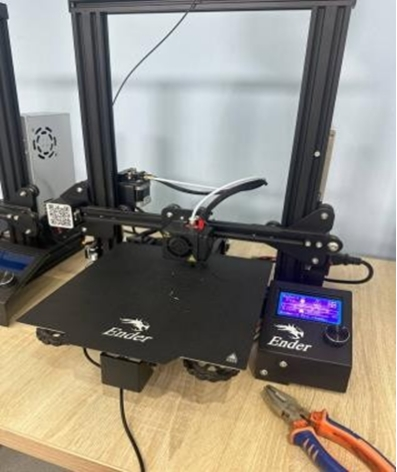
5. Plastic bottle reduction and 3D printer innovation
Plastic waste generated from beverage bottles, packaging materials, and campus activities is collected through designated segregation bins and managed through recycling and reuse initiatives.
Plastic bottles and containers are collected separately throughout the campus.
Navoi State University has introduced an innovative initiative that uses recycled plastic bottles as a resource for 3D printing filament production. Plastic bottles collected from the campus are cleaned, processed, and used as material for educational and technical 3D printing activities. This initiative connects waste reduction with innovation, digital manufacturing, and student practical learning. This program demonstrates that plastic waste can be treated not only as waste, but also as a secondary resource for education, creativity, and technical experimentation.
6. Student-Led Creative Reuse of Plastic Waste
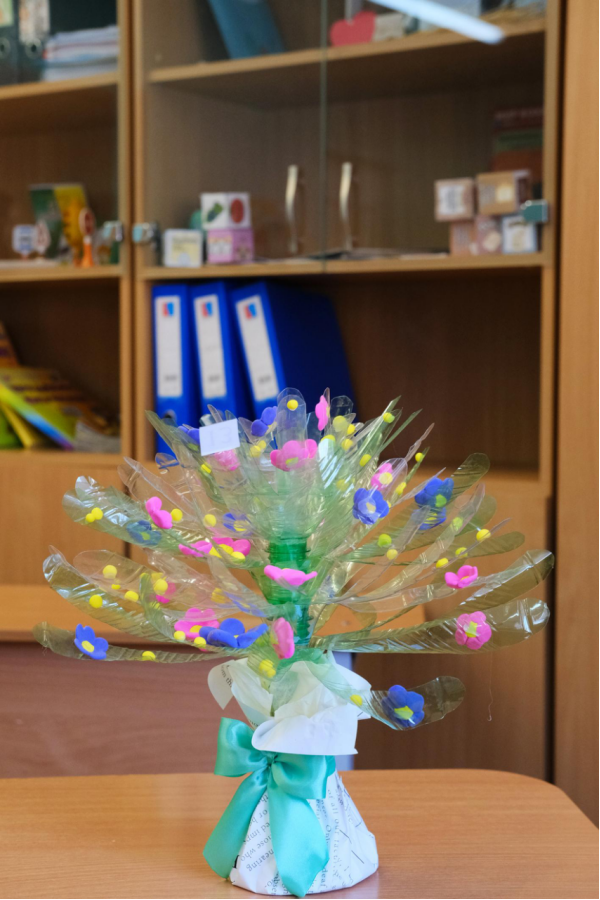
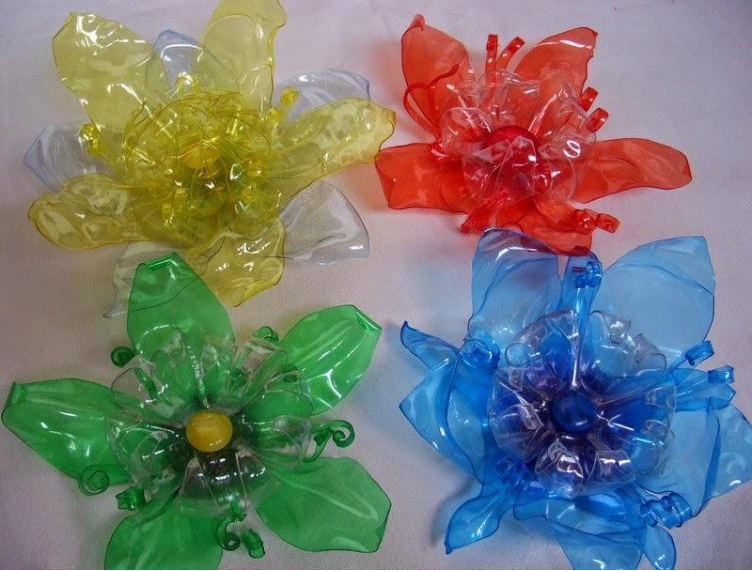
Students actively participate in plastic waste reuse initiatives by transforming discarded plastic materials into creative, educational, and functional products. Plastic bottles, containers, packaging materials, and other recyclable plastic items collected on campus are utilized in various student-led projects, practical workshops, exhibitions, and environmental awareness activities.
These materials are repurposed into educational teaching aids, classroom demonstration tools, decorative items, exhibition displays, and artistic works used during academic and extracurricular events. Students from different faculties collaborate to design innovative products from waste materials, demonstrating the potential value of recyclable resources and promoting sustainable consumption practices.
In addition, plastic waste is frequently incorporated into environmental education campaigns, sustainability competitions, and recycling-themed exhibitions organized on campus. These activities provide students with hands-on experience in waste reduction and resource recovery while fostering creativity, environmental responsibility, and awareness of circular economy principles.
7. Reuse of Plastic Bottles in Gardening and Agricultural Activities
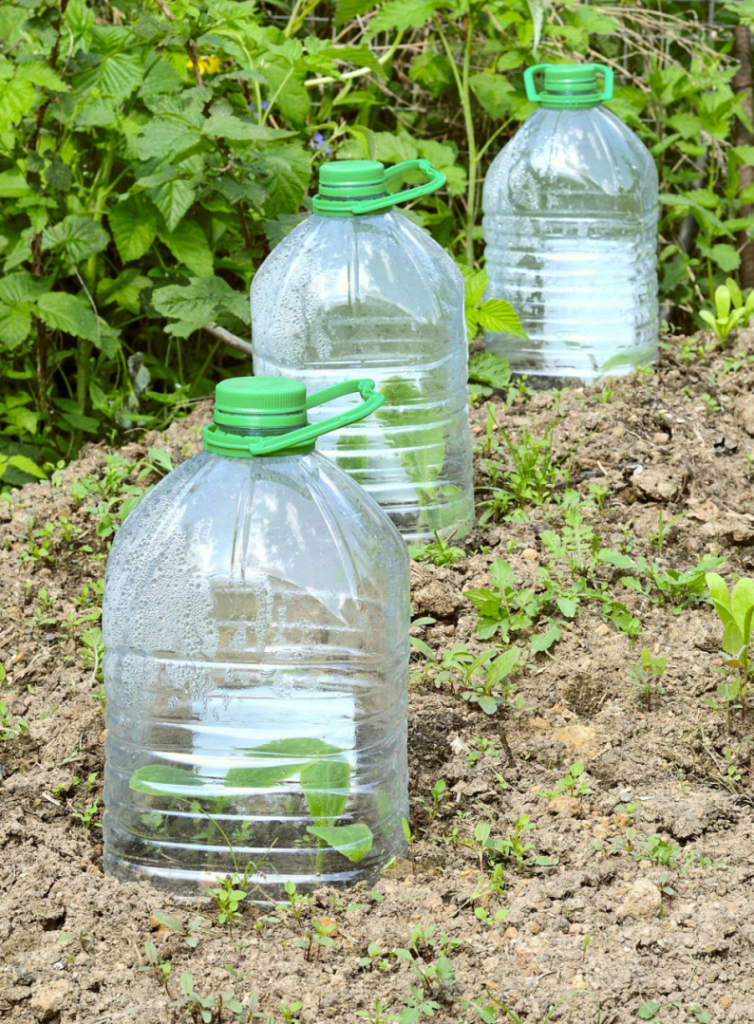
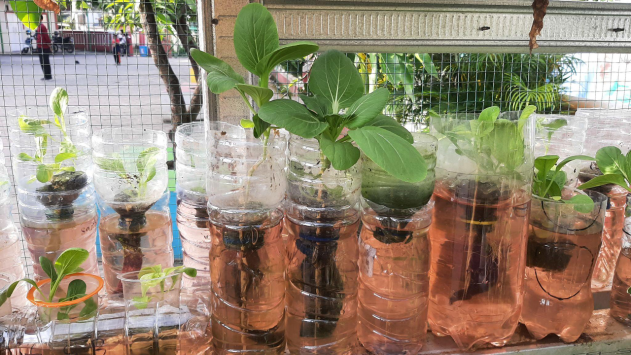
Students from the faculties of Agriculture, Biology, Ecology, and Natural Sciences actively reuse plastic bottles in practical gardening, landscaping, and environmental education activities conducted on campus. Instead of being discarded as waste, collected plastic bottles are repurposed into useful tools that support hands-on learning and sustainable resource management.
Plastic bottles are commonly used as seedling containers, plant pots, and propagation units for growing flowers, vegetables, herbs, and ornamental plants in campus green spaces and educational gardens. Students also adapt used bottles to create simple irrigation and water-saving systems, allowing plants to receive a controlled supply of water while reducing unnecessary water consumption.
In addition, plastic bottles are incorporated into experimental projects related to plant growth, soil conservation, environmental monitoring, and sustainable agriculture. These activities provide students with practical experience in applying circular economy principles while demonstrating innovative ways to extend the life cycle of recyclable materials.
METAL RECYCLING
Metal waste is managed through a dedicated collection and recycling process to maximize resource recovery.
Scrap metal, aluminum cans, and damaged metal components are collected separately from other waste streams.
Metal waste generated from maintenance activities and campus operations is stored in designated collection areas.
Collected materials are periodically transferred to specialized recycling organizations for processing and reuse.
The recycling of metal waste helps reduce raw material consumption and supports circular economy practices.
Glass Recycling
Glass waste generated on campus is collected and handled separately to ensure safe recycling and recovery.
Designated containers are used for the collection of glass bottles and other recyclable glass materials.
Glass waste is segregated to prevent contamination and facilitate recycling.
Collected glass materials are transferred to recycling partners and waste management organizations for further processing.
Proper glass recycling contributes to reducing landfill waste and conserving natural resources.
Through these recycling and reuse activities, Navoi State University strengthens its commitment to sustainable campus operations, environmental responsibility, and the promotion of circular economy principles. The integration of educational reuse initiatives with formal recycling programs provides students with practical opportunities to engage in environmental stewardship while supporting the University’s sustainability goals.
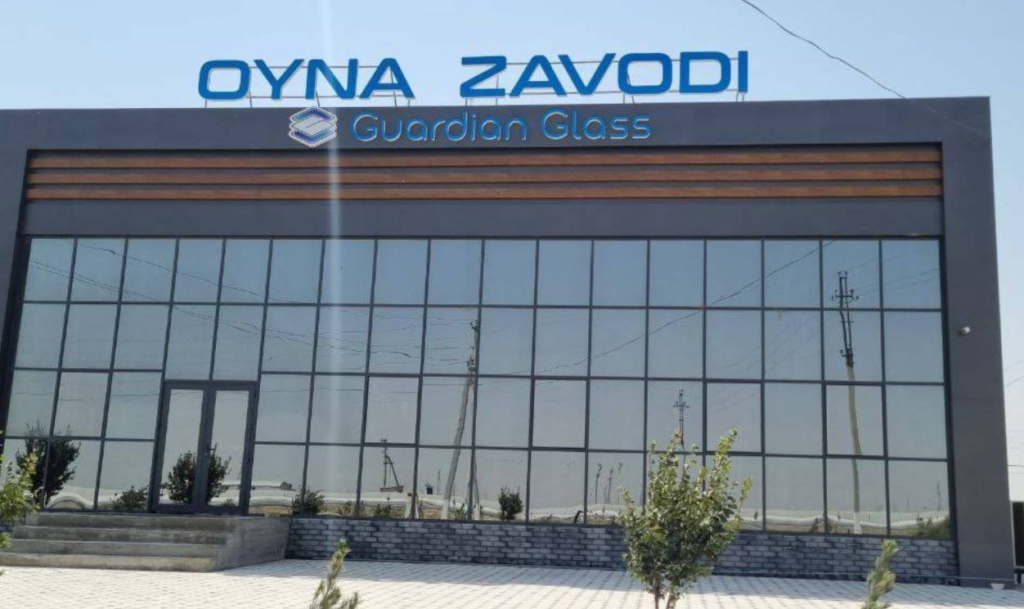
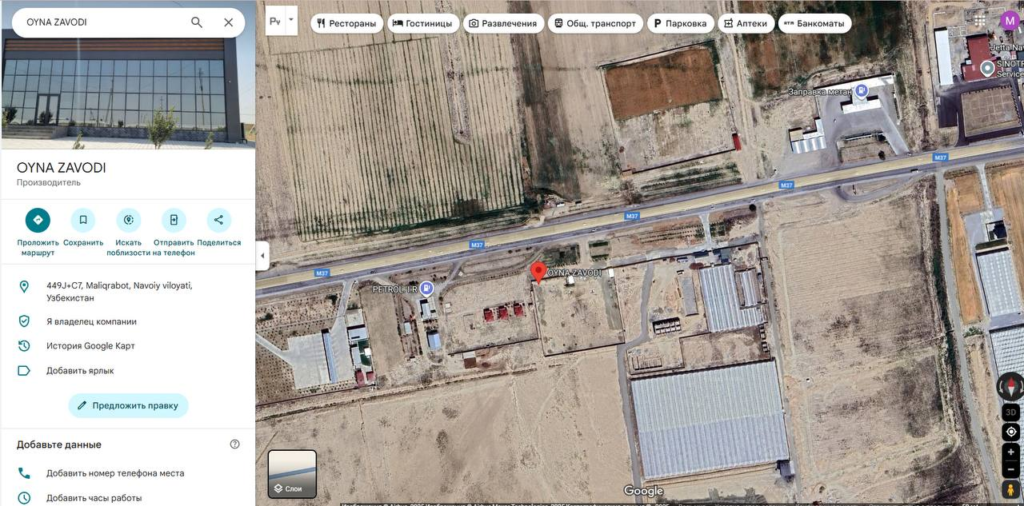
Navoi State University has established cooperation with a local glass factory to improve the treatment and recycling of glass and related inorganic waste generated on campus. Separated glass waste, including bottles, jars, and broken glass materials, is collected from academic buildings, canteens, laboratories, and service areas, then stored safely before being transferred for recycling.
The cooperation with the glass factory allows glass waste to be processed professionally and reused as a secondary raw material in production. Metal waste is also separated and directed to recycling or down-cycling channels instead of being mixed with general waste. This partnership helps NSU reduce landfill disposal, improve campus waste segregation, and support the regional recycling system.
8. Awareness and Educational Programs
Navoi State University recognizes that effective waste management requires not only appropriate infrastructure and recycling systems but also active participation and environmental awareness among students, faculty members, and staff. Therefore, the University regularly organizes educational and awareness-raising activities aimed at promoting responsible waste management practices, resource conservation, and sustainable lifestyles.
Throughout the academic year, various seminars, workshops, and training sessions are conducted to educate the University community about waste segregation, recycling, waste reduction strategies, and the principles of the circular economy. These activities provide participants with practical knowledge on how individual actions can contribute to environmental sustainability and campus cleanliness.
The University also organizes environmental campaigns and community engagement events, including:
Environmental Seminars and Workshops
Educational seminars on waste management, recycling, and environmental protection.
Expert lectures and discussions on sustainable development and resource conservation.
Training sessions on proper waste segregation and responsible disposal practices.
Eco Week Activities
Annual Eco Week events dedicated to environmental awareness and sustainability.
Exhibitions, presentations, and interactive activities promoting recycling and waste reduction.
Student-led initiatives showcasing innovative environmental projects and sustainable practices.
Clean Campus Campaigns
Regular campus clean-up activities involving students, faculty members, and staff.
Collection of recyclable materials from public spaces, green areas, and campus facilities.
Awareness campaigns encouraging responsible waste disposal and campus stewardship.
Recycling Competitions and Creative Reuse Projects
Competitions that encourage students to develop creative products from recyclable materials.
Exhibitions featuring artworks, educational tools, and innovative items produced from waste materials.
Recognition of outstanding student contributions to waste reduction and recycling initiatives.
Student Volunteer Programs
Volunteer groups actively supporting waste collection, segregation, and environmental awareness activities.
Participation in tree-planting events, campus beautification projects, and sustainability campaigns.