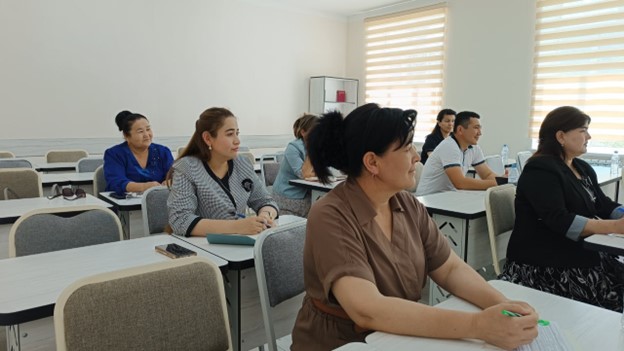
Mentoring Programs for Women
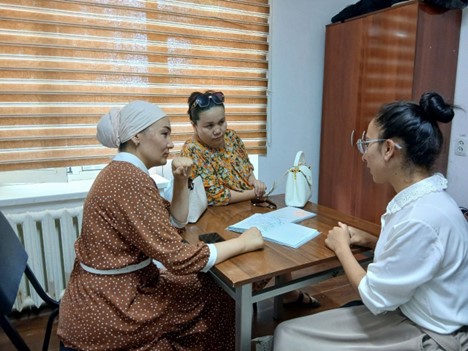
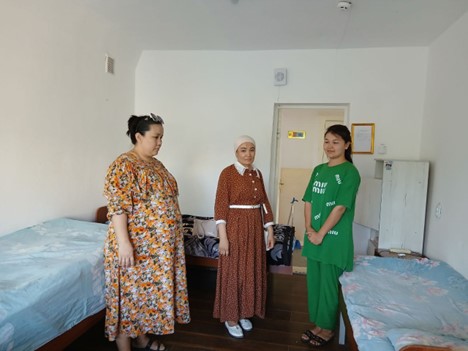
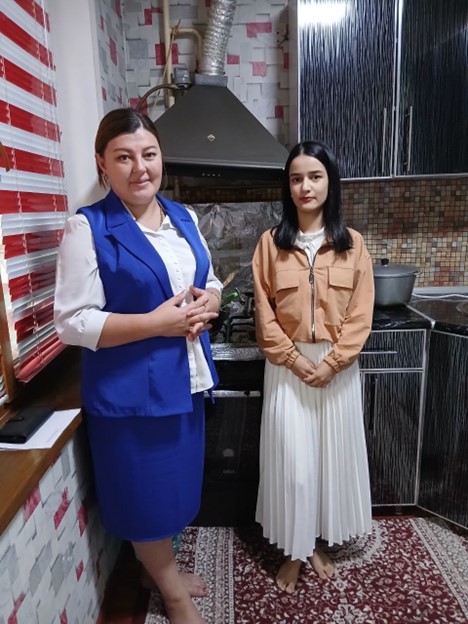
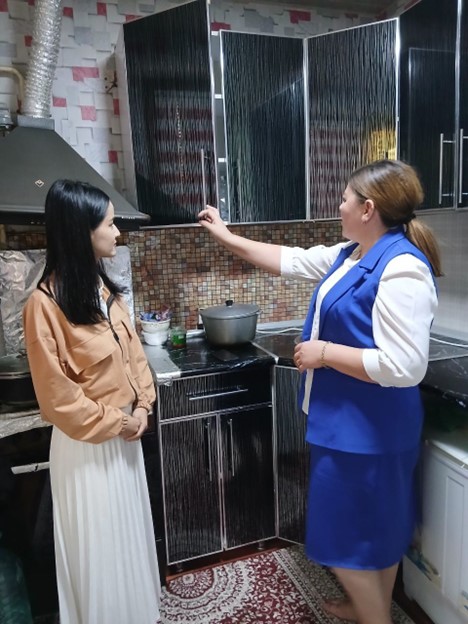
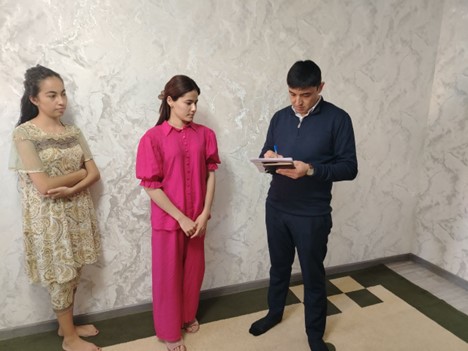
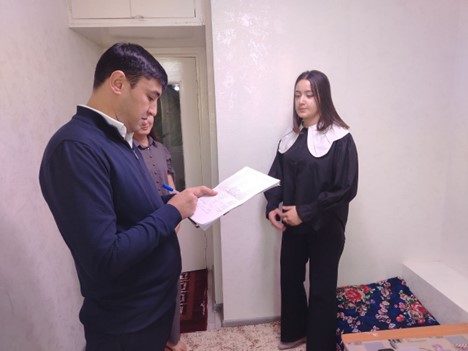
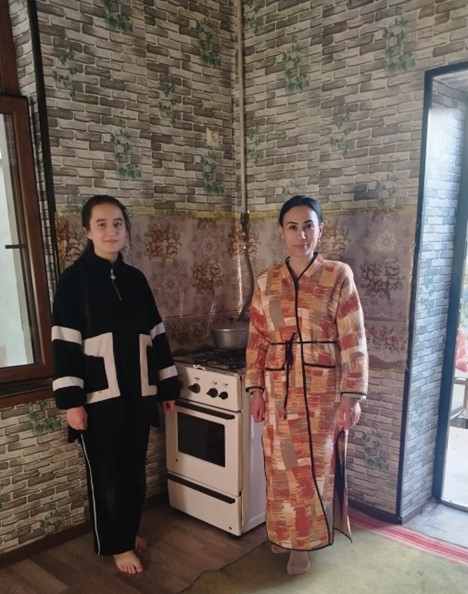
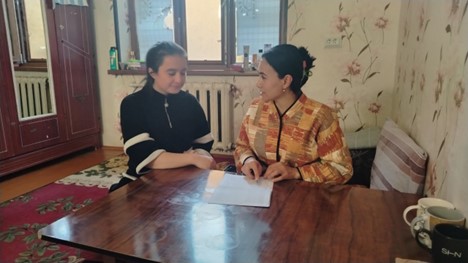
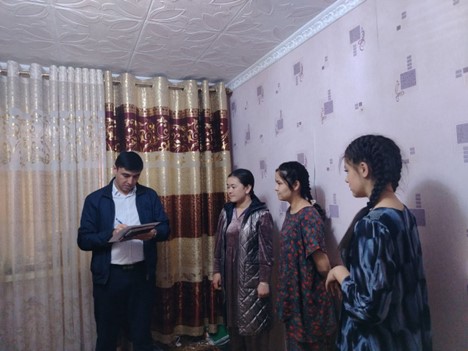
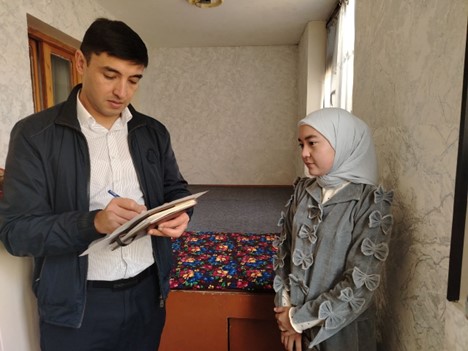
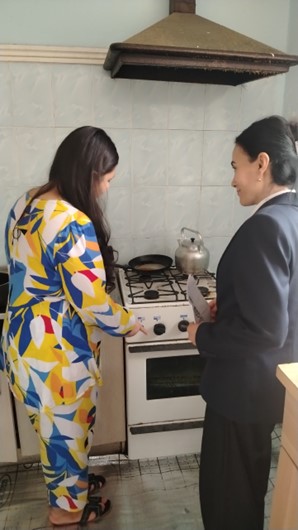
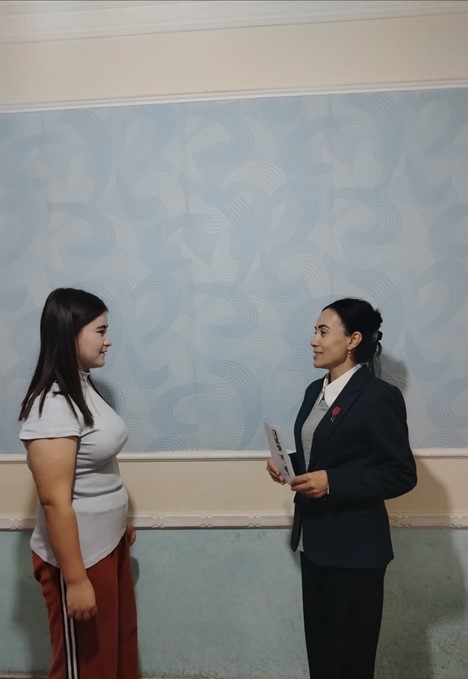
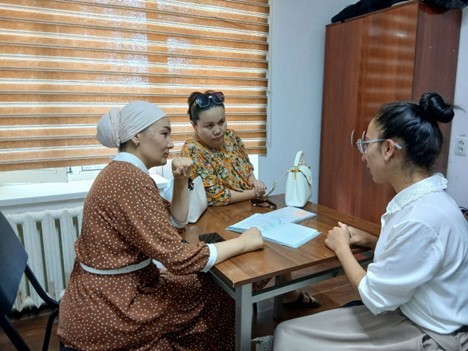
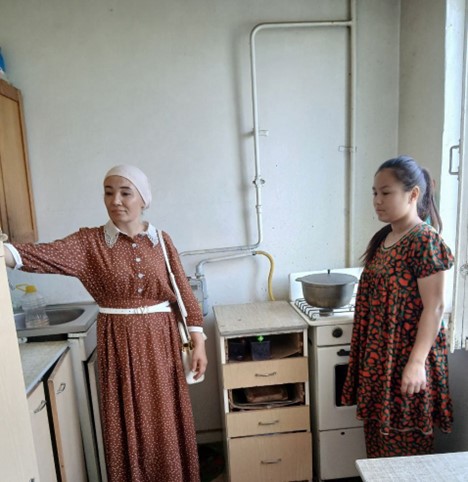
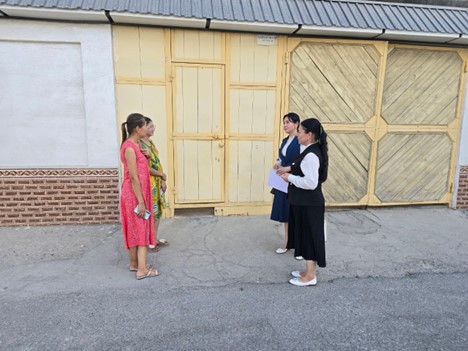
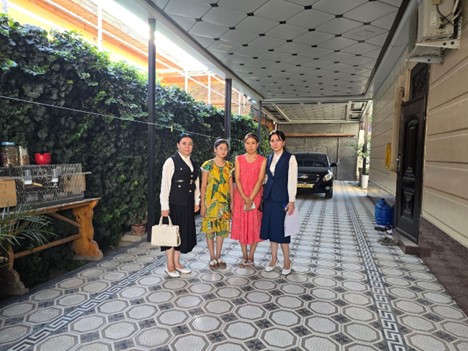
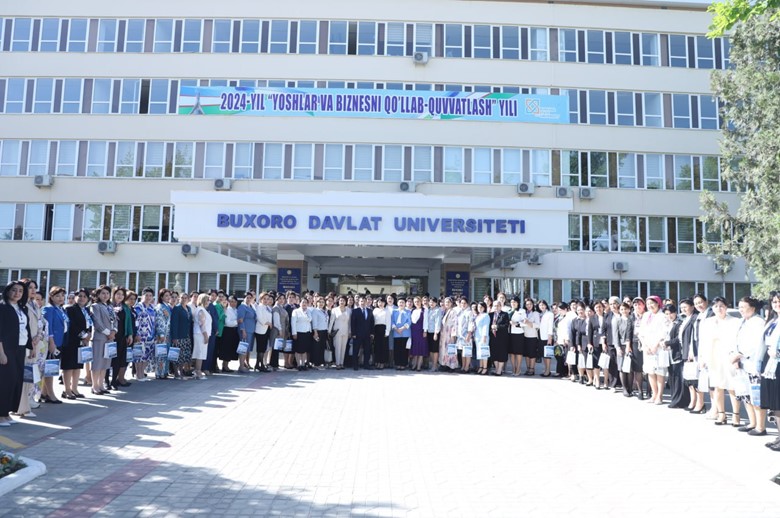
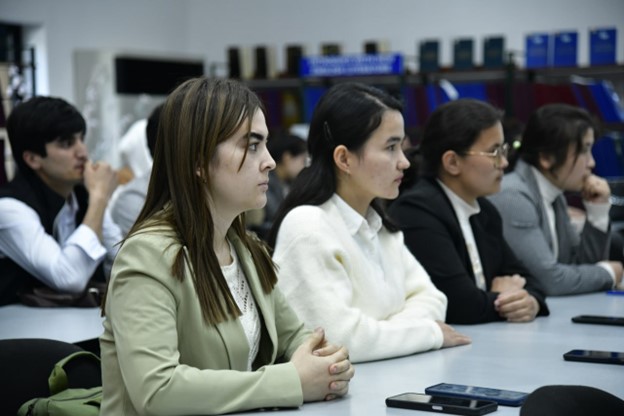
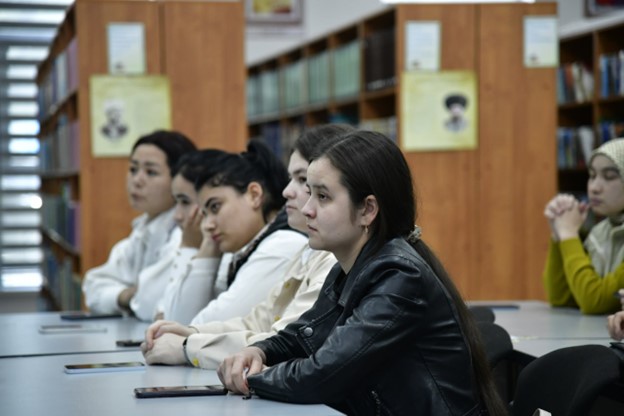
It is important to stress the various mentoring programs that the institution provides to all of its students, as well as the fact that it maintains a dedicated community for female students where they have complete access to all university facilities. Moreover, from 2021 “Teacher-student” scheme has been implemented in order to further improve the education of students studying at institute. Our assigned female professors conduct individual work and group discussions with each student and closely study their living conditions and problems.
1. “We Stand Against Pressure and Violence” discussion event
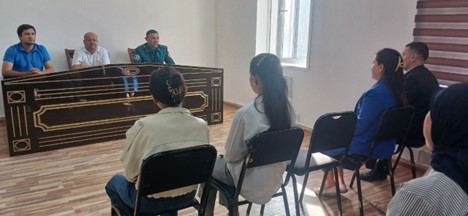
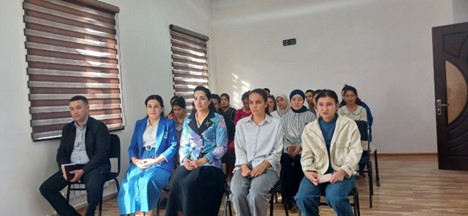
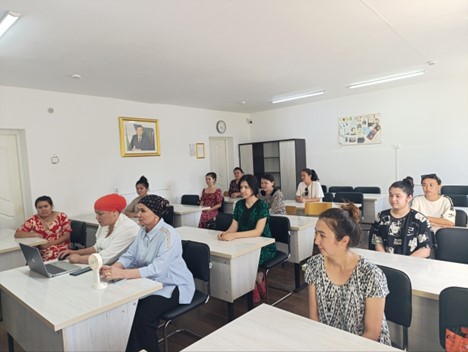
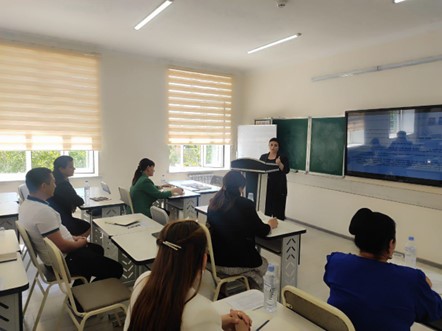
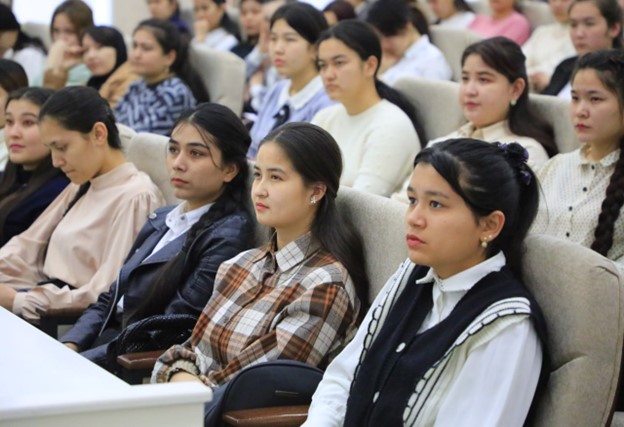
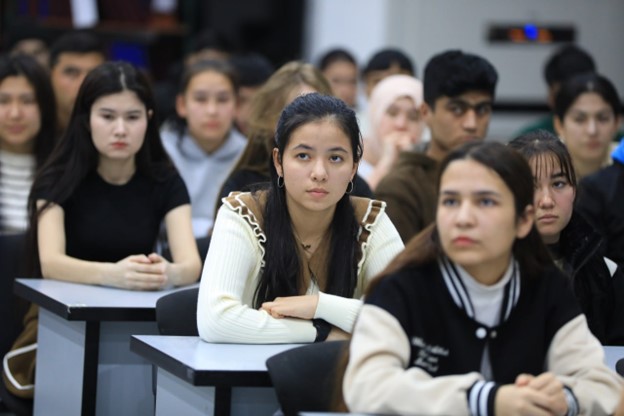
As part of its ongoing efforts to promote gender equality and protect women’s rights, Navoi State University organized a discussion event titled “Biz tazyiq va zo‘ravonlikka qarshimiz” (“We Stand Against Pressure and Violence”) at the university’s Student Dormitory No. 3. The session was conducted by the University Council of Women’s Affairs and university psychologists, led by N. Tursunova, the Rector’s Adviser on Women’s Issues. During the meeting, participants discussed the importance of safeguarding women’s rights, preventing discrimination, and ensuring effective protection against psychological and physical violence. The conversation also emphasized the shared responsibility of students and staff in raising awareness and building a culture of mutual respect and non-violence, particularly among young people. Such initiatives reflect the university’s proactive approach to creating a safe and inclusive educational environment, fully aligned with the goals of SDG 5: Gender Equality, by addressing the social dimensions of empowerment and protection for women.
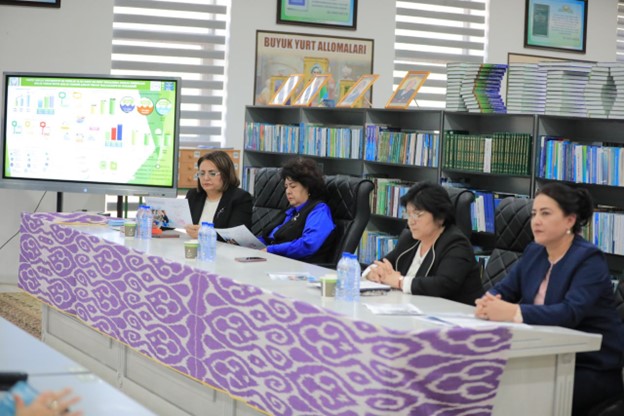
2. A roundtable discussion titled “Ilmga baxshida umr” (“A Life Devoted to Science”)
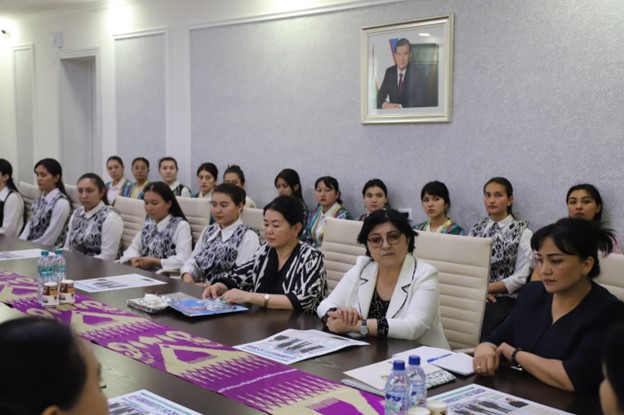
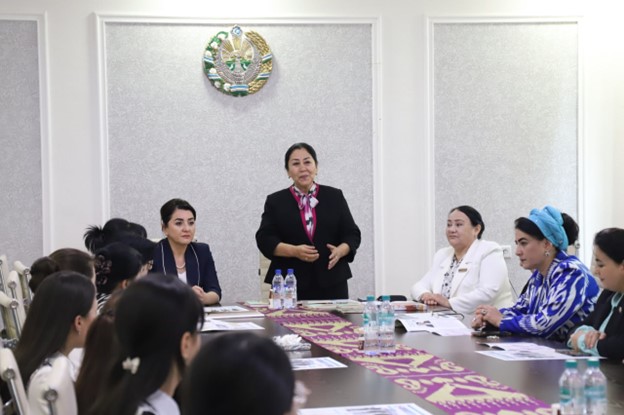
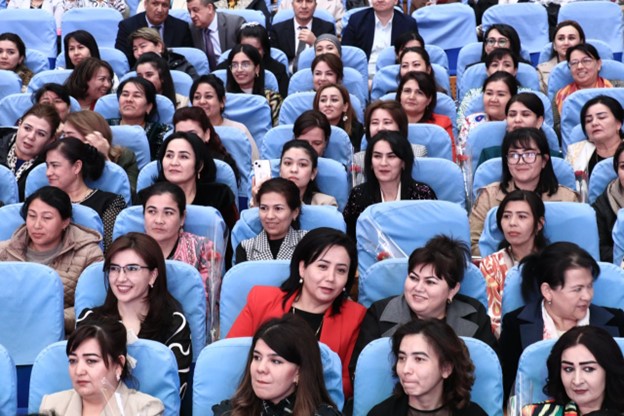
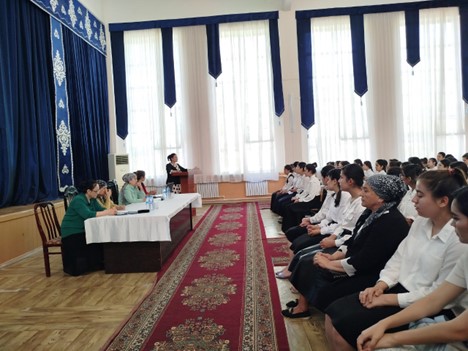
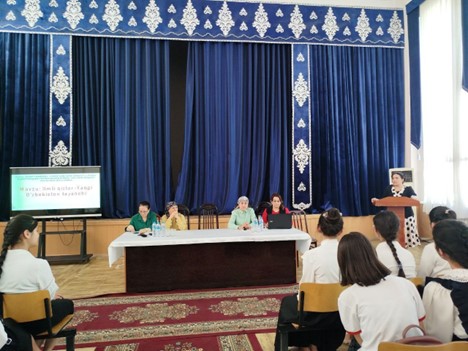
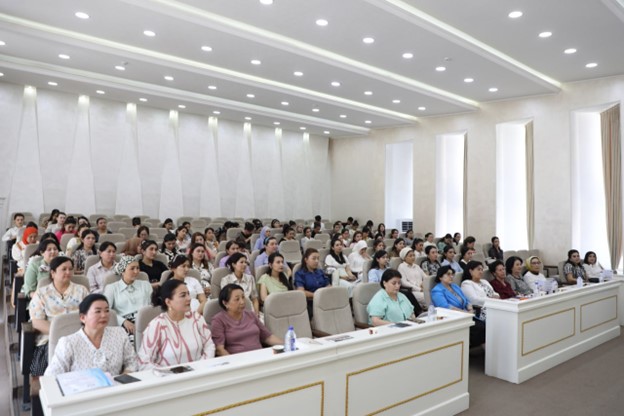
To further strengthen women’s participation in science and promote the role of educated women in social development, Navoi State University organized a roundtable discussion titled “Ilmga baxshida umr” (“A Life Devoted to Science”) under the motto “Farovon oila sari” (“Towards a Prosperous Family”). The event was initiated by the Women’s Advisory Council and the Department of Master’s Studies, bringing together female scholars, professors, graduate students, and community leaders.
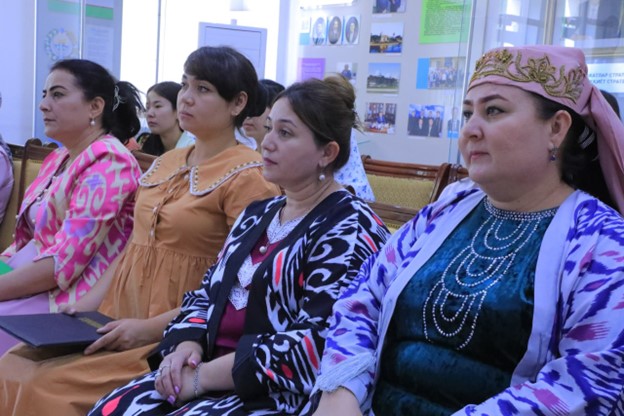
The meeting featured Malika Mamadiyorova, Deputy Governor of Navoi Region and Head of the Regional Department for Family and Women’s Affairs, who addressed the participants and emphasized the importance of education, honest work, and respect in building strong and prosperous families. Discussions focused on the significance of knowledge in family life, mutual respect, tolerance, and social responsibility as core values of a balanced and inclusive society.
The event underscored the university’s dedication to promoting women’s empowerment through education, recognizing their intellectual contributions, and supporting their active involvement in both academic and community life. This initiative aligns closely with SDG 5: Gender Equality, reflecting the institution’s commitment to ensuring equal opportunities for women in academia and beyond.
3. International Initiatives in the field of Women’s rights
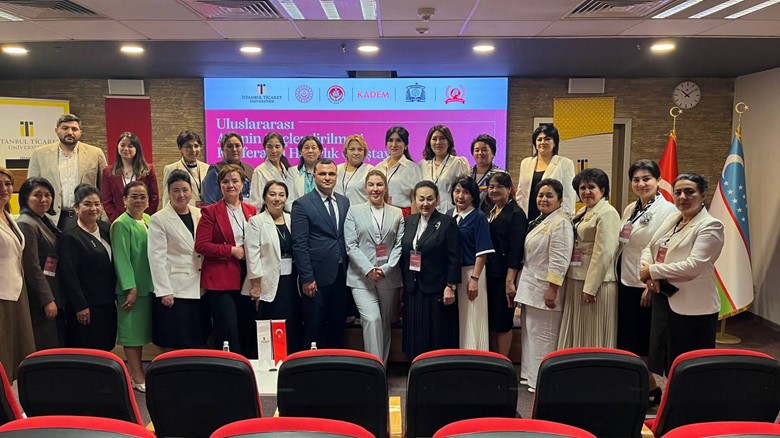
As part of its ongoing commitment to promoting women’s rights and gender equality, a representative of Navoi State University took part in an international scientific-practical conference held in Istanbul, Türkiye, on 30–31 May 2025, titled “State Policies Aimed at Strengthening the Family in Türkiye and Uzbekistan.”
The conference was organized by the Society for the Protection of Uzbek Women’s Rights and brought together female representatives from about 25 higher education institutions of Uzbekistan. From Navoi State University, Nasiba Tursunova, Chair of the Women’s Advisory Council and Rector’s Advisor on Women’s Issues, actively participated with a presentation related to the theme of the event.
Her participation contributed to discussions on enhancing family stability, promoting women’s social protection, and strengthening cooperation between educational institutions of Uzbekistan and Türkiye in the field of gender equality and family policy.
This initiative demonstrates Navoi State University’s support for international collaboration and its efforts to empower women through education, policy dialogue, and knowledge exchange.
4. Empowering Young Women in Environmental Leadership: Launch of Uzbekistan’s Eco-Volunteer Student Movement
A new national initiative — the Uzbekistan Eco-Volunteer Student Movement — has been launched under the Presidential Decree PQ–184 (May 15, 2025) titled “On the Approval of the Concept for Enhancing Environmental Awareness among the Population until 2030.”
This initiative aims to strengthen environmental culture and promote active participation of young people, especially women, in ecological and climate-related actions.
Key Goals by 2030:
To improve environmental education and awareness among 4.2 million general education students;
To enhance environmental culture among 400,000 vocational education students;
To integrate environmental values and sustainable lifestyle principles into the national education system.
Women’s Role in the Eco-Volunteer Movement:
From the 2025–2026 academic year, university students across Uzbekistan — particularly female students and young researchers — will take a leading role in the newly established “Uzbekistan Eco-Volunteer Student Movement.”
This movement aims to empower women in higher education by involving them in environmental protection, community outreach, and scientific initiatives that address climate change and sustainability.
Special attention will be given to:
Encouraging women’s participation in green innovation projects and startup initiatives;
Increasing the representation of women in environmental research and policy-making;
Promoting gender equality through ecological education and volunteer activities.
New Recognition Programs:
Annual competitions will recognize outstanding young leaders through nominations such as:
“Eco Knowledge Ambassador,” “Promoter of Environmental Culture,” “Most Active Eco-Volunteer,” and “Environmental Defender of the Year.”
In addition, every year on June 5 – World Environment Day, an International Scientific and Practical Forum will be held for students to discuss urgent environmental challenges and share innovative solutions.
Academic Opportunities for Women:
The Decree also provides additional doctoral research quotas for women in ecology, and the number of postgraduate research placements in this field will increase by 30 percent.
These measures reflect Uzbekistan’s growing commitment to gender equality, sustainable development, and women’s leadership in science and environmental protection.
5. National Seminar on Women’s Rights and Safety Held in Khorezm
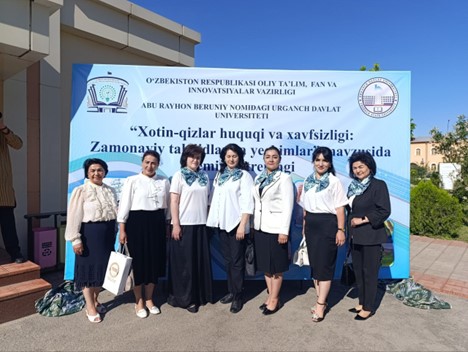
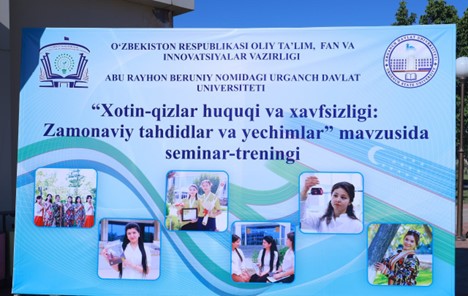
A Republican seminar titled “Women’s Rights and Safety: Modern Challenges and Solutions” is currently being held at Urgench State University named after Abu Rayhon Beruni.
The event brings together gender equality advocates, university leaders, and women’s rights specialists from across Uzbekistan to discuss pressing issues related to women’s empowerment, social protection, and gender-based safety.
Representing Navoi region, Ms. Nasiba Tursunova, Adviser to the Rector on Women’s Issues at Navoi State University, and Ms. Rano Islomova, Adviser to the Rector on Women’s Issues at Navoi State University of Mining and Technologies, are actively participating in the seminar.
Their participation highlights the strong commitment of Navoi region’s higher education institutions to promoting women’s leadership, gender equality, and safe academic environments.
6. “Exemplary Family” Awards Presented in Navoi Region
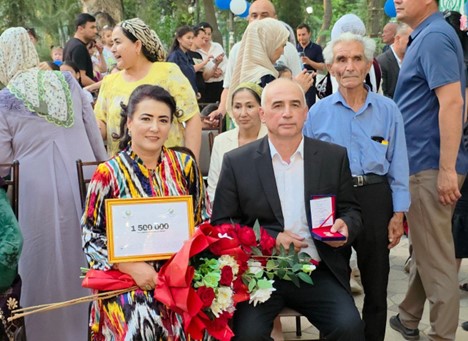
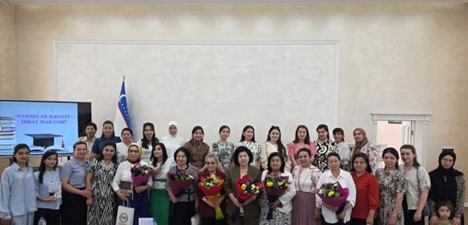
A ceremonial award event was held in the “Ilm-ma’rifat bog‘i” (Park of Knowledge and Enlightenment) in Navoi City as part of the regional stage of the “Ibratli oila” (Exemplary Family) competition.
The ceremony was attended by Malika Mamadiyarova, Deputy Governor of Navoi Region and Head of the Regional Department for Family and Women’s Affairs, who conveyed the sincere respect and best wishes of the Regional Governor Normat Tursunov to the award recipients.
The competition aimed to promote family values, highlight the role of exemplary families in nurturing a healthy and well-rounded generation, and strengthen the institution of the family in society.
During the event, Nasiba Tursunova, Adviser to the Rector on Women’s Issues at Navoi State University, and her family were honored with the “Exemplary Family” breastplate and valuable commemorative gifts in recognition of their outstanding contribution to family unity, education, and community life.
7. International Day of Families Marked at Navoi State University and Local Communities
In celebration of “International Day of Families” on May 15, Navoi State University organized a series of meetings and discussion circles both on campus and in local neighborhoods.
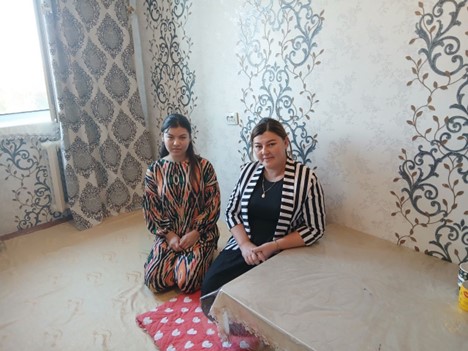
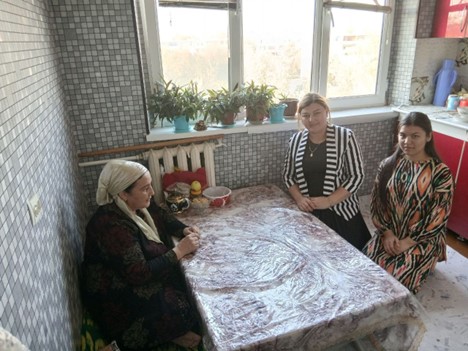
One of the key gatherings took place in the “Lochin” mahalla (community) of Navoi City, led by Nasiba Tursunova, Chair of the Women’s Advisory Council of the University, together with students and tutors of the “Karakalpak Language and Literature” program.
The discussion emphasized that the family is one of the most important and sacred pillars in human life, serving as a foundation for stability, security, and the future of every nation. Participants discussed the vital role of strong and prosperous families in building a sustainable society.
Elderly women from the community shared valuable life experiences and heartfelt advice, highlighting the cultural and moral lessons passed down through generations.
In addition, a spiritual-educational event was held at the university aimed at strengthening traditional values, national customs, and family culture among youth. The program inspired students to reflect on the meaning of a harmonious family and its role in achieving social and gender balance.
These activities reflect Navoi State University’s continuous efforts to promote gender equality, family well-being, and community engagement, in line with the goals of SDG 5: Gender Equality and SDG 16: Peace, Justice, and Strong Institutions.
8. University Community Explores Bukhara: Promoting Wellness, Inclusion, and Women’s Participation
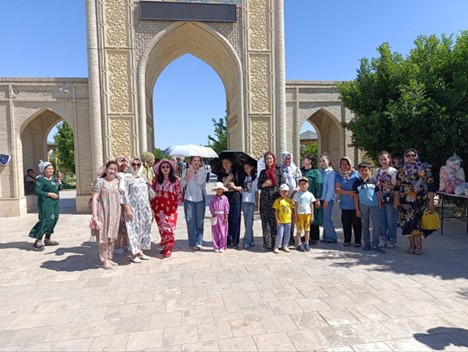
On May 11, the Trade Union of Navoi State University organized a cultural and educational trip across Bukhara Region for female professors, staff members, and students.
The initiative aimed to promote a healthy lifestyle, strengthen social cohesion among university employees, and support the development of domestic tourism.
During the visit, participants explored the country’s rich cultural heritage, including the “Seven Saints” architectural sites such as the mausoleums of Abdukhaliq Gijduvaniy, Sayyid Amir Kulol, and Bahouddin Naqshband, as well as the historic Ark Fortress complex.
In line with the national program declaring one weekend each month as a “Family and Community Travel Day,” such initiatives actively support the inclusion of women and youth in cultural and educational tourism.
9. Roundtable Discussion on Women’s Empowerment Held at Navoi State University
On April 11, Navoi State University hosted a roundtable discussion titled “Women’s Enlightenment — Society’s Prosperity.”
The event was attended by Malika Mamadiyarova, Deputy Governor of Navoi Region; Munavvar Usmonova, Editor-in-Chief of Saodat magazine and Honored Cultural Worker of Uzbekistan; and Oygul Mamarayimova, member of the Writers’ Union of Uzbekistan and Labor Veteran.
The discussion focused on the protection of women’s rights and legal interests, the enhancement of women’s roles in society, and the social support of women in need. Participants also emphasized the national reforms being carried out to ensure gender equality and strengthen the status of women in all areas of public life.
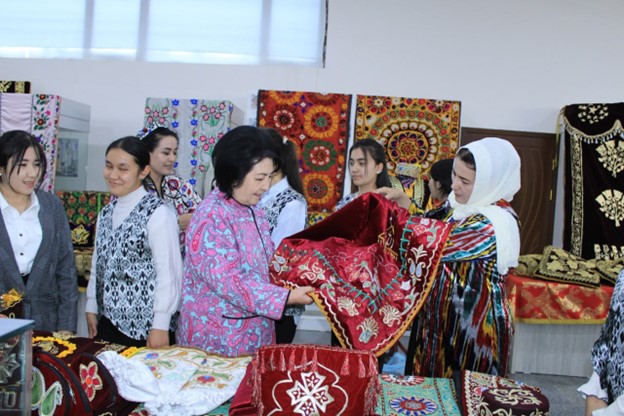
10. Exhibition “Zoroastrianism — An Eternal Art Form” Held at the Navoi Regional Museum of History and Culture for Female Students
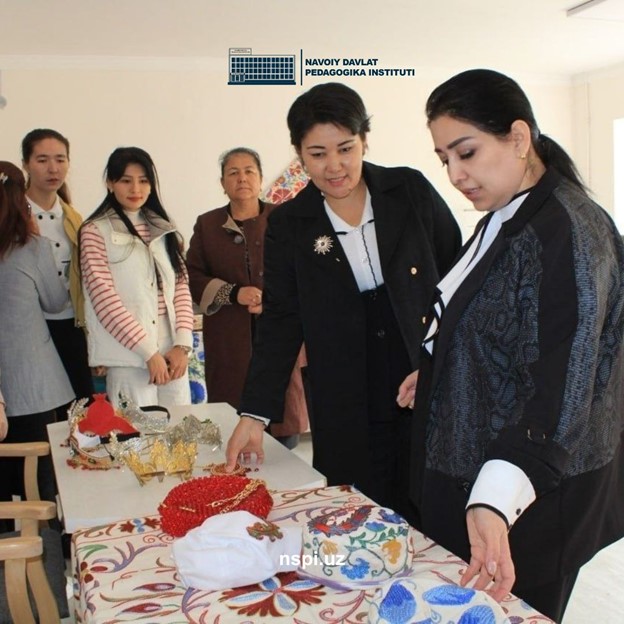
An exhibition titled “Zoroastrianism — An Eternal Art Form” was organized at the Navoi Regional Museum of History and Culture by the female students of the Faculty of Exact Sciences at Navoi State University.
The exhibition featured traditional Uzbek national costumes promoting the country’s rich customs and cultural heritage.
During the event, Nasiba Tursunova, Advisor to the Rector on Women’s Issues, delivered an insightful speech highlighting the importance of preserving each nation’s language, customs, traditions, history, and cultural values.
This initiative not only showcased the creative potential of young women but also promoted their active participation in cultural preservation and national identity building, aligning with the principles of gender equality and empowerment through education and art.
11.“Where There Is a Woman, the World Shines Brighter” — Celebrating International Women’s Day at Navoi State University
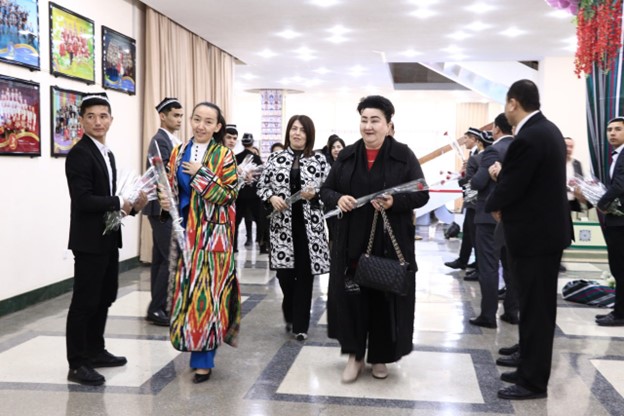
On the occasion of March 8 — International Women’s Day, a festive event titled “Where There Is a Woman, the World Shines Brighter” was held at the “Farhod” Palace of Culture in Navoi for the women of Navoi State University.
The event took place in a warm and joyful atmosphere, serving as a vivid expression of deep respect and appreciation for women’s contributions to education, science, and society.
The ceremony was officially opened by Professor Mukhiddin Kalonov, Doctor of Economics and Rector of Navoi State University, who sincerely congratulated all female staff and students. In his speech, the Rector expressed gratitude for their dedication to education and research, emphasizing the importance of women’s role in advancing science, nurturing youth, and strengthening their position in society.
12. “An Educated Woman is the Reflection of Society” — Seminar for Women at Navoi State University
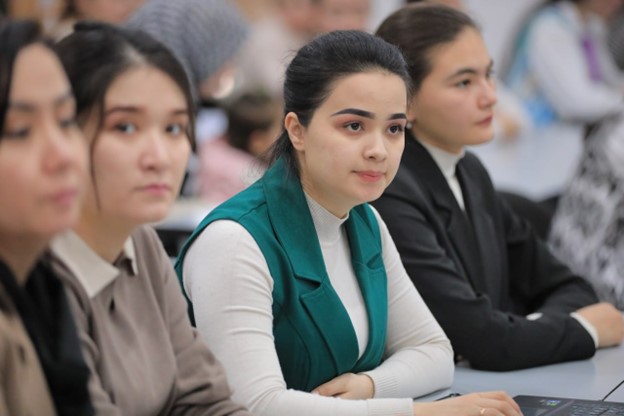
At Navoi State University, an applied seminar titled “An Educated Woman is the Reflection of Society” was organized for female professors, doctoral students, undergraduates, and students. The event aimed to promote women’s leadership, scientific potential, and social engagement in higher education.
Speakers highlighted the growing opportunities for women’s education and entrepreneurship in Uzbekistan, particularly following the new initiatives introduced under the Presidential decree to support youth and women through Aloqabank’s transformation into the “Youth Bank.”
13. Female Students Compete in Traditional Sports under the “Tomaris’ Successors” Contest
In accordance with the Presidential Decree of the Republic of Uzbekistan dated May 25, 2022 (PQ-259), Navoi State University organized a series of activities aimed at fostering the physical and intellectual development of youth, promoting national sports and traditional games, and ensuring meaningful student engagement during their leisure time.
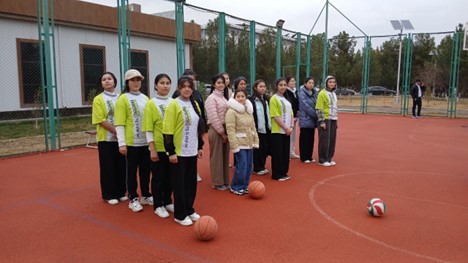
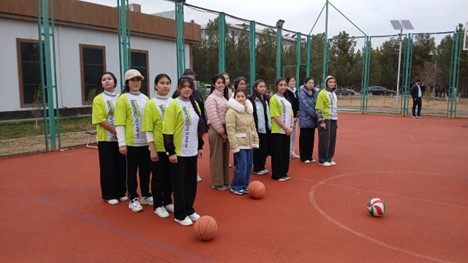
As part of these initiatives, the Women’s Advisory Council at Navoi State University held the “Tomaris’ Successors” national traditional sports competition among female students. The event encouraged young women to participate in dynamic, team-oriented games that promote team spirit, leadership, and cultural heritage.
14. Recognition for Women’s Empowerment in Academia
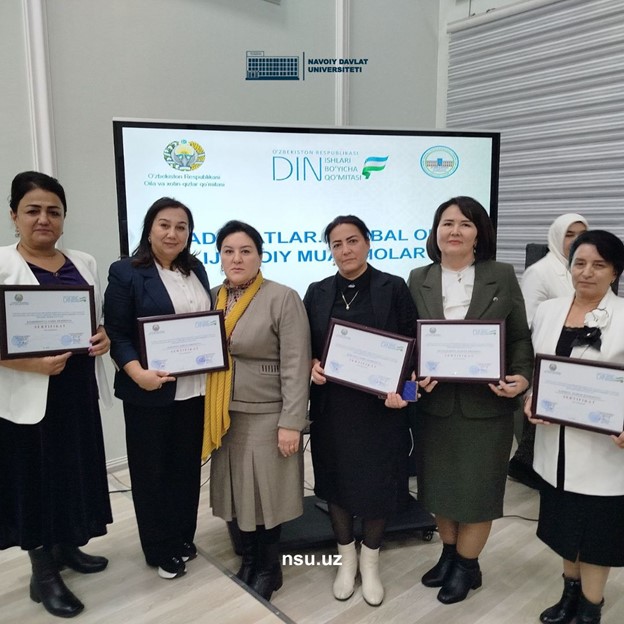
At the scientific-practical seminar titled “Values. Global World. Social Issues,” the University Adviser on Women’s Affairs was awarded a certificate of recognition for her active participation and contribution to advancing discussions on women’s rights, values, and social empowerment.
15. University Achievements Highlighted on Regional Television
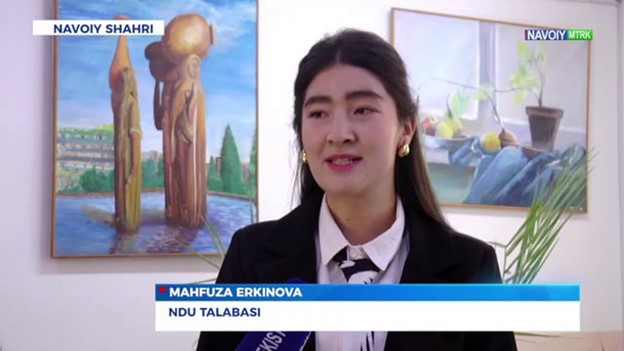
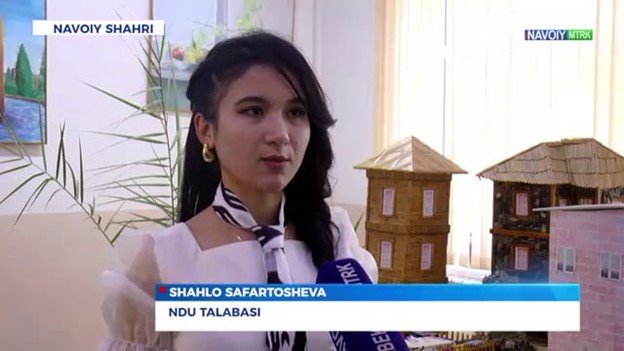
The Navoi Regional Television channel broadcast a special program titled “Najot Bilimda” (Salvation Lies in Knowledge), featuring the activities of Navoi State University aimed at enhancing youth engagement in culture, arts, physical education, and sports, as well as promoting digital literacy and reading culture among students.
The program also showcased the university’s efforts to support women’s employment and entrepreneurship, and to strengthen dialogue between students and leadership through the “Leaders and Youth” forum. Professors and students shared their views on the importance of creating inclusive academic and social opportunities for all, particularly women and girls.
16. Supporting Female Entrepreneurship and Skills Development
As part of ongoing gender equality initiatives, 16 female students have been selected to receive free training at the Women’s Entrepreneurship Center of Navoi State University. This program provides practical business education, startup mentorship, and project management training designed to help young women develop their own enterprises and contribute to the region’s economic growth.
17. Highlights of Gender Equality and Empowerment Initiatives at Navoi State University (7–13 October 2024)
Throughout the week, the University held a range of activities promoting women’s leadership, innovation, and participation across academic and social life:
Leadership Forum for Female Students: A motivating dialogue was organized with leading female students, encouraging them to develop confidence, leadership, and active citizenship.
“InnoWomenWeek” Innovation Week: Female inventors, researchers, and entrepreneurs showcased their innovative projects, emphasizing women’s growing role in science, education, and technology.
Participation in the National “Innovative Women’s Week”: Female faculty members and researchers took part in a nationwide platform promoting women’s entrepreneurship and creativity.
International Day of the Girl (October 11): A series of discussions and awareness sessions focused on education, digital literacy, and equal opportunities for girls.
Sports and Healthy Lifestyle: Within the framework of the “Five Initiatives Olympiad,” female students competed in table tennis and streetball, fostering teamwork, physical well-being, and empowerment through sport.
“Sharing Knowledge” Outreach Project: Female professors and students visited local schools to promote reading culture and education for girls, inspiring the next generation of learners.
Educational Excellence: University professors conducted master classes in specialized schools, motivating young girls to pursue academic success and careers in STEM fields.
These ongoing efforts — along with community outreach, cultural events, and youth engagement programs — reflect Navoi State University’s dedication to empowering women and girls in all areas of academic, social, and professional life.
18. Navoi State University Promotes Women’s Empowerment through Education, Sports, and Culture
Navoi State University continues to strengthen its commitment to gender equality and women’s empowerment, organizing a wide range of educational, cultural, and sporting events aimed at developing the leadership potential, creativity, and professional competence of female students and staff.
The Women’s Volleyball Tournament for the Rector’s Cup marked the beginning of a new season of inclusive sports activities, encouraging women to lead active, healthy lifestyles and build teamwork and confidence through athletic participation.
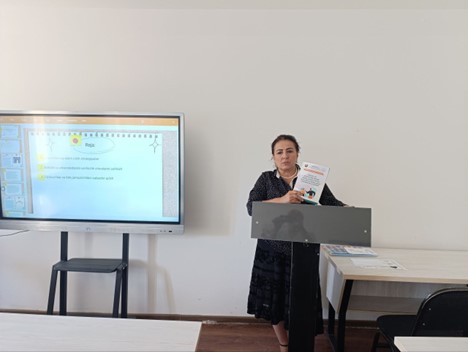
In collaboration with the Agency for the Development of Public Service, the University also hosted the third stage of short-term professional development courses for district and city specialists working in women’s and family affairs. As part of the training, university psychologist and member of the regional “Wise Women Movement” Ms. Dilfuza Abduraimova conducted lectures and workshops on the topic “Working with Women Affected by Pressure and Violence.” The program emphasized the importance of social protection, mental well-being, and gender-sensitive approaches in community service.
Meanwhile, at the University’s Academic Lyceum, a roundtable discussion on “Educated Girls — the Pillar of New Uzbekistan” brought together students, faculty, and mentors. The session, opened by the University Advisor on Women’s Affairs Ms. G. Tangotarova, featured presentations by Ms. N. Tursunova, who highlighted that “knowledgeable and educated girls form the strong foundation of our country’s future.” Faculty advisors Z. Akhmedova and G. Sultonova also shared reflections on women’s roles in social progress. The event concluded with a friendly chess match between lyceum students and university female students, promoting strategic thinking and intellectual engagement among young women.
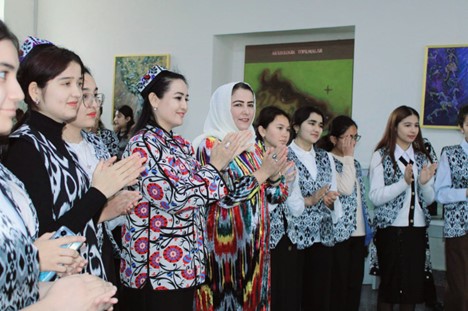
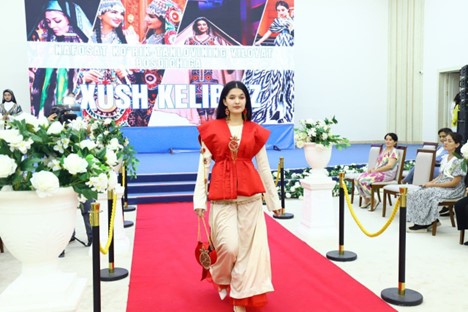
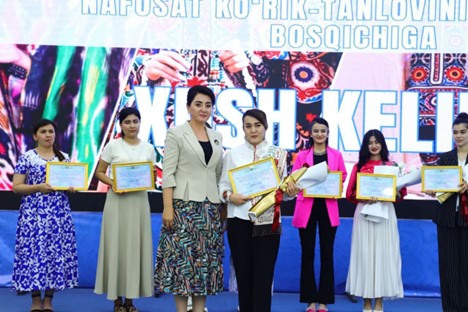
The “Nafosat” Regional Beauty and Creativity Contest showcased the talent of the University’s young female designers from the Faculty of Art Studies. Under the supervision of Vice Governor Ms. Malika Mamadiyarova and the University’s Women’s Council Chair Ms. N. Tursunova, participants presented their creative national-style outfits inspired by Uzbekistan’s cultural heritage. The contest concluded with Ms. Tursuntosh Ne’matova winning first place and advancing to the Republican stage, while other students — Sabina Ziyodullayeva, Sadinabonu Mavlonova, Shahinabonu Arslonova, Marjonoy Ergashova, and Ozoda Sayfiyeva — earned top rankings for their originality and artistry.
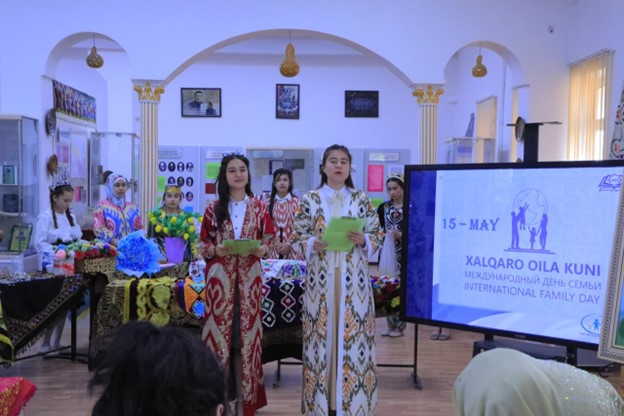
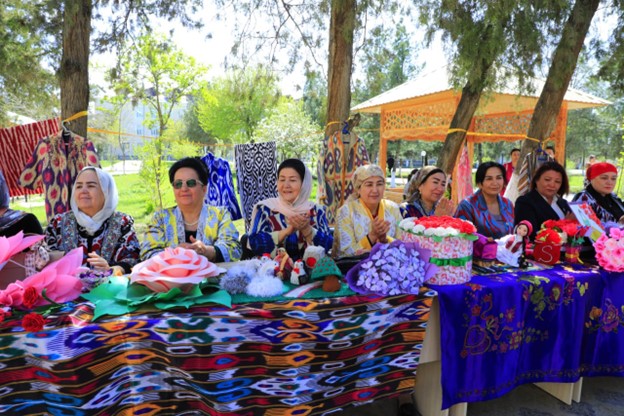
In honor of International Family Day (May 15), the Faculty of History, together with the Museum of Victims of Political Repression, organized an educational event titled “Strong Families — the Foundation of a Peaceful Society.” Female students exhibited handcrafted art pieces, performed traditional dances and poems, and participated in discussions on the importance of family values and the legal foundations of family stability. The event also featured cultural insights from Ms. N. O‘roqova, a leading specialist at the Navoi Regional Museum of History and Culture, who discussed the traditional kelin salom and lachak ceremonies as symbols of respect and unity in Uzbek culture.
Through these initiatives, Navoi State University continues to implement SDG 5 (Gender Equality) by:
Supporting women’s education, leadership, and creativity;
Promoting gender-sensitive training and awareness on violence prevention;
Encouraging female participation in sports and innovation;
Preserving cultural identity through artistic expression;
Strengthening families as a core institution of social harmony.
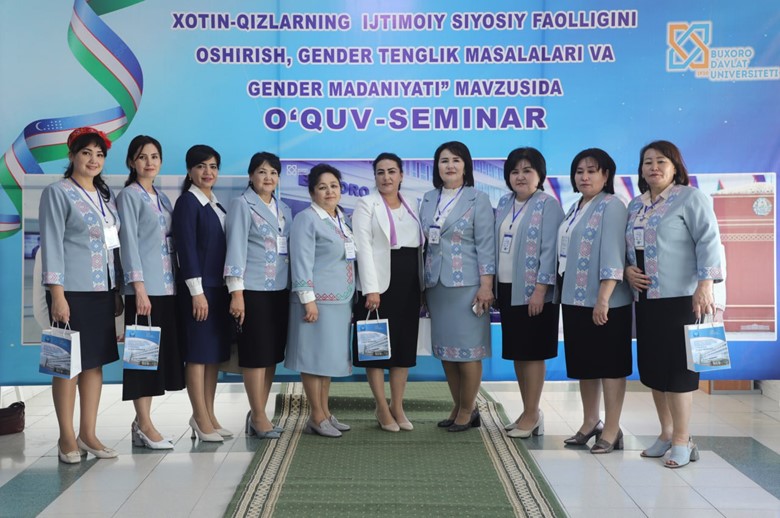
18. In April 2025, representatives from NSU participated in a Republican Educational Seminar on “Enhancing Women’s Socio-Political Activity, Gender Equality, and Gender Culture”, hosted by Bukhara State University. The seminar brought together Gender Equality and Women’s Advisory Council Chairs from higher education institutions across Uzbekistan. From NSU, Ms. Nasiba Tursunova, Chair of the University Women’s Advisory Council, and Ms. Hilola Rahmatova, Deputy Dean of the Faculty of Medicine, took active part in the sessions, contributing to national discussions on advancing women’s roles in academia and institutional governance.
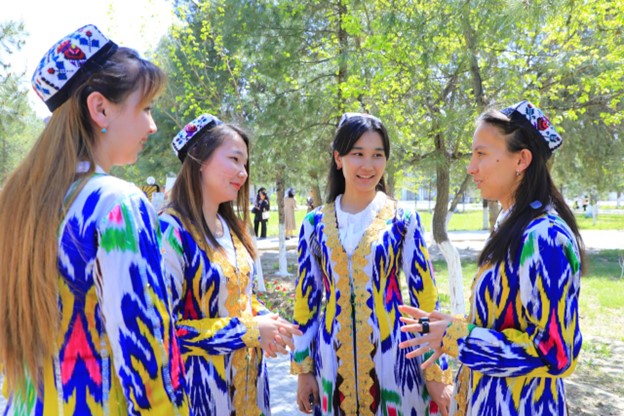
Following this, the University organized the “Khan Atlas” Festival, held from April 8 to 14, 2025, as part of the nationwide “Khan Atlas Week”. The event celebrated Uzbekistan’s national identity and women’s creative achievements, showcasing the cultural, artistic, and intellectual contributions of female students and staff.
The festival featured fashion presentations of traditional and modern clothing designed by NSU’s female design students, art and crafts exhibitions, and performances by talented women artists. The participation of university leadership, regional women activists, media representatives, and students emphasized NSU’s commitment to recognizing women’s innovation and creativity as key drivers of cultural and social development.
Mentorship and Capacity-Building Programs for Women and Girls
Navoi State University (NSU) actively supports the professional and personal development of women and girls through mentorship programs, awareness campaigns, and capacity-building initiatives. These efforts are designed to empower female students and community members with essential knowledge, leadership skills, and career opportunities in diverse fields, including finance, entrepreneurship, and information technology.
19. Enhancing Women’s Financial Literacy
In collaboration with the Central Bank of the Republic of Uzbekistan, Navoiy Regional Branch, NSU hosted a seminar-training on “Improving Financial Literacy among the Population”.
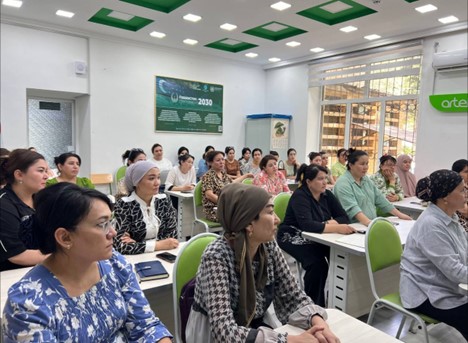
The event, organized under the national project “Aholining moliyaviy savodxonligini oshirish” (Improving Financial Awareness), engaged women, youth, and aspiring female entrepreneurs from the local community. Conducted in an interactive format, the session focused on practical financial management, savings, business planning, and access to microfinance tools.
This initiative aimed to increase women’s confidence in managing personal and business finances, fostering economic independence and gender equality in entrepreneurship.
20. Promoting Women’s Participation in the IT Sector
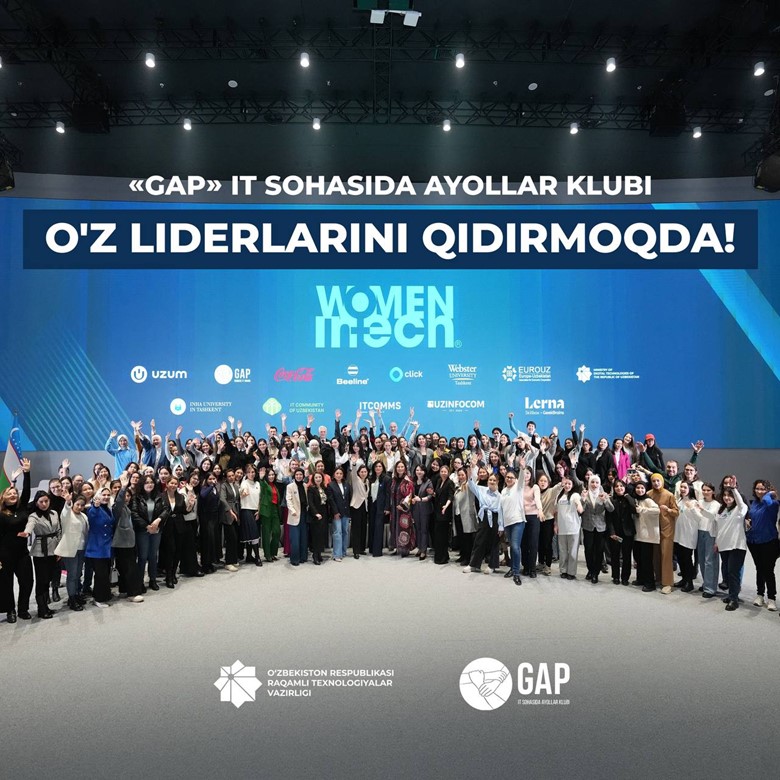
As part of Uzbekistan’s national movement to advance women in technology, NSU supported the outreach activities of the “GAP – Women in IT” Club, which seeks to expand women’s involvement in digital and technological professions.
The club organizes mentorship and leadership programs to identify and support female leaders in IT across Uzbekistan, encouraging them to participate in training sessions, networking events, and collaborative projects.
Through these programs, female students from NSU and across the Navoiy region are provided with access to career guidance, technical upskilling, and mentorship from industry professionals, enabling them to develop digital competencies and leadership potential.
21. Women’s Mentorship and Empowerment Programs at Navoi State University
Navoi State University (NSU) actively promotes women’s empowerment through mentorship, education, and leadership development. The university believes that women’s success in academia and society begins with access to knowledge, guidance, and role models who inspire confidence, competence, and social responsibility.
To this end, NSU has developed a range of mentorship-oriented programs that support the personal, professional, and academic growth of female students, scholars, and staff.
21. Intergenerational Mentorship: “Flowers of Devotion”
To commemorate International Women’s Day, the Faculty of Uzbek Language and Literature organized the event “Meeting of Three Generations: Flowers of Devotion.”
This program connected young female students with retired educators and senior mentors, such as Halima Qobilova, an 87-year-old teacher who shared her experiences and reflections on women’s resilience through history.
The initiative emphasized learning through life stories, fostering intergenerational respect and mentorship between women of different ages and backgrounds.
22. Mentorship for Moral and Psychological Development
Under the “Relevant 90 Days” initiative, the Faculty of Exact Sciences held mentorship sessions focusing on the moral, psychological, and ethical upbringing of young women.
University psychologists, professors, and tutors guided students on topics such as emotional intelligence, self-esteem, and social behavior, providing a safe and supportive space for open dialogue.
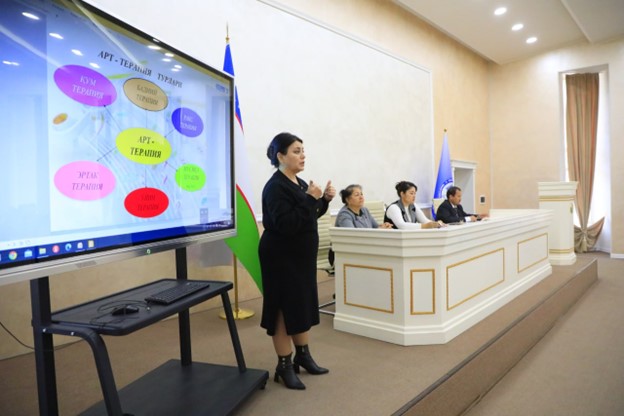
Moreover, psychologist Dilfuza Abduraimova led Art Therapy and Psychological Self-awareness workshops across multiple faculties, mentoring female students on how to cope with stress, balance academic pressures, and nurture self-understanding. These sessions served as continuous well-being mentorship platforms.
23. Health and Lifestyle Mentorship
The Faculty of Languages organized a mentorship-oriented discussion titled “Healthy Lifestyle – A Symbol of Right Living.”
Specialists guided students—particularly young women—on maintaining balance in physical and mental health, time management, nutrition, and moral integrity.
Mentors encouraged participants to view a healthy life as part of a broader commitment to self-discipline, cultural ethics, and women’s empowerment.
24. Academic and Research Mentorship: “A Life Dedicated to Science”
The Council for Women’s Affairs and Graduate Studies Department hosted a mentorship roundtable for female scholars under the theme “A Life Dedicated to Science – Towards a Prosperous Family.”
Esteemed speakers, including Malika Mamadiyorova, Deputy Governor of Navoiy Region and Head of the Family and Women’s Affairs Department, engaged with female professors, researchers, and graduate students to discuss the role of education, ethics, and scientific dedication in women’s professional and family life.
This platform enabled academic women to mentor emerging scholars, creating a supportive community for female intellectual development.
25. Community Mentorship and Family Education
To celebrate International Family Day (May 15), NSU’s Women’s Council, faculty members, and students held community mentorship dialogues in local mahallas (neighborhoods).
Senior women and educators shared life lessons on maintaining family harmony, gender respect, and cultural continuity.
Similarly, the Faculty of History and the Museum of Repression Victims co-organized a mentorship event titled “Family Stability – A Guarantee of Social Peace,” where mentors and students discussed the social role of women and legislative foundations supporting family unity.
26. Awareness and Reflective Mentorship through Media
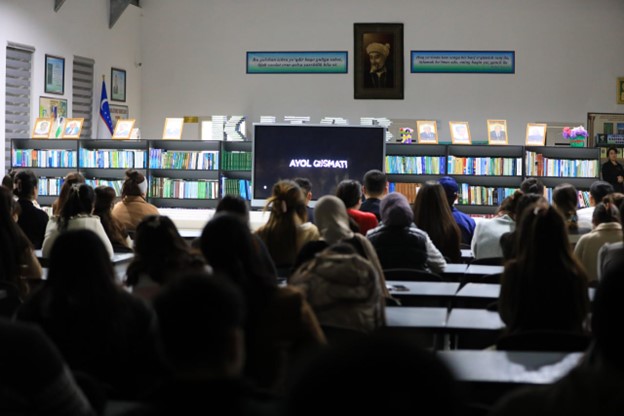
The university’s Information Resource Center hosted the screening of “Ayol Qismati” (“A Woman’s Fate”), followed by a reflective mentorship session led by the Rector and the Advisor for Youth Affairs.
Through discussion of real-life stories depicted in the film, mentors helped students connect moral reasoning with gender awareness, reinforcing values of resilience, integrity, and responsibility.
27. Professional Mentorship and Capacity Building
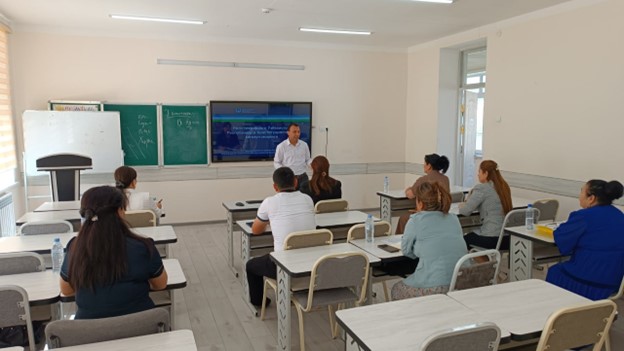
In collaboration with the Civil Service Development Agency (Navoiy Branch), the university launched a mentorship-based qualification program for local women specialists in family and gender policy.
Training sessions, led by First Vice-Rector X. Qurbonov and Women’s Council Chair N. Tursunova, provided hands-on mentorship in leadership, communication, and policy implementation.
This initiative empowered women in public service to strengthen their professional roles and networks.
Additionally, the Department of Pedagogy and Psychology provided mentorship-based training titled “Family Psychology” for employees of the Regional Security Service Department and their families, offering guidance on emotional well-being, communication, and family stability.
Through its diverse initiatives—ranging from academic mentorship and professional leadership to psychological guidance and family education—Navoi State University continues to nurture a strong mentorship culture that uplifts women at all stages of their academic and personal development.
These programs ensure that female students and staff receive continuous support, guidance, and inspiration to realize their full potential as scholars, professionals, and leaders.
By embedding mentorship in all aspects of academic and social life, NSU demonstrates its ongoing commitment to Achieve Gender Equality and Empower All Women and Girls.