At Navoiy State University, community engagement and educational outreach are key pillars of our institutional mission. The university actively collaborates with regional organizations, public institutions, and local communities to share knowledge beyond the campus. Through public lectures, seminars, professional training sessions, and awareness events, our academic staff regularly contribute to the cultural, scientific, and social development of the wider community.
These outreach programs are open to local residents, professionals, alumni, school educators, and vulnerable groups, ensuring inclusive participation and lifelong learning opportunities. Many of the activities are conducted in cooperation with government agencies, cultural institutions, and NGOs, both in-person and online.
The following examples highlight some of the educational outreach activities organized by Navoiy State University, which demonstrate the university’s strong commitment to sustainable community development, knowledge sharing, and partnerships for achieving the Sustainable Development Goals
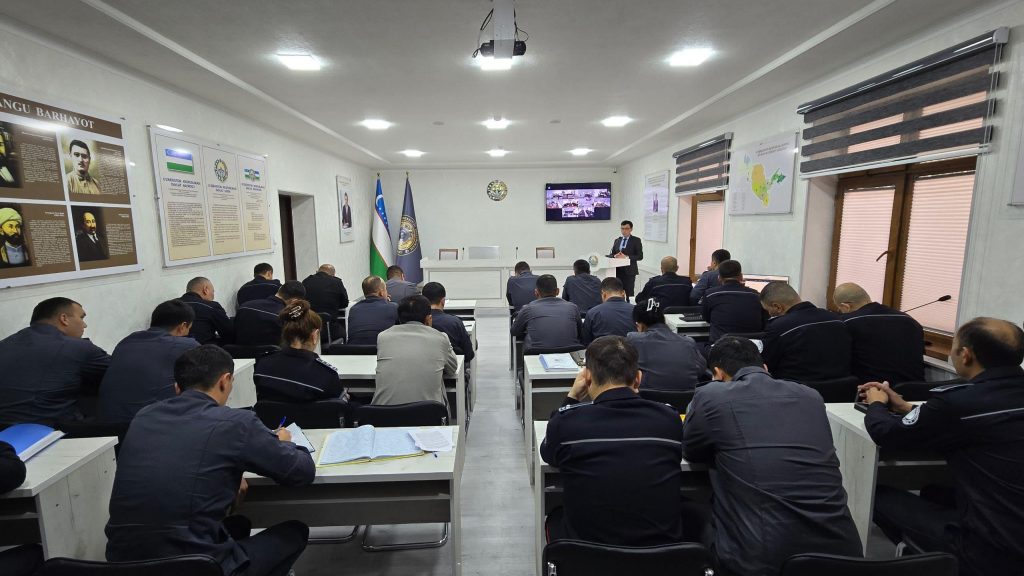
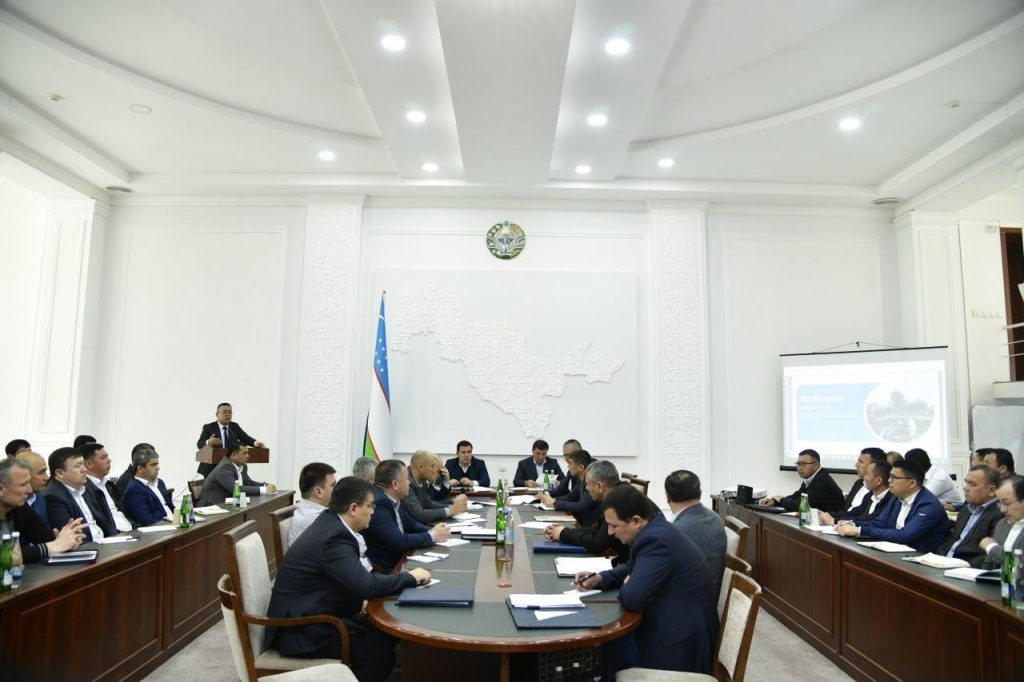
1. Public Lecture on the Legacy of Imam Al-Motrudiy for Regional Environmental Authority Staff
Organizer: Navoiy State University — Department of History
Speaker: Mirsaid Jalilov, Lecturer, Department of History
Target Community: Employees of the Navoiy Regional Environmental Protection Authority (including its district and city branches, joined online)
Activity Type: Educational and cultural outreach lecture
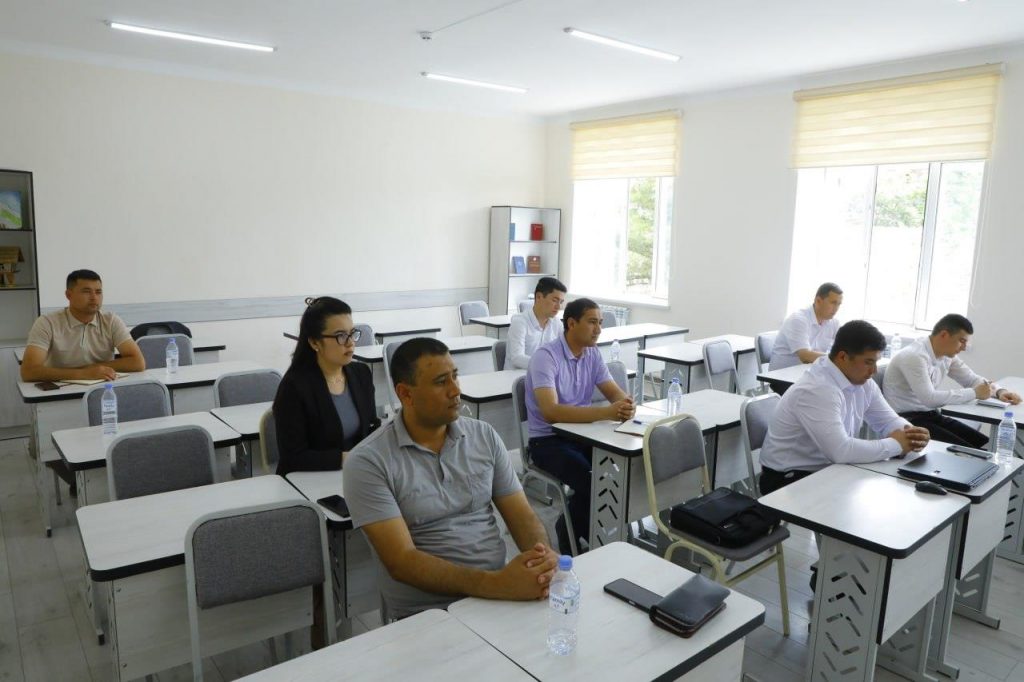
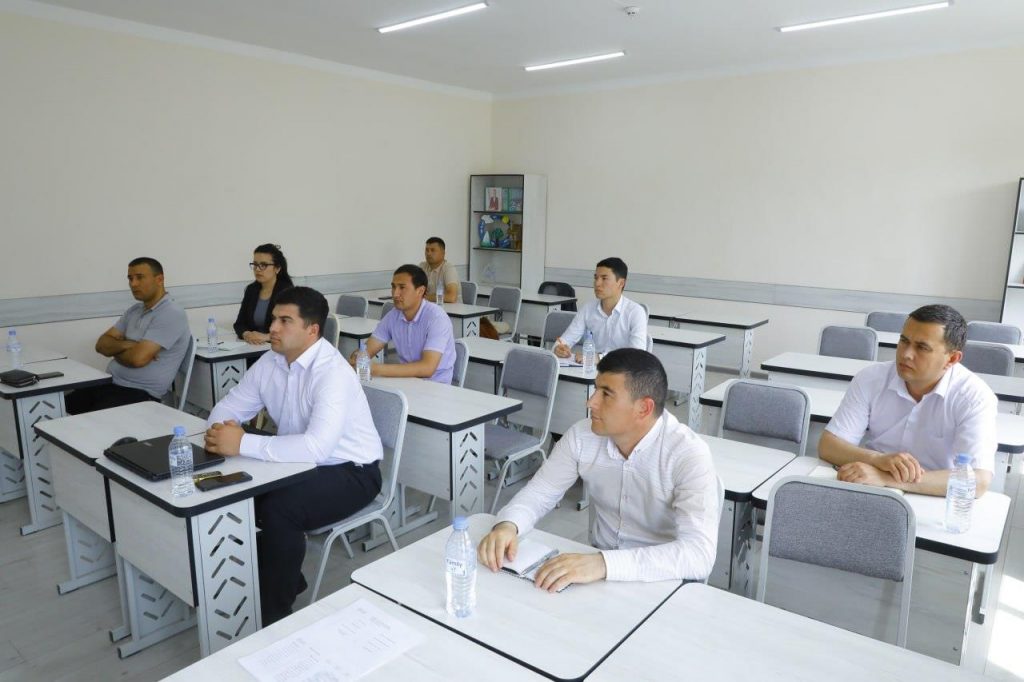
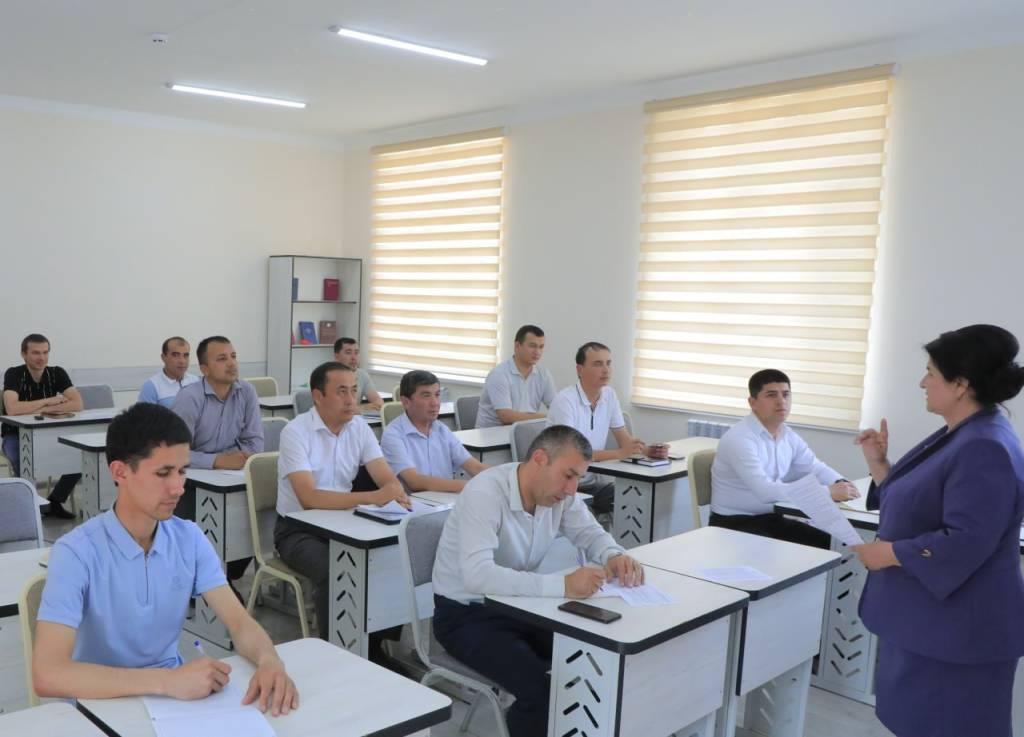
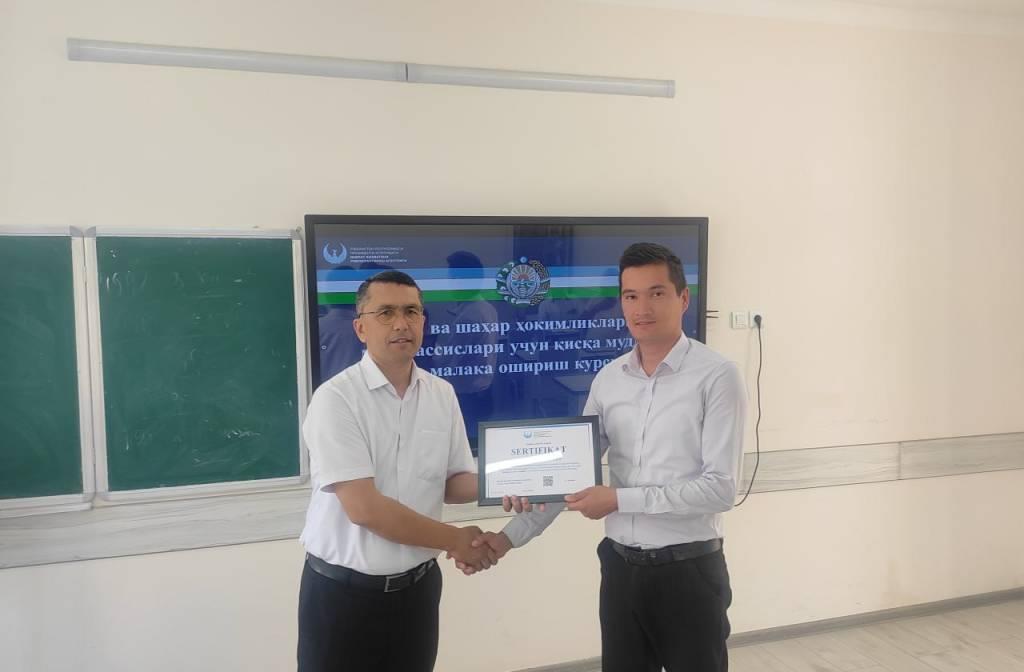
As part of Navoiy State University’s ongoing collaboration with regional institutions, the Department of History organized an outreach lecture on environmental ethics and sustainable development for the staff of the Navoiy Regional Environmental Protection Authority. The session explored the historical roots of environmental stewardship in the cultural and intellectual heritage of Central Asia, linking traditional ethical principles to modern environmental protection and sustainable resource management.
The lecture emphasized the importance of moral responsibility, community participation, and intergenerational equity in addressing contemporary ecological challenges. Participants from both urban and rural departments joined online, ensuring wide regional coverage. The program concluded with a Q&A session encouraging active discussion on practical approaches to implementing sustainability principles in their daily work.
2. Legal Awareness and Social Empowerment Seminar for Women and Youth
Date: 15 May 2025 (International Day of Families)
Organizer: Navoiy State University, in cooperation with the Navoiy Regional Department of Justice
Partner Organizations: Regional Women’s Entrepreneurship Center and the Women’s Rehabilitation and Adaptation Center of Navoiy Region
Target Community: Local women, youth, and residents of Navoiy city and nearby districts
Activity Type: Community legal education and empowerment outreach event
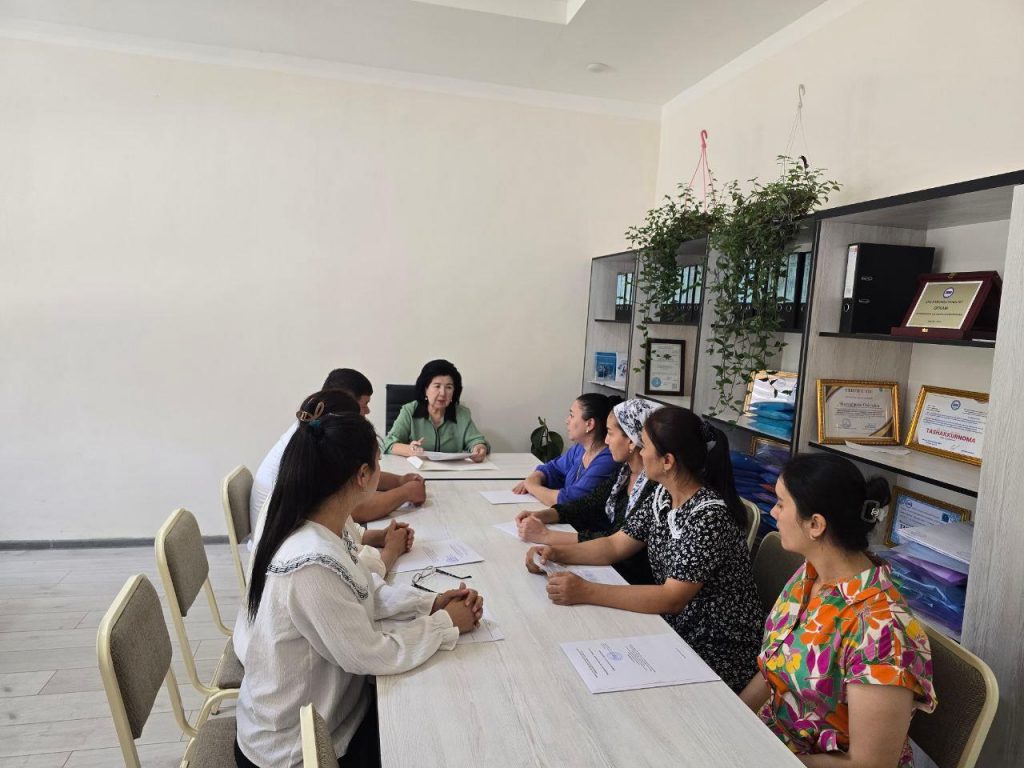
To promote social inclusion and civic engagement, Navoiy State University, in partnership with the Navoiy Regional Department of Justice, organized a legal awareness and empowerment seminar focused on strengthening the role of women and youth in community life. The event coincided with International Day of Families (15 May) and aimed to increase legal literacy and social activity among local residents.
The seminar featured expert talks and interactive discussions addressing citizens’ rights, women’s access to entrepreneurship opportunities, and legal support mechanisms for families and vulnerable groups.
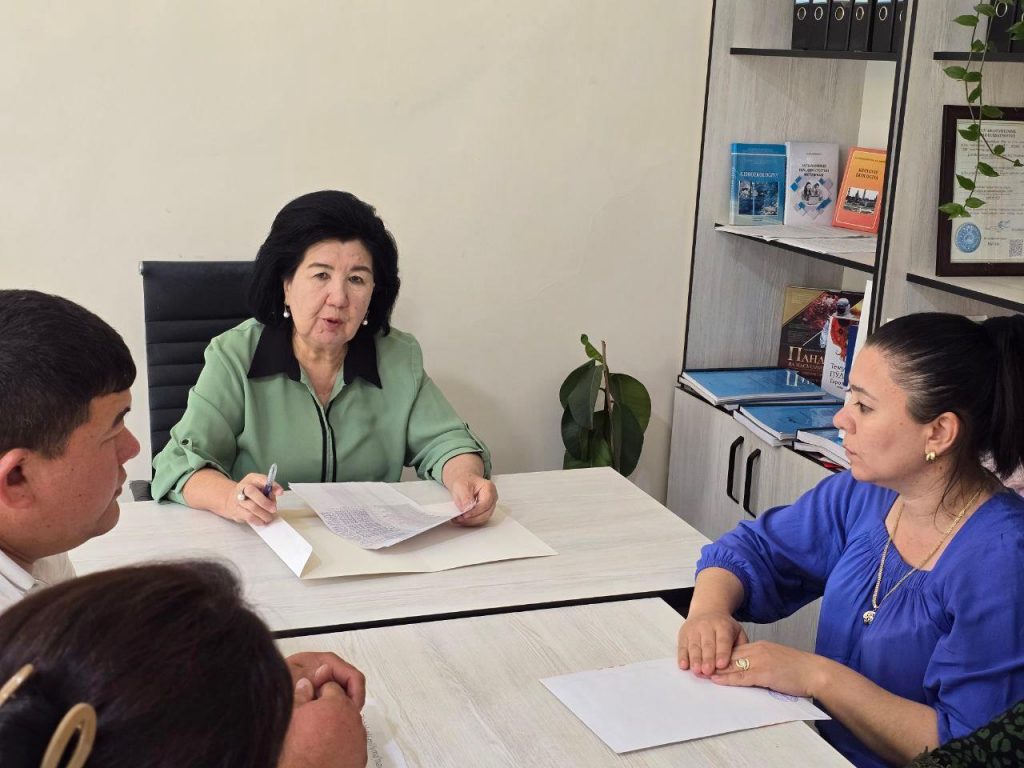
Ms. Gulsanam Norova, Lecturer at the Department of Linguistics and Head of the Regional Women’s Entrepreneurship Center, presented detailed information on state programs supporting women entrepreneurs, available financial incentives, and training initiatives that encourage female participation in business and public life.
The session provided a practical platform for dialogue between citizens and justice representatives, strengthening community trust and awareness.
3. Public Lecture on Constitutional Reforms and Civic Awareness for Government and Banking Sector Employees
Date: April 2025
Organizer: Navoiy State University, in partnership with the Navoiy Regional Tax Authority
Speaker: Associate Professor Murod Rahmatov, Department of Law and Social Sciences
Target Community: Employees of the Regional Tax Authority, Central Bank (Navoiy branch), and commercial banks of Navoiy city and Karmana district
Activity Type: Public legal education and awareness outreach
Description:
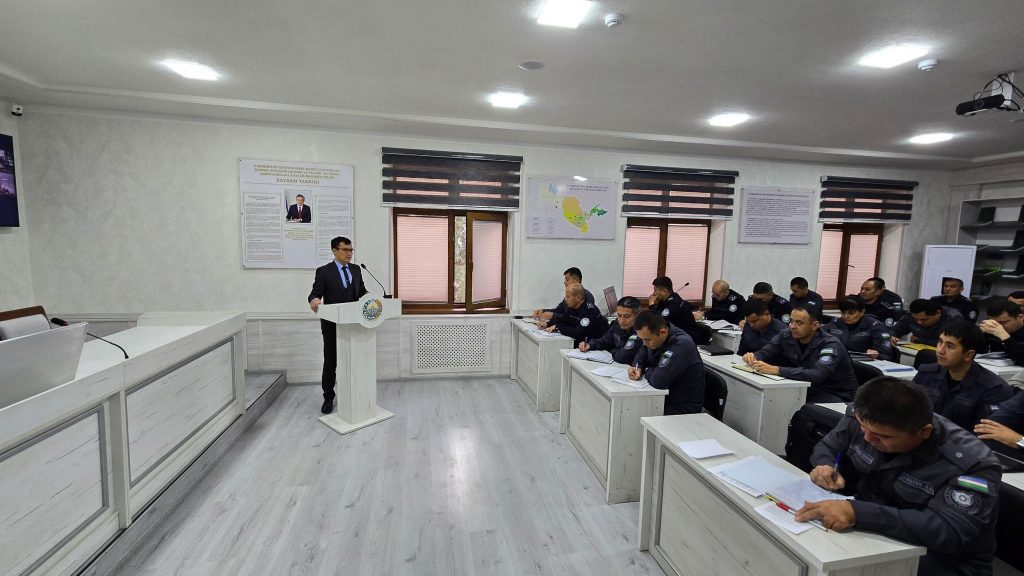
In support of national constitutional reforms and the development of civic awareness, Navoiy State University organized a public outreach seminar at the Navoiy Regional Tax Authority under the theme “Our Constitution – the Foundation of Peace and Prosperity.”
During the event, Associate Professor Murod Rahmatov delivered a presentation on “The Renewed Constitution in the New Uzbekistan,” explaining the purpose, structure, and significance of the amendments included in the new Constitutional Law of the Republic of Uzbekistan. The session emphasized how these updates strengthen democratic governance, expand citizens’ rights, and reinforce social justice.
In continuation of the outreach initiative, Dr. Rahmatov also conducted follow-up lectures at the Central Bank’s Navoiy branch and local commercial banks, providing employees with detailed explanations of constitutional reforms and their implications for everyday civic and professional responsibilities.
4. Awareness Seminar on Digital Literacy, Social Resilience, and Protection from Extremist Ideologies
Organizer: Navoiy State University (in collaboration with the State Security Service and Department of Internal Affairs)
Partner Organizations: Navoiy Regional Department of Internal Affairs, State Security Service, local community representatives
Target Community: University students, youth leaders, and community mentors
Activity Type: Preventive education and social awareness outreach
Description:
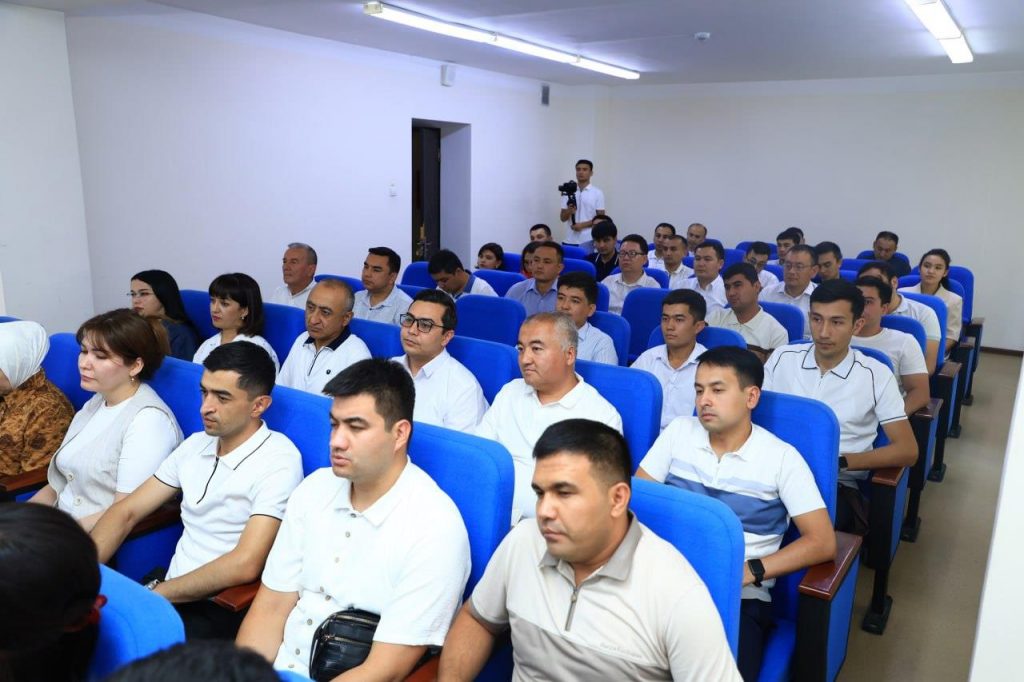
As part of its mission to foster peaceful, informed, and socially responsible youth, Navoiy State University organized a large-scale awareness seminar aimed at protecting young people from destructive ideologies and promoting responsible use of digital platforms. The event brought together representatives from the State Security Service, Regional Department of Internal Affairs, university administration, faculty members, and students from various faculties, including History, Uzbek Language and Literature, and Primary Education.
The seminar focused on the importance of digital and media literacy, helping participants recognize the risks of misinformation, radical propaganda, and online manipulation. Officials discussed national efforts to rehabilitate and reintegrate citizens misled by extremist groups abroad, highlighting Uzbekistan’s humanitarian “special operations” that prioritize compassion, education, and reintegration into peaceful society.
Interactive discussions emphasized the role of critical thinking, patriotism, and social awareness in maintaining peace and unity. Psychologists and youth mentors provided guidance on mental well-being and resilience in the digital age.
5. Outreach Seminar “Referendum and Youth: Our Constitution – Our Future”
Organizer: Navoiy State University — Faculty of Medicine
Partner Organizations: Tashkent State University of Law (“Targ‘ibot poyezdi”), Navoiy Regional Health Department, Navoiy Regional Legal Technical School, local representatives of the Legislative Chamber of Oliy Majlis
Target Community: University students, youth leaders, and medical faculty members, residents
Activity Type: Civic education and awareness outreach seminar
The Faculty of Medicine at Navoiy State University organized a large-scale civic education seminar under the slogan “The Constitution belongs to me, to you, to all of us!” as part of the “Referendum and Youth” national awareness campaign. The initiative aimed to strengthen civic consciousness among young people and to familiarize them with the new constitutional reforms taking place in Uzbekistan.
The event brought together a wide range of participants, including the “Targ‘ibot poyezdi” delegation — a group of students and professors from the Tashkent State University of Law, representatives from the Regional Health Department, deputy Mahfuza Khamroyeva, and experts such as Mr. Dilshod Murtazayev (Senior Lecturer) and Mr. Vali Turakulov (Head of Department, Navoiy State University).
During the session, speakers discussed the content and importance of constitutional reforms, particularly focusing on new provisions supporting education, healthcare, and scientific development, as well as policies aimed at empowering youth and ensuring their active participation in democratic processes. The event encouraged students to see the constitution as a living document that guarantees their rights to quality education, health services, and professional development.
6. Awareness Campaign “AIDS — The Path to Destruction” for World AIDS Day
Organizer: Navoiy State University — Faculty of Uzbek Language and Literature
Partner Organization: Navoiy Regional Center for the Prevention and Control of AIDS
Target Community: University students and young residents of Navoiy city
Activity Type: Public health education and awareness outreach
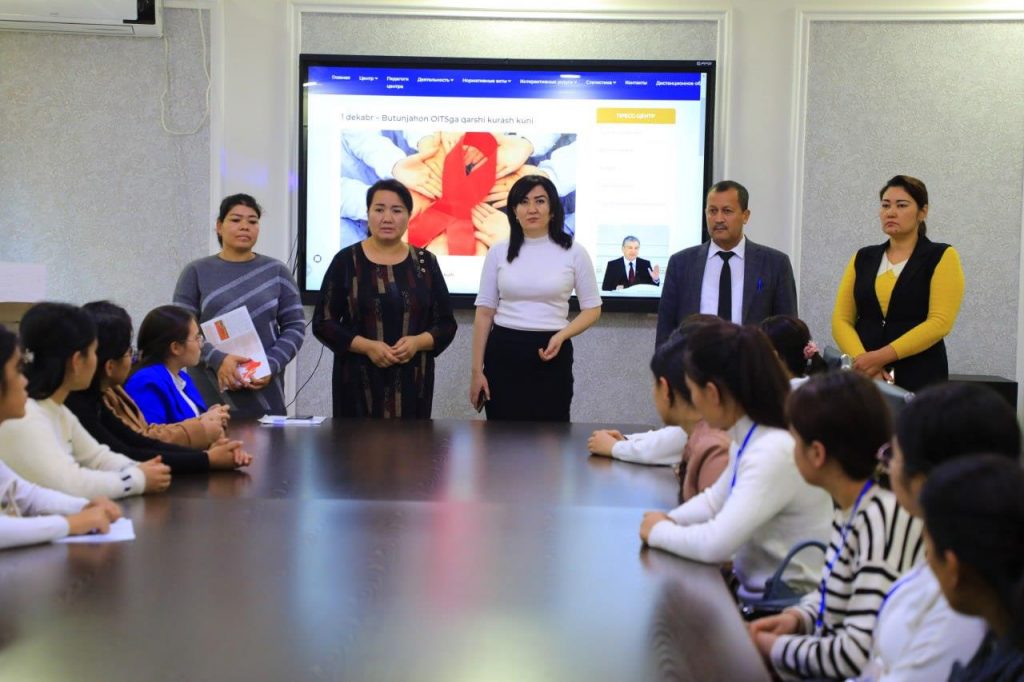
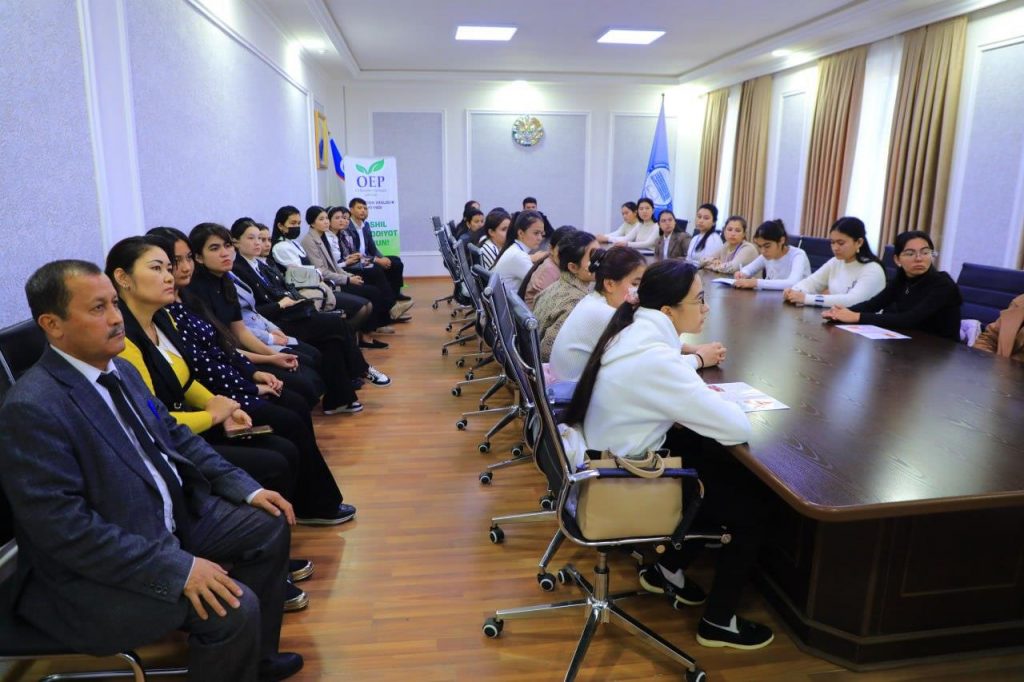
To commemorate World AIDS Day (1 December) and support national health education initiatives, Navoiy State University organized a public awareness seminar titled “AIDS — The Path to Destruction”. The event was hosted by the Faculty of Uzbek Language and Literature and aimed to raise awareness about HIV/AIDS prevention, encourage responsible health behavior, and dispel common misconceptions about the disease.
Experts from the Navoiy Regional AIDS Prevention and Control Center — Ms. Yulduz Rahmova, Ms. Gulnora Eshpo‘latova, and Ms. Muhabbat Ro‘ziyeva — delivered informative presentations on key topics including:
“What are HIV and AIDS?”
“Prevention of HIV infection”
“How is HIV diagnosed?”
“Why is HIV testing important?”
“Healthy lifestyle principles for youth.”
The seminar concluded with a visual presentation and discussion session as part of the “Information and Tutor Hour” series, focusing on the theme “Drug Addiction — The End of Life.” Students actively participated in the dialogue, asked questions, and expressed gratitude to the visiting health specialists for their contribution.
7. Seminar “Anti-Corruption Immunity: Fostering Integrity and Responsibility Among Youth”
Organizer: Navoiy State University, in partnership with the “Intilish va Taraqqiyot” Center
Supporting Organization: Public Foundation for the Support of Civil Society Institutions under the Oliy Majlis of the Republic of Uzbekistan (Navoiy Regional Branch)
Partner Institutions: Regional Women’s Entrepreneurship Center, “Ziyokor” Women and Youth Center, “Parvoz” Social Support Center
Target Community: University students and young people of Navoiy region
Activity Type: Civic education and ethical awareness outreach
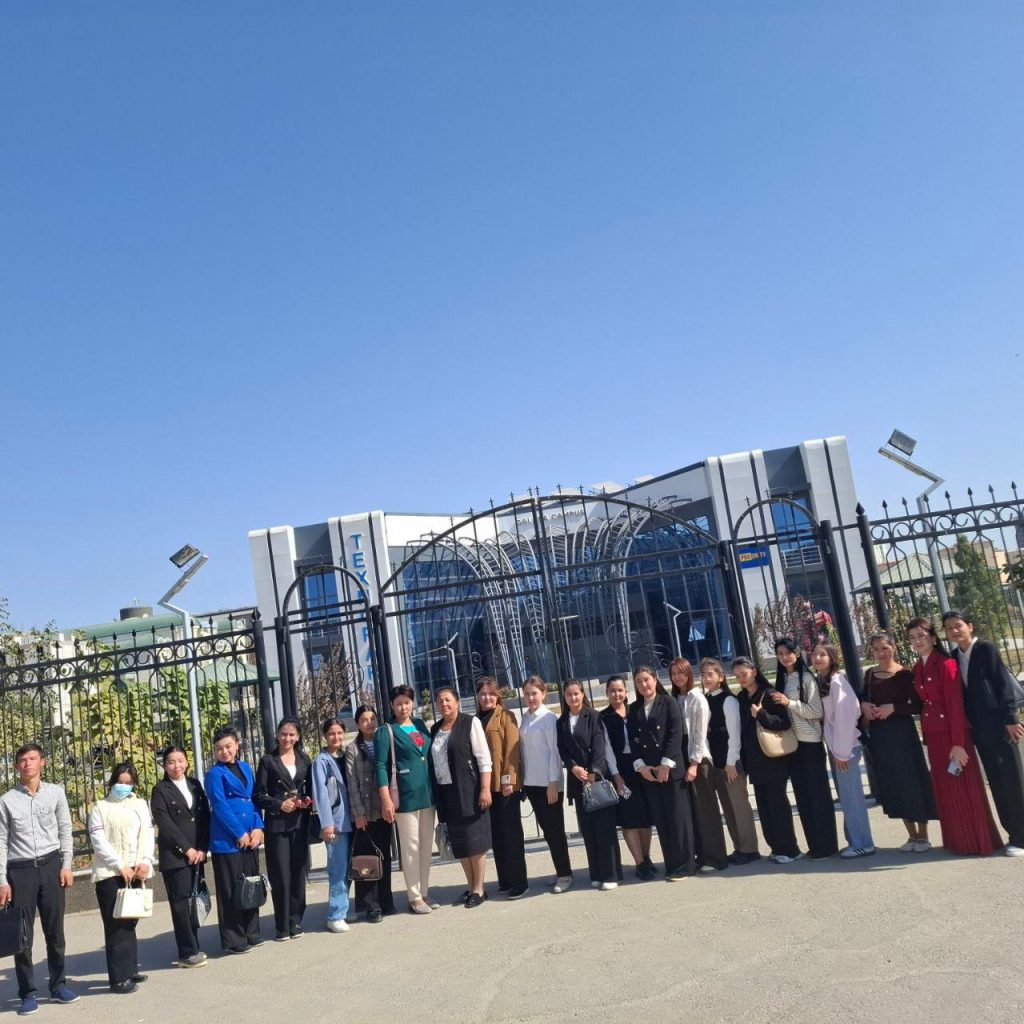
As part of its commitment to promoting peace, justice, and sustainable development, Navoiy State University organized a youth seminar titled “Anti-Corruption Immunity: Fostering Integrity and Responsibility Among Youth.” The event was held at the Youth Technopark and supported by the Public Foundation for the Support of Civil Society Institutions under the Oliy Majlis of Uzbekistan.
The seminar was designed to strengthen the moral, ethical, and civic awareness of students, in alignment with the United Nations Sustainable Development Goals , particularly : Promoting Peace, Justice, and Strong Institutions and Quality Education.
Under the slogan “Corruption is the Enemy of Progress,” around 30 young participants discussed the destructive impact of corruption on national development and the importance of honesty, accountability, and social responsibility in building a fair society. Guest speakers from partner organizations and the university emphasized how youth can contribute to transparent governance and ethical decision-making — key principles of sustainable and peaceful development.
University tutor M. Maxhamova moderated the discussion, encouraging students to express ideas for preventing corruption in daily life and promoting a culture of integrity across campus and the community.
8. Energy Efficiency Assessment Training for NMMC Workshop Managers
Navoi State University organized an intensive Energy Efficiency Assessment Training Program for 28 workshop managers and engineers from the Navoi Mining and Metallurgy Company (NMMC), one of the region’s largest industrial energy consumers.
The training aimed to strengthen NMMC’s internal capacity to identify avoidable electricity losses and improve operational efficiency across production workshops. NSU’s Environmental Protection specialists delivered a series of technical modules covering:
-Energy-use measurement techniques, including the correct use of portable meters, infrared thermometers, and monitoring devices;
-Identification of high-consumption machinery, with a focus on motors, welding units, ventilation systems, and compressed-air equipment;
-Detection of heat loss in industrial buildings, pipelines, and furnaces using thermographic observation methods;
-Compressor efficiency analysis, including leak detection, pressure optimization, and maintenance-based energy reduction.
Participants engaged in a hands-on “Mini Energy Audit” practicum, assessing real workshop equipment, recording consumption patterns, and preparing short audit reports. They were later encouraged to conduct similar assessments in their own production units and share the results with the NMMC efficiency committee.
9. Advisory Consultations for Navoi Free Industrial Economic Zone (NFEZ) Residents
Navoi State University hosted a full-day Technical Energy Consultation Program for manufacturing and service companies operating within the Navoi Free Industrial Economic Zone (FIEZ). The initiative aimed to help local enterprises reduce electricity expenses and improve compliance with emerging national energy-efficiency requirements.
Throughout the day, university environmental and resource-efficiency specialists conducted individual diagnostic sessions with company representatives. These consultations included:
-Review of electricity consumption schedules, identifying peak-load inefficiencies and unnecessary standby power usage;
-Assessment of lighting systems, comparing existing configurations with potential LED transition models and smart-sensor solutions;
-Analysis of machinery operation patterns, focusing on motors, pumps, ventilation units, and refrigeration systems that often contribute to avoidable energy losses;
-Evaluation of building-level factors, such as insulation, natural lighting potential, and air leakage.
Based on the diagnostics, each participating company received a customized Energy-Saving Action Plan, tailored to their production profile and budget. Recommendations focused on practical, low-cost improvements, including:
-gradual LED conversion,
-installation of timers and occupancy sensors,
-optimization of ventilation and cooling cycles,
-load shifting strategies to reduce nighttime and idle-time consumption,
-basic maintenance routines to eliminate energy waste.
10. “Green Production Strategies” Seminar for NavoiAzot JSC
At the official request of NavoiAzot JSC, Navoi State University organized a targeted seminar dedicated to reducing operational electricity consumption through improved environmental and energy-management practices. The session brought together engineers, shift supervisors, and technicians from various production units of the plant.
The seminar focused on practical, industry-specific solutions that chemical enterprises can adopt without requiring major capital investment. Key topics included:
-Minimizing idle machinery time:
Experts demonstrated how pumps, mixers, and conveyor motors often run during non-production intervals, consuming large amounts of electricity. Participants learned scheduling strategies and sensor-based shutoff methods.
-Preventing compressed-air leakage:
Since NavoiAzot relies heavily on air-driven equipment, the seminar highlighted how micro-leaks in pipelines and fittings lead to major electricity waste. A hands-on demonstration showed participants how to detect leakage using simple acoustic and pressure-drop techniques.
-Integrating natural ventilation into workflow:
Environmental engineers presented low-cost ventilation redesigns that reduce dependence on electric fans and AC units, especially in auxiliary production buildings.
-Worker behavior–based energy saving:
Trainers emphasized the role of staff awareness, showing how factory-level savings can increase significantly when employees adopt energy-conscious habits such as proper shutdown routines and reporting inefficiencies.
The seminar also included case studies from internationally recognized chemical plants with similar production cycles, illustrating how behavioral and operational adjustments have yielded up to 8–15% reductions in electricity use.
11. University–Community Green Awareness Initiative
Following the announcement of Presidential Decree PF-61, the university organized small informative sessions and awareness meetings for the nearby community. These sessions explained the main ideas of the decree, including the promotion of environmental protection, green initiatives, renewable energy use, youth-led ecological projects, and opportunities related to the ‘Yashil tashabbuslar’ (Green Initiatives) Fund. The outreach aimed to increase environmental awareness, support youth ecological activities, and encourage community participation in sustainable practices.
12. International Solar Day School Training on Clean Energy
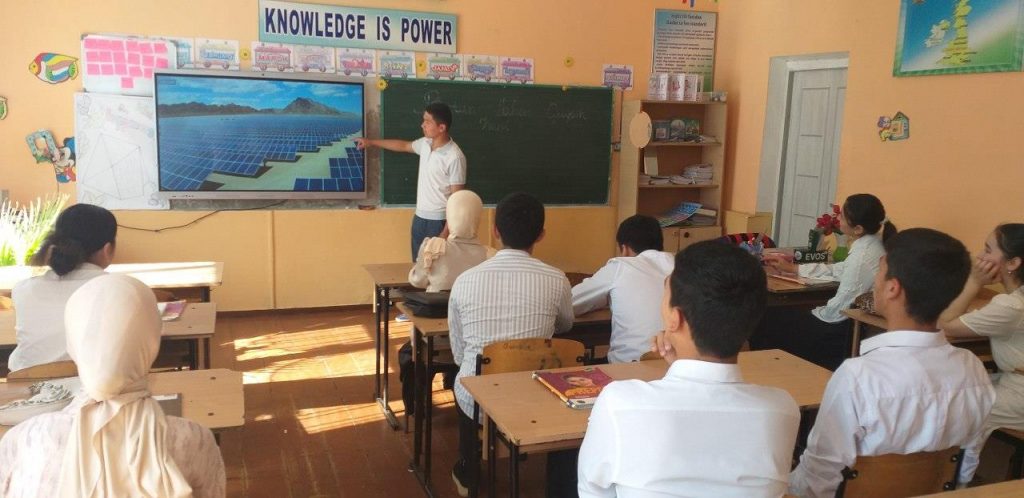
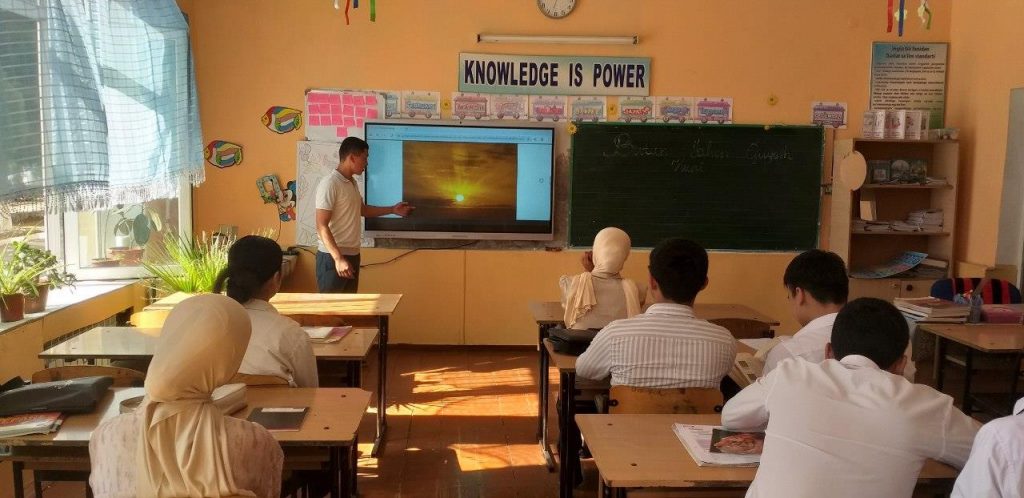
In celebration of International Solar Day on 3 May, a peer-to-peer educational training was organized for local school students by an active member of the Young Environmentalists at Navoi State University in Navoi. The session introduced students to the environmental value of solar energy and its role in building a sustainable future. Through interactive activities, participants learned how solar radiation can be converted into clean energy, the importance of protecting the environment, and the development of ecological awareness among young people. This outreach event played an important role in fostering environmental responsibility and inspiring the younger generation to take their first steps toward a greener future.
13. “Dolzarb 90 kun” Project: Community Partnership for Youth Engagement and Cultural Development
Organizer: Navoiy State University — Faculty of Art and Sports
Partner Organization: “Yangiobod” Neighborhood Citizens’ Assembly (MFY), Navoiy city
Target Community: Local youth and community members of Yangiobod neighborhood
Activity Type: Community partnership meeting and youth outreach initiative
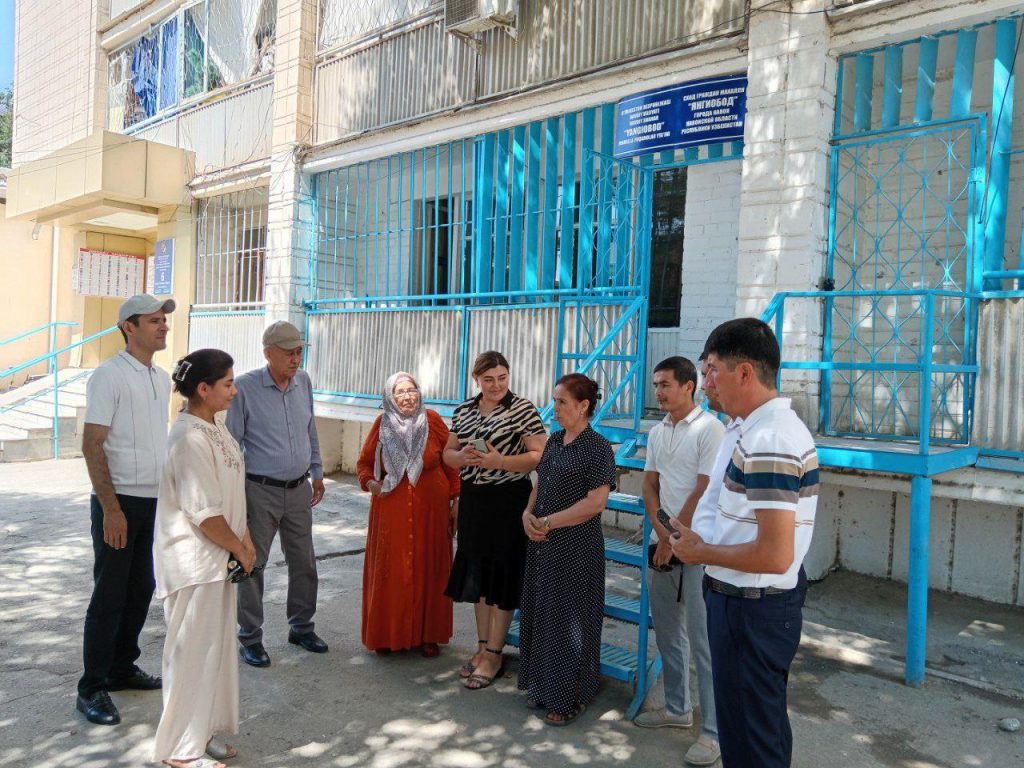
As part of the national initiative “Dolzarb 90 kun” (Current 90 Days), tutors from the Faculty of Art and Sports at Navoiy State University held a collaborative meeting with the Chairperson and active members of the “Yangiobod” Neighborhood Citizens’ Assembly. The discussion focused on developing a joint action plan of cultural, educational, and sports events aimed at strengthening community life and youth participation.
This partnership supports the Sustainable Development Goals (SDGs) by promoting social inclusion, health, and well-being through cultural and sports engagement. The planned activities aim to encourage local youth to take part in community-based initiatives, develop teamwork, foster creativity, and promote an active and healthy lifestyle.
During the meeting, both the university representatives and community leaders agreed to organize regular educational, moral, and cultural events, as well as sports competitions to increase youth involvement and social cohesion within the neighborhood. This approach builds a bridge between the university and the wider community, ensuring mutual support and sustainable civic engagement.
14. Meeting of the Rector with Local Youth to Strengthen Social Inclusion and Support Employment
Organizer: Navoiy State University
Location: “Karvon” Neighborhood Citizens’ Assembly, Navbahor District, Navoiy Region
Target Community: Local youth residing in “Karvon” mahalla (8 participants)
Activity Type: Community outreach and youth empowerment meeting
In line with the United Nations Sustainable Development Goals — particularly SDG 1 (No Poverty), SDG 8 (Decent Work and Economic Growth), and SDG 10 (Reduced Inequalities) — Navoiy State University actively promotes social inclusion and youth engagement through regular community interactions.
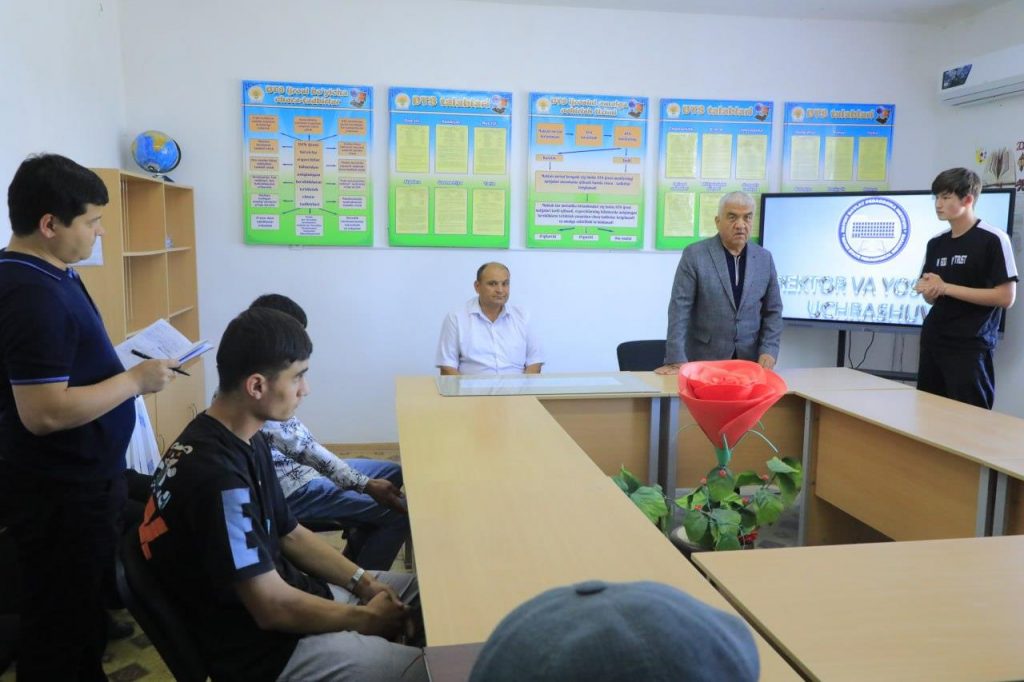
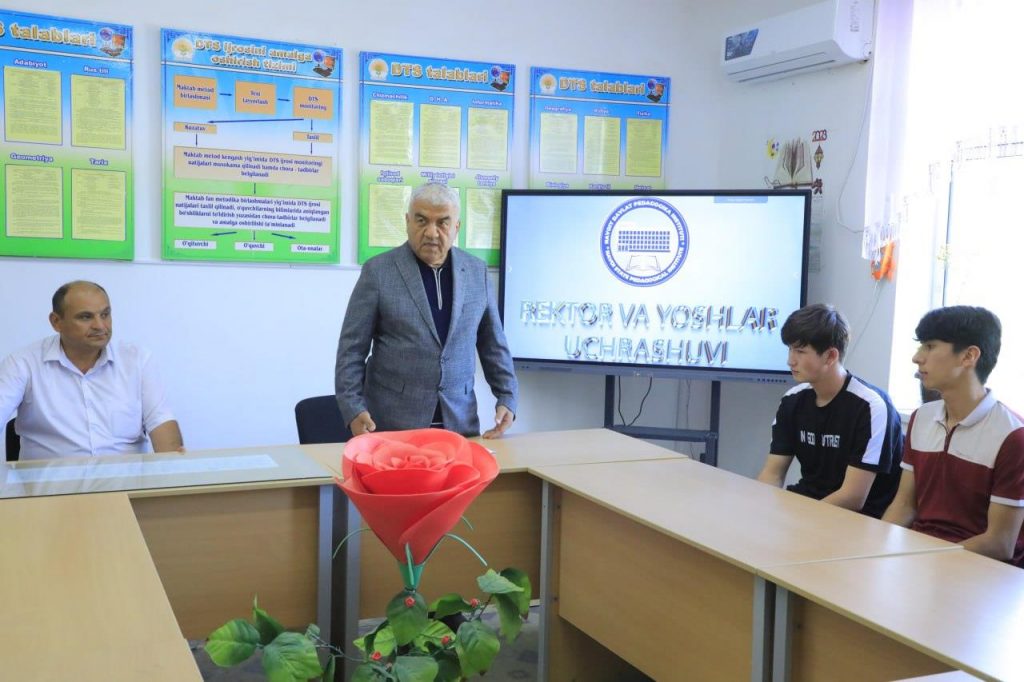
On 27 April 2025, the University Rector, held a meeting with eight young residents of the “Karvon” Neighborhood Citizens’ Assembly in Navbahor district. This meeting was part of an ongoing initiative where the rector personally engages with youth from his assigned community to understand their challenges, provide mentorship, and identify practical solutions for their social and professional development.
During the friendly and open discussion, the rector presented books and symbolic gifts to the youth, encouraging them to pursue education and self-development. The participants also shared their personal concerns related to employment, training, and social support. Following the discussion, the rector initiated contact with relevant partner organizations — including the Youth Affairs Agency of Navoiy Region and the Regional Department of Employment — to ensure timely and coordinated assistance for the young participants.