1. Navoi State University has implemented a long-term Paperless and Plastic-Free Campus Initiative as part of its Waste Management policy. The initiative aims to minimize the use of office paper and single-use plastics through digital transformation, behavioral change, and systematic waste monitoring. This program directly supports SDG 12 (Responsible Consumption and Production) and SDG 13 (Climate Action), and aligns with Uzbekistan’s national theme — “The Year of Environmental Protection and the Green Economy – 2025.”
1.Digital Platforms for Academic Management
Navoi State University switched to the electronic application systems in order to reduce paper consumption.
We have a special platform – HEMIS – higher education process management information system. This digital system includes “Administrative management”, “Educational process”, “Scientific activities” and “Financial Management” modules. ( https://hemis.nspi.uz/). Since 2023, UzSWLU has fully adopted the e-Governance System, enabling electronic documentation, e-signatures, and digital archiving for academic and administrative units. You may find below a detailed overview of the key changes and improvements achieved as a result of the digitalization process:
Over 85% of reports, forms, and communication are now managed digitally via Hemis platform;
Literature for each subject, course syllabi, mid-term and final controls, assignments, and feedback are distributed exclusively in electronic format, leading to a 80% annual reduction in paper use.
At Navoi State University, ICT Skills Enhancement Program for Staff helps academic and administrative staff develop the necessary skills to confidently shift from traditional paper-based procedures to modern digital and cloud-based workflows.
As a result of these digitalization efforts, Navoi State University estimates that approximately 5 tons of CO₂ emissions are saved annually by minimizing paper consumption and promoting environmentally responsible administrative practices.
Moreover, Navoi State University uses the digital platforms of edu.ijro (https://edo.ijro.uz/) and Interaktiv uz (https://interaktiv.oak.uz/) These digital applications considerably contributes to reduction of paper usage.
2. Spin-Off Paper Program to Reduce Paper Use
Navoi State University has implemented the Spin-Off Paper Reuse and Reduction Program since 2023 to reduce paper consumption and promote the 3R principles. The initiative is supported by all faculties, academic departments, administrative offices, classrooms, libraries, and service units.
NSU’s Spin-Off Paper Program plays a key role in reducing paper consumption on campus. Used one-sided paper is collected from offices, classrooms, and libraries, then repurposed into notepads, drafts, and internal documents. This simple yet effective practice minimizes paper waste, encourages reuse, and promotes a culture of sustainability among students and staff. By giving paper a second life, the university not only cuts down on unnecessary printing but also raises awareness about responsible resource use. The program supports NSU’s broader mission to create a more eco-friendly and waste-conscious campus environment.
The Facilities and Campus Maintenance Department is responsible for organizing the collection, separation, and internal reuse of paper waste. Staff members of the department and cleaning personnel collect one-sided used paper from classrooms, offices, libraries, and other campus areas. The paper is stored in designated collection boxes and reused for draft printing, meeting notes, temporary notepads, internal memos, proofreading, student practice tasks, and working documents.
This initiative reduces the demand for new office paper, decreases paper waste generation, and strengthens sustainability awareness among students, academic staff, administrative employees, and service personnel. It also supports NSU’s wider digitalization efforts through HEMIS and other electronic platforms by ensuring that unavoidable paper use is responsibly managed before recycling or disposal.
3. Refillable Plastic Bottles to Cut Plastic Waste
Navoi State University implements practical measures to reduce the use of single-use plastic bottles on campus by promoting refillable drinking water practices among students, academic staff, and administrative employees. Instead of relying on disposable plastic bottles, the university encourages the regular use of refillable glasses and personal bottles in daily academic and administrative activities.
Refillable drinking water points are available in the main functional areas of the university. In particular, drinking water and refill facilities are organized in faculty canteens, departmental staff rooms, and other frequently used academic and administrative spaces. Although the exact number of refill points may vary depending on the building and department, the system covers all faculties and most departments of the university. This makes refilling accessible for a large part of the university community.
According to internal observation, approximately 500–700 students, academic staff, and employees use refillable glasses or bottles on a regular basis. In particular, almost all academic staff members are encouraged to use refillable glasses in departmental rooms instead of purchasing single-use plastic water bottles. This practice helps reduce plastic waste generated from daily water consumption and supports more sustainable behaviour on campus.
The collection and management of plastic waste are coordinated by the university’s Facilities and Maintenance Department. This unit is responsible for organizing campus cleanliness, collecting separated plastic waste, and ensuring that recyclable plastic materials are directed to appropriate recycling channels. Although plastic waste bins are available on campus, the university recognizes the need to expand and strengthen their use in order to improve the efficiency of plastic waste separation.
This initiative demonstrates that NSU’s plastic reduction practice is not limited to awareness-raising only. It combines daily behavioural change, accessible refill facilities, responsible use of resources, separate plastic waste collection, and recycling-oriented waste management. Through this approach, the university contributes to reducing plastic dependency, lowering plastic waste generation, and building a more environmentally responsible campus culture.
4. 3D Printers Using Recycled Plastic Bottles
During the 2025/2026 academic year, Navoi State University implemented an innovative pilot initiative focused on the reuse of plastic waste through the integration of 3D printing technology and sustainability-oriented education. This initiative was designed not only to reduce plastic waste on campus but also to enhance students’ practical understanding of circular economy principles and environmentally responsible technologies.
As part of the program, plastic bottles were systematically collected from various campus locations, including academic buildings, cafeterias, administrative offices, corridors, and student common areas. A separate collection system was introduced to ensure proper segregation at the source, encouraging responsible waste disposal behavior among students and staff.
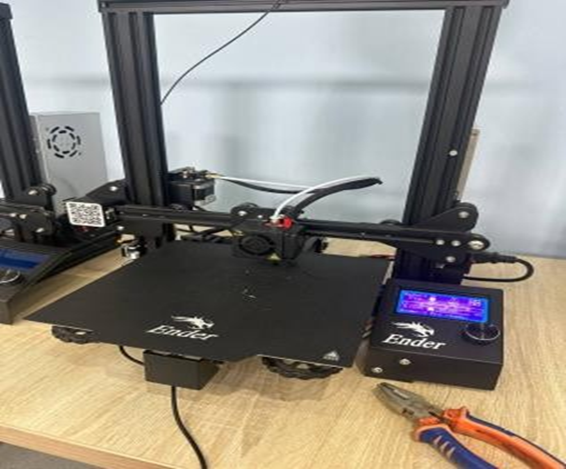
Following collection, the plastic waste underwent a structured preparation process. Students and staff collaboratively engaged in sorting the materials based on type and usability. Non-recyclable components such as caps, labels, and contaminated sections were carefully removed to ensure the quality of the recyclable material. The remaining plastic was thoroughly cleaned and prepared for further processing.
The processed plastic was then utilized for educational purposes related to recycling technologies and 3D printing. Through practical demonstrations and hands-on activities, students were introduced to the process of converting plastic waste into usable filament suitable for 3D printers. This provided them with valuable technical skills while reinforcing concepts related to sustainability, waste minimization, and resource efficiency.
The initiative actively involved students, academic staff, and technical personnel, fostering interdisciplinary collaboration and experiential learning. Participants took part in various stages of the process, including waste sorting, material preparation, recycling demonstrations, and the design and production of 3D-printed objects. The recycled filament produced through this initiative was used to create educational tools, prototype models, and demonstration materials that support teaching and learning activities.
Overall, the project significantly contributed to reducing plastic waste on campus by diverting it from general waste streams and transforming it into valuable educational resources. It also promoted the principles of Reduce, Reuse, and Recycle in a practical and measurable way. This initiative highlights Navoi State University’s commitment to sustainable campus development, environmental responsibility, and the integration of innovative technologies into education.
5. Paper Shredders for Sustainable Paper Reuse
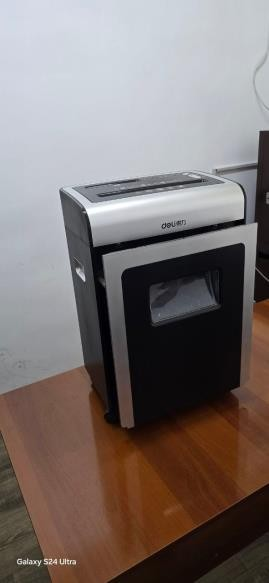
As part of its paper waste reduction strategy, Navoi State University uses paper shredders to ensure the secure disposal and practical reuse of used documents, draft papers, and printed materials generated in academic and administrative units. After confidential and non-confidential papers are separated, suitable paper waste is shredded and reused for internal campus purposes, including packaging support, handmade materials, student craft activities, draft paper reuse, and preparation for recycling. This practice helps reduce the volume of paper waste sent to general waste streams and supports the university’s commitment to minimizing unnecessary paper consumption.
The initiative is linked with NSU’s Reduce, Reuse, Recycle approach. It reduces paper waste by extending the useful life of printed materials, promotes reuse through practical campus applications, and supports recycling by preparing paper waste for further processing. The shredding process is coordinated by responsible administrative and service units, ensuring both document security and environmentally responsible waste handling. By integrating paper shredding into daily office and academic routines, NSU promotes paper-saving behaviour among staff and students, strengthens waste segregation practices, and contributes to a cleaner, more resource-efficient, and sustainable campus environment.

6. E-Certificates and E-Documents to Minimize Paper Use
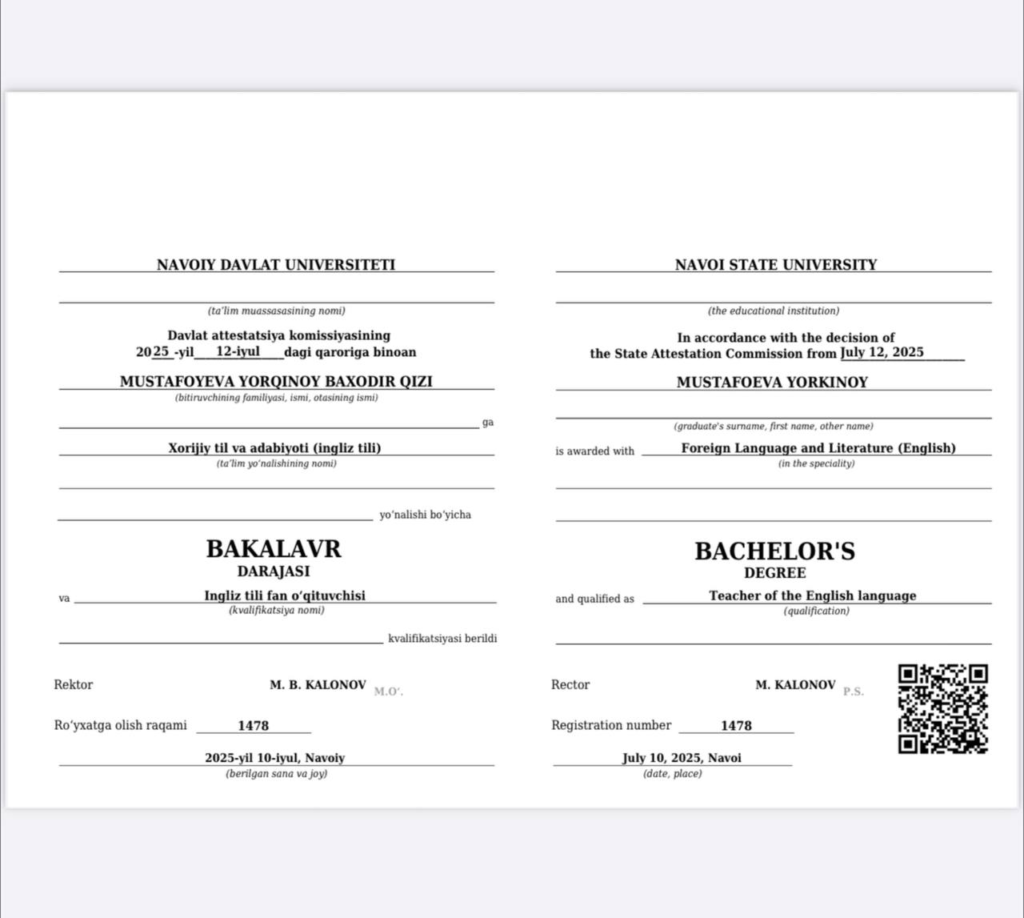
To reduce paper consumption on campus, NSU has implemented the use of e-certificates and electronic documents for academic and administrative purposes. Certificates, transcripts, and official letters are now issued digitally, cutting down the need for printed copies. This transition not only saves paper but also streamlines communication and document storage. The system ensures faster access, reduces printing costs, and supports eco-friendly practices. By embracing digital alternatives, NSU demonstrates its commitment to sustainability and encourages students and staff to adopt paperless solutions in daily academic and operational activities.
To reduce paper consumption on campus, NSU has implemented the use of e-certificates and electronic documents for academic and administrative purposes. Certificates, transcripts, internal notices, event confirmations, and official letters are increasingly issued and circulated in digital format, reducing the need for printed copies. This transition saves paper, reduces printing costs, speeds up communication, and supports electronic archiving. By embracing digital alternatives, NSU demonstrates its commitment to sustainability and encourages students and staff to adopt paperless solutions in daily academic and operational activities.
7. Digital Library to Support Paperless Learning
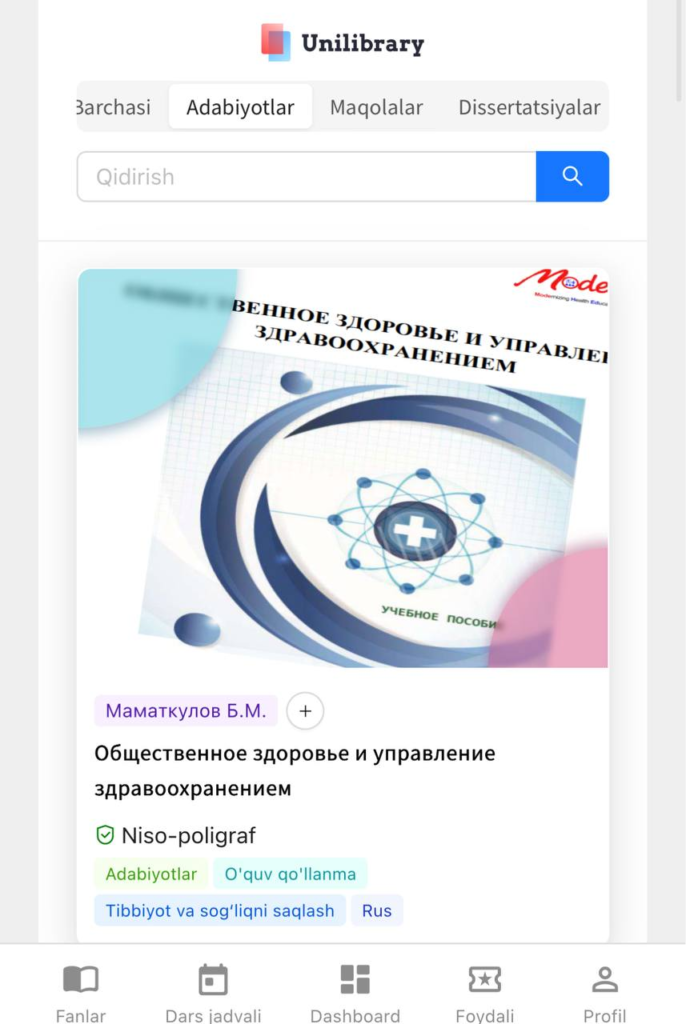
NSU’s digital library plays a key role in reducing paper use by providing students and staff with online access to books, journals, and academic resources. Instead of printing or purchasing hard copies, users can read and download materials through the university’s online library portal. This eco-friendly approach not only conserves paper but also enhances learning flexibility and resource availability. The digital library supports research, coursework, and self-study while minimizing the environmental impact of traditional paper-based systems. By promoting digital reading, NSU encourages sustainable academic practices across the campus.
8. Double-Sided Printing to Reduce Paper Waste
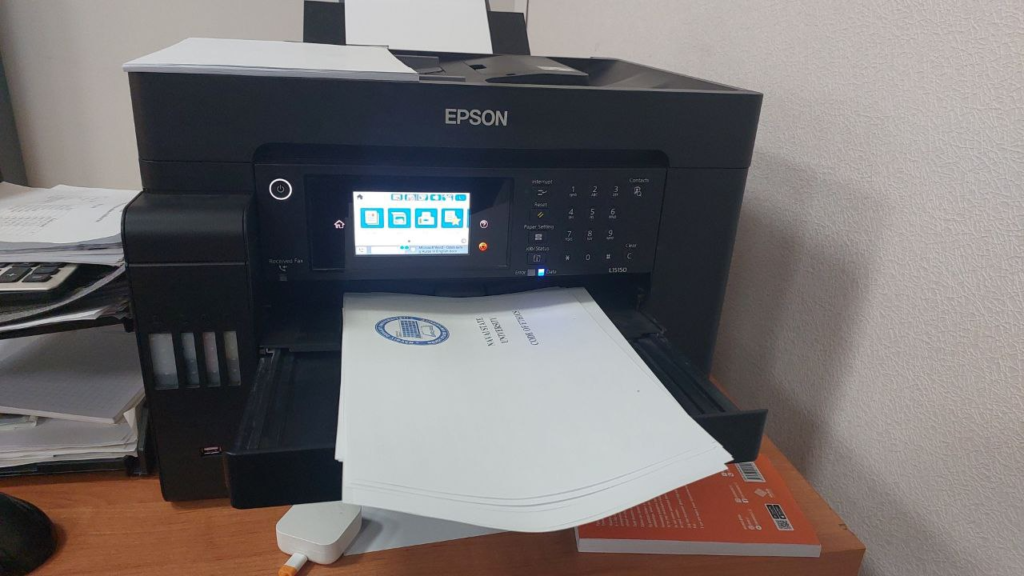
To minimize paper usage on campus, NSU encourages double-sided printing for all academic and administrative documents. Printers across the university are set to default duplex mode, allowing both sides of the paper to be used effectively. This simple yet impactful measure significantly cuts down paper consumption and reduces overall waste. Staff and students are also educated on the benefits of double-sided printing through awareness campaigns and signage near printing stations. By adopting this efficient practice, NSU promotes responsible resource use and reinforces its commitment to environmental sustainability within everyday campus operations.
9. E-notice boards
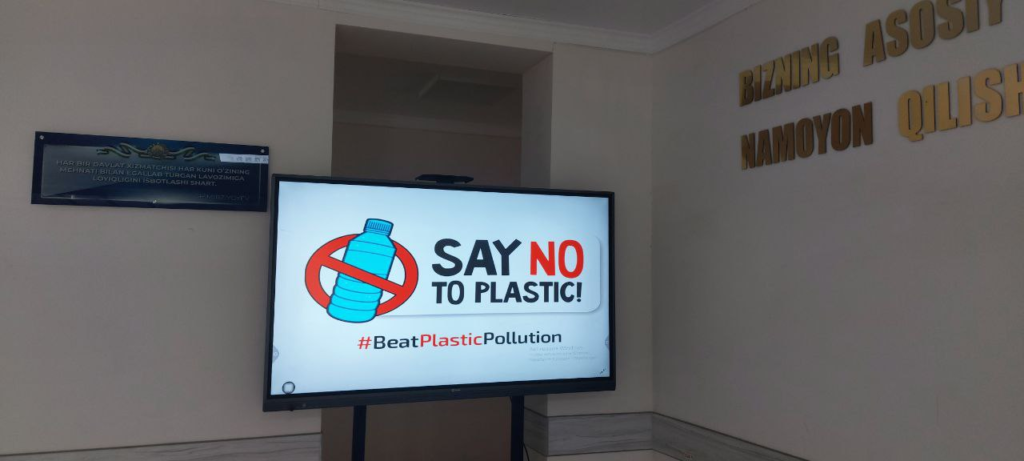
At Navoi State University (NSU), electronic notice boards (E-notice boards) have been introduced to reduce paper and plastic usage across the campus. These digital boards display announcements, schedules, and event information, replacing traditional printed posters and flyers. By adopting this eco-friendly system, NSU minimizes waste generation, saves resources, and supports its commitment to sustainability and environmental protection within the university community.
The use of e-notice boards helped reduce the printing of paper-based announcements, posters, and plastic-covered information boards. If one digital announcement replaces at least 20 printed A4 posters across faculties and departments, then 300 digital announcements can prevent approximately 6,000 printed pages per academic year. This equals about 12 reams of A4 paper, excluding additional savings from reduced ink, lamination, and plastic poster covering.
10. “Protect Nature” Plastic Reduction Initiative
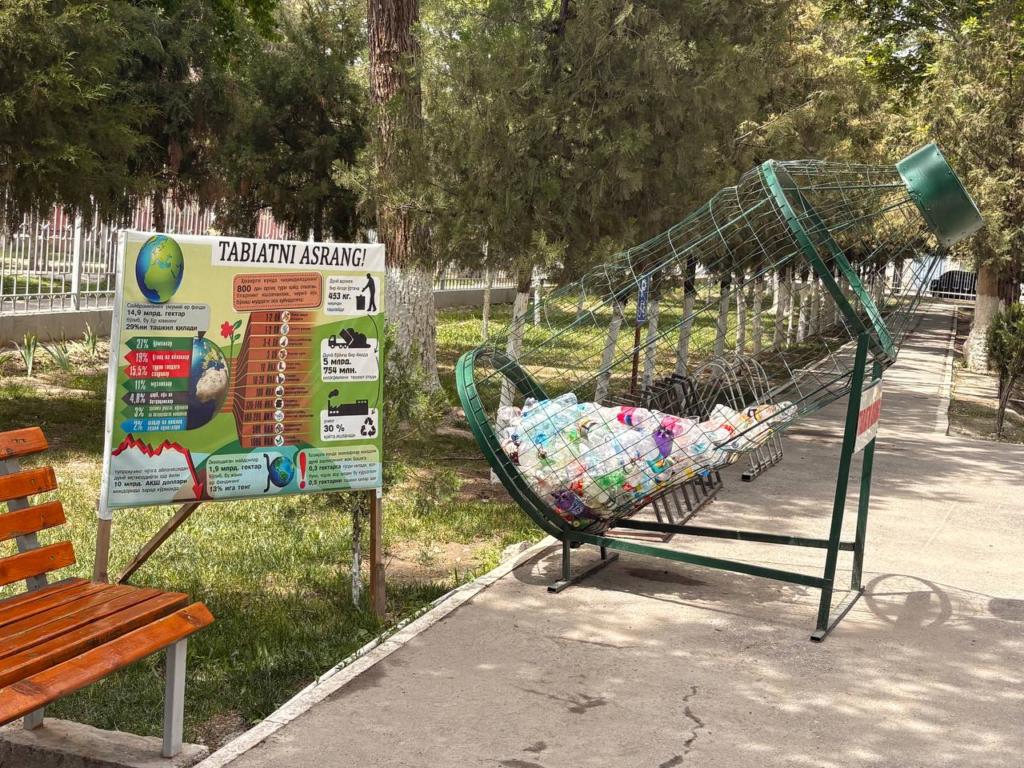
The university has launched an environmental initiative titled “Protect Nature”, aimed at reducing plastic waste on campus. As part of this program, specially designed bottle-shaped collection bins have been installed in different areas of the university to encourage the separate disposal of plastic bottles. In addition, informational boards are placed near these bins, providing brief guidance on reducing waste, the benefits of recycling for the environment, and the important role each individual plays in protecting nature. This initiative not only supports plastic waste reduction but also raises environmental awareness among students and staff.
11. Paperless Appeal and Reporting System
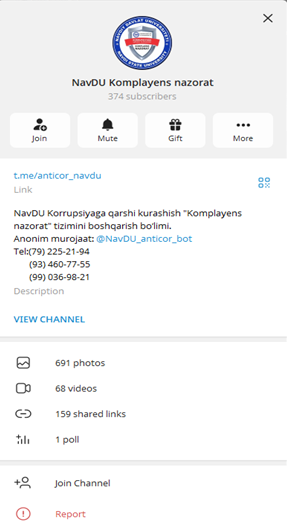
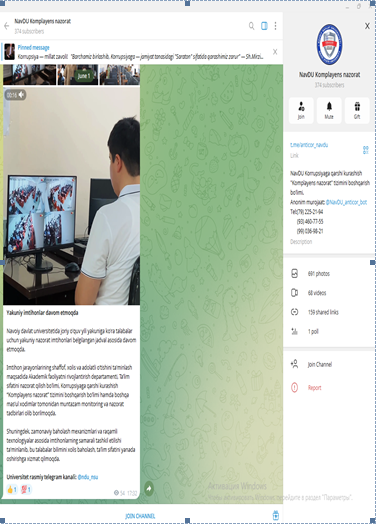
At Navoi State University, appeals and communications to the Rector and the Compliance Control Department are carried out digitally through online bots and QR codes, eliminating the need for paper-based submissions. The university has introduced electronic platforms, including Telegram bots and QR-based access, allowing students and staff to submit requests, complaints, and corruption-related reports online, thereby reducing paper usage and ensuring efficient communication.
A separate section about the Compliance Control Department is available on the official website of Navoi State University https://www.nsuni.uz. This web section provides detailed information about the department, its functions, responsibilities, contact details and anti-corruption activities. The department maintains public communication channels, including a contact number, official website information, Telegram channel and bot. These digital tools enable students, employees and external stakeholders to access information, submit inquiries and report corruption-related concerns in a convenient and transparent way.
In addition to the department’s own communication channels, university staff and students may also submit their complaints, suggestions and appeals through the Rector’s bot https://t.me/nsu_77_bot or Anti-Corruption bot @NavDU_anticor_bot. Appeals related to the competence of the Compliance Control Department are reviewed and processed by the department in accordance with established procedures. This multi-channel reporting mechanism strengthens transparency, accessibility and trust in the university’s anti-corruption system.

12. Outreach programs
At Navoi State University (NSU), various outreach programs are organized to raise awareness about reducing paper and plastic waste on campus. One of the key initiatives involves students actively collecting plastic bottles from classrooms, dormitories, and university grounds for recycling. These activities are often part of environmental campaigns and student-led eco clubs that promote responsible waste management. Collected materials are sent to recycling centers, supporting a circular economy and cleaner environment. Through such outreach efforts, NSU encourages the university community to adopt sustainable habits, reduce single-use plastics, and contribute to creating a greener, more eco-friendly campus.
13. Waste Reduction Awareness Activities
The university actively organizes a wide range of environmental events, seminars, and competitions aimed at promoting waste reduction and sustainable practices among students and young people. These activities focus on increasing environmental awareness, strengthening ecological responsibility, and encouraging practical solutions to waste-related challenges.
In particular, educational competitions such as “Do You Know Environmental Laws?” are conducted to improve students’ legal awareness regarding environmental protection and to foster a culture of responsibility toward natural resources. These initiatives help participants understand the importance of environmental regulations and develop a sense of accountability in preventing ecological damage.
Additionally, scientific and educational events, including “Ecology Research Day”, provide students with opportunities to present their ideas, observations, and research on environmental issues. Such activities enhance critical thinking and encourage students to explore innovative approaches to waste management and environmental protection.
Furthermore, practical competitions like “Best Eco-Innovation Project” promote the reuse of materials by encouraging participants to create models and projects from recyclable waste. These initiatives highlight the importance of recycling, resource efficiency, and creative problem-solving in reducing waste.
Regular lectures and awareness sessions on topics such as environmental protection, waste sorting, recycling, and sustainable resource use are also conducted. These events play a key role in developing ecological culture, reducing waste generation, and fostering environmentally responsible behavior within the university community.
Overall, these initiatives significantly contribute to waste reduction efforts by combining education, innovation, and active student engagement.
Navoi State University implements regular environmental awareness and practical sustainability activities to strengthen waste management culture, recycling awareness, and responsible resource use across the university community. During the reporting period, NSU organized and participated in clean-up campaigns, plogging actions, ecological seminars, tree planting activities, energy-saving campaigns, innovation exhibitions, and digital outreach initiatives.
These activities directly support the 3R principle: Reduce, Reuse, Recycle by encouraging students and staff to reduce unnecessary waste, separate recyclable materials, avoid single-use items, participate in campus clean-up actions, and adopt eco-friendly daily habits. Practical events such as public hashar, plogging, Zero Waste Day activities, and “Yashil Makon” greening actions helped connect environmental education with real action.
In addition, seminars, Young Ecologists Club activities, and the “EKO-INNOVATION–2025” exhibition strengthened students’ ecological knowledge and promoted innovative solutions related to recycling, waste reduction, and sustainable technologies. Digital communication through official Telegram channels, faculty groups, posters, and social media posts further expanded the reach of the campaign.
These activities are supported by the university administration, Waste Management Team, faculty coordinators, student activists, Young Ecologists movement, and service units responsible for campus cleanliness and waste collection. Overall, NSU demonstrates a systematic approach to waste management awareness by combining education, practical action, student participation, digital outreach, and cooperation with regional environmental institutions.
№ | Activity / Event | Date / Period | Main Theme | Description and GreenMetric Relevance |
1 | Public Charity Hashar / Campus Clean-up Activity | 13–14 March | Campus cleanliness, waste collection, public clean-up | As part of the nationwide public hashar activities, Navoi State University participated in clean-up and beautification work. The activity supported campus cleanliness, collective responsibility, and practical waste reduction. It is directly relevant to GreenMetric waste management indicators because it involved cleaning areas, collecting waste, and promoting shared responsibility for a clean environment. |
2 | Flower Planting Activities under the “Yashil Makon” National Project | March | Green campus development, environmental awareness | Flower planting activities were organized at the faculties of Navoi State University within the framework of the “Yashil Makon” national project. The activity contributed to improving green spaces, strengthening environmental culture, and encouraging students and staff to participate in campus greening. |
3 | Participation in the National “Daraxt Ekish” Tree Planting Marathon | 15 March | Tree planting, green campus, ecological responsibility | Navoi State University participated in the national tree planting marathon organized within the “Yashil Makon” project. The participation of the university leadership and representatives demonstrated institutional commitment to environmental protection, green campus development, and climate-conscious action. |
4 | “Yer Soati” / “Sayyoramiz Soati” Energy-Saving Action | 26 March, 13:00–14:00 | Energy saving, responsible resource use, environmental awareness | Navoi State University organized an energy-saving action by temporarily switching off electricity for one hour. Students and staff were encouraged to spend the time in open-air useful activities. The event promoted rational energy consumption, environmental responsibility, and sustainable daily habits. Although the activity focuses on energy saving, it also supports broader sustainability awareness and responsible campus behaviour. |
5 | “EKO-INNOVATION–2025” Exhibition | 2025 reporting period | Recycling innovation, eco-technologies, student projects | The “EKO-INNOVATION–2025” exhibition presented ecological and sustainability-related student projects. The event involved 30 participants and 27 innovative projects. Project directions included modern solutions for waste recycling, renewable energy, environmental technologies, and sustainable development. This activity is highly relevant to GreenMetric because it connects waste management with innovation, student engagement, and practical sustainability solutions. |
6 | Ecological Seminar-Training with Members of the Young Ecologists Club | 2025 reporting period | Ecological literacy, waste awareness, youth responsibility | An ecological seminar-training was organized at Navoi State University with members of the Young Ecologists Club. The training covered environmental problems, ways of solving them, ecological responsibility, and the role of young people in environmental protection. The activity strengthened students’ understanding of sustainability, waste reduction, and responsible behaviour. |
7 | Cooperation Agreement with the Navoi Regional Department of Ecology, Environmental Protection and Climate Change | 2025 reporting period | Institutional cooperation, ecological education, practical training | Navoi State University strengthened cooperation with the Navoi Regional Department of Ecology, Environmental Protection and Climate Change. As part of this cooperation, a branch of the Department of Ecology and Environmental Protection was established at the regional ecology authority. This cooperation supports environmental education, practical training, ecological research, and institutional sustainability development. |
8 | International Day of Zero Waste Activities | 30 March | Waste reduction, plogging, waste sorting, environmental culture | In connection with 30 March – International Day of Zero Waste, waste collection and plogging activities were promoted in Navoi region. These actions encouraged participants to collect and sort waste while raising awareness of waste reduction and environmental cleanliness. The activity supports the GreenMetric waste indicator by promoting practical waste management and public participation. |
9 | Earth Day Eco-Action | 25 March | Energy saving, responsible consumption, ecological awareness | An eco-action was organized in connection with Earth Day to promote rational use of electricity and careful use of natural resources. Participants turned off lights and electrical equipment for one hour. The action helped develop environmental culture and encouraged students and staff to adopt responsible daily habits. |
10 | Plogging Action with Young Ecologists | 17 March | Waste collection, plastic reduction, healthy lifestyle | A plogging campaign was organized with the participation of representatives of the Navoi Regional Young Ecologists Movement. Participants collected waste from surrounding areas while promoting a healthy lifestyle and environmental responsibility. This activity directly supports waste reduction, waste collection, and student engagement in practical environmental action. |