Navoi State University actively strengthens its international partnerships through a wide range of initiatives in education, research, innovation, and youth engagement. The university collaborates with global and regional institutions to exchange knowledge, develop joint projects, and contribute to shared approaches in areas such as sustainability, digital transformation, science, and cultural cooperation.
Through its participation in multinational programs, academic networks, and collaborative research platforms, the university supports activities related to data collection, comparative analysis, and the development of effective international practices. These efforts enhance institutional capacity, promote cross-border academic mobility, and contribute to the advancement of shared goals among partner universities and organizations.
The NSU has a direct role in gathering statistics on the various SDGs. The institution has also overseen over 100 Memorandums of Understanding (MoU) for the exchange of research findings and important datasets for enhanced analysis and better SDG decision-making.
These alliances are based on collaboration, shared interests, and objectives, and they are dedicated to providing partners with reciprocal advantages.
In order to help partner universities achieve their strategic goals, we use our resources as a higher education institution and provide expertise. In addition, our students benefit from improved professional progression, employment, and opportunity.
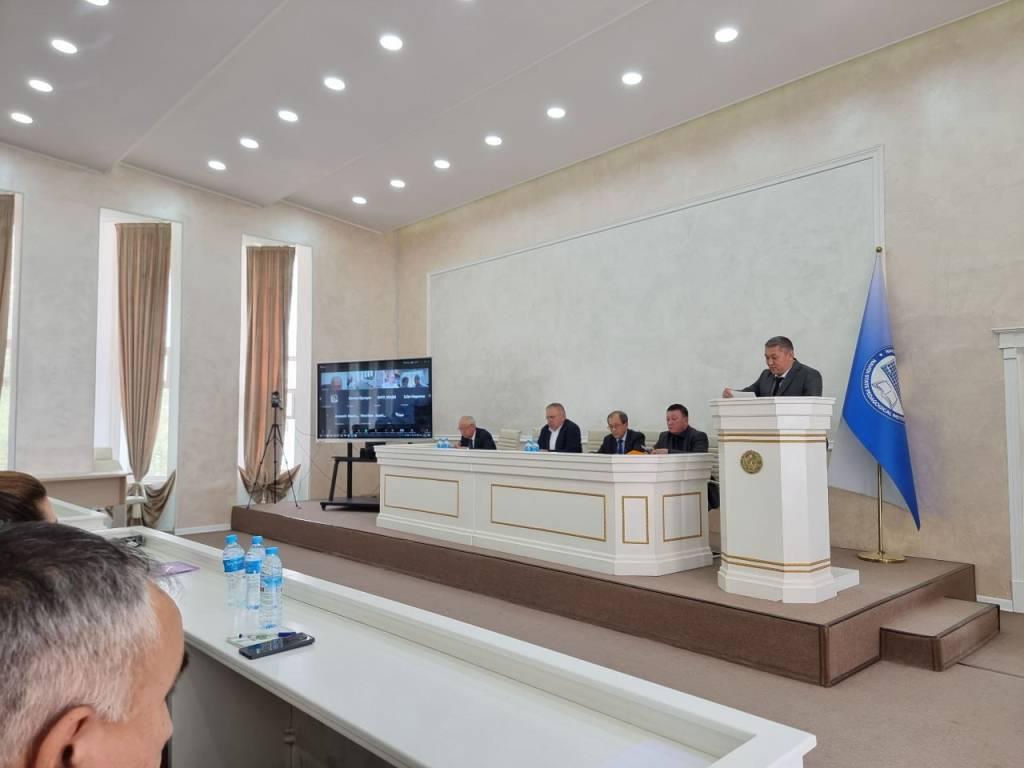
1. In collaboration with Abai Kazakh National Pedagogical University, NSU jointly held the 1st International Conference for Achieving the Sustainability Development Goals. The conference was held at Abai Kazakh National Pedagogical University in Almaty, Kazakhistan. The event brought together the latest thoughts, and data gathered related to implementing the SDGs. In addition, a total of more than 120 research articles in different topics that cover most of the SDGs. It has been attended by a group of distinguished personalities from different nationalities, including Turkish, Uzbek and others, in addition to postgraduate students, mostly those who are NSU graduates. In this context, this conference has highlighted the most important and recent advancements between reality and expectations to achieve sustainable development goals because of their role in establishing and developing strategic development visions, given the changes the world is going through at various levels, especially the political, economic, and social one. We attempt to discuss this according to a set of core issues including the role of the public sector, private sector, and local and international organizations in achieving the goals of sustainable development and their benefits in the light of United Nations Vision 2030
Number of university sustainability program(s) with international collaborations
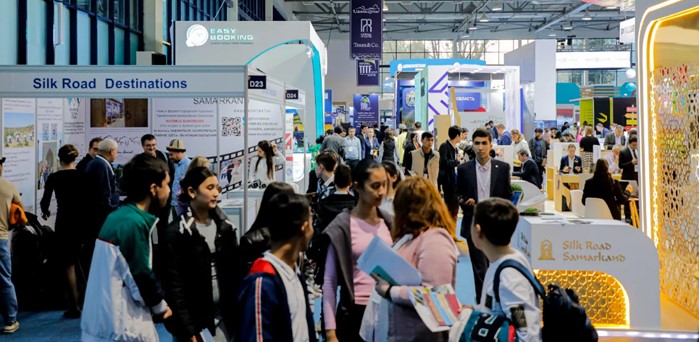
1. Our university actively participates in the international forum called “Tourism on the Silk Road” as a regional coordinator. “Tourism on the Silk Road” is a large-scale event that gathers leading experts in the field of tourism and sustainable development institutions around the world. Presentations of tourism opportunities of dozens of countries, meetings and business negotiations of hundreds of experts, as well as international conferences on the main issues of sustainable development are held here.
The participants of this year’s fair are waiting for:
– Presentations of tourist opportunities of dozens of countries;
-Strategies of developing sustainability in the region
– Meetings and business negotiations;
– International conferences.
Participation in the Tashkent International Tourism Fair “Silk Road Tourism” provides the following advantages for tourism professionals and travel enthusiasts:
– Signing business agreements;
– Finding new partners on sustainability;
– Support for industrial development;
– Promotion of tourist products;
– Acquaintance with new trends;
– Conducting marketing research.
2. Navoi State University regularly hosts events that are organized by the “Innoweek.uz” community. The International Week of Innovative Ideas — “Innoweek.uz” has been held since 2018 to accelerate innovative development in Uzbekistan, widespread implementation of innovations and technologies in all sectors of the economy, development of human capital, science, and innovation. Over the past period, the event has developed under the leadership of President Shavkat Mirziyoyev and has become the largest platform for demonstrating advanced innovations and expanding global cooperation in Central Asia. The event annually brings together leading domestic and international companies, investors, diplomats, entrepreneurs, scientists, startups, technology experts, and representatives of government agencies. It is also an ideal platform for meetings with leaders of the innovation sector, cooperation, and communication with investment experts.
International Scientific and Practical Conference “Modern Digital Technologies in Education: Problems and Prospects”
Organizer: Faculty of Mathematics and Informatics, Navoiy State University
Type of Activity: International academic collaboration and data exchange on digital transformation in education
Participating Institutions: Universities and research centers from Malaysia, Russia, Belarus, Poland, and leading higher education institutions of Uzbekistan
The Faculty of Mathematics and Informatics of Navoiy State University organized an international scientific and practical conference titled “Modern Digital Technologies in Education: Problems and Prospects.”
This event reflected the university’s commitment to advancing sustainability in education and supporting the global Sustainable Development Goals, particularly Quality Education, Sustainable Industry, Innovation and Infrastructure, and Partnerships.
The conference addressed current challenges and opportunities in the digitalization of education and explored innovative, sustainable solutions to improve teaching and learning processes. Specialists from Malaysia, Russia, Belarus, Poland, and major Uzbek universities shared data, research results, and practical approaches to integrating technology in higher education.
Presentations covered a range of topics, including:
Methods of creating virtual laboratory environments for distance learning;
The role of programming and data technologies in strengthening students’ professional readiness;
Pedagogical software tools and their efficiency in sustainable education;
Mobile and biometric technologies as instruments for accessibility and inclusion in education;
The use of digital innovations to bridge educational inequalities and expand lifelong learning.
Through these discussions, the conference facilitated meaningful international collaboration on the collection and analysis of educational data that support sustainable progress in the field of digital learning. It fostered partnerships and knowledge sharing that contribute to the realization of global sustainability goals in education and technology.
4. Participation of Navoi State University Youth in the III International Congress on Tourism and Ecology
Organizer: International Congress of Tourism and Ecology
Participants: Delegates from 15 countries, including youth representatives from Navoiy State University
Event Theme: “Youth are the Creators of Our Future”
Type of Activity: International collaboration and youth participation in sustainability initiatives
As part of its ongoing efforts to promote sustainable development, environmental protection, and youth leadership, Navoiy State University participated in the III International Congress of Tourism and Ecology, held under the inspiring slogan “Youth are the Creators of Our Future.”
The congress brought together representatives from 15 countries, creating an international platform for discussion on sustainable tourism, ecological innovation, and global youth cooperation. The event reflected the goals of Quality Education, Decent Work and Economic Growth, Life on Land, and Partnerships for the Goals by encouraging the exchange of ideas and practical solutions for balancing tourism with environmental conservation.
During the congress, youth leader Akmal Zakirov of Navoiy State University was elected Chairman of the Council of Tourism Ambassadors of the Navoiy Region, while Kamronbek Sultanmuradov, a third-year History student and youth coordinator, was chosen as Chairman of the Movement of Young Environmentalists in Navoiy Region. Their leadership roles highlight the university’s contribution to building youth capacity for sustainability and to international cooperation on ecological development.
Additionally, under the guidance of Zafar Bekboyev, Coordinator of the Faculty of Arts, the Navoiy team participated in the event “We Are One Team – Hello Conference”, earning a special certificate and souvenirs for their active participation and teamwork.
5. International Scientific-Practical Conference “Prospects for the Development of Science, Technology, Natural Sciences, and Digital Education — ASEDU-IV 2024”
Date: 2024
Organizer: Navoiy State University
Partner Institutions: Leading universities of Uzbekistan and the Russian Federation, including St. Petersburg National Research University and the Krasnoyarsk Science and Technology Center
Type of Activity: International academic collaboration and scientific data exchange
Navoi State University hosted the International Scientific-Practical Conference “ASEDU-IV 2024: Prospects for the Development of Science, Technology, Natural Sciences, and Digital Education.”
The conference was conducted under the leadership of the university’s rector and brought together researchers, professors, teachers, and doctoral students from Navoi State University, Termiz State University, and other higher education institutions across Uzbekistan.
In addition, representatives of several prestigious universities and research centers from the Russian Federation participated online, including Anastasia Pivovarova, Lecturer at St. Petersburg National Research University, and Igor Kovalyov, Director of the Krasnoyarsk Science and Technology Center.
Through presentations and discussions, participants shared findings on topics such as:
Sustainable integration of digital technologies in education;
The role of science and innovation in addressing environmental and technological challenges;
Development of new pedagogical methods supporting digital transformation;
Collaborative approaches to research in the natural and technical sciences.
The conference provided a collaborative platform for the exchange of international research data, experience, and innovations, contributing to global efforts in advancing science, technology, and sustainable education.
6. Our university rector attended the second forum of rectors of Uzbekistan-Tajikistan higher education institutions. About 100 heads of higher education institutions, heads of ministries and departments of the two countries participated in the conference on the theme “2030: Priority directions for the Sustainable development of higher education, sustainability and science in Uzbekistan and Tajikistan”. At the forum, integration between the higher education institutions of our country and the universities of Tajikistan, exchange of professors and teachers, organization of mutual learning processes, improvement of the quality of education, introduction of digital technologies in education, issues of professional development and development of cooperation in scientific activities were discussed. More than 20 memorandums of understanding, agreements and “Roadmaps” were signed at the end of the forum.
7. International Scientific-Practical Conference “Modern Trends in Teaching Physics in the Environment of Information and Innovative Technologies: Problems and Solutions”
Organizer: Navoiy State University
Co-organizer: International Scientific Journal “Science and Innovation”
Type of Activity: International collaboration and scientific exchange on sustainability and technological innovation in education
In pursuit of its commitment to advancing sustainable education and scientific innovation, Navoiy State University organized an international scientific-practical conference in collaboration with the “Science and Innovation” international journal under the title “Modern Trends in Teaching Physics in the Environment of Information and Innovative Technologies: Problems and Solutions.”
The conference served as an important platform to discuss the integration of modern technologies into physics education, the development of green and sustainable technologies, and the strengthening of cooperation between researchers to bridge the gap between theory and practice. Researchers, educators, and innovators examined the problems and solutions in physics education within the context of rapid digitalization and the global sustainability agenda. The sessions covered key themes such as:
Modern trends in applying scientific heritage to enhance green technologies;
Use of pedagogical and information technologies in continuous physics education;
Integrative and interdisciplinary approaches in teaching physics;
Environmental challenges and sustainable solutions;
Teaching astronomy through advanced digital technologies;
The legacy of Mirzo Ulugbek’s Astronomy School and its historical role in the development of science.
The conference fostered scientific collaboration, data sharing, and methodological innovation among local and international participants, promoting the use of technology for both educational excellence and environmental sustainability.
8. International Conference “Global Issues of Primary Education Development: Problems and Research”
Organizer: Navoiy State University — Faculty of Preschool and Primary Education
Partner Institutions: Leading universities from Turkey, Japan, Korea, Republic of South Africa, Kazakhstan, Kyrgyzstan, and Tajikistan
Type of Activity: International collaboration and research conference on sustainable development in education.
As part of its continuous efforts to promote sustainable and inclusive education, Navoiy State University organized an international scientific-practical conference titled “Global Issues of Primary Education Development: Problems and Research.” The event, initiated by the Faculty of Preschool and Primary Education, served as a platform for exchanging global perspectives on improving early education systems and aligning them with the principles of sustainability and equity.
The conference featured representatives from leading universities of Uzbekistan and partner institutions from seven foreign countries — including Turkey, Japan, Korea, the Republic of South Africa, Kazakhstan, Kyrgyzstan, and Tajikistan. The university’s rector opened the event, emphasizing the global importance of strengthening the quality and accessibility of education from the earliest levels.
Discussions addressed key topics such as:
The teaching of natural sciences in primary education and sustainable STEM integration;
Comparative insights into the primary education system in Japan;
The value foundations of traditional education in different cultures;
The role of programming and digital literacy in modern learning environments;
More than 20 research presentations exploring educational equity, innovation and sustainability in early learning.
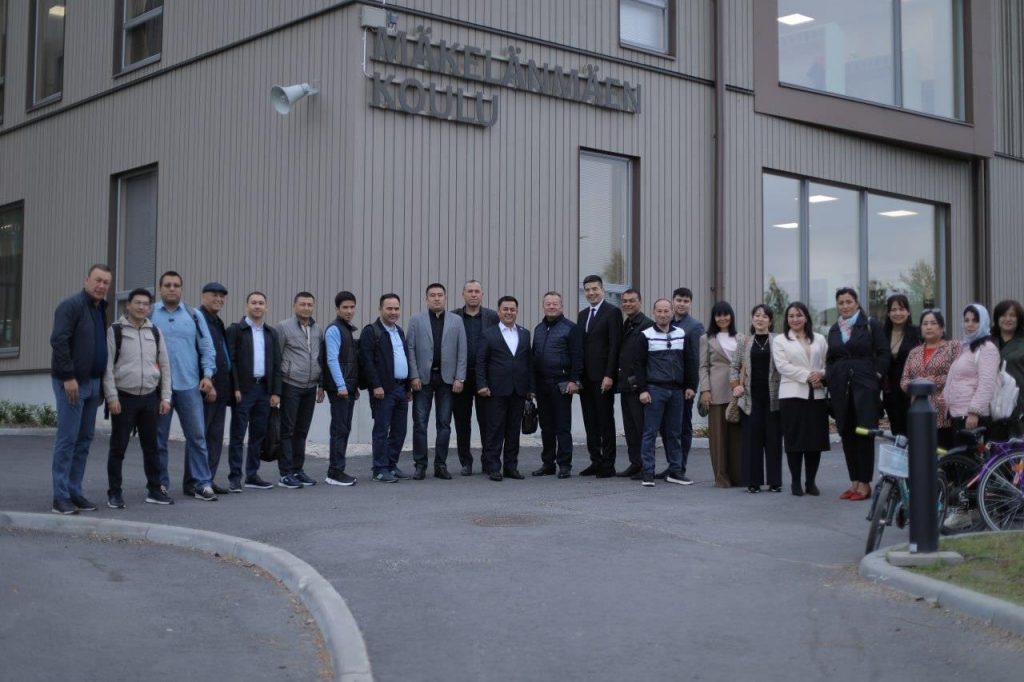
9. International Training Visit to Finland and Sweden: Studying Sustainable Education Systems and Building Global Cooperation
Navoiy State University organized an international academic training program for its faculty members in Finland and Sweden — two of the world’s leading countries in education quality and sustainability.
With the support of the Embassy of Uzbekistan in Sweden and the Honorary Consulate of Finland in Uzbekistan, 23 professors from Navoiy State University participated in intensive international training courses designed to explore the educational structures, teaching methodologies, and management systems of schools and higher education institutions in both countries.
During the seven-day program in Finland and five-day program in Sweden, participants engaged in:
-Studying the sustainable models of primary, secondary, and higher education;
-Observing inclusive and research-based teaching practices that ensure equality and lifelong learning;
-Meeting with Finnish educational experts to discuss innovative pedagogical approaches, teacher development, and technology integration;
10. International Scientific-Practical Conference “Relationship of Different Systematic Languages in the Era of Globalization”
Navoiy State University organized the international scientific-practical conference “Relationship of Different Systematic Languages in the Era of Globalization.”
The event provided a platform for researchers, professors, and linguists to discuss comparative linguistics, literary studies, intercultural communication, and sustainable language development in an increasingly interconnected world. The conference supported the Sustainable Development Goals, particularly Quality Education, Peace, Justice and Strong Institutions, Reduced Inequalities by fostering dialogue that promotes mutual understanding and inclusive access to linguistic knowledge.
Influential scholars from Turkey, Azerbaijan, Kazakhstan, and Tajikistan joined online with lectures and presentations, including:
Professor Güneş Nuray (Turkey)
Professors Almaz Ülvi Binnətova and Alizadeh Asgarli (Azerbaijan)
Professor Zhanna Botaboeva (Kazakhstan)
Scientists B. Fayzulloyev and T. Turdiboyev (Tajikistan)
These lectures addressed issues such as comparative linguistics, cross-literary relations (including Uzbek-Azerbaijani literary connections), cultural exchange, and the role of multilingualism in achieving sustainable and peaceful international communication. Researchers presented new analytical frameworks and interpretations that bridge theory and practice, contributing to the global academic dialogue on language and identity in the era of globalization.
11. In celebration of the International Day of Psychologists, Samarkand State Medical University hosted a Republican Scientific-Practical Seminar under the theme “Psychologists of the Present Time: Problems and Solutions.”
The seminar brought together over 160 psychologists and academic experts from higher education institutions across Uzbekistan to discuss current issues, innovative practices, and sustainable approaches in the field of psychology.
Dilfuza Abduraimova, Psychologist of Navoiy State University, actively participated in the seminar, contributing to professional discussions and exchanging experiences on improving mental health services and psychological education. Her participation was recognized by her colleagues as an important contribution to advancing national expertise in psychology and well-being.
The seminar focused on addressing the modern challenges in psychological support systems, the integration of sustainable mental health education, and the promotion of mental well-being as a core component of social development. Discussions emphasized collaboration between universities and health institutions in strengthening research, capacity building, and public awareness in this field.
More than 800 scientific articles from about 100 higher educational institutions were submitted to the conference.
12. On 28 October, NSU’s Faculty of History organized an educational session titled “Uzbekistan and the Global Community” for second-year students. The session introduced students to Uzbekistan’s international role, foreign policy priorities, cooperation with neighboring countries, and engagement with global organizations such as the UN, SCO, and OIC. Students discussed global challenges, sustainable development, and international education opportunities. This initiative demonstrates NSU’s commitment to fostering international awareness, global collaboration, and youth engagement in issues of regional and global significance.
14. During the recent meeting of the Council of Heads of State of the Commonwealth of Independent States (CIS), the President of the Republic of Uzbekistan, Shavkat Mirziyoyev, proposed several initiatives aimed at strengthening multilateral cooperation, enhancing regional economic stability, and promoting collaboration in education, science, innovation, and youth development. Key initiatives included:
Organizing the CIS Innovation Industry Forum within the “INNOPROM” exhibition in Tashkent, promoting regional technological cooperation and innovation.
Developing a multilateral action plan in digitalization and artificial intelligence, while expanding cooperation in science, education, and culture.
Preparing a new interstate agreement on the mutual recognition of diplomas, and hosting the CIS Youth Forum in Khiva, including the establishment of a Youth Innovation Laboratory to support cross-border youth projects and innovation initiatives.
Navoi State University (NSU) actively participates in these national initiatives by:
Contributing to discussions and programs on academic mobility and international recognition of qualifications, in line with the proposed diploma recognition agreement.
Engaging in research and innovation projects related to digitalization, AI, and applied sciences, collaborating with regional and international partners.
Encouraging youth participation in innovation and sustainability projects, including preparation for competitions, forums, and collaborative initiatives that align with the planned Youth Innovation Laboratory.
Through these activities, NSU demonstrates its commitment to international cooperation, knowledge exchange, and youth development, supporting Uzbekistan’s broader efforts in multilateral partnerships and regional integration.
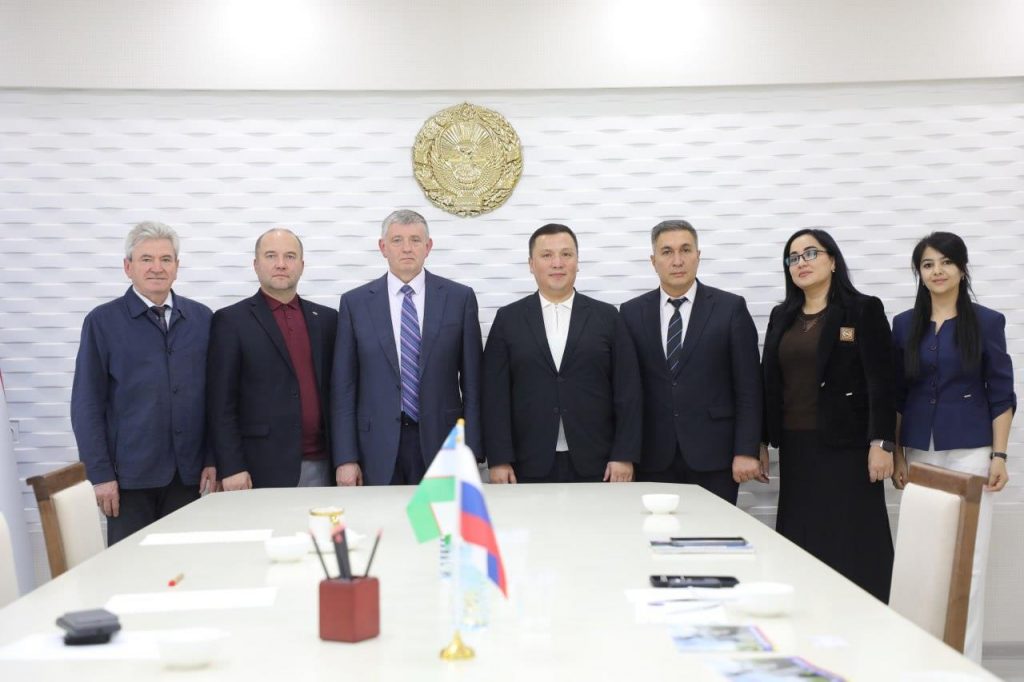
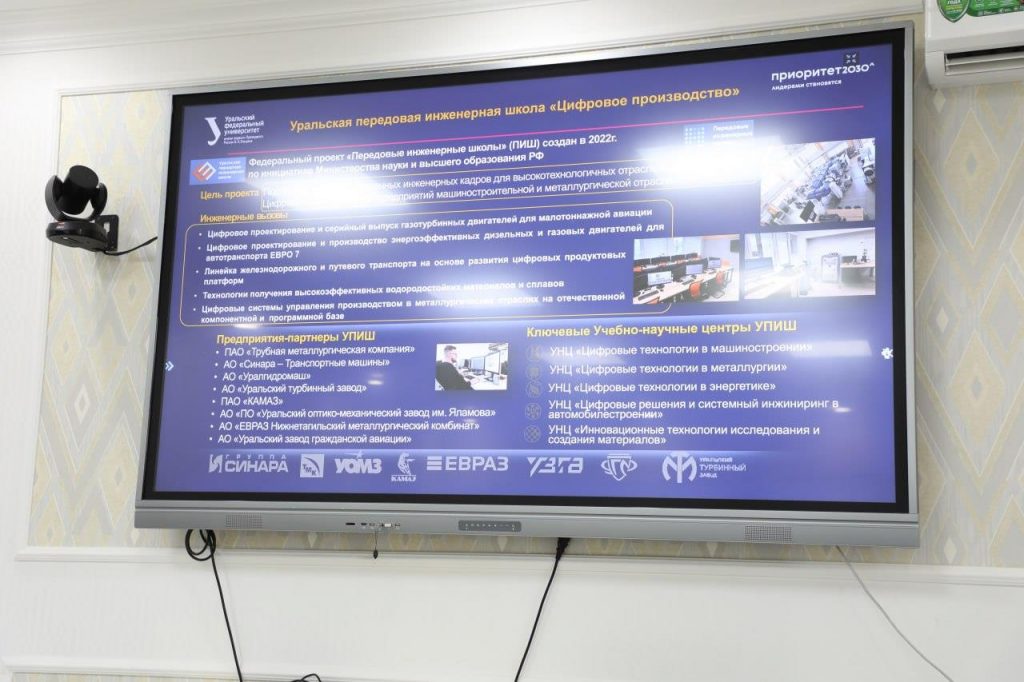
15. A delegation from Ural Federal University, led by President Viktor Koksharov, paid an official visit to Navoi State University. During the meeting, both universities discussed establishing a comprehensive cooperation framework, including joint projects, academic and research activities, and conferences. Agreements were reached to implement programs for student and faculty mobility, enhancing academic exchange between the institutions, and research for sustainability. This visit represents a significant step toward strengthening strategic partnerships and fostering international research collaboration, benefiting both universities.
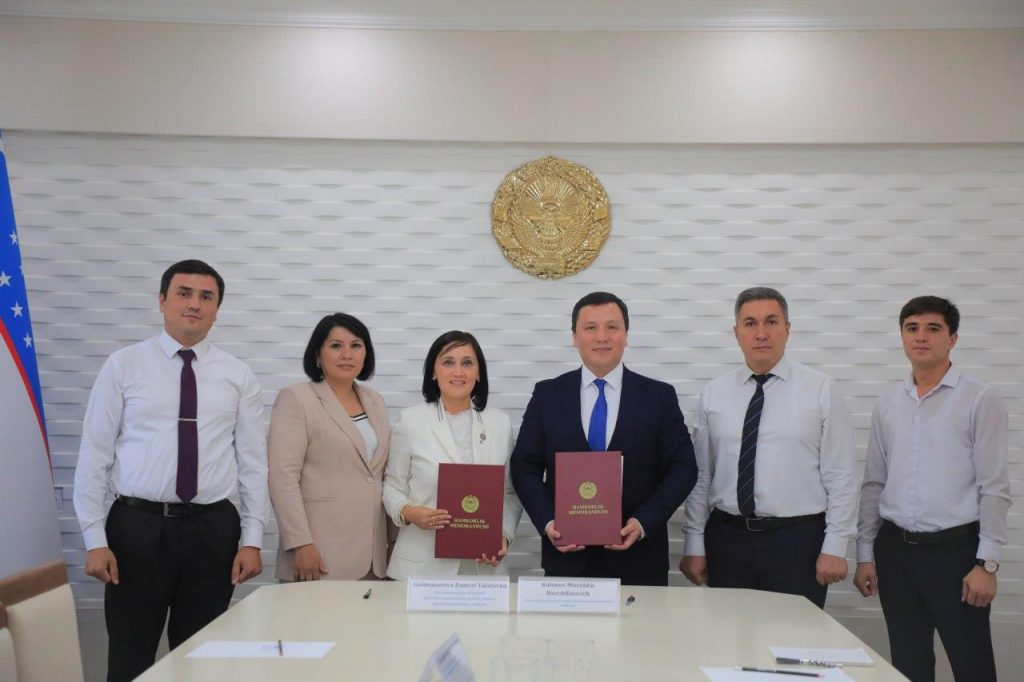
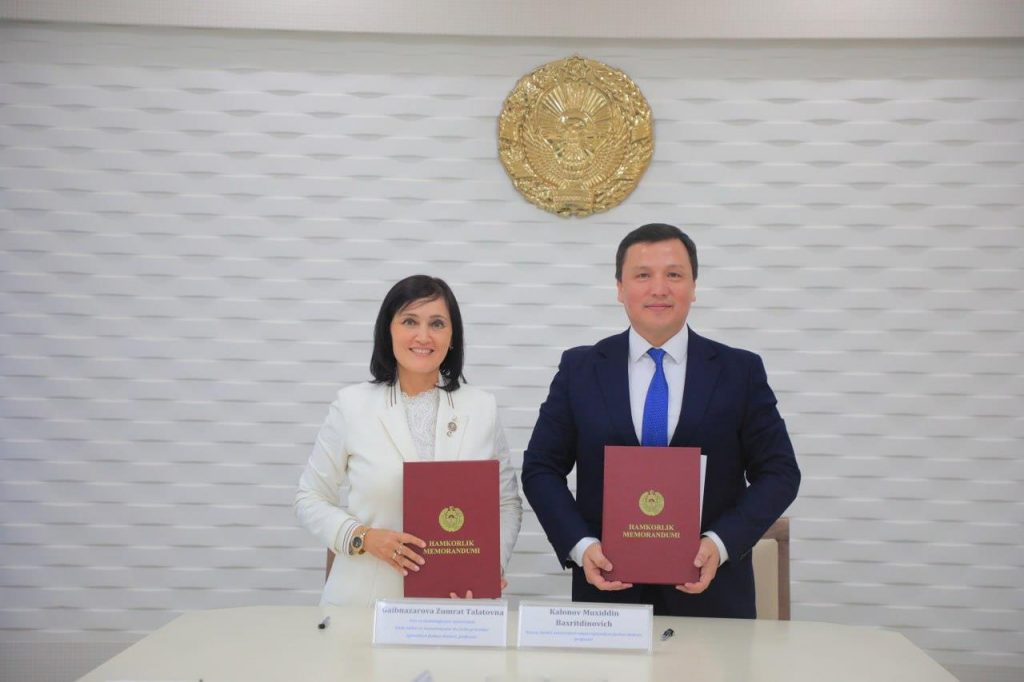
16. Navoi State University has established collaborative relations with the University of Science and Technology, achieving a number of promising agreements.
During the meeting, vice-rectors, faculty members, and researchers from both universities discussed key areas of cooperation. These included organizing conferences, seminars, and roundtable discussions, developing research activities, and enhancing the potential of young scientists and students.
The signed memorandum provides a framework for mutually beneficial collaboration, strengthening research and academic links in areas such as economics, pedagogy, digital and green technologies, and artificial intelligence.
This partnership supports the implementation of innovative initiatives and creates new opportunities for youth development, reflecting NSU’s commitment to fostering knowledge exchange, international collaboration, and sustainable development practices.
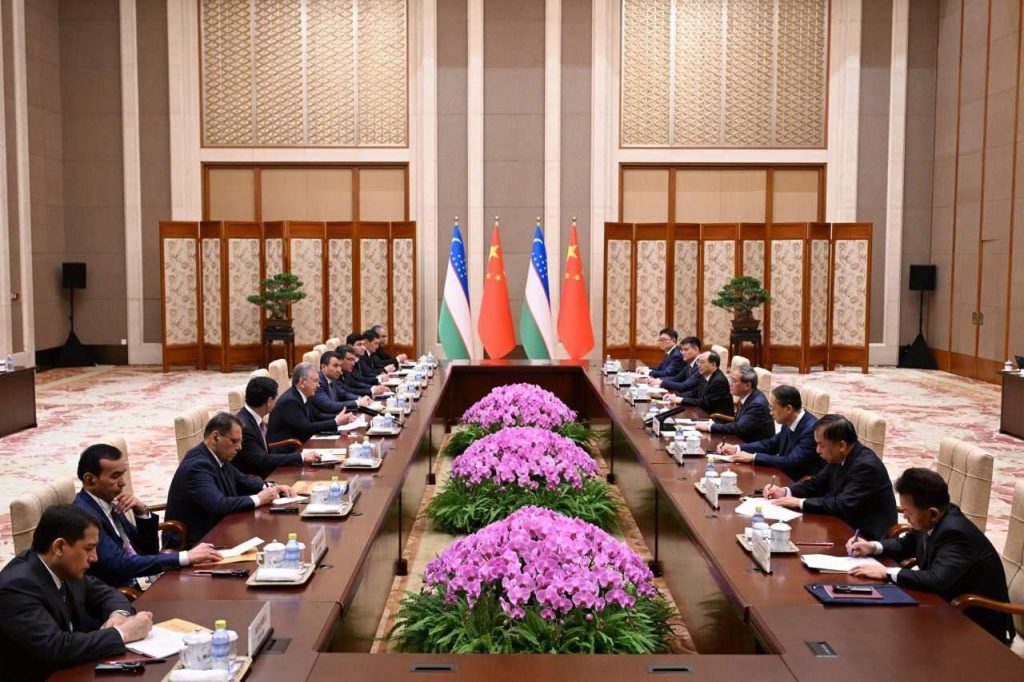
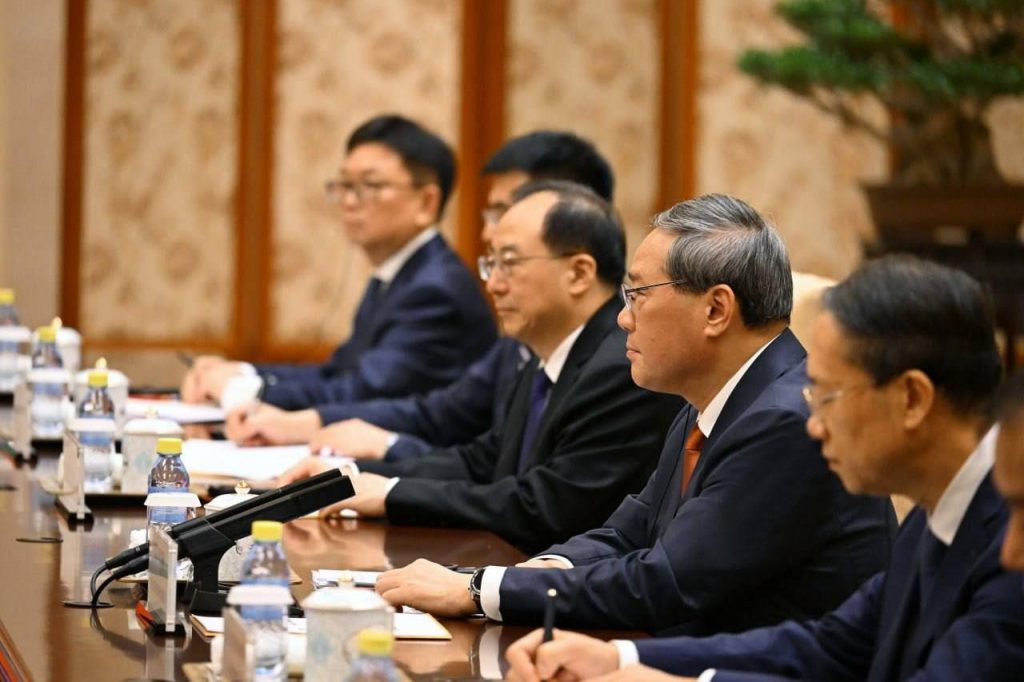
17. During an official visit to Beijing on 2 September, the President of the Republic of Uzbekistan, Shavkat Mirziyoyev, met with Premier Li Xiang of the State Council of the People’s Republic of China. The discussion focused on multifaceted practical cooperation between the two countries, including the expansion of collaboration in the education sector.
In 2025, Uzbekistan will host its second Education Forum, and “Lu Ban Workshops” will be established across the country to develop modern professional skills. Additionally, plans were proposed to establish the Uzbekistan–China Artificial Intelligence Development Center, aimed at promoting research and supporting innovative and sustainable startup projects.
Navoi State University actively aligns with these initiatives by participating in programs that enhance academic collaboration, research in emerging technologies, and the development of innovation-driven opportunities for students and faculty. These efforts demonstrate NSU’s commitment to international partnerships, knowledge exchange, and the advancement of applied research and innovation.
18. Navoi State University – Advancing International Cooperation
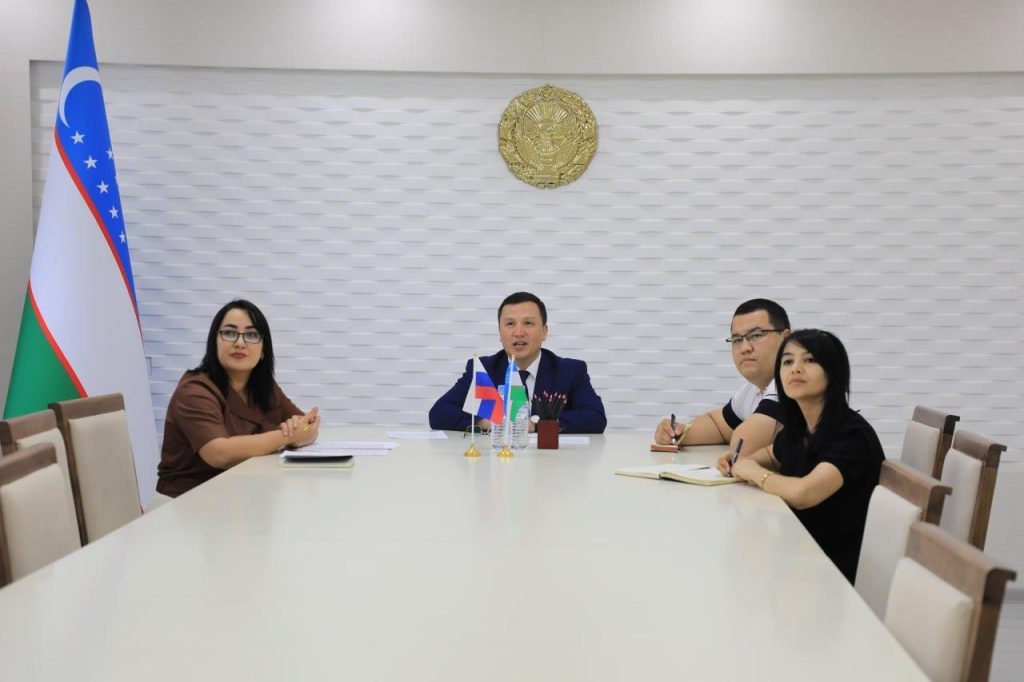
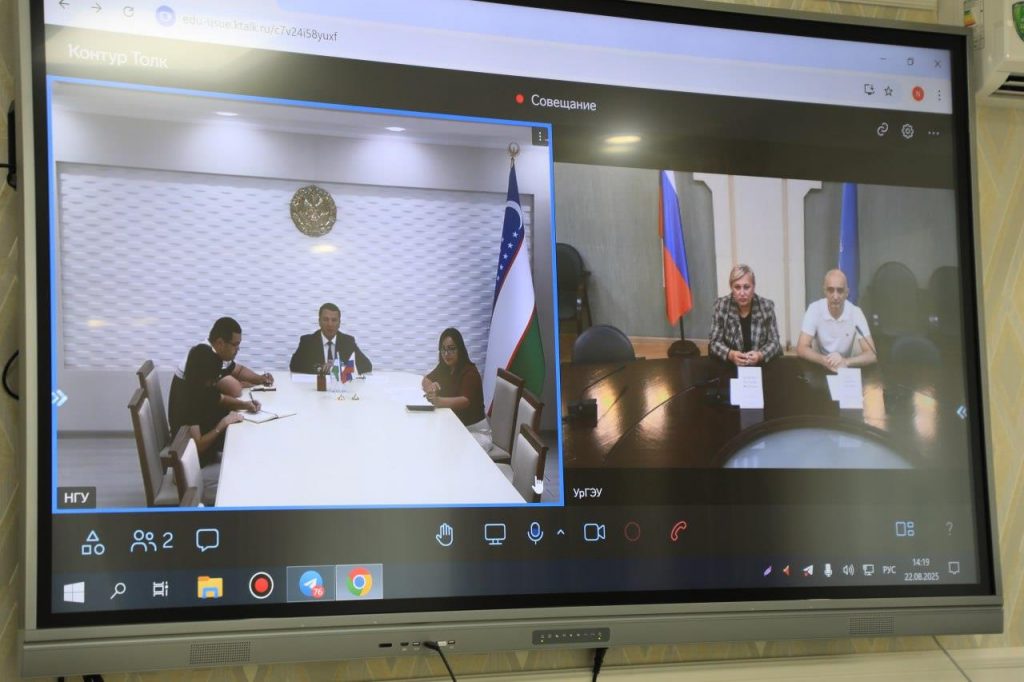
Navoiy State University (NSU) held an online bilateral meeting with Ural State University of Economics (USUE) of the Russian Federation. The meeting was chaired by Professor B.M. Kalonov, Rector of NSU, and attended by representatives of both universities’ leadership and academic departments.
The discussion focused on strengthening bilateral collaboration and developing new avenues for educational and research partnerships that align with the United Nations Sustainable Development Goals (SDGs) — particularly Quality Education, Decent Work and Economic Growth, and Partnerships for the Goals.
During the meeting, both institutions reached several key agreements, including:
The introduction of a 2+2 joint educational program in the field of economics, allowing students to complete part of their studies at each university;
The implementation of student exchange and academic mobility programs, enabling cultural and professional exchange;
The development of joint research initiatives and co-authored publications in sustainable economic and educational development;
The strengthening of bilateral institutional relations for long-term cooperation in teaching, research, and innovation.
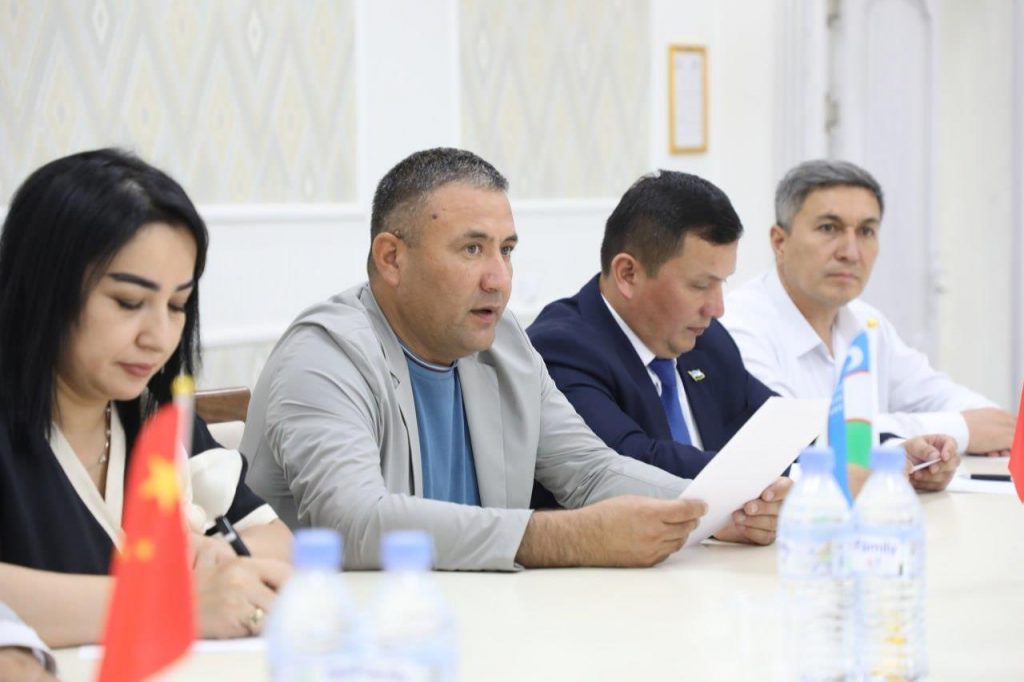
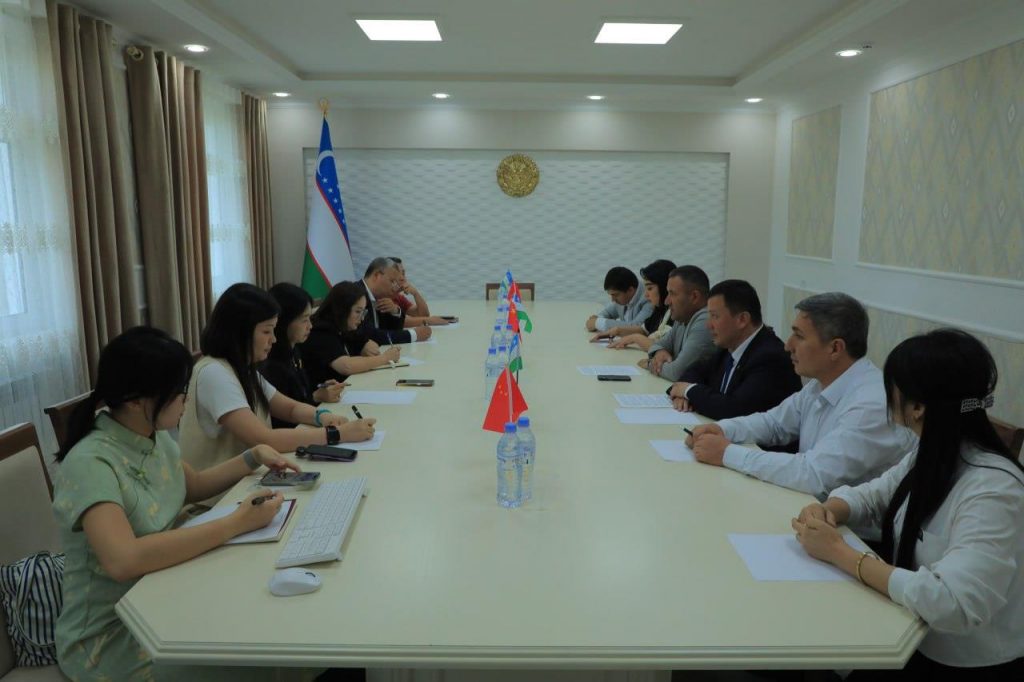
19. A formal bilateral meeting was held with Chinese partners, attended by Navoi City Mayor Dilmurod Ergashev and Navoi State University Rector, Professor Muxiddin Kalonov. The discussions focused on strengthening cooperation in education and research, establishing student and faculty exchange programs, and implementing innovation-driven projects.
Key proposals included:
Establishing a “Geely – Navoi” STEM School to advance science, technology, engineering, and mathematics education.
Developing Navoiy as Geely’s Central Asian export hub.
Creating a Geely Technopark and Innovation School, alongside a Green Industry and Environmental Technology Park.
Collaborating on electric vehicle technologies and sustainable industrial solutions.
The visiting delegation welcomed these proposals and expressed readiness to provide support.
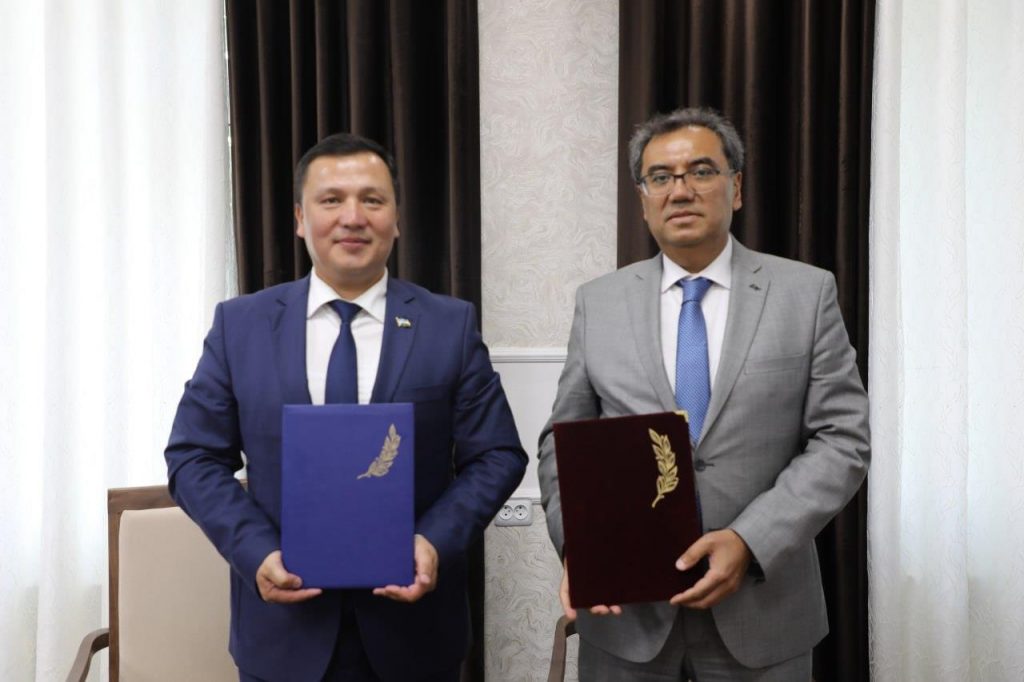
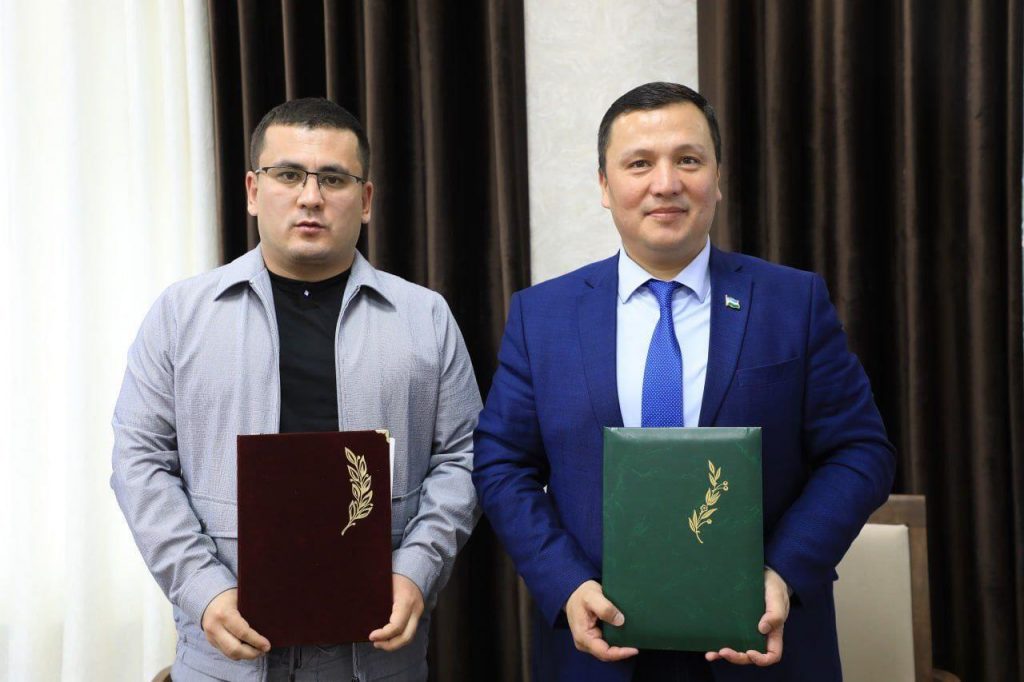
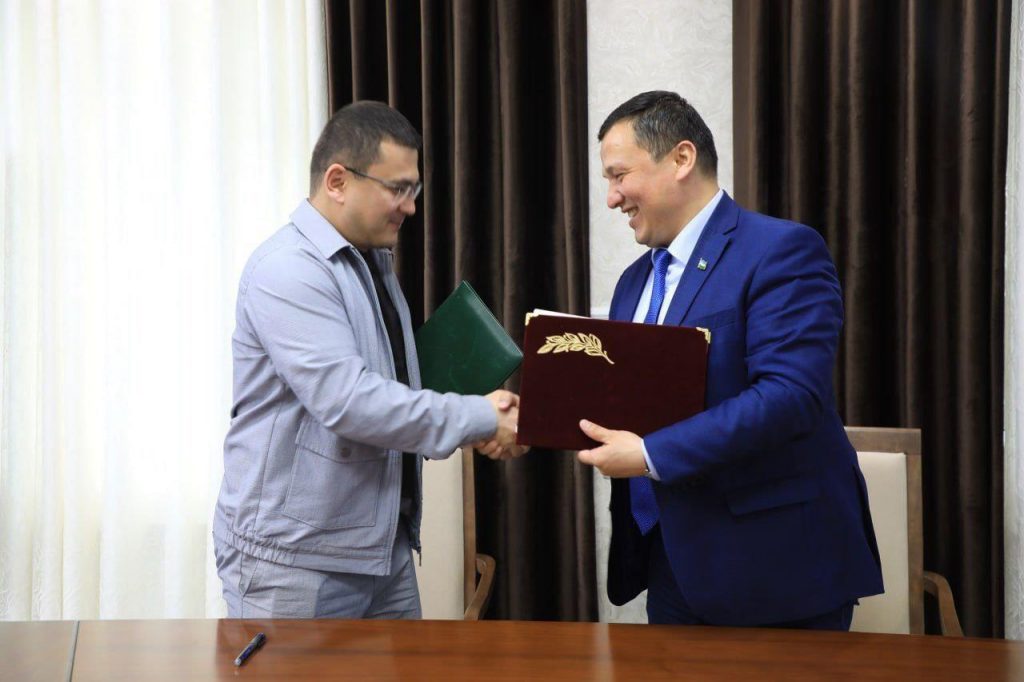
20. A memorandum of cooperation was signed between Navoi State University (NSU) and Bukhara State University to further strengthen higher education, enhance teaching quality, develop research activities, and support youth potential. The memorandum was officially signed by NSU Rector, Professor Muxiddin Kalonov, and Bukhara State University Rector, Professor Obidjon Hamidov.
Under the memorandum, both universities will collaborate on:
Strengthening a supportive academic and ethical environment.
Promoting youth engagement and sustainable development programs.
Enhancing teaching quality and efficiency through joint initiatives.
Developing joint research programs and applying for international grants.
Organizing conferences, symposiums, exhibitions, and practical training opportunities.
Sharing educational and methodological resources to improve learning outcomes.
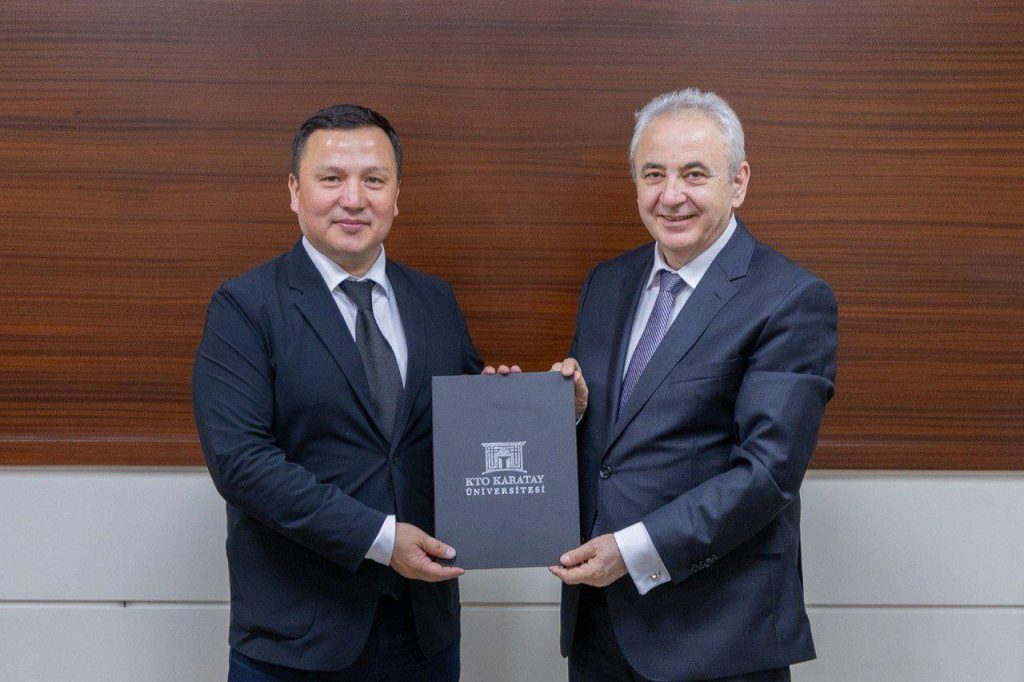
21. At Karatay University in Turkey, a memorandum of cooperation was signed with Navoi State University (NSU) to strengthen bilateral collaboration and deepen academic, research, and innovation ties.
The agreement covers multiple areas, including:
Implementation of joint research projects and international academic initiatives.
Faculty and student exchange programs to promote knowledge sharing and global exposure.
Organization of scientific conferences, workshops, and collaborative events.
Exchange of best practices and innovative approaches in higher education.
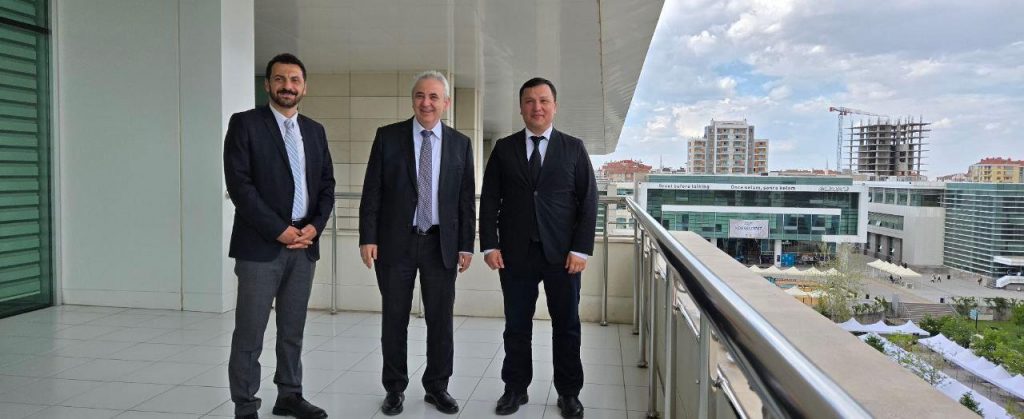
During the event, the university leaders — NSU Rector Professor Muxiddin Kalonov and Karatay University Rector Dr. Fayzi Rifat Ortach — discussed collaboration prospects in a friendly and constructive environment. Both parties emphasized the importance of introducing innovative approaches in higher education, supporting research and development initiatives, and enhancing international competitiveness.
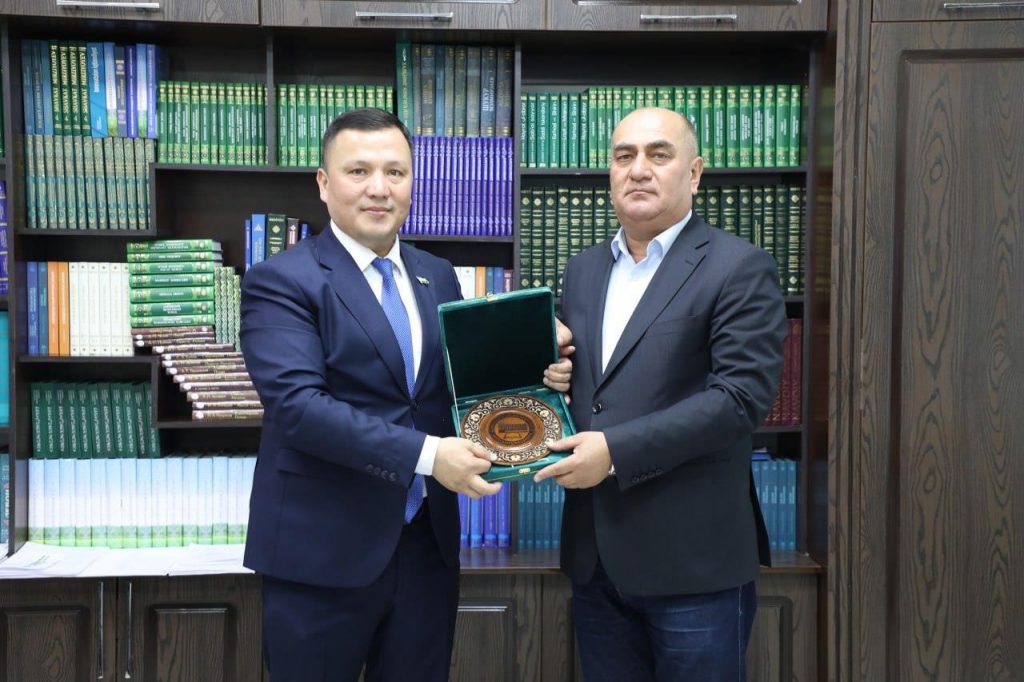
22. A collaboration meeting was held between Navoi State University (NSU) Rector, Professor Muxiddin Kalonov, and the Head of the Navoi Regional Agency for Poverty Reduction and Employment, Lutfullo Khayrullayev.
During the meeting, both parties discussed the importance of joint efforts in the context of Uzbekistan’s broad socio-economic reforms, focusing on:
Supporting vulnerable populations through targeted social programs.
Creating new employment opportunities and reducing unemployment.
Enhancing youth employment and engagement, providing pathways for students and graduates to enter the labor market.
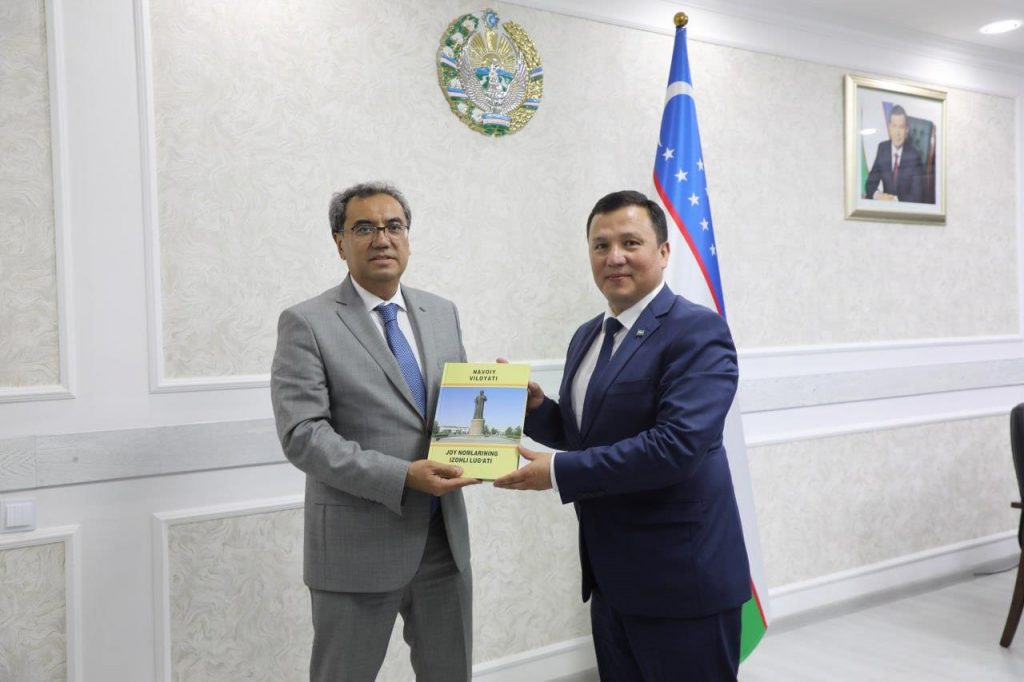
The meeting concluded with an exchange of commemorative gifts, symbolizing mutual trust and the beginning of long-term cooperation.
23. A significant step in university-industry collaboration took place in Navoi region with the signing of a memorandum of understanding between Navoi State University (NSU) Rector, Professor Muxiddin Kalonov, and Chairman of the Board of “Navoiyazot” JSC, Farrukh Samadov.
The memorandum aims to strengthen mutually beneficial cooperation, advance the integration of science and industry, and enhance the preparation of young specialists through modernized and dual education programs.
Under the agreement, collaboration will focus on:
Organizing industrial internships for students at “Navoiyazot” JSC facilities.
Implementing joint research projects, innovative programs, and professional development initiatives to enhance workforce potential.
Establishing department branches at production facilities to foster applied learning.
Providing faculty and research staff with opportunities for hands-on experience in industrial settings.
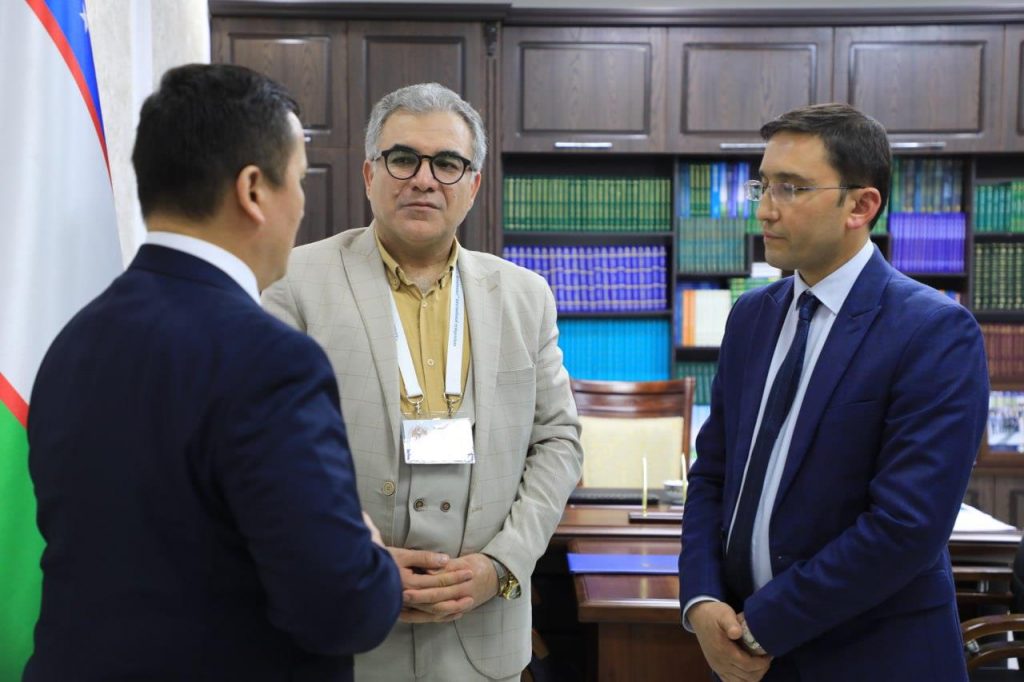
24. Navoi State University (NSU) established scientific and practical collaboration with Imam Khomeini International University (IKIU, Iran) during the traditional international symposium “Alisher Navoi and the Eastern Renaissance”. Scholars from IKIU visited NSU and participated in departmental meetings, where NSU Rector, Professor Muxiddin Kalonov, held constructive discussions emphasizing bilateral ties, strategic partnership, and higher education collaboration.
Following the meetings, NSU and IKIU signed a memorandum of understanding to further strengthen academic and research cooperation.
Key collaboration areas include:
Scientific and methodological conferences, promoting knowledge sharing.
Student and faculty exchange programs, fostering cross-cultural learning and international experience.
Experience exchange and implementation of modern academic programs, improving teaching quality and applied research.
Collaboration in humanities, engineering, green energy development, natural sciences, social sciences, and other disciplines.