SEWAGE DISPOSAL
Navoi State University considers the safe collection, discharge, and treatment of sewage water as an essential component of its campus environmental management system. The university’s sewage disposal practices are organized in accordance with the Law of the Republic of Uzbekistan “On Drinking Water Supply and Wastewater Disposal” No. O‘RQ-784, adopted on 22 July 2022, http://lex.uz//docs/-4291729 which establishes legal requirements for wastewater discharge, transportation through sewerage networks, treatment, disinfection, and compliance with ecological and sanitary standards. Based on this national legal framework, Navoi State University has developed and implemented internal procedures and “Waste Management Policy”(link) for sewage disposal management across its academic buildings, dormitories, canteens, laboratories, and other campus facilities. These internal regulations define the proper use of sewerage infrastructure, regular monitoring of wastewater discharge points, timely maintenance of sanitary facilities, and coordination with responsible utility and maintenance services.
The sewage disposal system at Navoi State University is supervised by the university’s responsible The Facilities and Maintenance department, which oversees the functioning of water supply and wastewater infrastructure, identifies technical problems, and organizes preventive repair works when necessary. Through these measures, the university aims to maintain a hygienic, safe, and environmentally responsible campus environment. This approach demonstrates NSU’s commitment not only to legal compliance, but also to sustainable water management, pollution prevention, and the improvement of campus environmental performance in line with UI GreenMetric requirements.
1. NSU’s Compliance with National Sewage Disposal Laws
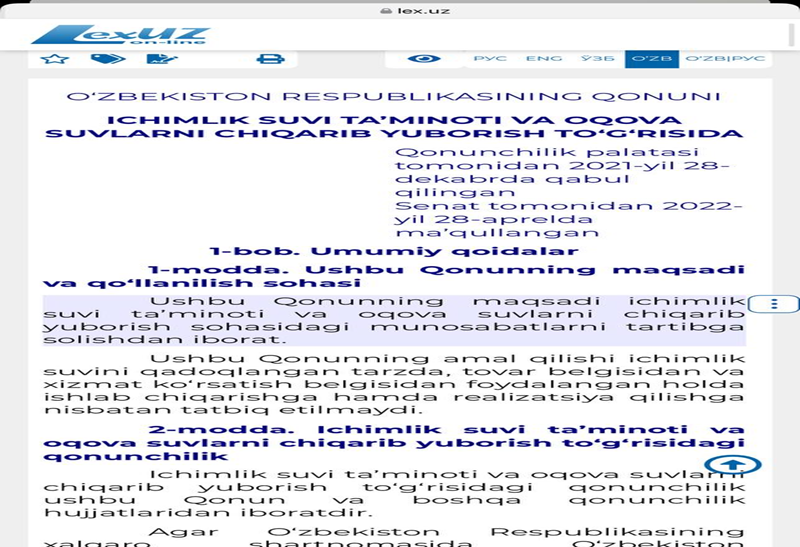
In Uzbekistan, sewage disposal is regulated through national legislation designed to protect water resources, public health, and the environment from pollution. The key legal framework is the Law of the Republic of Uzbekistan “On Drinking Water Supply and Wastewater Disposal” No. O‘RQ-784 of 22 July 2022 http://lex.uz//uz/docs/-6126864 , which sets requirements for wastewater collection, discharge, transportation, treatment, and disinfection through designated sewerage systems. The law also defines the responsibilities of institutions and service providers in preventing excessive contamination and ensuring compliance with ecological and sanitary standards.
In accordance with this law, Navoi State University has established a controlled sewage disposal system across its campus. Wastewater from educational buildings, administrative premises, dormitories, laboratories, canteens, and other facilities is discharged only through designated sewerage infrastructure and managed under the supervision of responsible maintenance units. The university carries out regular inspection and maintenance of sanitary facilities and sewerage networks to prevent leakages, blockages, and uncontrolled wastewater discharge. When required, NSU cooperates with “Issiqlik manbai” (https://navim.uz) to ensure that sewage-related activities meet national sanitary, technical, and environmental standards.
2. Sewage Disposal System at NSU
Navoi State University’s sewage disposal system is carefully planned and maintained in collaboration with the local engineering company “Issiqlik manbai” (https://navim.uz). The system is designed to efficiently manage the volume of wastewater generated across campus. It features a dual-pipe layout that separates greywater (from sinks and showers) from blackwater (from toilets), enabling more effective and eco-conscious treatment processes. “Issiqlik manbai” also conducts routine maintenance, including inspections to detect leaks, blockages, or system wear, and schedules regular pump-outs of septic systems and holding tanks to avoid overflow or contamination, ensuring long-term system reliability and sanitation.
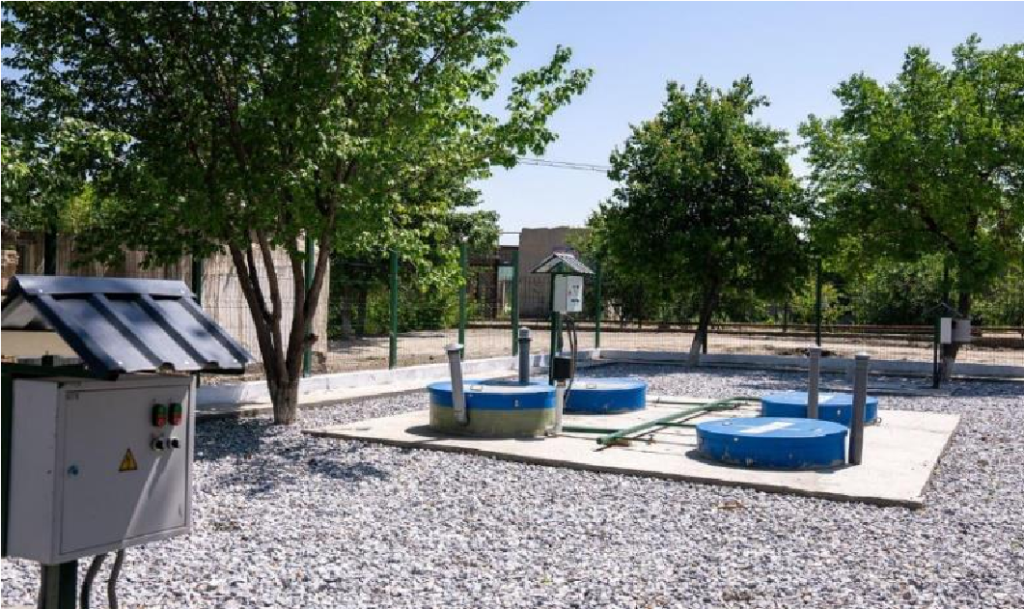
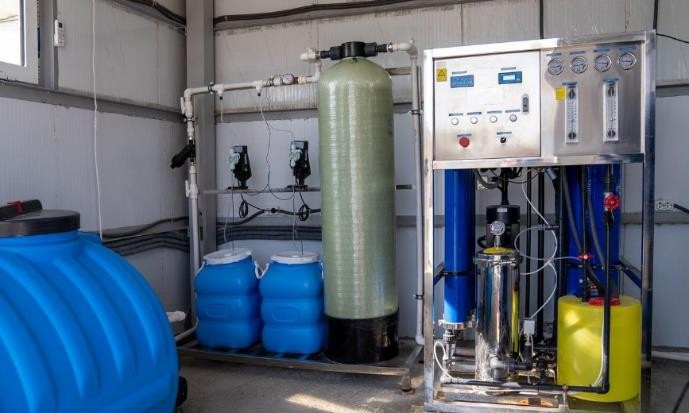
Navoi State University’s sewage disposal system is carefully planned and maintained in collaboration with the local engineering company “Issiqlik manbai” (https://navim.uz). The system is designed to efficiently manage the volume of wastewater generated across campus. It features a dual-pipe layout that separates greywater (from sinks and showers) from blackwater (from toilets), enabling more effective and eco-conscious treatment processes. “Issiqlik manbai” also conducts routine maintenance, including inspections to detect leaks, blockages, or system wear, and schedules regular pump-outs of septic systems and holding tanks to avoid overflow or contamination, ensuring long-term system reliability and sanitation.
3. Pipeline Monitoring and Maintenance in Collaboration with Issiqlik manbai LLC
The monitoring and maintenance of the internal sewage and pipeline infrastructure at Navoi State University are carried out in close cooperation with “Issiqlik manbai” LLC. This collaboration ensures the continuous technical reliability, safety, and efficiency of the university’s wastewater conveyance system.
“Issiqlik manbai” LLC is responsible for the regular inspection and technical assessment of pipeline conditions across the campus. These inspections are conducted systematically to identify potential issues such as leakages, corrosion, blockages, pressure irregularities, or structural wear within the sewage network. Advanced diagnostic approaches, combined with routine visual checks, allow early detection of faults before they develop into critical failures.
In addition to monitoring, the company implements preventive maintenance strategies aimed at extending the lifespan of the pipeline system. This includes scheduled cleaning of pipes, removal of accumulated sediments, and ensuring unobstructed wastewater flow. Where necessary, damaged or outdated pipeline sections are promptly repaired or replaced to maintain system integrity and prevent environmental contamination.
Furthermore, emergency response measures are established within this partnership, allowing rapid intervention in case of unexpected pipeline failures or system disruptions. This minimizes service interruptions and reduces potential risks to public health and the environment.
Through this structured and proactive collaboration, Navoi State University ensures that its pipeline infrastructure remains efficient, resilient, and aligned with modern environmental and engineering standards.
4. Wastewater Treatment & Irrigation Reuse Research Facility
This facility functions as a key component of the university’s research infrastructure, where students from the Natural and Exact Sciences faculties engage in hands-on scientific investigation and applied environmental research.
Within this research site, wastewater transported through pipeline systems is collected in a centralized unit and undergoes controlled treatment processes. Through systematic management and purification stages, the wastewater is transformed into a reusable resource suitable for irrigation. This not only reduces environmental pollution but also ensures efficient utilization of water resources.
The treated water is then redirected to support irrigation needs, contributing to greener landscapes and sustainable campus operations. At the same time, the facility serves as a living laboratory, enabling students to explore real-world challenges in water management, environmental protection, and sustainable engineering practices.
By integrating research, education, and practical implementation, this initiative highlights the university’s commitment to sustainability, innovation, and responsible resource management.
Transforming wastewater into opportunity—where research creates real environmental impact.
5. Sewage Disposal Awareness Program
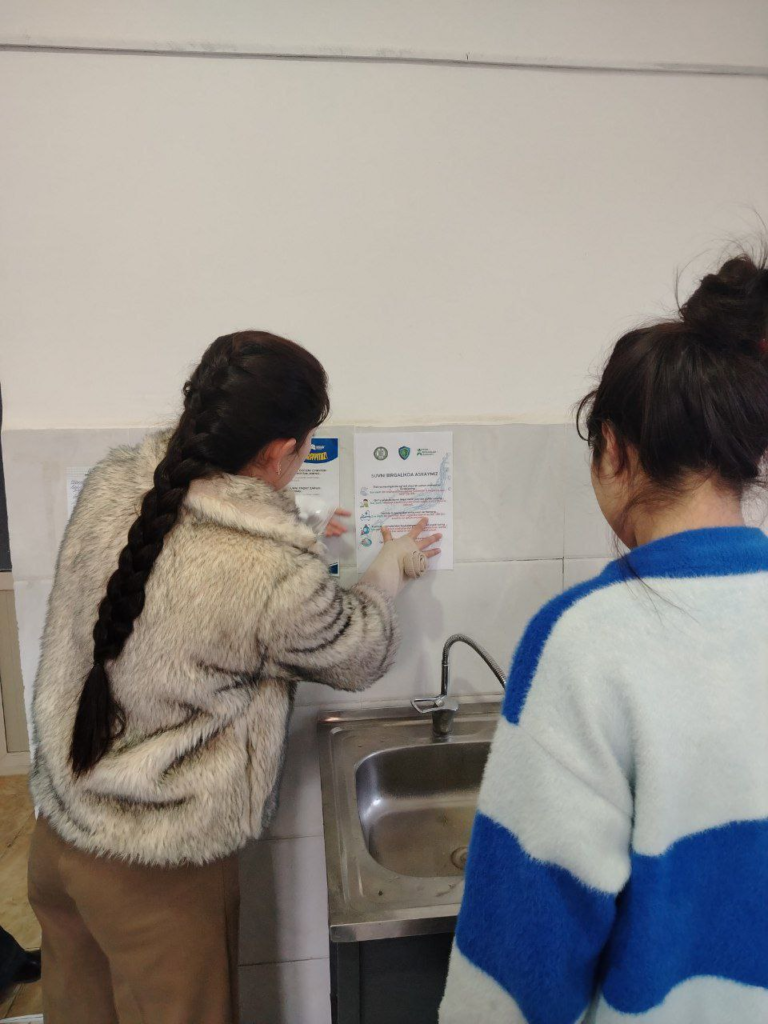
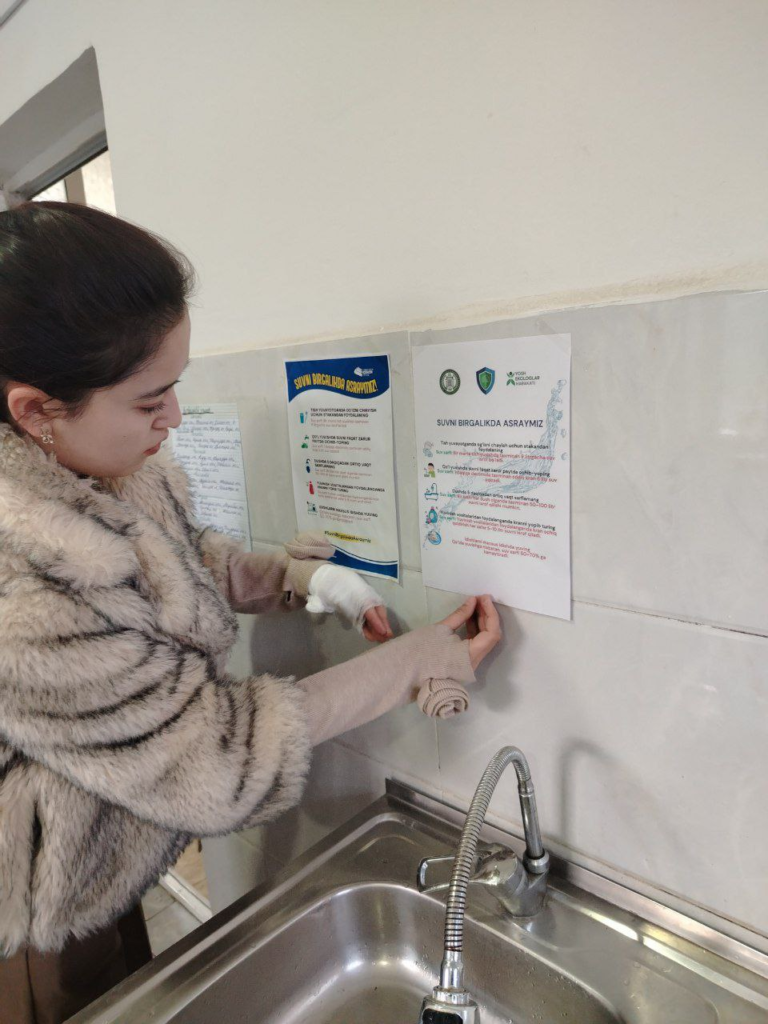
Navoi State University actively promotes sustainable sewage disposal practices through educational and awareness initiatives aimed at reducing wastewater generation and environmental pollution. In cooperation with Yosh ekologlar harakati, an awareness campaign titled “Let’s Save Water Together!” was organized at the student dormitory.
The program focused on strengthening students’ understanding of the relationship between water consumption and sewage generation, emphasizing that excessive water use leads to increased wastewater discharge and pressure on sewage systems. It also highlighted the importance of efficient water use, the global challenge of water scarcity, and individual responsibility in preventing environmental contamination.
This initiative contributes to the university’s sewage disposal strategy by promoting water-saving behavior, reducing unnecessary wastewater production, and encouraging environmentally responsible practices among students.