1. Signalization System at Navoi State University
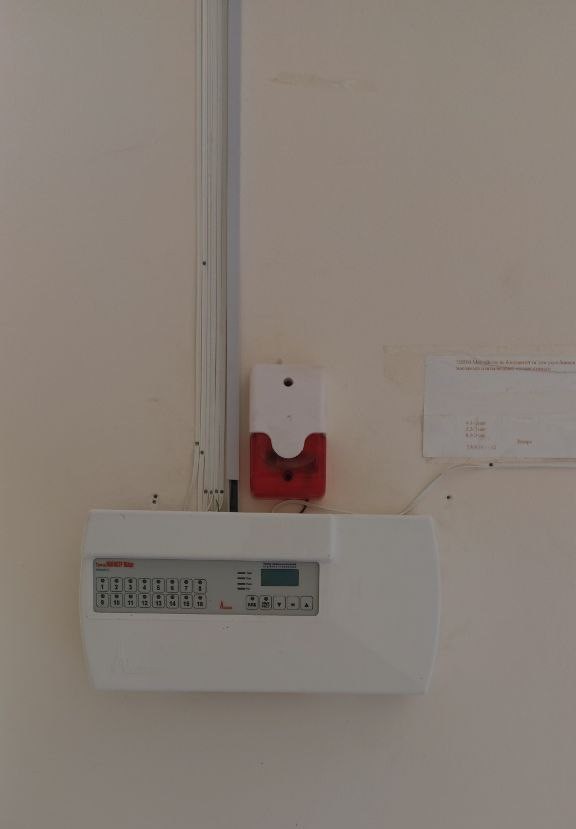
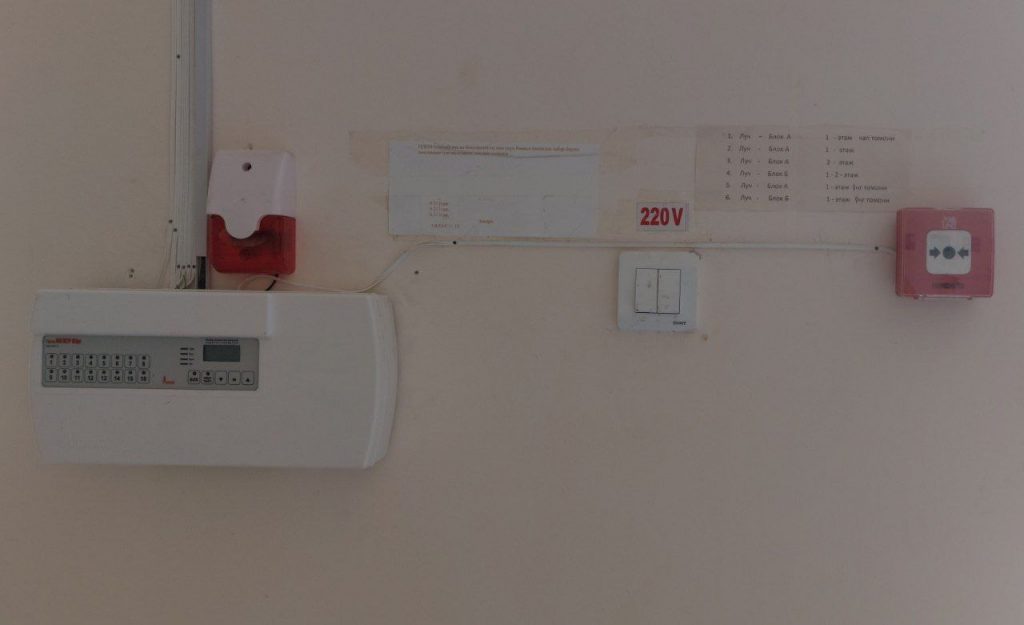
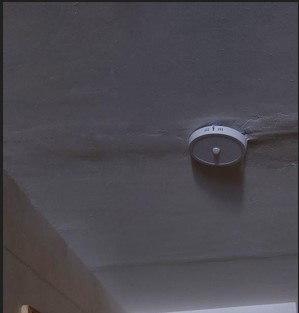
Navoi State University has implemented a modern signalization system across its academic and administrative buildings to enhance safety and operational efficiency. The system includes fire alarm detectors, emergency evacuation signals, motion sensors, and security alarms. These are strategically installed in corridors, laboratories, libraries, and server rooms to ensure rapid alerts in case of fire, intrusion, or technical emergencies. Regular maintenance and testing are conducted to ensure system reliability. The integration of these signalization systems reflects the university’s commitment to creating a safe, secure, and smart learning environment for students and staff.
2. Motion Sensors
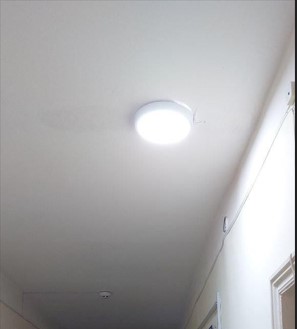
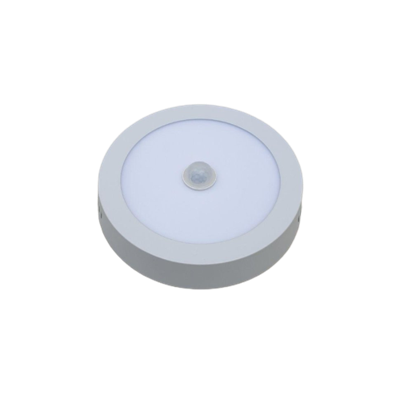
Motion sensor systems are installed in hallways, restrooms, and lecture halls to automatically control lighting. Lights turn on only when movement is detected, minimizing unnecessary energy use. This system promotes efficiency by reducing energy waste during idle periods, especially in low-traffic areas.
3. Temperature and Humidity Indicators
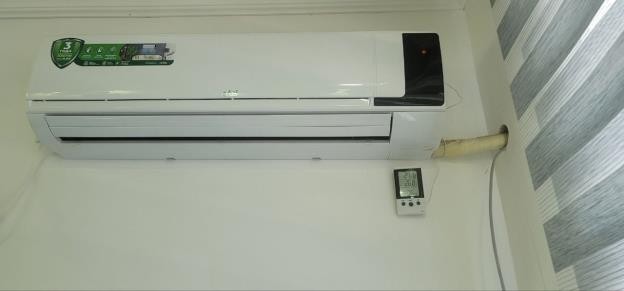
Temperature and humidity sensors are placed in classrooms and labs to monitor indoor environmental conditions. The data collected helps regulate HVAC systems, ensuring optimal comfort and minimizing energy waste. These indicators support energy efficiency by maintaining balanced indoor climates based on real-time feedback.
4. Smoke Detectors at Navoi State University
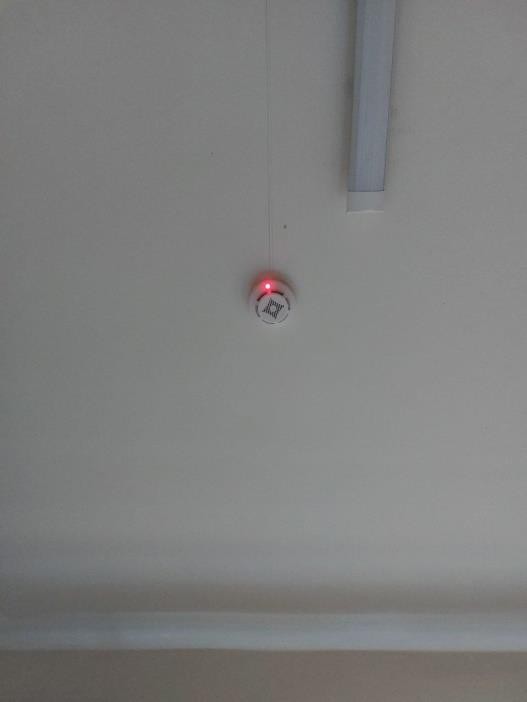
Navoi State University has installed advanced smoke detectors in all key facilities, including academic buildings, laboratories, dormitories, and administrative offices. These detectors are part of the university’s fire safety system and are designed to provide early warning in case of smoke or fire, allowing for immediate evacuation and response. The smoke detectors are regularly inspected and maintained in accordance with safety regulations. Their integration supports the university’s goal of ensuring a secure and risk-free environment for students, staff, and visitors.
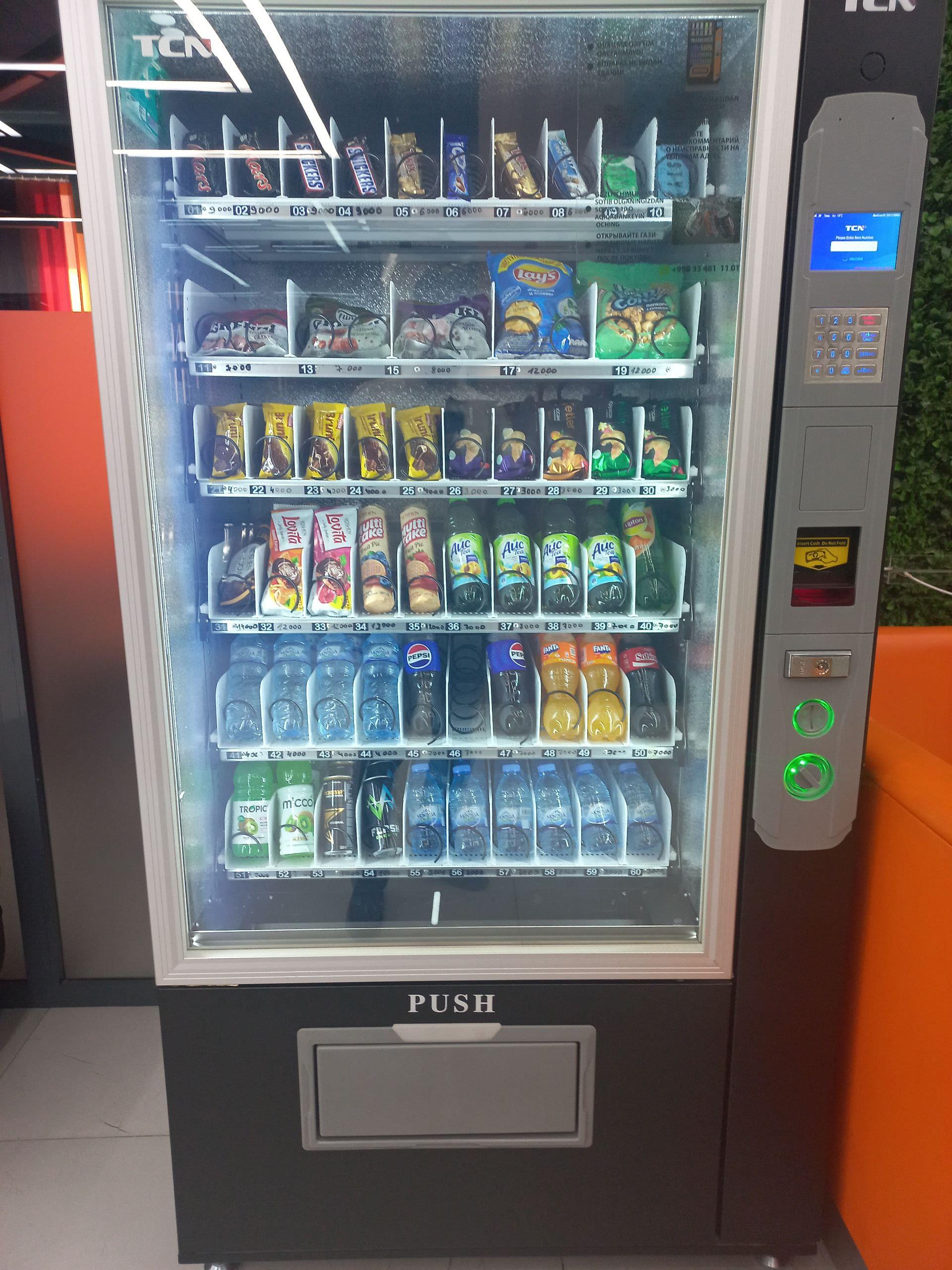
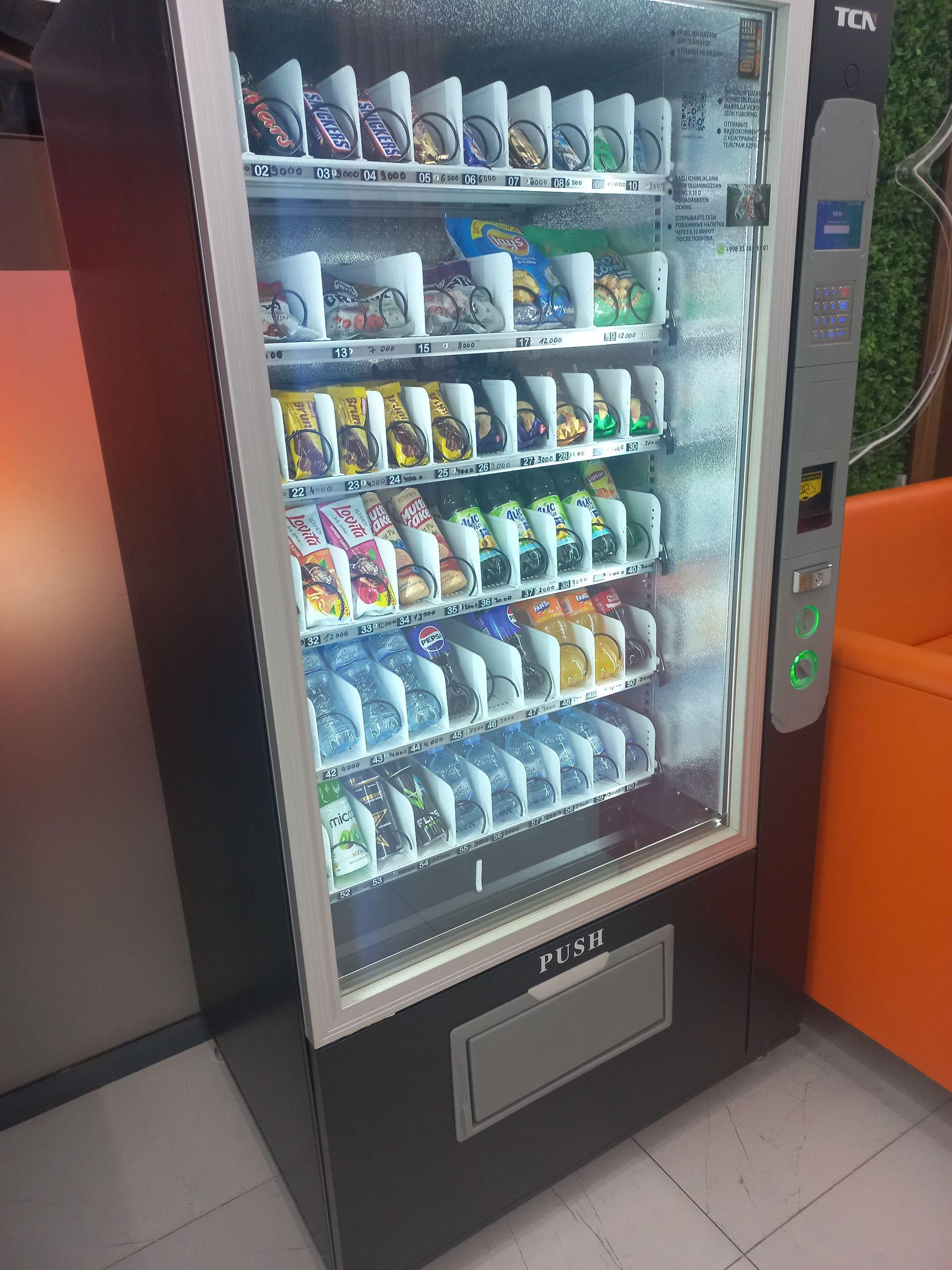
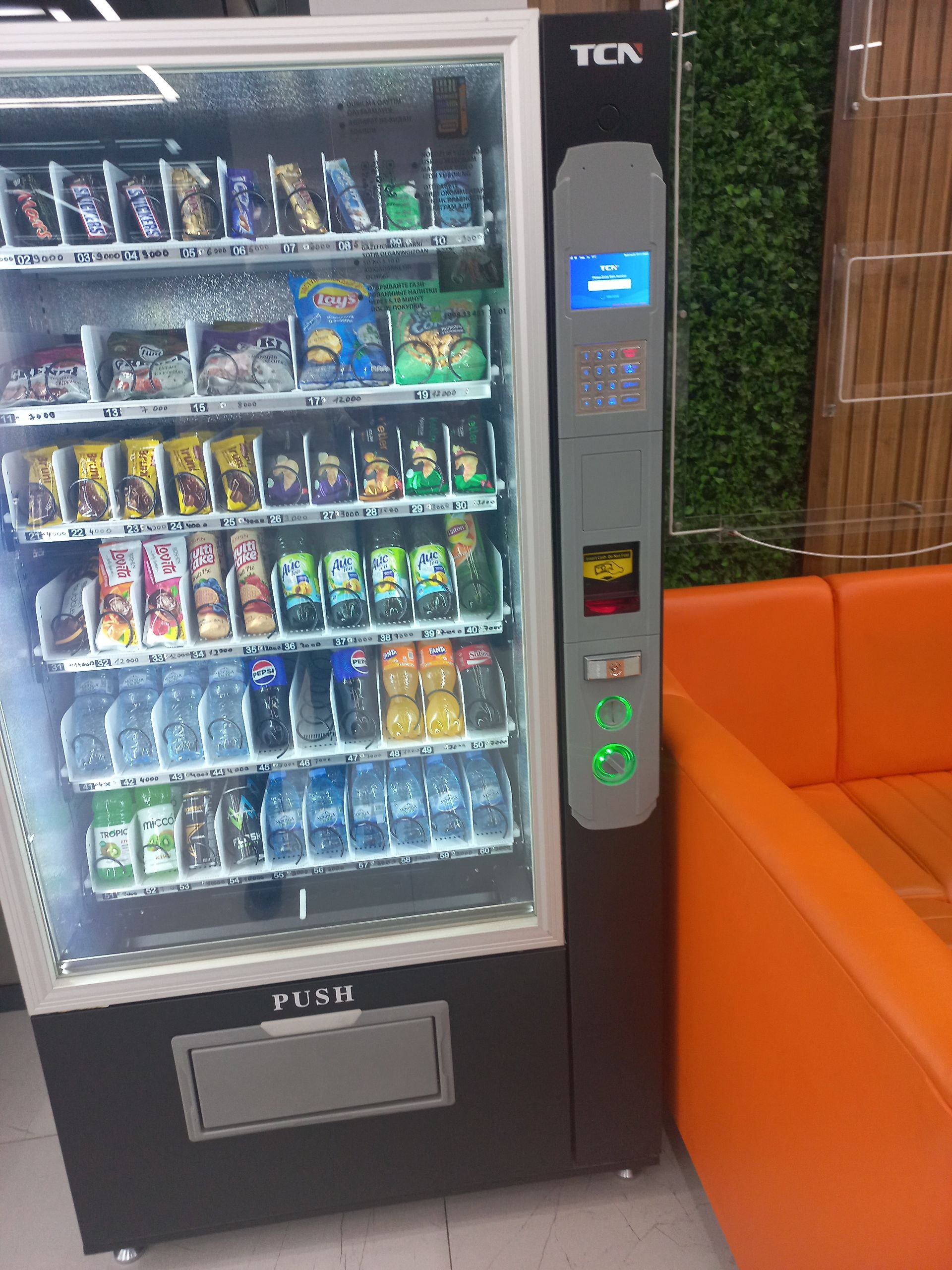
5. Vending Machines at Navoi State University
Navoi State University has installed vending machines across campus buildings to provide students and staff with convenient access to snacks, beverages, and essential supplies. These machines are located in high-traffic areas such as academic blocks, student lounges, and administrative halls. The vending machines are restocked regularly and offer both cashless and cash payment options. By promoting accessibility and time efficiency, they support student comfort and contribute to a modern campus environment.
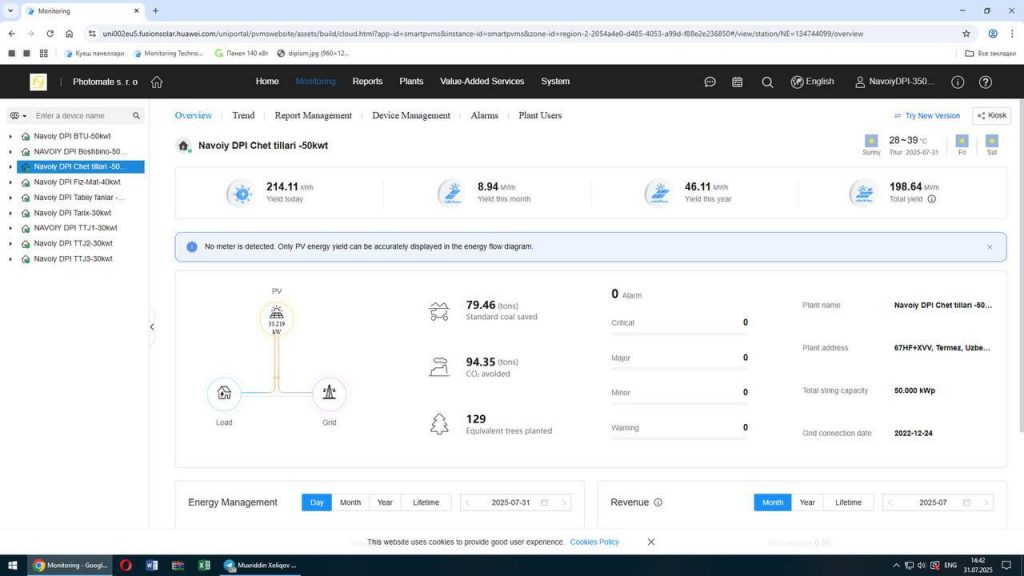
6. Smart Energy Monitoring for Sustainable Impact
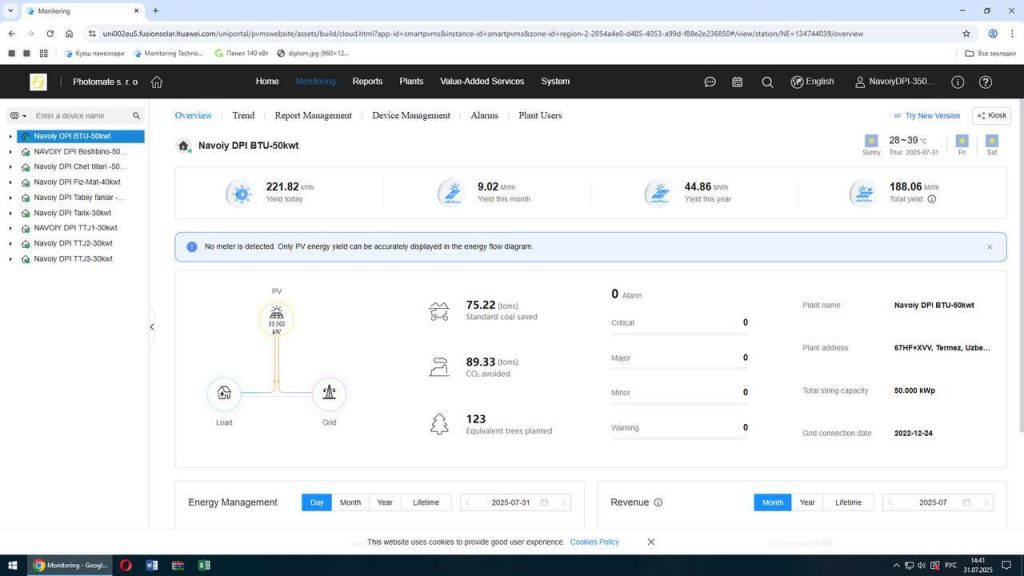
Navoi State University has adopted a smart energy management dashboard as part of its innovative energy efficiency and climate change programs. This digital platform provides real-time monitoring of solar energy production and energy flow across different university facilities. For example, the system tracks daily and annual energy yields, total CO₂ avoided, coal saved, and even the environmental impact in terms of equivalent trees planted. Such detailed insights help reduce energy waste, optimize power usage, and support data-driven decisions. The dashboard not only enhances operational efficiency but also educates students about practical applications of renewable energy and smart technology.
7. Smart Water Control with Gidrolock Technology
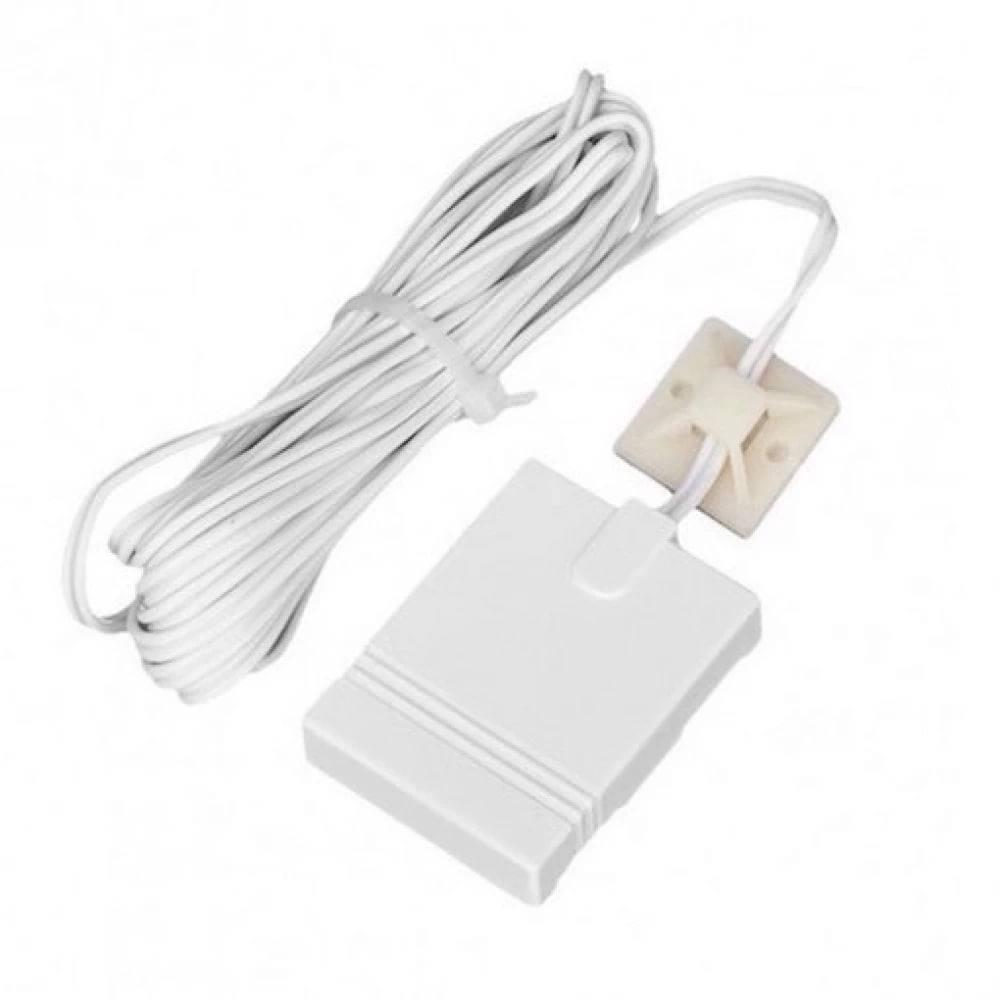
As part of its smart building strategy, Navoi State University has implemented the Gidrolock Premium Bugatti 1/2 system to enhance water efficiency and safety. This advanced leak detection system uses sensitive floor-mounted sensors and automated valves to detect and shut off water supply immediately when leaks occur. It prevents water waste, protects facilities from flood damage, and operates reliably even during power outages due to its built-in backup battery. Installed in dormitories, laboratories, and administrative buildings, the system supports the university’s broader goals of sustainability and climate resilience. It also provides students hands-on exposure to modern, eco-smart infrastructure management systems.
8. Smart Water Control with Gidrolock Technology
As part of its smart building strategy, Navoi State University has implemented the Gidrolock Premium Bugatti 1/2 system to enhance water efficiency and safety. This advanced leak detection system uses sensitive floor-mounted sensors and automated valves to detect and shut off water supply immediately when leaks occur. It prevents water waste, protects facilities from flood damage, and operates reliably even during power outages due to its built-in backup battery. Installed in dormitories, laboratories, and administrative buildings, the system supports the university’s broader goals of sustainability and climate resilience. It also provides students hands-on exposure to modern, eco-smart infrastructure management systems.