Measuring Sustainability Literacy of Students
Navoi State University (NSU) recognizes the importance of assessing students’ understanding of sustainability principles and their ability to apply these concepts in academic and social contexts.
While a formal university-wide sustainability literacy test is in the process of development, NSU currently evaluates sustainability literacy through:
active participation in SDG-related seminars, workshops, and volunteer initiatives,
project-based learning on environmental protection, health, and social responsibility,
student reflection surveys and discussions integrated into academic courses,
and monitoring of student engagement in Green Campus and SDG Outreach programs.
In 2025, NSU plans to launch an institutional Sustainability Literacy Survey to measure students’ knowledge, attitudes, and behaviors related to sustainable development. The results will be used to further improve curriculum content, student engagement, and campus sustainability initiatives.
1.”Sustainability-intelligence” competition was held at Navoi State University.
Today NSPI in Navoi held an intellectual competition “Eco-Zakovat” on the occasion of April 15 – “Ecological Knowledge Day”.
The purpose of holding this event is to provide information about indicators of sustainable development goals, promotion of environmental knowledge, formation of environmental culture, current environmental problems and the state of the environment.
2. The Youth Affairs Agency and Navoi State University recently organized a competition to support volunteer and sustainability projects across the country. Students who successfully completed all stages of the competition gathered from April 15–18 at the Zomin recreation center in Jizzakh region, where they demonstrated their knowledge and practical skills in sustainability.
3. At Navoi State University, the “My Startup Project” competition enabled students to demonstrate their knowledge and practical skills in innovation, science, and social projects, supporting the university’s efforts to measure sustainability literacy.
4. Under the nationwide “Green Space” project, students at Navoi State University actively participate in flower planting and care, promoting environmental awareness, sustainability literacy, and well-being.
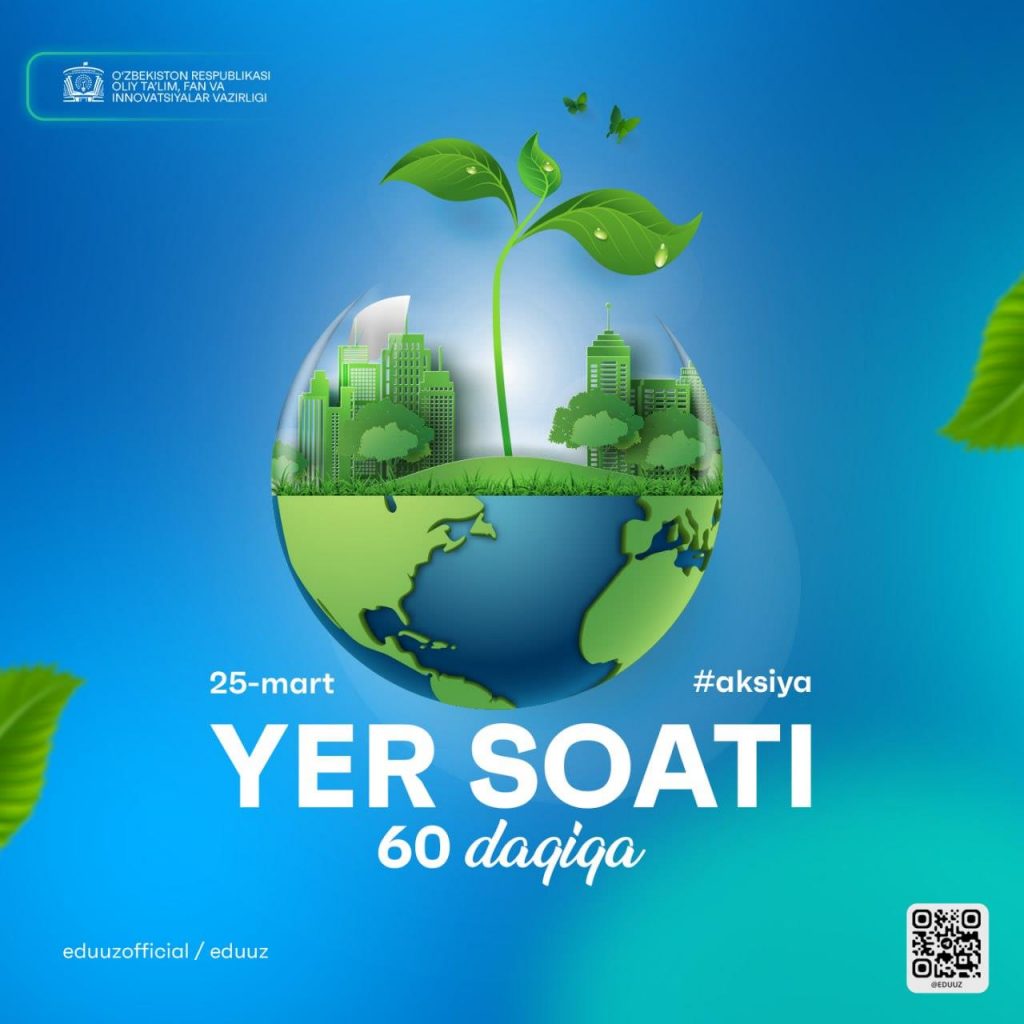
5. On March 25, students and staff at Navoi State University will participate in the “Earth Hour” campaign, turning off electrical devices for one hour to promote environmental awareness and sustainability literacy.
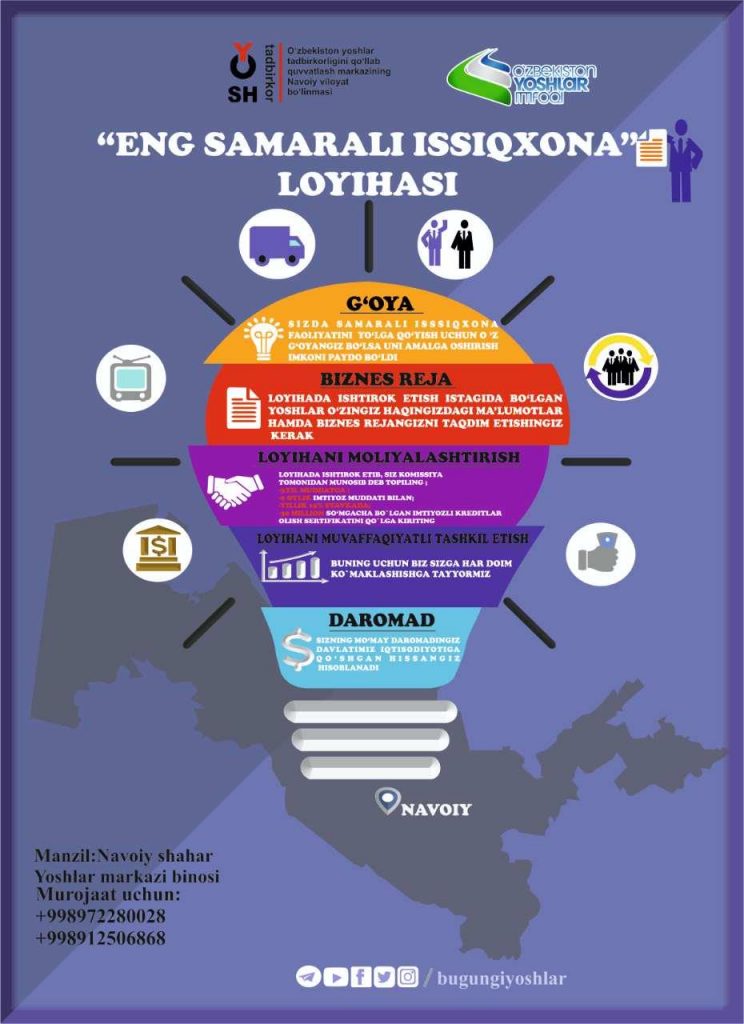
6. At Navoi State University, the “Most Effective Greenhouse” project engages youth aged 18–30, enabling them to apply entrepreneurial knowledge and practical skills in sustainable business development through preferential loans.
Measuring sustainability literacy of professors
1. Navoi State University utilizes interactive platforms and thematic roundtables as a qualitative tool to assess the sustainability literacy of its professional staff, particularly faculty tutors and administrative coordinators.
Case Study: Ecological Culture Assessment (2026) In collaboration with the Ecological Party of Uzbekistan, the university organized a strategic session titled “Ecological Culture – The Foundation of a Healthy Society.” This platform functioned as an assessment mechanism in the following ways:
– Knowledge Evaluation: Tutors and professional staff were required to present specific proposals and initiatives for environmental crisis prevention, allowing the university to evaluate their depth of understanding regarding sustainability.
– Engagement Monitoring: The session served to measure the staff’s ability to integrate ecological responsibility into their daily pedagogical and administrative activities.
Collaborative Review: By involving external specialists from the Ecological Party, the university ensured that the sustainability knowledge of its staff aligns with national and global environmental standards.
2. The university organized a national scientific-practical conference titled “Problems of Ecology, Economy, and Sustainable Development in the Context of Climate Change and Their Solutions.” This platform serves as a formal tool for:
– Knowledge Verification: Academic staff, specialists, and researchers present their scientific findings and research-based solutions, allowing the institution to evaluate their professional expertise in sustainability and climate change.
– Institutional Leadership: The event was officially opened by the Rector of Navoi State University, Professor M. Kalonov, who delivered a keynote address on ecological issues and sustainable economic development, emphasizing the university’s strategic commitment to these global goals.
Peer-Review & Evaluation: By gathering experts from various organizations, the university ensures a peer-reviewed environment where the sustainability literacy and research quality of the faculty are continuously monitored and benchmarked against national standards.
3. Digital Assessment through HEMIS Platform
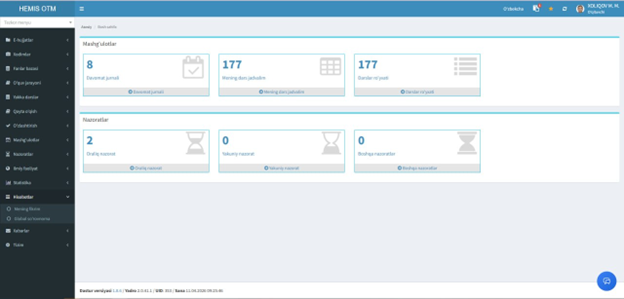
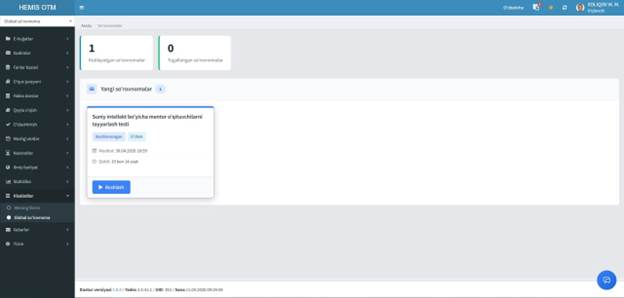
Navoi State University utilizes the HEMIS (Higher Education Management Information System) platform as a formal digital assessment tool to evaluate and monitor the sustainability literacy and professional knowledge of its academic staff.
Mechanism of Assessment:
– Integrated Testing & Surveys: The university administration regularly conducts digital surveys and competency tests within the HEMIS internal module. These assessments specifically focus on sustainability principles, environmental regulations, and green economy trends.
– Mandatory Professional Evaluation: As part of the annual professional development cycle, all academic and professional staff undergo evaluation within the system. This ensures that every faculty member possesses the necessary literacy to integrate Sustainable Development Goals (SDGs) into their teaching curriculum.
– Data-Driven Monitoring: The HEMIS system generates automated reports on staff performance and knowledge levels, allowing the university to identify literacy gaps and organize targeted training sessions.
By digitizing the assessment process through HEMIS, Navoi State University ensures a transparent, measurable, and objective evaluation of sustainability knowledge across all university departments, involving 100% of the academic and professional personnel.
4. Navoi State University utilizes the “Eko-Innovation” Annual Exhibition as a practical assessment tool to evaluate the sustainability knowledge, technical literacy, and innovative capacity of both academic mentors and students.
Mechanism of Assessment (Eko-Innovation – 2025):
– Project-Based Evaluation: Led by the Vice-Rector for Research and Innovation, S. Khujjiyev, the exhibition serves as a formal review platform where academic staff (mentors) and students present tangible ecological solutions. In 2025, 27 innovation projects were evaluated across three strategic domains:
a. Environmental Protection: Modern solutions for climate change and waste management.
b. Renewable Energy Sources: Efficient utilization of solar and wind energy.
c. Eco-Technological Innovations: Application of robotics, sensors, and mobile apps to solve ecological challenges.
– Competency Benchmarking: This platform allows the university to assess the staff’s ability to translate theoretical sustainability concepts into practical, market-ready innovations. The evaluation is not merely based on participation but on the scientific validity and environmental impact of the proposed technologies.
– Professional Mentorship Review: The exhibition also assesses the literacy of academic staff through their roles as project supervisors, ensuring that their guidance aligns with global sustainability standards and technological advancements.
Outcome: The “Eko-Innovation – 2025” exhibition functions as an institutional milestone to measure the growth of “Green Thinking” and technical literacy among the university’s academic community, fostering a culture of responsibility and high-tech environmental problem-solving.