Toxic (Hazardous) Waste
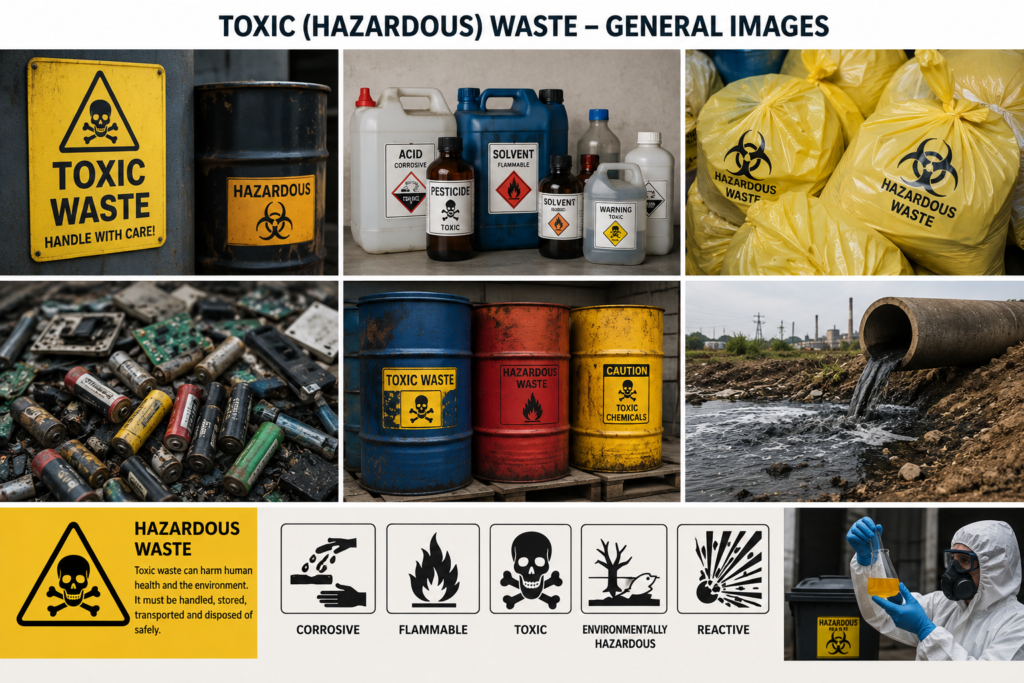
Toxic (or hazardous) waste refers to any waste material that poses a significant risk to human health, living organisms, or the environment due to its chemical, biological, or toxic properties. These wastes may be toxic, corrosive, flammable, reactive, or infectious in nature and therefore require specialized handling, storage, transportation, and disposal procedures.
According to United Nations Environment Programme, hazardous waste can contaminate air, soil, and water systems if not properly managed, leading to long-term environmental degradation.
Similarly, the World Health Organization highlights that exposure to hazardous waste may occur through inhalation, ingestion, or skin contact, potentially causing acute poisoning, chronic diseases, and other serious health impacts.
The Basel Convention further defines hazardous waste as materials that require strict control due to their potential harm and mandates environmentally sound management practices.
Toxic waste management at Navoi State University is carried out as part of the university’s broader commitment to environmental safety, pollution prevention, and sustainable campus operations. Since toxic waste may create serious risks for human health and the environment if it is not properly controlled, NSU follows national environmental requirements in organizing its hazardous waste handling system.
In accordance with the Law of the Republic of Uzbekistan Law “On waste” No. 362-II dated 05.04.2002 https://lex.uz/docs/42423 which regulates waste collection, storage, transportation, treatment, recycling, utilization, and disposal, including hazardous waste categories. The law defines hazardous waste as waste containing substances with toxic, infectious, explosive, fire-hazardous, highly reactive, or radioactive properties that may pose a direct or potential risk to human health and the environment, and Law of the Republic of Uzbekistan about “Environmental control” adopted by the Legislative Chamber on November 12, 2013 approved by the Senate on December 12, 2013 http://lex.uz//docs/2304949. The law regulates relations in the field of environmental control and defines ecological control as a system of state and public measures aimed at preventing, identifying, and eliminating violations of environmental protection requirements.
According to the law, the main tasks of environmental control include preventing environmental pollution, monitoring activities that may create risks to the environment and human health, ensuring compliance with ecological requirements, and improving the effectiveness of environmental protection activities.
Total toxic waste generated in the current year: approximately 2.0 tons
Toxic waste treated: approximately 1.7 tons
Share of toxic waste treated: about 85%
Main toxic waste categories:
laboratory chemicals;
obsolete electronic equipment;
other potentially hazardous materials generated in laboratories and technical units.
Positive trend:
The university’s toxic waste volume has gradually decreased from 2.3 tons in the previous monitoring cycle to 2.0 tons in the current reporting year. This indicates progress in hazardous waste reduction and better control of toxic waste flows across the campus.
Examples of Toxic (Hazardous) Waste
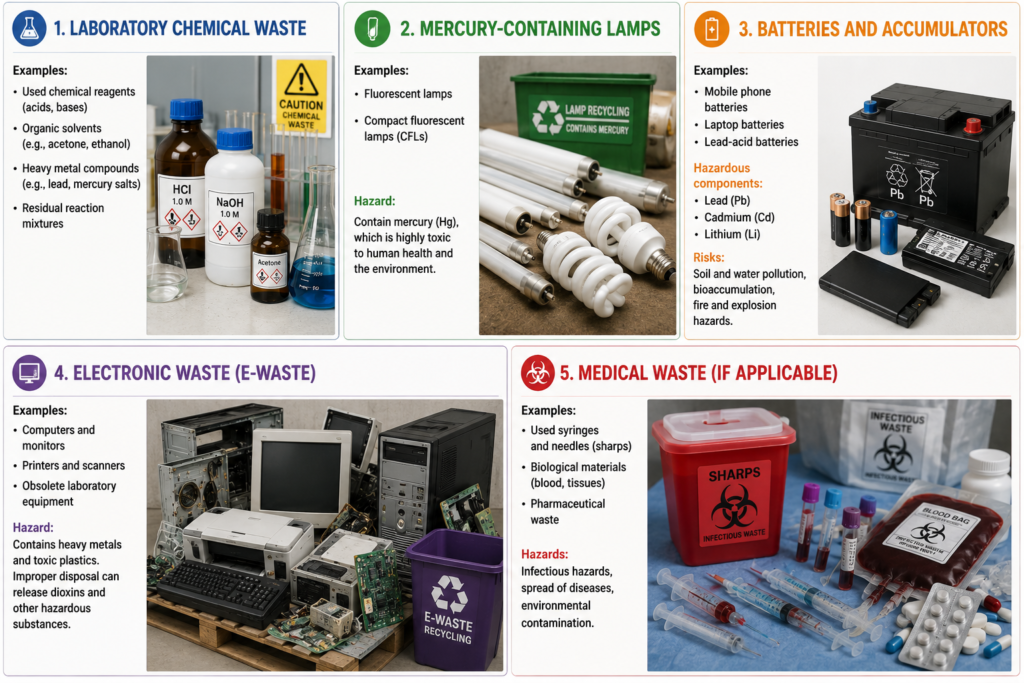
1. Laboratory Chemical Waste
Used chemical reagents (acids, bases)
Organic solvents (e.g., acetone, ethanol)
Heavy metal compounds (e.g., lead, mercury salts)
Residual reaction mixtures
Characteristics:
Often corrosive, reactive, or toxic
May cause chemical burns, poisoning, or environmental contamination
Requires controlled neutralization or specialized disposal
2. Mercury-Containing Lamps
Fluorescent lamps
Compact fluorescent lamps (CFLs)
Characteristics:
Contain mercury (Hg), a highly toxic heavy metal
Can release toxic vapors if broken
As noted by World Health Organization, mercury exposure can damage the nervous system and kidneys
3. Batteries and Accumulators
Mobile phone batteries
Laptop batteries
Lead-acid batteries
Hazardous components:
Lead (Pb)
Cadmium (Cd)
Lithium (Li)
Risks:
Soil and groundwater contamination
Bioaccumulation in living organisms
Fire and explosion risks (especially lithium batteries)
4. Electronic Waste (E-waste)
Computers and monitors
Printers and scanners
Obsolete laboratory equipment
Characteristics:
Contains heavy metals and toxic plastics
According to United Nations Environment Programme, improper disposal can release dioxins and other hazardous emissions
Requires recycling or specialized dismantling
5. Medical Waste (if applicable)
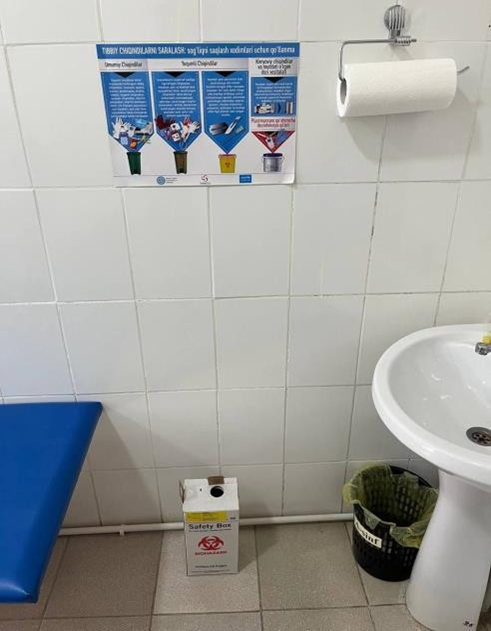
Used syringes and needles (sharps)
Biological materials (blood, tissues)
Pharmaceutical waste
Risks:
Infectious hazards
Spread of diseases
Environmental contamination
According to World Health Organization, approximately 10–25% of healthcare waste is hazardous, requiring strict segregation and treatment.
2. Collection and Storage of Hazardous (Toxic) Waste
The collection and storage of hazardous (toxic) waste is a critical component of effective waste management, ensuring the protection of human health and the environment. All procedures are carried out in accordance with established safety and environmental standards.
At the university, hazardous waste is handled as follows:
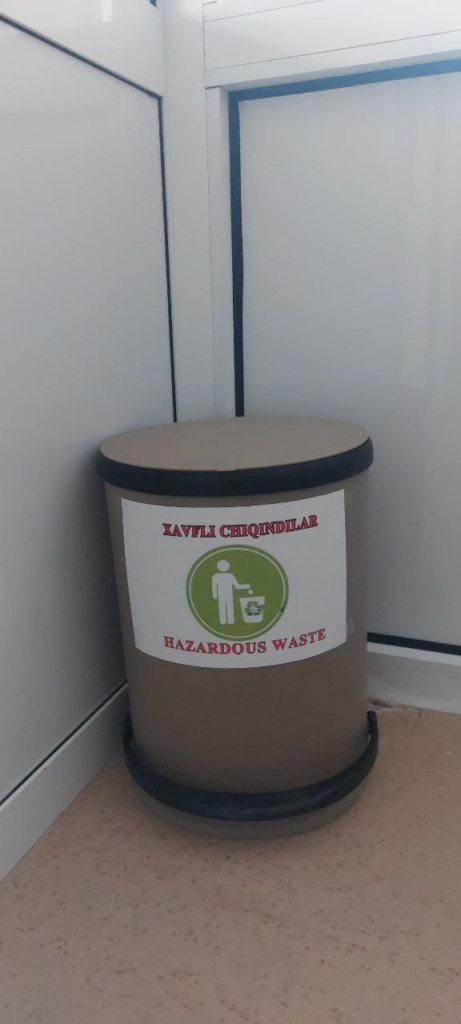
Hazardous waste is segregated at the source and collected in designated, specialized containers appropriate to the type of waste (chemical, electronic, or biological).
All containers are clearly marked with hazard labels and warning signs, indicating the nature and risks of the waste.
Measures are implemented to prevent leakage, spillage, or cross-contamination, ensuring that incompatible wastes are not mixed.
Waste is stored in dedicated and secured storage facilities within the university premises, designed to meet safety, ventilation, and environmental protection requirements.
Access to storage areas is restricted to authorized personnel only, and proper handling procedures are strictly followed.
Electronic Waste Collection – Clearly marked e-waste bins have been installed in labs and tech rooms to collect outdated gadgets and batteries, which are later transferred to certified recycling partners.
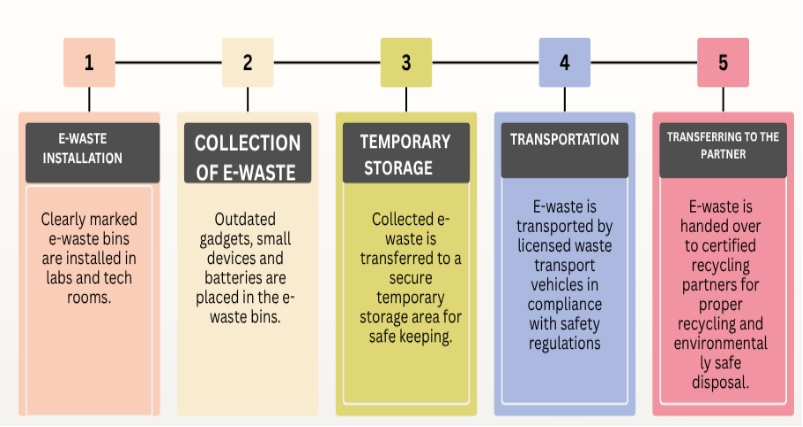
Waste Segregation and Special Boxes for Hazardous Waste at NSU
At Navoi State University (NSU), waste segregation is a core part of toxic waste management. The university uses clearly labeled containers to separate general, recyclable, and hazardous waste. For toxic materials—such as used batteries, expired chemicals, broken lab glassware, and electronic waste—special sealed and color-coded boxes are placed in laboratories, workshops, and tech rooms. These boxes ensure safe containment and prevent environmental or health risks. Collected hazardous waste is regularly handed over to certified external disposal services. This system strengthens NSU’s commitment to safety, sustainability, and responsible waste treatment on campus.
The temporary storage conditions comply with national environmental regulations and institutional safety policies.
Hazardous waste is periodically collected and transported by licensed waste management companies authorized to handle hazardous materials.
Transportation is carried out using specialized vehicles that meet regulatory standards for hazardous waste transport.
Partnership with Local Companies for Toxic Waste Treatment
Navoi State University has established cooperation with several licensed and specialized organizations for the safe collection, transportation, recycling, and disposal of different categories of waste generated on campus. This partnership ensures compliance with environmental regulations, reduces the amount of waste sent to landfills, and supports the university’s sustainable campus management system.
Navoi Stimul
Website: https://orginfo.uz
Type of waste managed: Municipal and household waste
The university cooperates with Navoi Stimul for the regular collection and transportation of general municipal waste generated across the campus. This includes:
Office waste (paper, packaging, food containers, mixed residual waste)
Waste from classrooms, dormitories, administrative buildings, and public areas
Non-hazardous daily household waste produced by students and staff
Street and campus cleaning waste
Navoi Stimul provides scheduled waste removal services, helping maintain campus cleanliness and preventing uncontrolled accumulation of waste. Collected waste is transported to authorized municipal waste management facilities for further sorting, treatment, or disposal according to national environmental regulations.
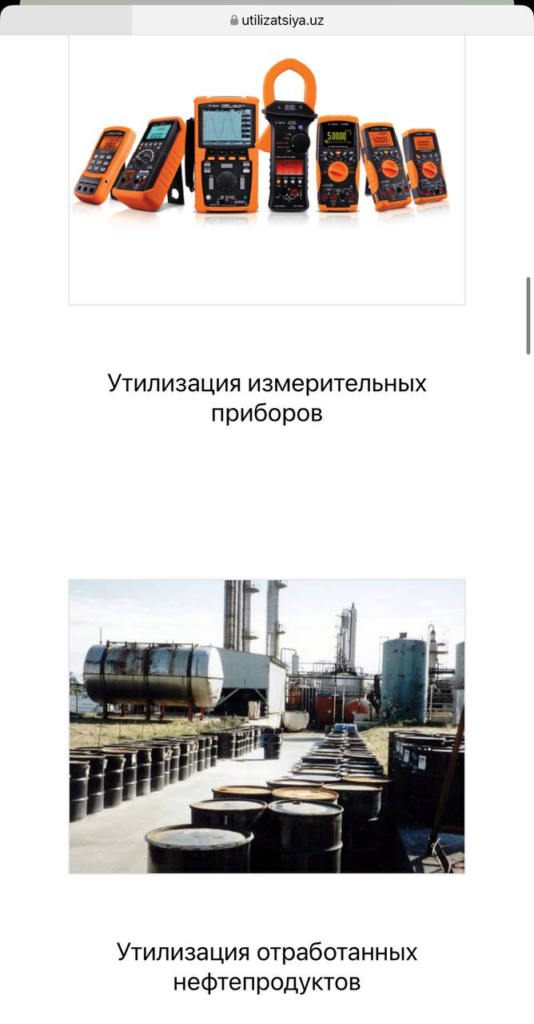
Utilizatsiya.uz
Hazardous Waste
Website: https://utilizatsiya.uz
Type of waste managed: Hazardous waste
Utilizatsiya.uz is engaged for the handling of hazardous and environmentally sensitive waste generated by university laboratories and technical facilities. The collected waste includes:
Chemical laboratory residues
Expired reagents and solvents
Paints, oils, and contaminated materials
Mercury-containing devices and lamps
Other hazardous substances requiring special treatment
The organization ensures safe collection, packaging, transportation, and environmentally responsible disposal of hazardous waste in accordance with national safety standards. This cooperation minimizes risks to human health and the environment while strengthening the university’s hazardous waste management system.
Jizzah Akumulyator Zavodi
E-waste
Website: https://jaz.uz/uz
Type of waste managed: Electronic waste and batteries
For electronic waste (e-waste), Navoi State University cooperates with Jizzah Akumulyator Zavodi. The company is involved in the collection and recycling of:
Used batteries and accumulators
UPS batteries
Computer-related electronic components
Damaged electrical equipment
Other battery-containing electronic waste
Electronic waste contains valuable materials as well as hazardous components such as heavy metals. Through cooperation with Jizzah Akumulyator Zavodi, the university ensures that such waste is collected separately, transported safely, and processed through authorized recycling channels, reducing environmental pollution and supporting resource recovery.
Zero Waste
Recycling
Website: https://orginfo.uz
Type of waste managed: Recyclable waste
The university also collaborates with Zero Waste to promote waste reduction and recycling initiatives. The organization supports the collection and recycling of:
Paper and cardboard
Plastic bottles and packaging
Metal cans
Glass materials
Other recyclable resources
This cooperation contributes to the development of a circular economy approach on campus by encouraging waste separation, recycling, and the recovery of reusable materials.
Treatment and Disposal of Hazardous Waste
The treatment and disposal of hazardous (toxic) waste constitute a critical stage in ensuring environmentally sound waste management. All hazardous waste generated by the university is handled in accordance with national environmental regulations and internationally recognized best practices.
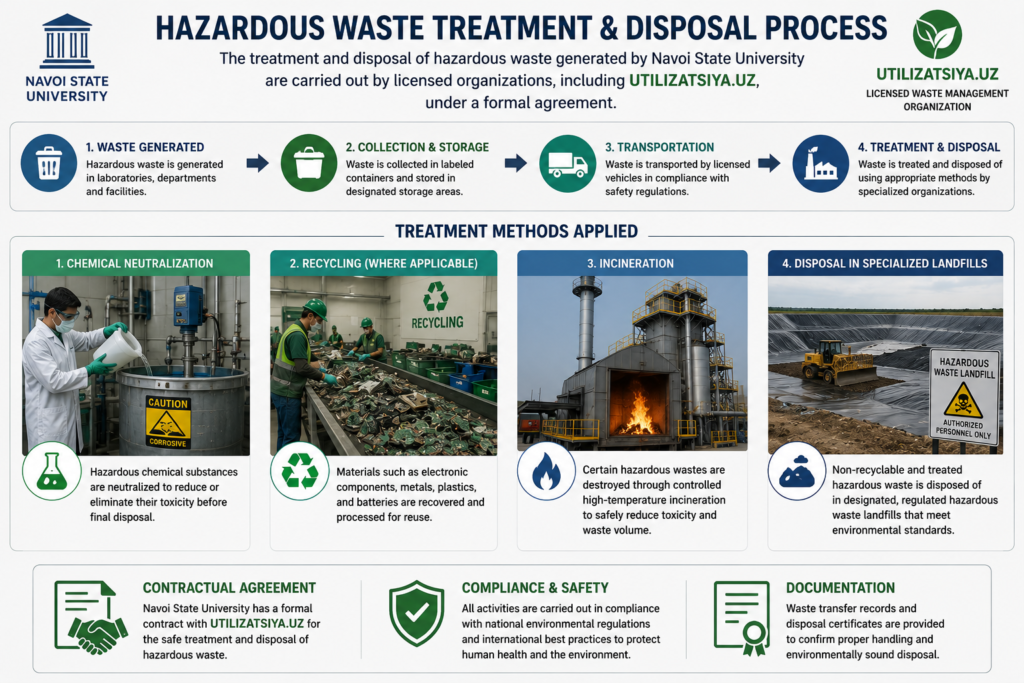
The treatment and disposal processes are carried out by licensed and authorized waste management organizations, including Utilizatsiya.uz, with which Navoi State University has established a formal contractual agreement.
The Contractor applies the following treatment and disposal methods depending on the type and characteristics of the waste:
Chemical Neutralization
Hazardous chemical substances are treated through neutralization processes to reduce or eliminate their toxicity before final disposal.
Recycling (where applicable)
Materials such as electronic components, metals, plastics, and batteries are recovered and processed for reuse in order to minimize environmental impact and promote resource efficiency.
Incineration
Certain hazardous wastes are subjected to controlled high-temperature incineration to safely destroy toxic substances and reduce waste volume.
Disposal in Specialized Landfills
Non-recyclable and treated hazardous waste is disposed of in designated, regulated hazardous waste landfills that meet environmental protection standards.
All treatment and disposal activities are conducted in compliance with applicable legal, environmental, and safety requirements. Upon completion, the Contractor provides official documentation, including waste transfer records and disposal certificates, confirming the proper handling of hazardous waste.