Water Conservation and Sustainable Water Management Program
Navoi State University implements a comprehensive Water Conservation and Sustainable Water Management Program in accordance with the Presidential Resolution No. PQ-5 of January 5, 2024, “On Measures to Improve Water Resources Management and Increase the Efficiency of Water Resource Use”, and Presidential Decree No. PF-37 of February 21, 2024, approving the State Program for the implementation of the “Uzbekistan–2030” Strategy. These national policies emphasize water conservation, efficient resource utilization, environmental protection, and climate resilience. Through the implementation of these initiatives, including water-efficient technologies, sustainable irrigation practices, and responsible water management measures, the university conserves more than 50% of its water consumption compared to conventional usage.
1. Water Conservation Awareness and Education
Water conservation awareness is an integral part of the university’s sustainability agenda. Through seminars, workshops, environmental campaigns, student initiatives, and awareness programs such as “Every Drop Counts”, “Save Water Together” Challenge, and World Water Day activities, students and staff are encouraged to adopt responsible water-use practices.
More than 2,000 students and employees participate annually in sustainability and water conservation activities. Educational campaigns promote efficient water use, leak reporting, water-saving behaviors, and environmental stewardship both on and off campus.
2. Water-Efficient Sanitation Facilities
The university continues to improve water-use efficiency through the installation and maintenance of water-saving sanitary infrastructure in academic buildings, dormitories, and administrative facilities. Water-efficient toilet systems and modern plumbing fixtures contribute to reducing water consumption while maintaining hygiene standards.
For example, the university utilizes low-flow taps designed to reduce water discharge while maintaining effective performance. Compared to conventional fixtures, these taps can reduce water consumption by up to 50%, contributing significantly to campus-wide water conservation efforts. In addition, automatic sensor-operated taps have been installed in selected facilities, ensuring that water flows only when needed and preventing unnecessary water wastage. These touch-free systems also improve hygiene standards by minimizing direct contact with surfaces.
To further enhance water efficiency, the university has introduced low-flush water closets (WCs) in campus facilities. Unlike conventional toilets that may consume 9–12 liters of water per flush, low-flush systems typically require only 4–6 liters per flush, reducing water consumption by nearly half. Some units are equipped with dual-flush mechanisms, allowing users to select the appropriate water volume according to their needs.
3. Water Monitoring and Efficient Resource Management
Regular inspections and monitoring of water supply systems, pumping facilities, irrigation infrastructure, and campus utilities are conducted to identify losses and improve water-use efficiency. The university promotes responsible water management practices through infrastructure maintenance and sustainability planning.
4. Digital Water Monitoring and Consumption Management System
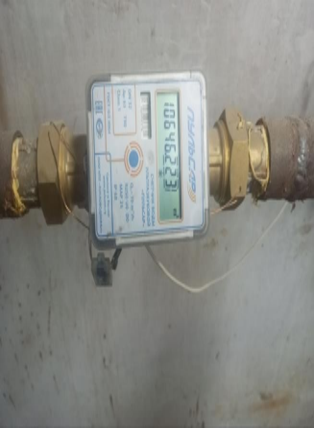
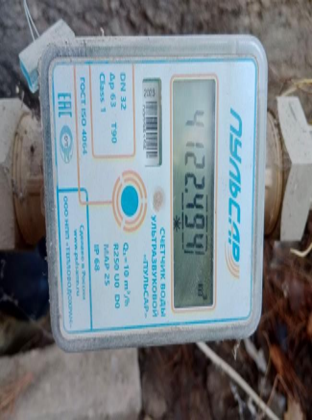
To support its Water Conservation and Sustainable Water Management Program, Navoi State University utilizes a digital water monitoring platform provided by the regional water utility. The online system enables the university to monitor water consumption in real time through a dedicated personal account linked to the campus water meter.
The platform records monthly water consumption, billing history, meter readings, account balances, and payment transactions, allowing the university to accurately track water use and identify unusual consumption patterns. The system also facilitates the electronic submission of meter readings and provides transparent records of historical water usage, supporting evidence-based decision-making for water resource management.
Through continuous digital monitoring, university management can promptly detect leaks, prevent unnecessary water losses, verify consumption trends, and evaluate the effectiveness of water-saving measures.
5. Drought-Resistant Landscaping
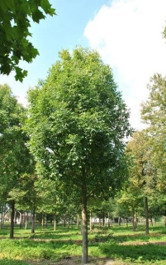
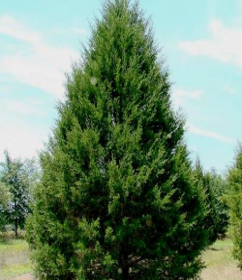
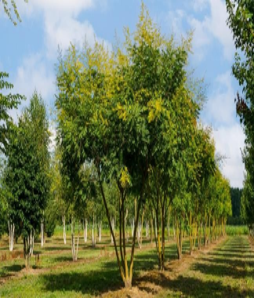
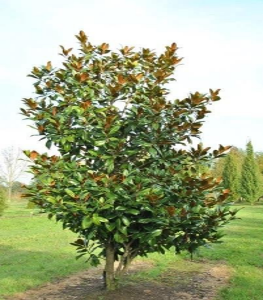
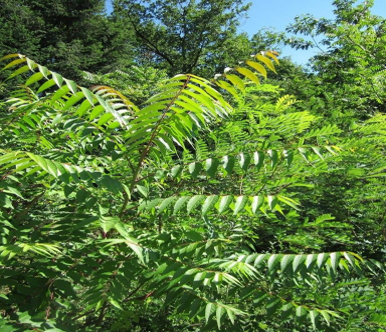
Navoi State University incorporates drought-resistant and climate-adapted tree species into its campus greening strategy. The university currently maintains approximately 1,392 trees, including species selected for their low water requirements and adaptability to arid environmental conditions.
These trees contribute to reducing irrigation demand while providing shade, improving air quality, supporting biodiversity, and strengthening climate resilience across the campus.
6. Efficient Irrigation Systems
The university utilizes efficient irrigation methods to support campus landscaping and green spaces. Sprinkler irrigation systems are used in larger landscaped areas to ensure even water distribution, while drip irrigation technologies are applied in selected locations to deliver water directly to plant root zones.
Drip irrigation systems so far have been able to reduce water losses from evaporation and runoff by 50-65% compared to conventional irrigation methods, supporting sustainable water management and resource conservation.
7. Rainwater Absorption and Stormwater Management
Navoi State University has established a comprehensive stormwater management system that integrates permeable surfaces, open soil infiltration zones, drainage channels, retention structures, and roof gutter networks.
Key quantitative indicators include:
Total campus area: 281,400 m²
Water absorption area: 87,234 m²
Share of campus dedicated to water absorption: 31%
Trees maintained on campus: 1,392
Open drainage and irrigation channels maintained: 1.1 km
Waste removed during environmental improvement campaigns: 10 tons
All major academic and administrative buildings are equipped with roof gutter systems that collect rainwater and direct it toward infiltration areas, drainage channels, and water absorption zones. These measures reduce surface runoff, prevent localized flooding, support groundwater recharge, and improve the efficiency of stormwater management, making the water conservation process easier.
8. Water Recycling and Reuse Initiatives
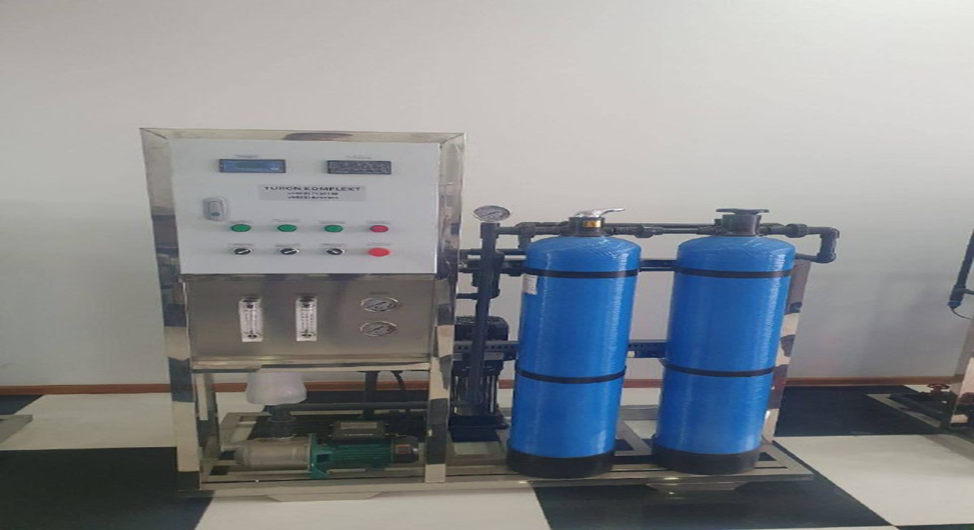
Water treatment pumps
At Navoi State University (NSU), water treatment pumps have been installed as part of the university’s recycling and environmental sustainability programs. These advanced systems help purify and reuse wastewater generated from laboratories, dormitories, and other facilities. By filtering and treating used water, the university significantly reduces water wastage and minimizes its environmental impact. The treated water is safely reused for irrigation, cleaning, and technical purposes around the campus. This initiative demonstrates NSU’s commitment to sustainable resource management, promoting eco-friendly practices and efficient water recycling as part of its long-term goal to build a green and environmentally responsible university.