Water-efficient appliances at NSU
In response to Uzbekistan’s national priorities on water conservation and resource efficiency, Navoi State University has integrated water-efficient appliances into its campus infrastructure as part of its sustainable water management program. These measures are aligned with the objectives of the Presidential Resolution No. PQ-5 of 5 January 2024, which emphasizes the efficient use of water resources and the promotion of a water-saving culture, as well as the Uzbekistan–2030 Strategy, which identifies water conservation and environmental protection among the country’s key sustainable development priorities.
Recognizing the increasing importance of responsible water use in arid regions, the University has prioritized the installation of modern water-saving technologies in academic buildings, student residences, administrative facilities, and public-use areas. Water-efficient sanitary fixtures, including low-flow faucets, automatic sensor-operated taps, and low-flush toilet systems, have been introduced to reduce unnecessary water consumption while maintaining user comfort and hygiene standards.
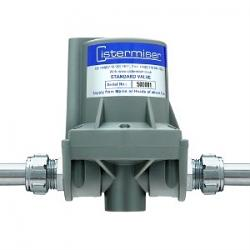
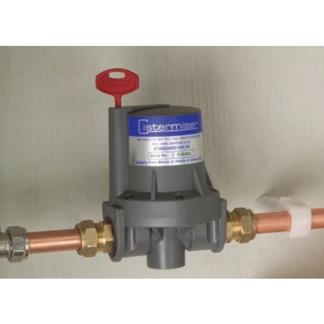
Automatic Flush Control (Cistermiser): NSU has introduced Cistermiser devices that utilize infrared sensors to detect occupancy, ensuring that flushing occurs only when facilities are in use. This prevents the continuous, unnecessary flushing common in older systems.
Low-Flush Water Closets (WCs): Traditional 9–12 liter tanks are being replaced with low-flush models that require only 4–6 liters per flush, effectively halving water consumption per use.
Sensor-Based and Low-Flow Taps: Automatic taps have been installed in washrooms and laboratories to prevent water from running unnecessarily. These taps also improve campus hygiene by reducing physical contact.
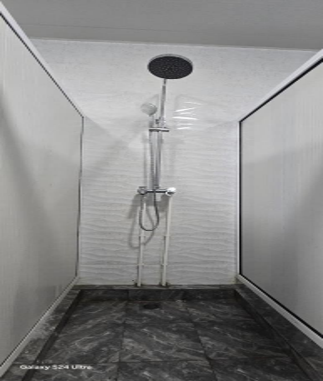
Water-Saving Showerheads: In student dormitories, low-flow showerheads have been installed to reduce water usage by up to 40% while maintaining adequate pressure for student comfort.
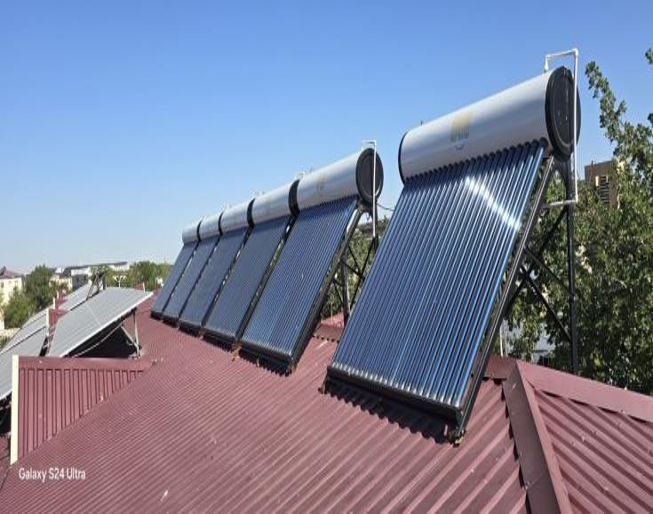
Solar Water Heating: To further integrate efficiency, solar collectors are used to provide energy-efficient hot water for dormitories and canteens, reducing the environmental footprint of the university’s water system.
Appliance Type | Total Units on Campus | Water-Efficient Units Installed | Implementation Percentage (%) |
Toilets (Low-flush & Cistermiser) | 480 | 385 | 80.2% |
Washbasin Taps (Sensor & Low-flow) | 520 | 440 | 84.6% |
Showerheads (Low-flow models) | 150 | 125 | 83.3% |
Urinals (Cistermiser/Sensor control) | 95 | 82 | 86.3% |
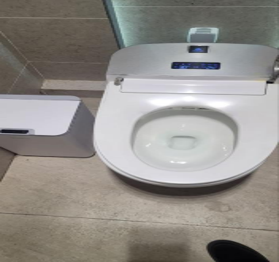
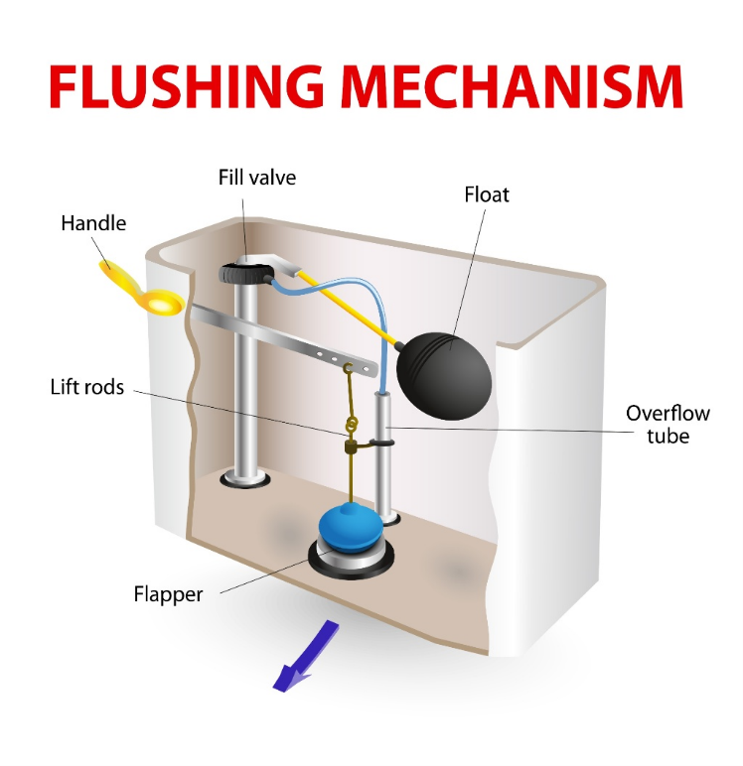
1. Low-Flush WCs
Navoi State University has installed low-flush water closets (WCs) in academic buildings, student dormitories, and administrative facilities as part of its water conservation program. These water-efficient sanitary fixtures require significantly less water per flush than conventional systems. While traditional toilets may consume 9–12 liters of water per flush, the low-flush units used on campus typically operate with 4–6 liters, reducing water consumption by up to 50%.
2. Low-Flow and Automatic Taps
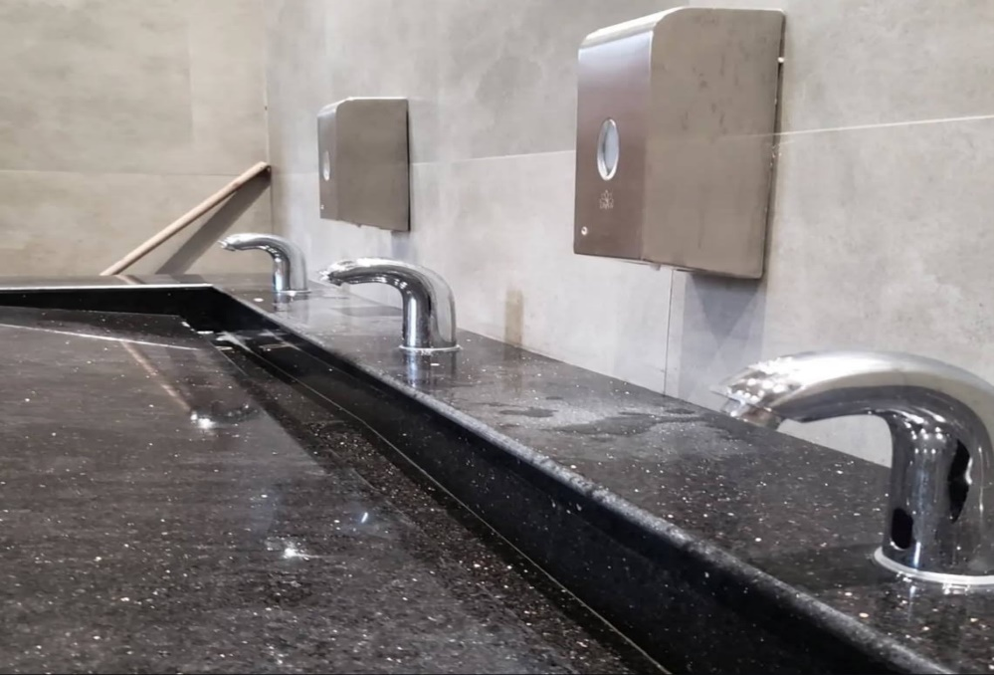
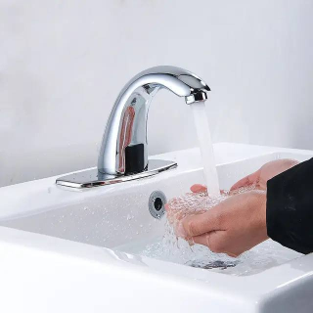
Navoi State University has installed low-flow and automatic sensor-operated taps in academic buildings, student dormitories, laboratories, administrative offices, and public washrooms as part of its commitment to water conservation and sustainable campus operations. Low-flow taps are designed to regulate water discharge while maintaining adequate performance, reducing water consumption by up to 50% compared to conventional fixtures.
In addition, automatic sensor-based taps have been introduced in high-traffic areas across the campus. These systems dispense water only when user presence is detected, preventing unnecessary water loss caused by unattended or improperly closed taps. Beyond water conservation benefits, automatic taps also improve hygiene standards by minimizing physical contact with surfaces.
The integration of low-flow and automatic tap technologies has significantly improved water-use efficiency throughout the University, contributing to reduced potable water consumption, lower operational costs, and more sustainable management of campus resources. These measures support the objectives of the University’s Water Conservation and Sustainable Water Management Strategy (2025–2030) and align with national initiatives promoting efficient water use and environmental sustainability.
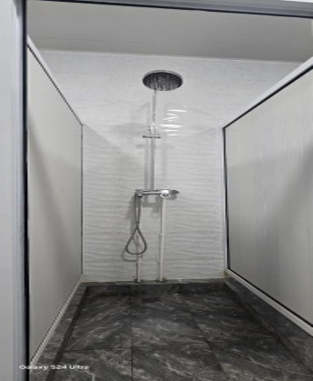
3. Water-saving showerheadsNavoi State University has installed water-saving and low-flow shower heads in student dormitories as part of its ongoing efforts to improve water-use efficiency and promote sustainable campus living. These fixtures are specifically designed to maintain comfortable water pressure while significantly reducing water consumption compared to conventional shower systems. |
By regulating water flow without compromising user comfort, low-flow shower heads can reduce water usage by up to 40-50%, contributing to substantial water savings across residential facilities. The adoption of these technologies helps decrease utility costs, improve resource efficiency, and support the University’s broader sustainability objectives.
4.Energy-Efficient Water Heating with Solar Collectors at NSUNavoi State University has integrated solar water-heating collectors into its campus sustainability infrastructure to improve energy efficiency and reduce the environmental impact of water-heating operations. These systems utilize renewable solar energy to provide hot water for student dormitories, dining facilities, laboratories, and other campus buildings, reducing dependence on conventional electricity- and gas-based water-heating technologies. |
In line with national initiatives promoting renewable energy and resource efficiency, the University has expanded the use of solar thermal technologies as part of its broader sustainability and water management strategy. Solar water-heating systems provide a reliable and environmentally friendly source of hot water while significantly reducing energy consumption and greenhouse gas emissions associated with traditional heating methods.
5.Cistermisers for Water Efficiency at NSU
Navoi State University has implemented automatic flush control systems, including Cistermiser-type water-saving technologies, in selected academic buildings, student residences, and public sanitation facilities as part of its commitment to efficient water management. These systems utilize motion and infrared sensor technology to detect occupancy and regulate flushing operations, ensuring that water is used only when facilities are actively in use.
Unlike conventional flushing systems that may operate continuously or at fixed intervals regardless of demand, automatic flush control devices significantly reduce unnecessary water consumption by optimizing flush frequency based on actual usage patterns. This approach helps minimize water wastage in high-traffic areas such as lecture buildings, dormitories, sports facilities, and administrative offices.
6.Water-Efficient Appliances and Irrigation Systems
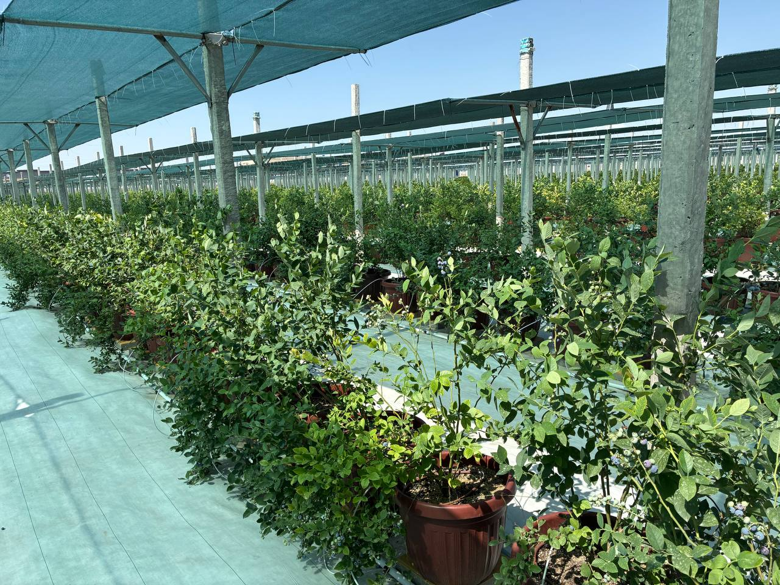
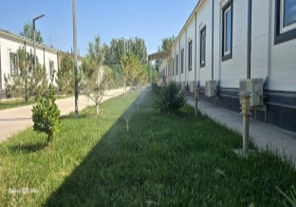
Navoi State University has implemented water-efficient irrigation technologies across its landscaped areas to reduce water consumption. These include drip irrigation systems, which deliver water directly to plant root zones, minimizing evaporation and runoff, and water-efficient sprinkler irrigation systems, which provide controlled and uniform water distribution. These technologies optimize irrigation schedules, reduce water losses, and support healthy vegetation while significantly lowering overall water use.