Preventing Water System Pollution
Navoi State University operates a comprehensive water pollution prevention program aimed at protecting campus water infrastructure, reducing environmental risks, and ensuring compliance with national environmental and water management regulations. The University’s activities are aligned with the Water Code of the Republic of Uzbekistan, the Law of the Republic of Uzbekistan “On Water and Water Use”, the Law “On Drinking Water Supply and Wastewater Disposal” (O‘RQ-784), Presidential Resolution No. PQ-5 of 5 January 2024 on improving water resource management and increasing water-use efficiency, and applicable sanitary and environmental standards governing wastewater collection and disposal.
1.Laboratory Wastewater Management
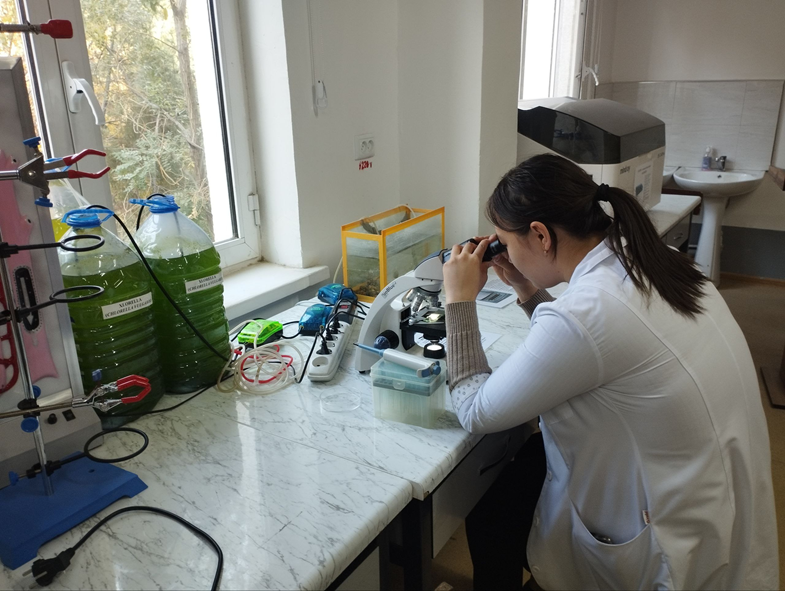
Special attention is given to wastewater generated from teaching laboratories, research facilities, and technical workshops. Laboratory personnel and students are required to follow environmental safety procedures that prohibit the direct discharge of concentrated chemicals, hazardous reagents, oils, solvents, and other potentially harmful substances into the sewerage system.
Chemical residues generated during practical classes and research activities are collected separately and handled according to established environmental and safety regulations. Only wastewater that complies with applicable sanitary requirements is permitted to enter the campus drainage network. Regular inspections are conducted to ensure compliance with laboratory safety and environmental protection procedures.
2.Wastewater Collection and Treatment
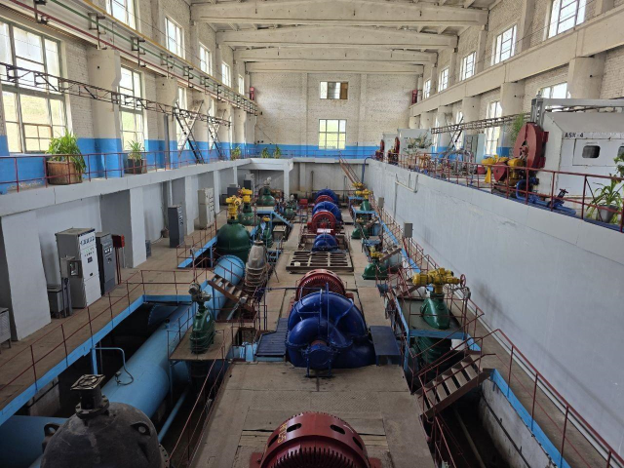
All domestic and sanitary wastewater generated from academic buildings, student residences, cafeterias, laboratories, and administrative facilities is discharged through the municipal sewerage network and transferred to the regional wastewater treatment system operated by Navoiy Suv Ta’minoti JSC.
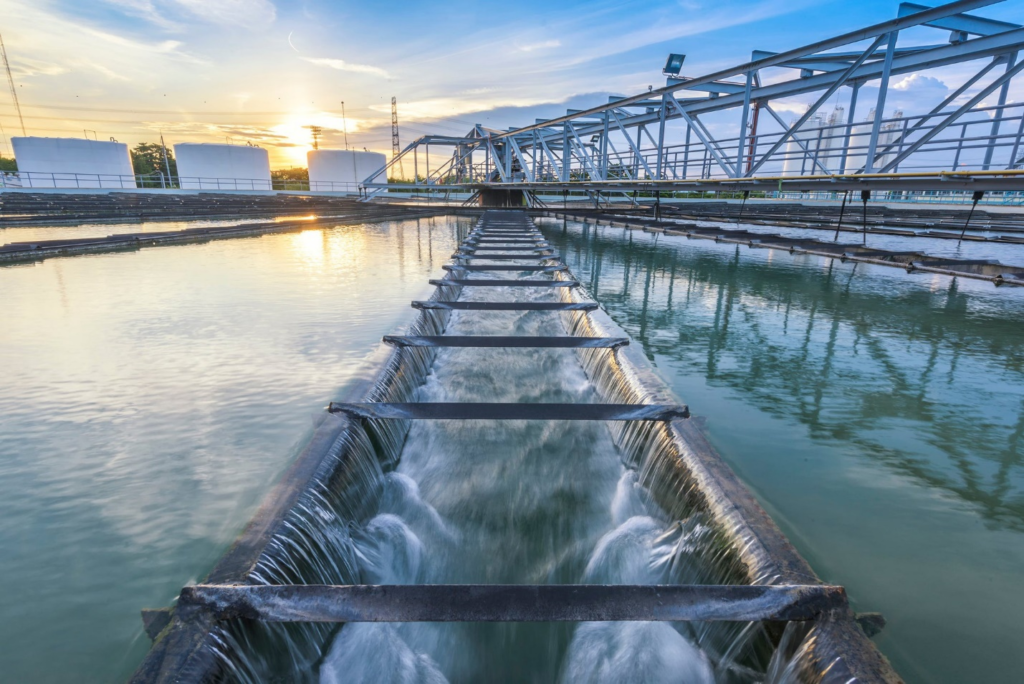
The treatment facilities apply mechanical, biological, and sanitary purification processes before treated water is safely returned to the regional water management cycle. Through this centralized system, untreated wastewater from the University is prevented from entering natural water bodies, thereby reducing the risk of environmental pollution.
3.Food-Service and Sanitation Management
University dining facilities and food-service areas implement measures to minimize contamination of wastewater systems. Kitchen operations follow environmental hygiene requirements regarding the disposal of food residues, oils, detergents, and cleaning agents. Periodic maintenance of drainage infrastructure and wastewater collection systems helps prevent blockages and accidental contamination.
In addition, water-efficient sanitary facilities, including low-flow fixtures, low-flush toilets, and automatic faucets, contribute to reducing overall wastewater generation while supporting sustainable water management objectives.
4.Stormwater and Campus Drainage Protection
Navoi State University maintains a network of drainage channels, gutters, stormwater collection systems, and water absorption areas designed to reduce surface runoff and prevent pollution of surrounding environments.
As part of regular campus maintenance activities, drainage channels, and stormwater pathways are cleaned and inspected to remove sediments, litter, leaves, and other materials that could obstruct water flow or contribute to water pollution. During university-wide environmental campaigns and community clean-up events, students and staff participate in maintaining these systems to ensure their effective operation.
The University currently maintains approximately 87,234 m² of water absorption and infiltration areas, representing nearly 31% of the total campus area. These areas support natural filtration processes, groundwater recharge, and sustainable stormwater management.
5.Environmental Awareness and Pollution Prevention
The University recognizes that preventing water pollution requires not only infrastructure but also environmental responsibility. Therefore, regular seminars, awareness campaigns, roundtable discussions, and educational events are organized to promote responsible water use and pollution prevention.
Initiatives such as “Every Drop Counts”, “Save Water Together”, World Water Day activities, ecological forums, and sustainability campaigns encourage students and staff to protect water resources, prevent improper disposal of pollutants, and adopt environmentally responsible practices both on campus and within the wider community.
6. Research and Sustainable Water Management
In support of national sustainability priorities, Navoi State University promotes research and innovation related to water conservation, environmental protection, wastewater management, and sustainable resource utilization. Through its cooperation with the Scientific Center for the Development of Forestry in Desert Areas and other partners, the University supports studies on drought-resistant vegetation, water-saving technologies, sustainable irrigation, and climate adaptation in arid regions.
These activities contribute to the development of practical solutions for reducing environmental impacts on water resources while strengthening scientific knowledge and environmental stewardship.
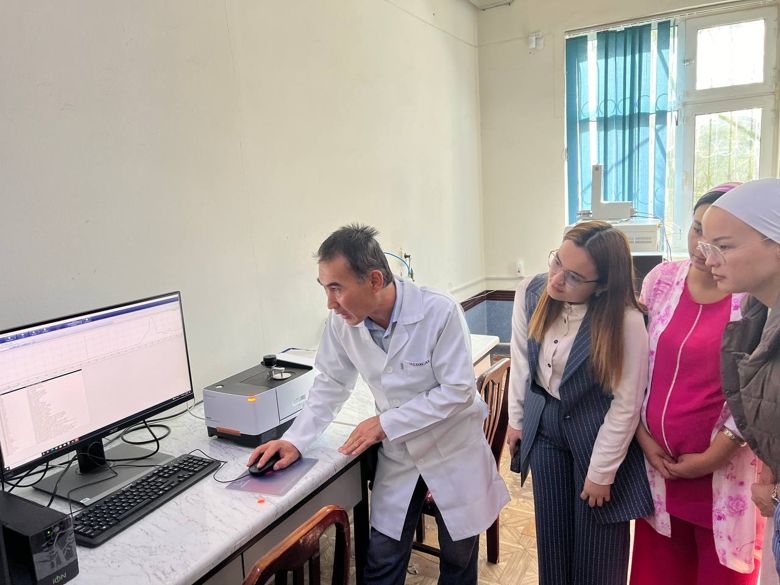
The Department of Biology conducts research that contributes to the prevention of water pollution and the sustainable management of water resources. Research is undertaken at both the Master’s and PhD levels. Master’s students typically investigate local water quality issues and practical pollution mitigation methods on a smaller scale, while PhD candidates carry out more comprehensive studies addressing regional water pollution, ecosystem restoration, and sustainable water resource management. These research activities support evidence-based environmental protection and contribute to national efforts toward clean and sustainable water resources.
Assessment of the Physicochemical Quality of Drinking Water in Selected Areas of Navoi Region | Master’s level research |
Evaluation of Water Quality in Irrigation Canals Using Biological Indicators | Master’s level research |
Sustainable Water Resource Management Model for Industrial and Educational Institutions | PhD level research |
Development of Biological Methods for Wastewater Treatment Using Native Microorganisms | PhD level research |
Integrated Assessment of Heavy Metal Pollution in Surface and Groundwater of Navoi Region | PhD level research |