2. Advisory Consultations for Navoi Free Industrial Economic Zone (NFEZ) Residents
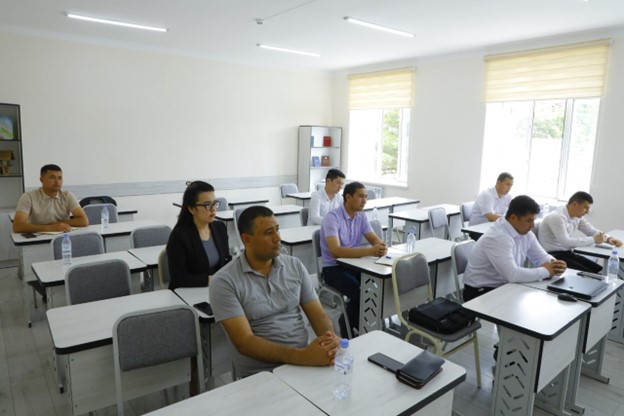
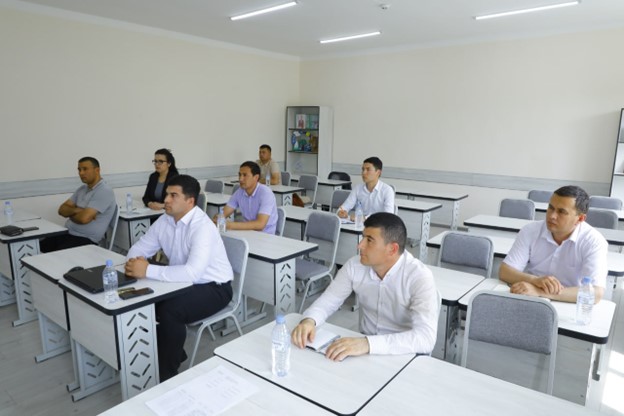
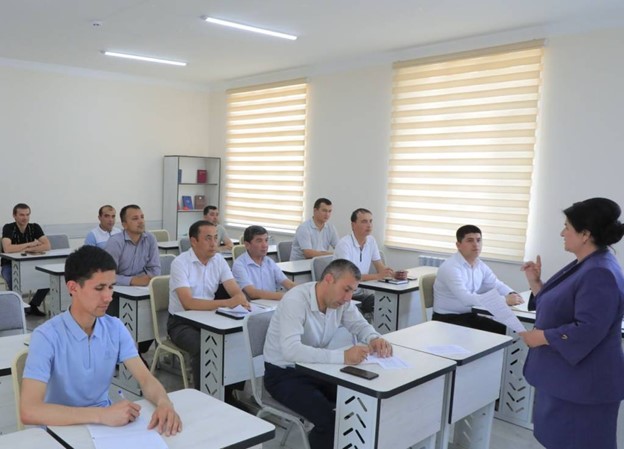
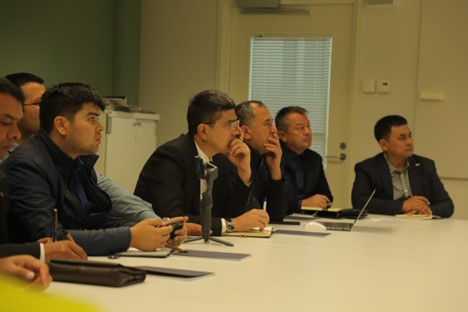
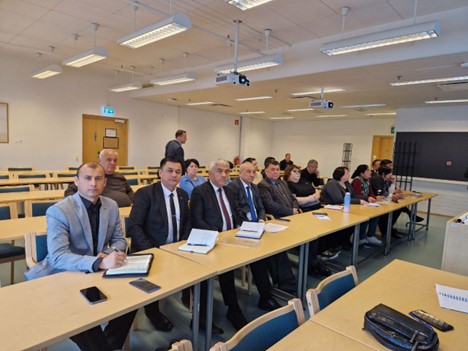
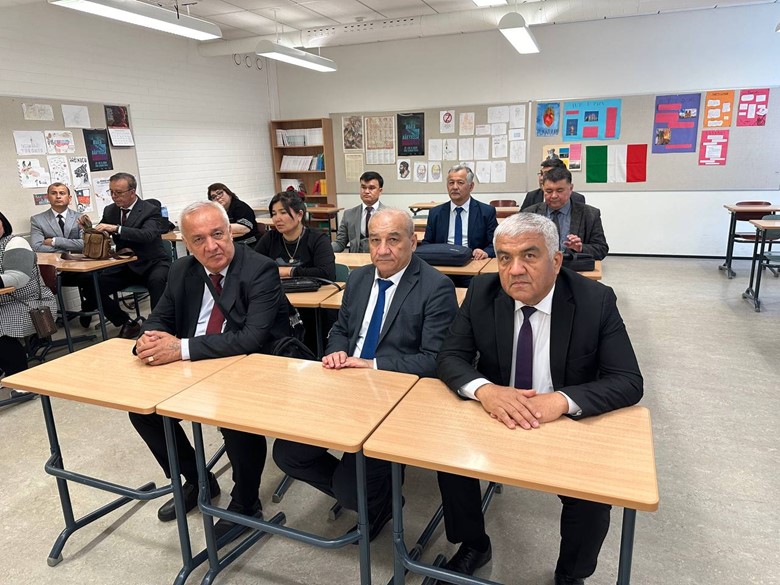
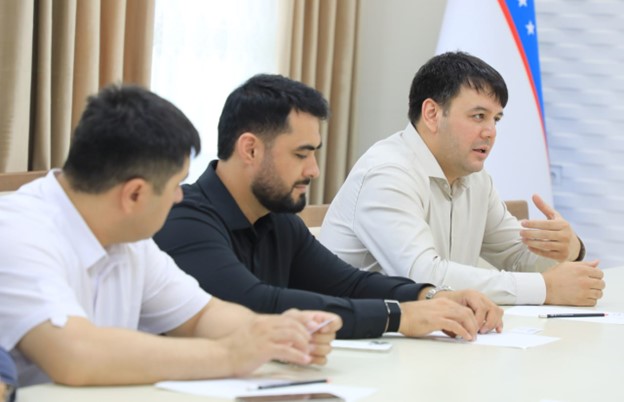
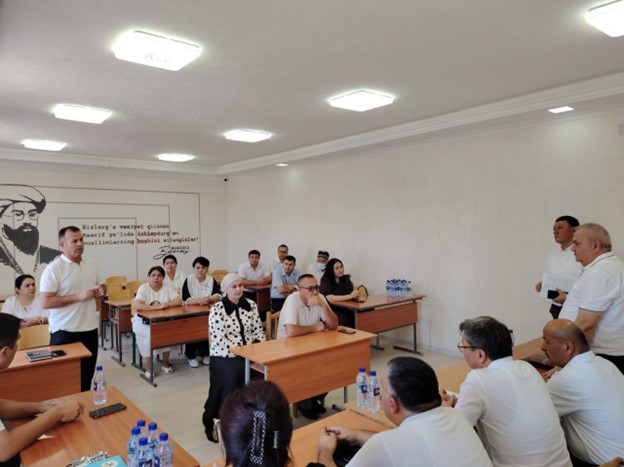
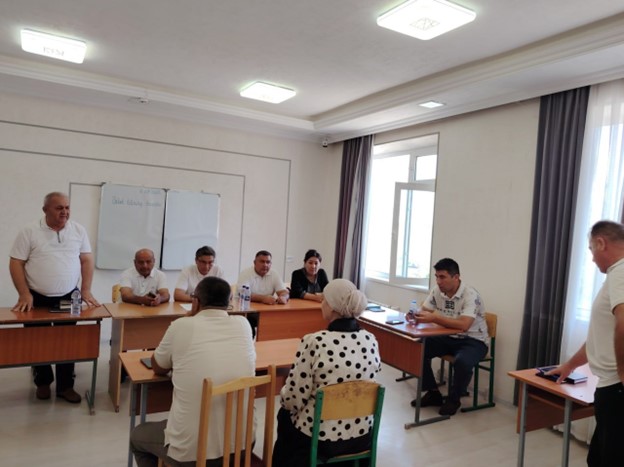
Navoi State University hosted a full-day Technical Energy Consultation Program for manufacturing and service companies operating within the Navoi Free Industrial Economic Zone (FIEZ). The initiative aimed to help local enterprises reduce electricity expenses and improve compliance with emerging national energy-efficiency requirements.
Throughout the day, university environmental and resource-efficiency specialists conducted individual diagnostic sessions with company representatives. These consultations included:
-Review of electricity consumption schedules, identifying peak-load inefficiencies and unnecessary standby power usage;
-Assessment of lighting systems, comparing existing configurations with potential LED transition models and smart-sensor solutions;
-Analysis of machinery operation patterns, focusing on motors, pumps, ventilation units, and refrigeration systems that often contribute to avoidable energy losses;
-Evaluation of building-level factors, such as insulation, natural lighting potential, and air leakage.
Based on the diagnostics, each participating company received a customized Energy-Saving Action Plan, tailored to their production profile and budget. Recommendations focused on practical, low-cost improvements, including:
-gradual LED conversion,
-installation of timers and occupancy sensors,
-optimization of ventilation and cooling cycles,
-load shifting strategies to reduce nighttime and idle-time consumption,
-basic maintenance routines to eliminate energy waste.
3. “Green Production Strategies” Seminar for NavoiAzot JSC
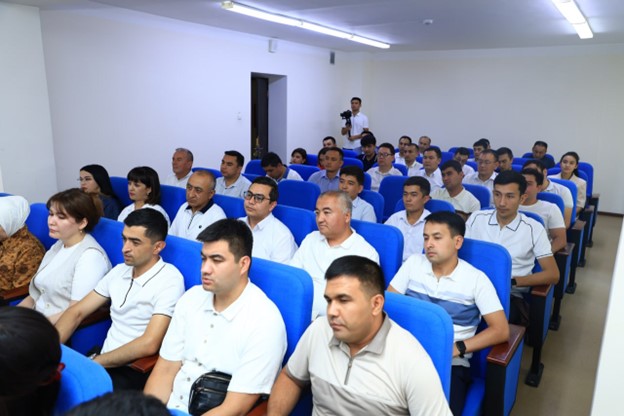
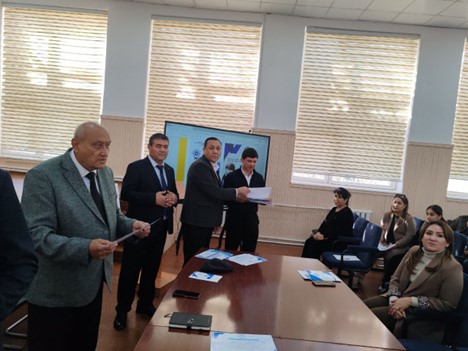
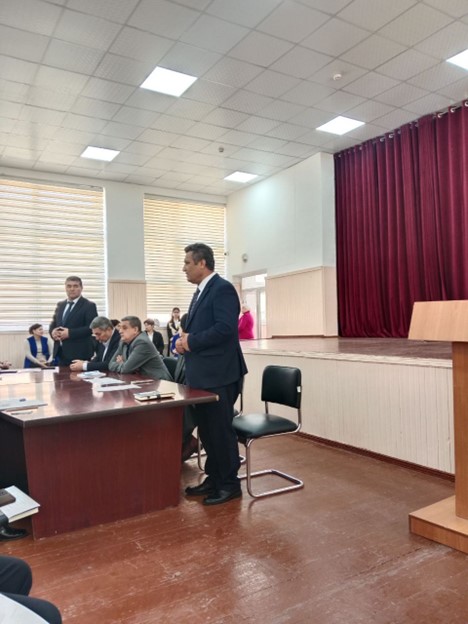
At the official request of NavoiAzot JSC, Navoi State University organized a targeted seminar dedicated to reducing operational electricity consumption through improved environmental and energy-management practices. The session brought together engineers, shift supervisors, and technicians from various production units of the plant.
The seminar focused on practical, industry-specific solutions that chemical enterprises can adopt without requiring major capital investment. Key topics included:
-Minimizing idle machinery time:
Experts demonstrated how pumps, mixers, and conveyor motors often run during non-production intervals, consuming large amounts of electricity. Participants learned scheduling strategies and sensor-based shutoff methods.
-Preventing compressed-air leakage:
Since NavoiAzot relies heavily on air-driven equipment, the seminar highlighted how micro-leaks in pipelines and fittings lead to major electricity waste. A hands-on demonstration showed participants how to detect leakage using simple acoustic and pressure-drop techniques.
-Integrating natural ventilation into workflow:
Environmental engineers presented low-cost ventilation redesigns that reduce dependence on electric fans and AC units, especially in auxiliary production buildings.
-Worker behavior–based energy saving:
Trainers emphasized the role of staff awareness, showing how factory-level savings can increase significantly when employees adopt energy-conscious habits such as proper shutdown routines and reporting inefficiencies.
The seminar also included case studies from internationally recognized chemical plants with similar production cycles, illustrating how behavioral and operational adjustments have yielded up to 8–15% reductions in electricity use.
4. Solar Lighting Pilot with a Small Industrial Firm in Navoi
As part of a community–industry collaboration, NSU partnered with a small metal-processing enterprise near Navoi to install trial solar-powered outdoor lighting units.
Environmental Protection students carried out site analysis, recommended optimal panel orientation, and monitored electricity reductions over 3 months. The pilot demonstrated a noticeable decrease in nighttime electricity consumption.
5. Industry Training Program on Environmental & Energy Reporting Requirements
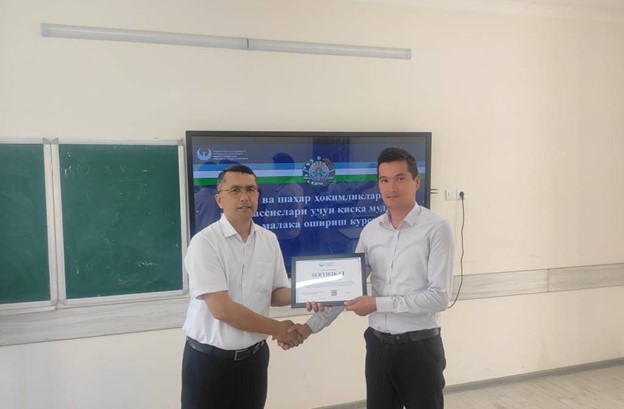
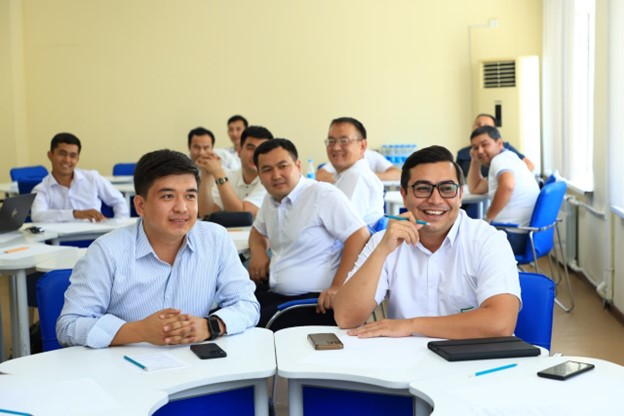
Navoi State University launched a hands-on training course designed for local industries that must submit environmental and energy-related reports to regional authorities. The program brought together specialists from the Navoi Free Industrial Economic Zone (NFEZ), NMMC subcontractors, and several service-sector companies.
During the session, university experts explained how to correctly prepare annual energy-consumption reports, calculate energy-related emissions, identify peak load periods, and compile sustainability documentation in line with national requirements. Participants were also provided with standardized reporting templates adapted to Uzbek regulatory frameworks, enabling companies to streamline their reporting processes and improve the accuracy of submitted data.
6. Joint Research with NavoiAzot: “Readiness for Renewable Energy Integration”
NSU conducted a research collaboration with NavoiAzot to assess the feasibility of integrating solar technologies into administrative and utility facilities.
The study included energy-use analysis, roof-load assessment, climate suitability evaluation, and investment–benefit modeling.
The final university report offered recommendations on solar hot-water systems, rooftop solar panels, and hybrid lighting solutions.
7. Regional Clean Energy Roundtable with NMMC & NFEZ
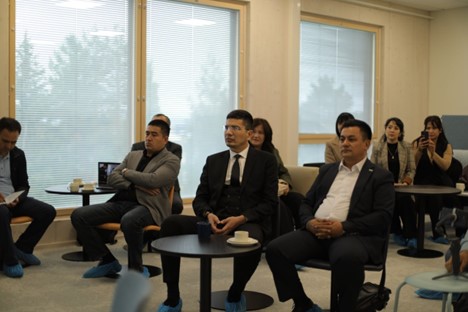
A university-hosted roundtable gathered representatives from NMMC, NFEZ, NavoiAzot, the regional khokimiyat, and local SMEs.
NSU experts moderated discussions on:
national energy-efficiency reforms,
challenges industries face in reducing consumption,
the potential of solar energy in Navoi,
funding mechanisms for renewable investments.
Participants developed a shared action framework for improving sustainable industrial practices.
8. “Energy Awareness Week” for Local Businesses and Public Institutions
Navoi State University organized a week-long energy saving campaign targeting businesses from NFEZ, educational institutions, and community organizations.
Events included public lectures, demonstrations of efficient appliances, assessment stands for measuring equipment consumption, and free advisory sessions.
Brochures prepared by NSU Environmental Protection students were distributed to over 300 local workers.
9. Carbon Footprint Assessment Training for Industrial Enterprises
The university held a technical workshop on carbon-footprint measurement for representatives from NavoiAzot, a logistics company in NFEZ, and several private workshops.
Participants learned how to calculate emissions from electricity use, fuel sources, generator operation, and heating systems.
NSU introduced simple monitoring tools and provided sample carbon-tracking spreadsheets for industrial use.
10. Field Energy-Use Review for a Local Manufacturing Enterprise
A team from NSU’s Environmental Protection department visited a light-manufacturing enterprise in the Navoi Industrial Zone.
They inspected lighting systems, equipment operation cycles, building insulation, and thermal loss points.
A detailed advisory report was delivered to the company, recommending improvements in workspace lighting design, load scheduling, insulation strategies, and equipment maintenance.
The enterprise implemented several recommendations and reported reduced electricity usage within two months.